
Hello everyone, welcome to the vidyathoughts 2025 game of the year extravaganza! As they say, what better time to do a best of 2025 list than in the middle of January? I don’t want to waste any time on a preamble, so instead let’s just get into…
Rules for the main list
I think it’s important for any ‘best of’ list to clearly state what the criteria are for inclusion. That way the reader isn’t like ‘okay but you forgot THIS thing.’ This way, you can yell at me for not honoring something in the proper way – because I didn’t like it enough!
•A game must have been officially released in the calendar year of 2025 in North America. That’s where I live. Japanese exclusive games or fan translations that happened to release in 2025 are not eligible.
•I need to have personally played the game myself in 2025. Finishing the game is not a requirement. This impacts Hades 2, which I did not start until 2026. Based on how I’m feeling about it right now, it’d be a top 3 game of the year if it had been eligible.
•No remakes or remasters. This is just because I’m tired of making the distinction of what makes a remake ‘new’ enough to be considered worthy of being honored. So, being a negative person, I decided to not allow any of them. This impacts the Legend of Heroes: Trails in the Sky remake – which was in the top 3 of the initial version of this list. It also hurts the Dragon Quest 1 and 2 HD remake. It does not hurt MGS: Delta, which would not have made the list regardless. It also doesn’t hurt the Final Fantasy Tactics remake (remaster?) because I didn’t play it. That’s one of the best games of all time though, so just assume it would rank at number 1.
And that’s pretty much it. Everything else is fair game. This only applies to the main list and not to the side awards. Speaking of…
Side awards
Before we get started with the main event, let’s talk about a few of the various highlights of 2025. I am a big fan of the old Giant Bomb ‘game of the year’ award shows, so these categories are more or less lifted from that format. There will be spoilers below and I am not marking them, so if you see an entry you want to go in fresh for, don’t read it.
Best Boss: Higgs from Death Stranding 2
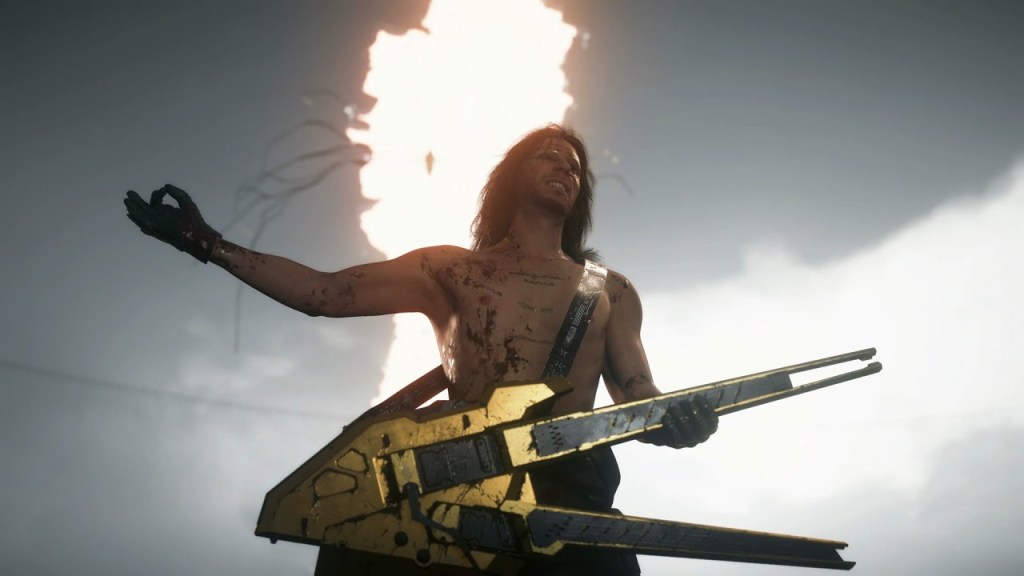
My favorite boss fight of all time is probably the fight against Ocelot at the end of Metal Gear Solid 4. Through gameplay, the battle manages to communicate the long and complicated history between Solid Snake and Ocelot. It’s just a thing of beauty.
There is much you can say about the failings of that game, but that particular fight is immaculate. The Higgs fight feels like a sequel to that one. And since this is also a Hideo Kojima game, this was definitely not an accident.
The fight here not only conveys the history between the participants, but it also helps tell another story. During the course of this game, the player becomes very aware that the director of this game is pining for the days of old. Hideo Kojima misses making games starring Solid Snake. If it was subtle (it wasn’t) before, this fight makes it very blatant.
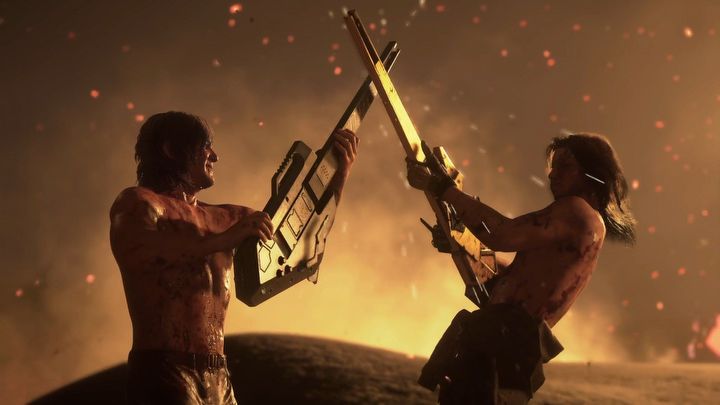
So in the foreground you have the game telling a narrative story between two figures in this world but in the background you have the story of an author missing his creation. He couldn’t finish that story on his terms and his complicated feelings on the issue are expressed in this fight through various callbacks.
For goodness sakes, Higgs even says “Kept you waiting, huh?” Do ya need Sam to pop up in a stealth suit and start preaching about the basics of CQC for you to get the picture?
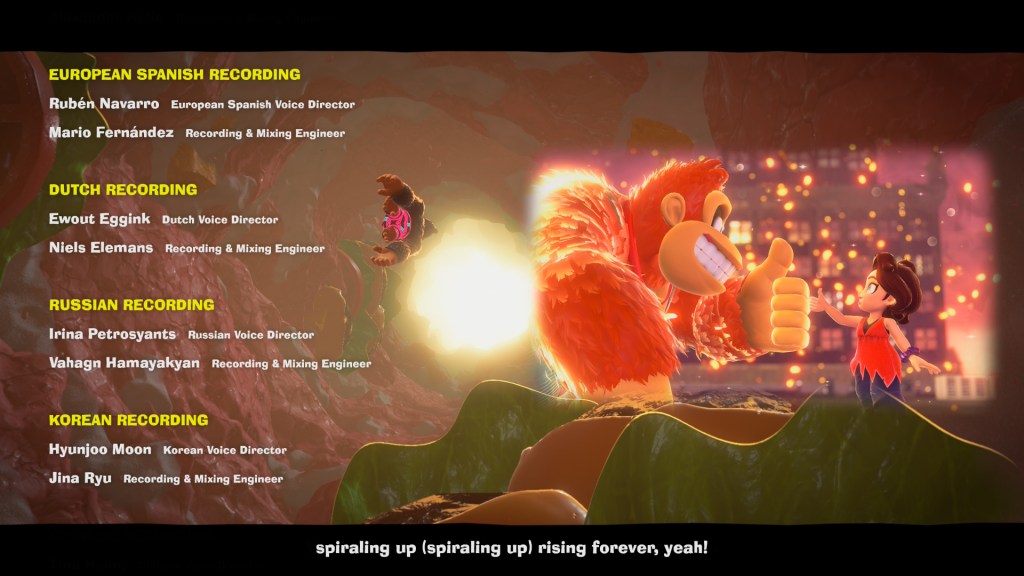
Best moment or sequence: The end of Donkey Kong Bananza
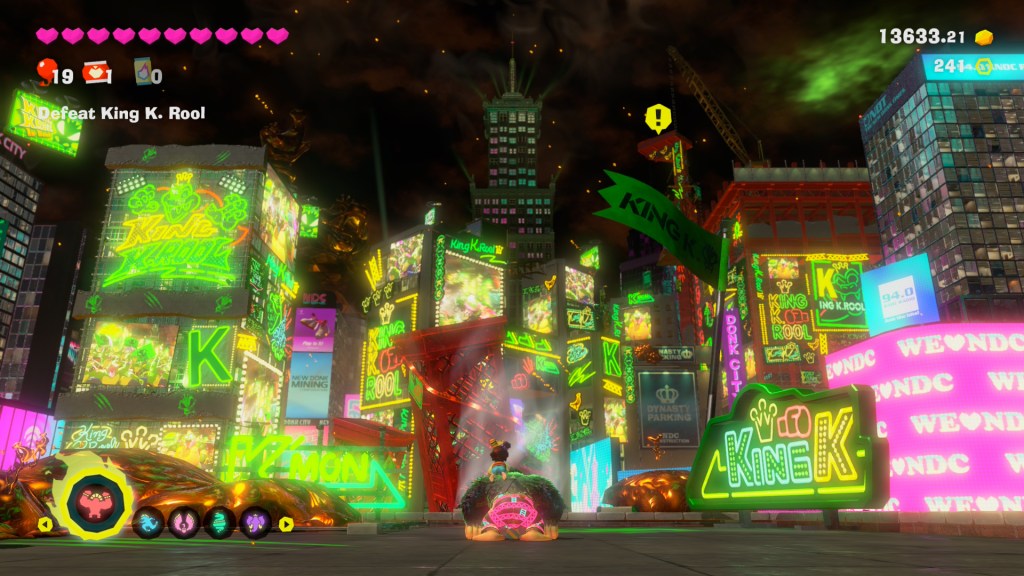
Speaking of real world stories being told through video games, here we are! For years, it has been assumed that Nintendo is trying to erase the handprints Rareware placed on the Donkey Kong franchise. The two ‘returns’ games featured no reference to the recurring villains of the franchise and to make matters worse, Donkey Kong was recently redesigned to be more in line with Shigeru Miyamoto’s original vision for the character.
Notably, when DK was redesigned, nothing was seen of the various side characters the franchise has. So a lot of people were under the assumption that this was how Nintendo was going to start fresh. And all of the trailers for Donkey Kong Bananza fed into this belief. They did let slip that Diddy, Dixie and Cranky Kong would all be in the game, but other elements of Rare DK were nowhere to be seen. It was another set of new generic villains and it even was trying to tie in DK’s arcade roots into the main narrative. Signs were all pointing to a reboot.
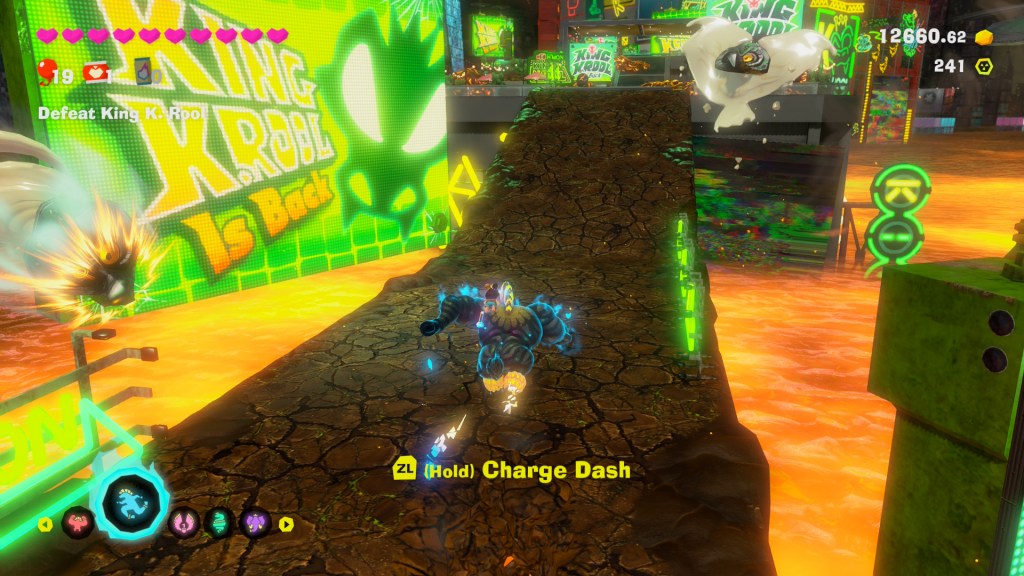
And then, about two hours from the end of the game, everything flipped on its head. The main villain gets, essentially, falcon punched out of reality – never to be heard from again. And then, suddenly, THE Rareware character showed up. King K. Rool. What followed was about three hours of pure fanservice to the old SNES adventures – complete with villain death rattle sound effects – culminating in one of the most satisfying final boss encounters one can have. Hearing a remix of gangplank galleon made me breakout in goosebumps, I just couldn’t believe what I was playing through.
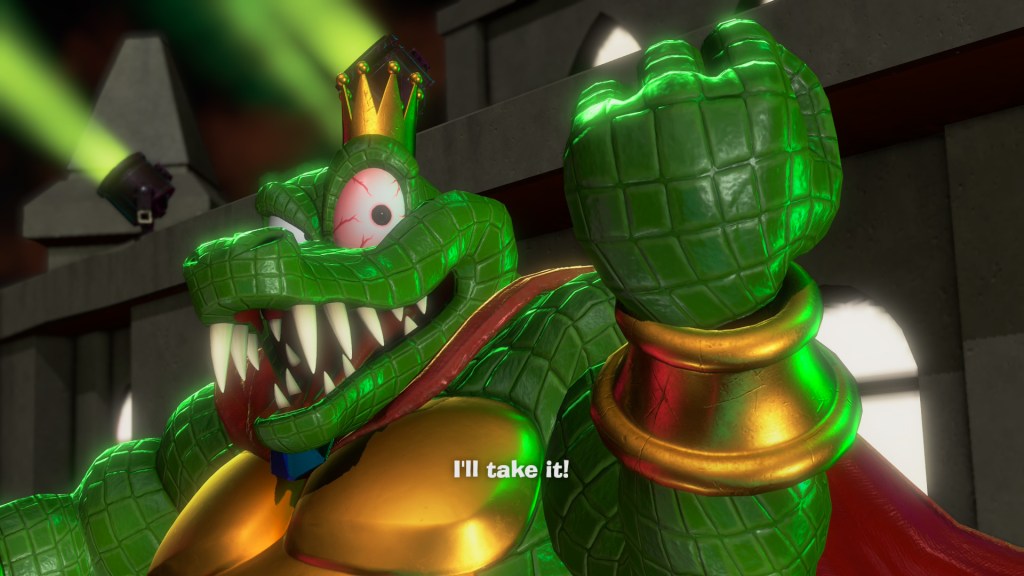
By leaning into real world expectations when talking about this game and not tipping their hand about the identity of the real villain, this moment was made exceptionally special. There was no subtle hint about a figure behind the scenes at all. This allows the player to drop their guard and just not think about the logistics of the real world. “Are the Kremlings back?” “Is Nintendo going to keep trying to reshape the history of Donkey Kong?” None of that matters. In 2025, in arguably the biggest release on Nintendo’s new console, King K. Rool was back. The Kremlings were back. None of that shit mattered.
If you have an inkling of nostalgia for Donkey Kong Country, you owe it to yourself to experience this. The ‘surprise’ factor may not be there anymore, but it’s probably the most satisfying bit of fanservice I have seen in some time.
Best looking: Ghost of Yōtei
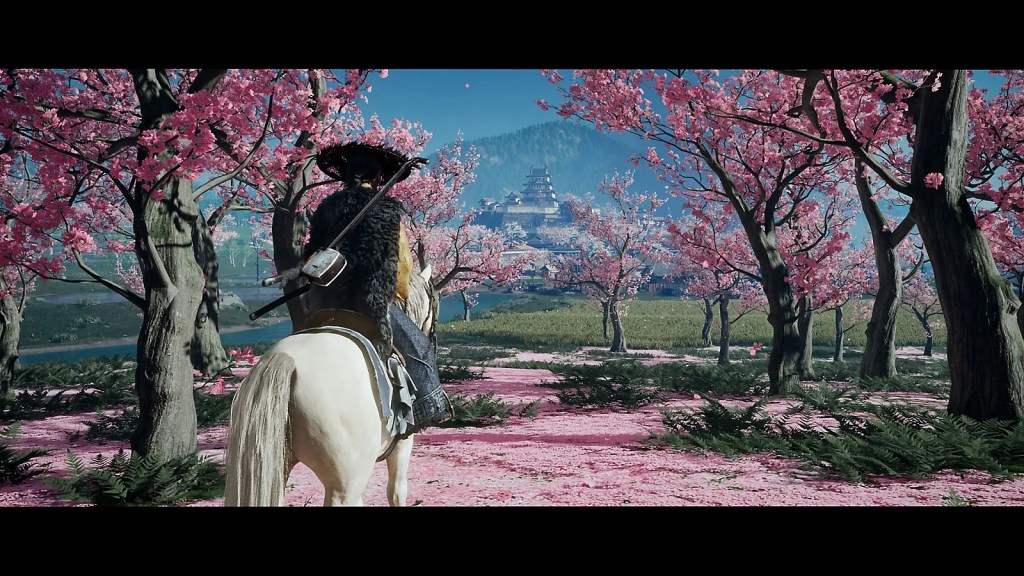
I know Expedition 33 cleaned house at the game awards and won in categories it had no business winning in. While everyone might point to the soundtrack as the most blatant offense, for me it was the visual discussion. I love Expedition 33, but for the most part it just looks like any other 2025 AAA release to me.
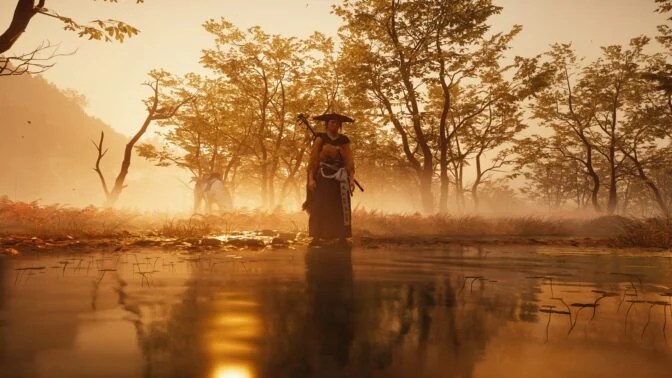
And while most people, rightfully, point out Hades 2 or Silksong as games that were much more appealing visually…I decided to stick with the third dimension for this. Ghost of Yōtei is simply breathtaking. Even on a base PS5 in performance mode, the game makes me wonder why we even need to progress with graphics anymore. The scenery is absolutely breathtaking and every area is distinct feeling and interesting to explore. It never gets old making the wind blow and just seeing how it impacts everything in the environment.
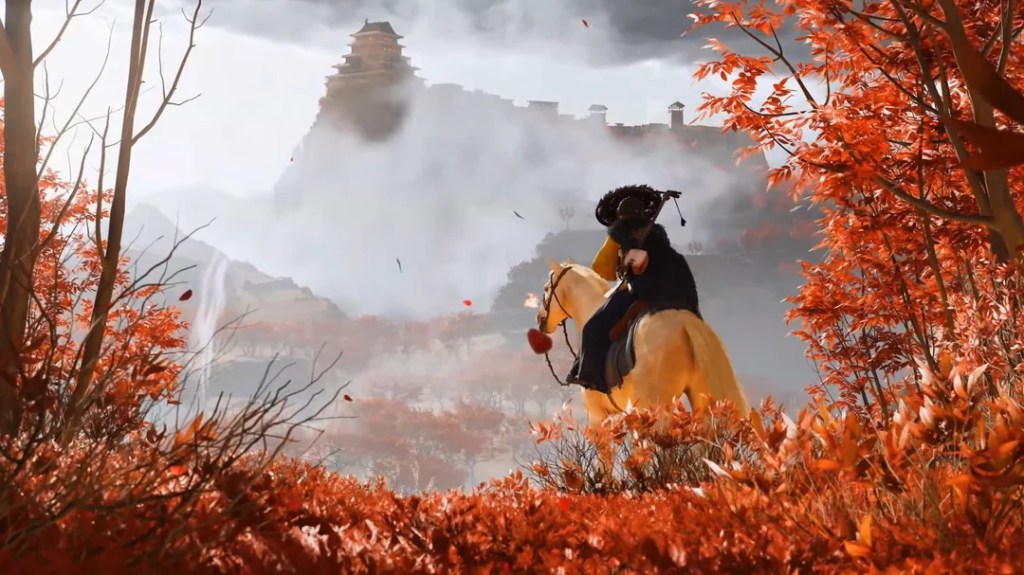
I’ve never been much of a GRAFFIX person. A really bad art style might turn me off of a game completely, but I don’t even need passable visuals to be invested in something. There are articles on this site where I talk about how much I LOVE the aesthetics of the PS1 release of Final Fantasy VII to this day. But this game’s visuals absolutely enhance the experience.
It makes me want to explore and interact with the environment. On the surface, Ghost of Yōtei is a fairly standard open-world game that doesn’t break a lot of ground. But because everything is so aesthetically pleasing and interesting, I actually do want to explore that open world. I don’t mind experiencing all the same old open-world cliches because the stuff around those cliches is just great.
Please Stop: Hero Shooters
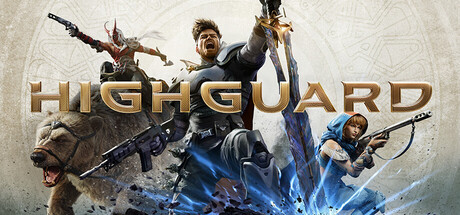
Do you know a single person out there who sees a new hero shooter and goes ‘hot damn, I need to play that!’ Yet here we are, at the end of 2025, and the video game awards are closing their show with a trailer for another hero shooter that will most likely gain zero traction.
I know this isn’t exactly a hot take, but it’s time to move on. People who want to play the genre have their game of choice. You’re not going to get people to move off of Marvel Rivals or Overwatch 2 or uh…Deadlock I guess. So it’s just best to save your time and money and cut your losses if you have one in development.
I know in the real world, shareholders demand to be shown what all those millions of dollars were spent on, but it’s probably best to just silently shelve these ideas and move on. You don’t want to be the studio that ‘learned nothing’ from Concord.
Most disappointing: Tony Hawk’s Pro Skater 3+4
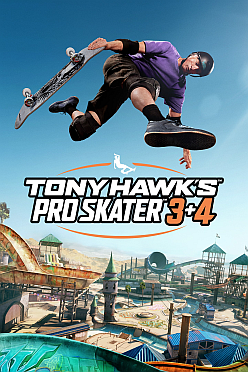
Hey, these are the side awards, so I can include remakes! I loved Tony Hawk 1+2. It felt like a proper celebration of the franchise. It felt like there was a lot of love for what made the original games what they were. It felt like a project made by people who grew up loving the original games and wanted a new generation of players to experience them.
Tony Hawk 3+4 did not feel like that to me at all. Especially on the THPS 4 side. That game featured levels that were meant to be explored at the player’s leisure. Yes, if you break apart the individual pieces, it still has all the elements of the original formula in there. So making a bastardized version with a time limit should make sense.
But a game is more than just its individual pieces. By taking this out – and just so you know, turning up the time limit to 60 minutes is not the same thing – a key part of the identity of Tony Hawk 4 is missing from this experience. On top of that, they trim levels away. Why even remake something if you need to compromise this much?
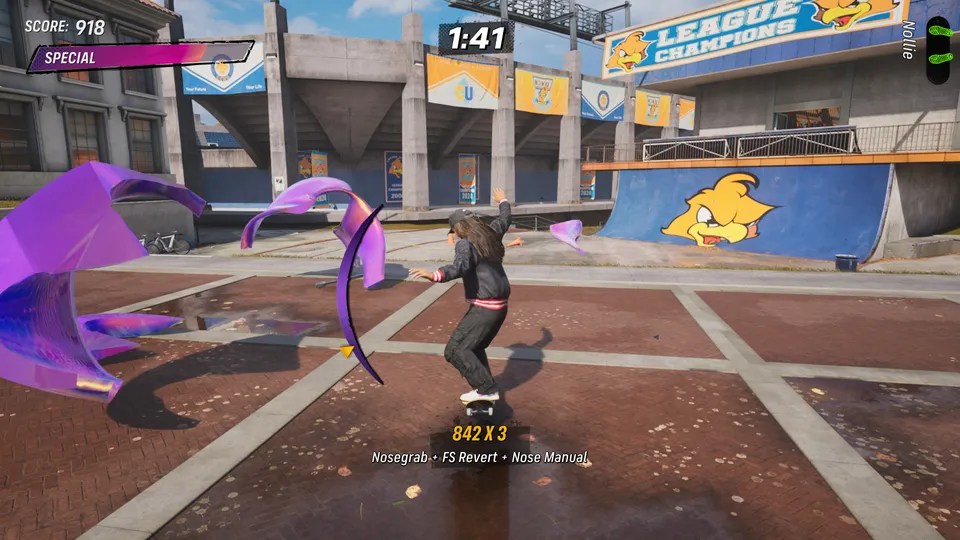
Edges of the game were sanded off. The people who want to play Tony Hawk in 2025 are aware that it was made in a different time period. Isn’t skateboarding meant to be somewhat counter-culture? So why does this game feel like it was made by a corporate panel of stooges trying to appeal to the widest possible demographic and offend the least number of people? All of the edge was shaved off.
Why were half of the songs removed from the soundtrack and replaced with modern songs that fit the same ‘vibe’ as the original game (they don’t)? Why were challenges like ‘impress the babes’ replaced with ‘impress the skaters?’ Why is Officer Dick now just Jack Black being Jack Black? Why is the font so plain and boring? Where is the blood? Why did they have to basically be begged to put Bam Margera in the game (and no, I do not believe he was always going to be in it)? Why are there cut levels?
Too many questions. Whereas THPS 1+2 felt like a game made by people who loved the original, this one felt like it was made by a team that had it forced on them.
My least favorite game I played: Croc: Legend of the Gobbos HD
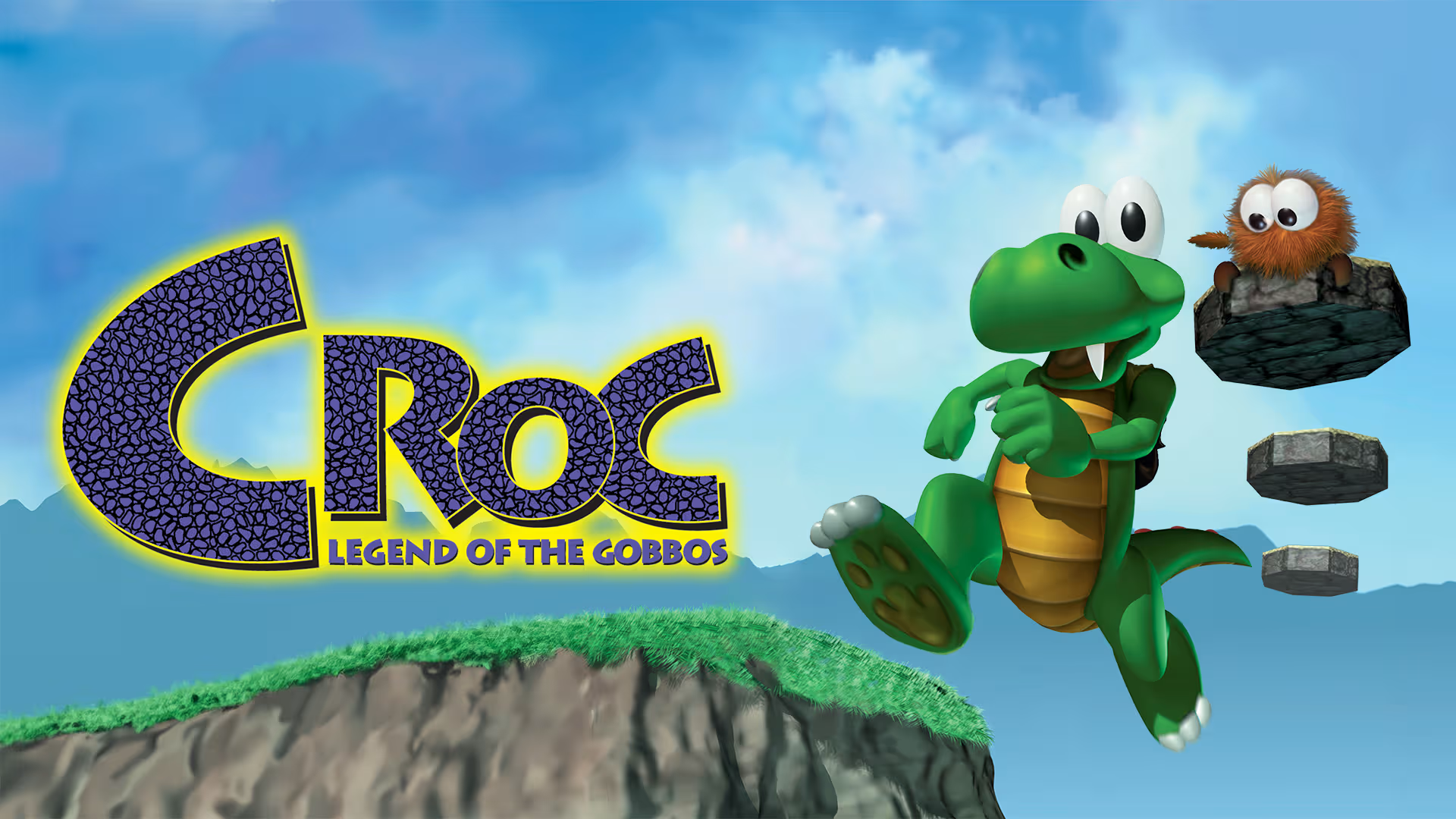
I know this is a series people have a lot of nostalgia for, but I just don’t get it. I’ve tried playing the Playstation version of this game several times and figured maybe, just maybe, the HD version would be the one that finally hooked me. Nope. I played every single stinking level in this thing and came away completely underwhelmed. And no, it has nothing to do with the ‘tank’ controls of the original release.
I think the levels are really poorly designed, I think the bosses are not fun at all and I really do not get how people can talk about how awesome the music is. I get that the standard compliment for a platformer is “IT HAS AMAZING MUSIC” and you’re just supposed to go ‘okay’ because most platformers have amazing music. But this all sounds like it came from a royalty free CD from the nineties. I don’t even find it charmingly low budget like how the Symphony of the Night sound effects can sound.
It’s just…bland. If they elected to go mute with the whole game, I don’t think I’d notice a difference.
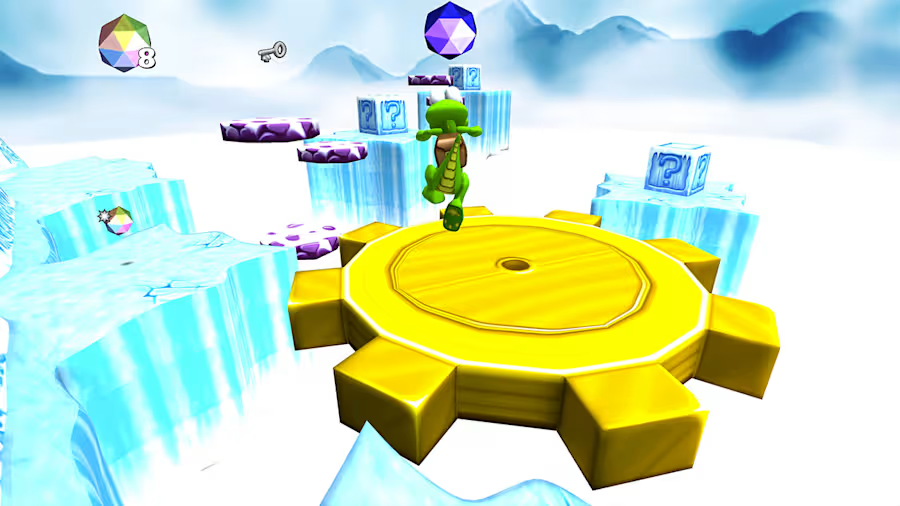
I will say that I am glad this game feels pretty faithful to the original. I love the toggle graphics feature they included – I vastly prefer the original aesthetic to the HD visuals. I do not feel like it was assigned to a team that was indifferent to the project – it feels like it was made by people who loved Croc. Too bad I, apparently, am not one of those people. But rest assured, I will be back for Croc 2 HD. Will that be the one that gets me to finally understand what everyone else sees in these games?
Probably not. But man I DO love Croc’s character design. Look at this fella. It makes you want to pop open a capris sun and stare into the television screen six-inches in front of you. I love him. I wish he was in a better game though.
The Top 10 Games of 2025
Games I did not play that might have made the list: Hades 2, Blue Prince, Kingdom Come Deliverance 2, Avowed, Elden Ring: Nightreign.
Note: There will be spoilers and I am not marking them. If there’s a game here you want to remain spoiler-free on, skip over it.
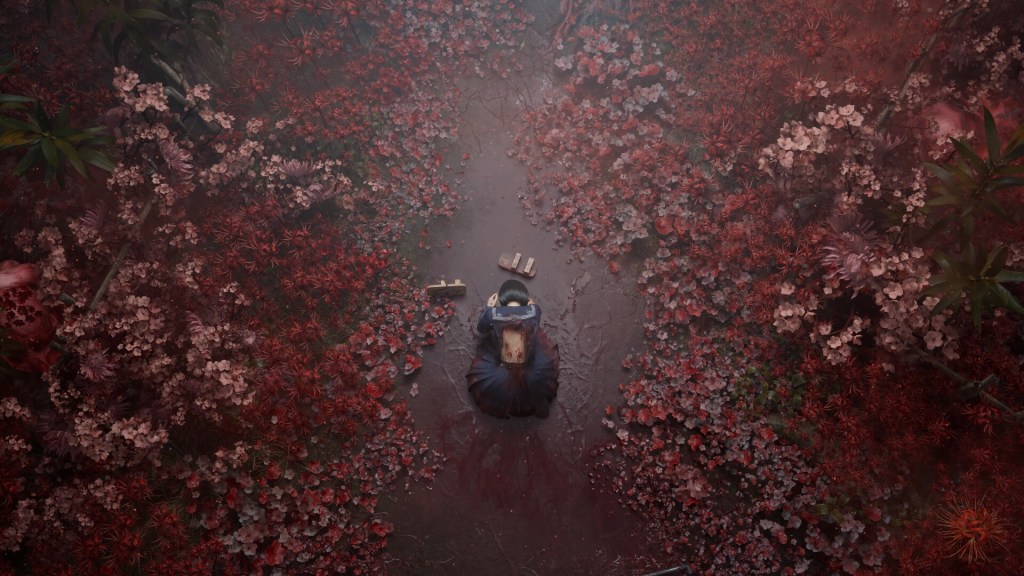
10-) Silent Hill f
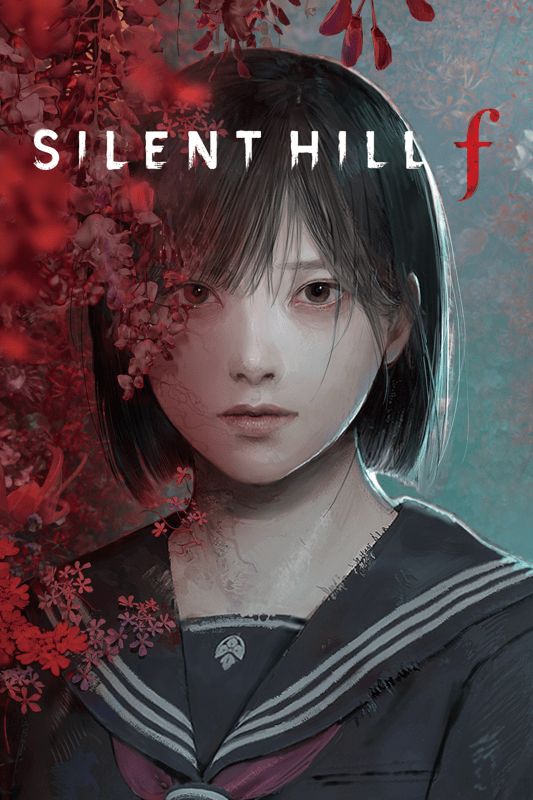
If you can believe it, this is only the second Silent Hill game I’ve played through. The other one isn’t even 2! It’s Homecoming! Yes, I know, I have much work to do. I consider the Silent Hill franchise to be one of my bigger gaming ‘blind spots.’
I really enjoy the way this game goes about telling its narrative. I know it’s a bit of a series staple for Silent Hill games to convey things to the player in a slightly unusual way, but it’s still a refreshing thing to see nontraditional attempts at storytelling that aren’t just ‘dig into the lore of this world by reading item descriptions’ from a major release. As you progress through the story, a lot of events are hard to parse and you have to think about the entire package in kind of an abstract way in order to truly understand what’s going on.
The big twist on a first playthrough of the game is that the main character has a drug problem that is being ushered onto them by their best friend. It’s never explicitly spelled out to the player until the very end of the game, but there are hints all around. One of the most useful items in the game is, in fact, a pill. And the player will mindlessly down those suckers in the middle of combat just to stay alive, so seeing that manifest in the actual narrative is pretty neat.
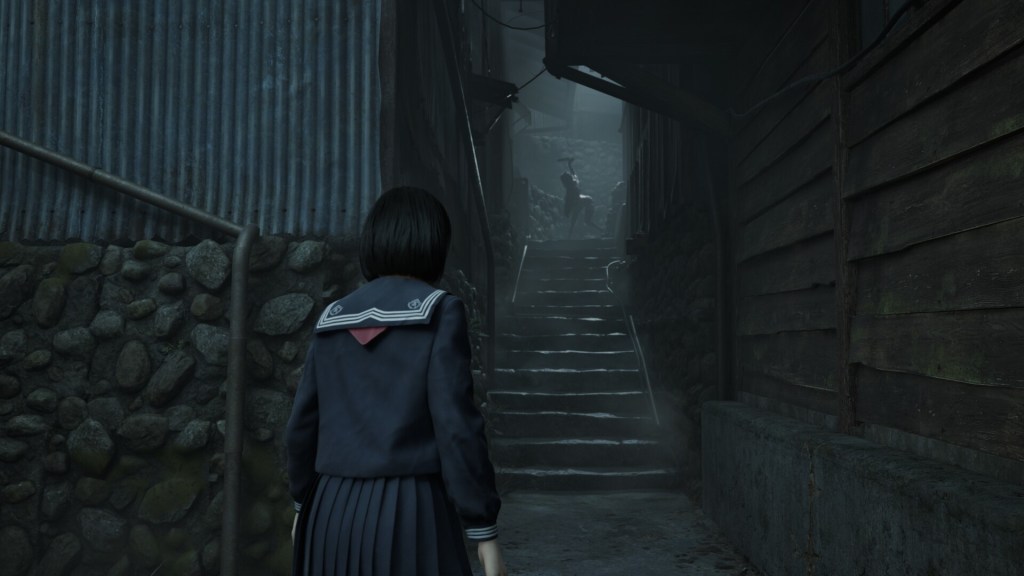
While the player is focused on the more obvious bits of story-telling – the main character Hinako is very confused about what her role in society should be and has a fear of growing up, she also struggles with duties to herself versus duties to others – this little bit lingers in the background. Ever present and shaping things.
And that is just one piece to the overall puzzle. Each ending of the game gives more insight into who Hinako is as a person and what sorts of things she is dealing with. Only some of it is blatantly obvious, the rest I would say is best experienced by playing in short bursts and constantly theorizing what could be the real story being told here. I love when a game keeps you guessing, and I think the subtle way this game tells its story does a good job of feeding into that.
It places at 10 because I really don’t enjoy the combat. Silent Hill, from my understanding, is a franchise where it’s important for the combat to feel unwieldy because the protagonist is often not from a ‘combat’ background. But I know there are various ways to avoid combat in other SIlent Hill games – in this one, there are many encounters foisted upon the player and I found them to be mostly annoying.
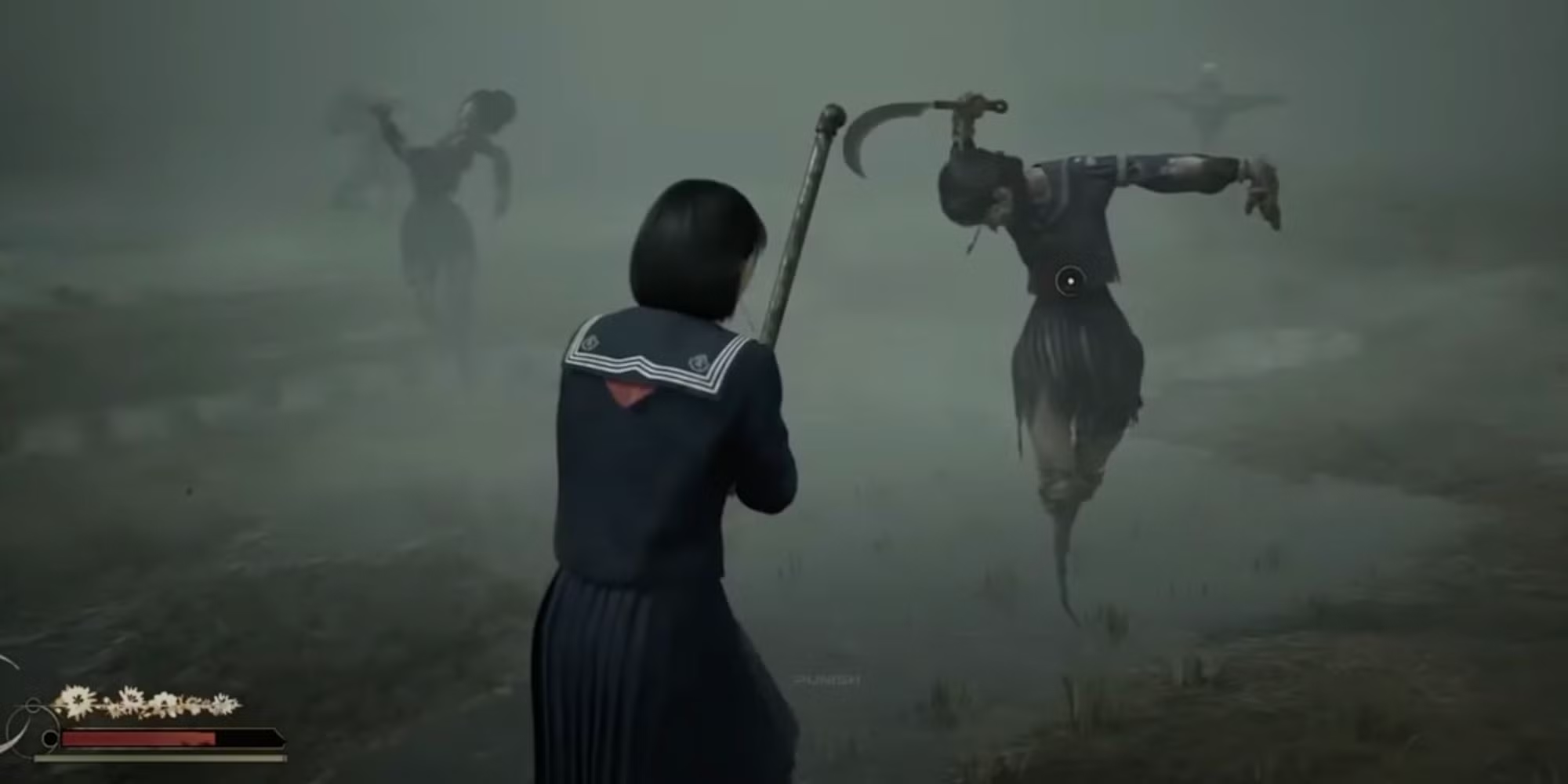
There’s a parry system, but I found trying to slowly fight your opponents and pick your spots for parrying didn’t really help with things at all. Enemies are too inconsistent with their openings. So I found myself mindlessly mashing more than I would like. I think some forced encounters are okay but keep it to a minimum. This game’s combat was at its best when I was in a hopeless situation and trying to find alternatives to fighting.
Oh and the English vocal performance is miserable. I liked it in the sense that it felt like a throwback to a time when Japanese games had very stilted-sounded English localizations, but I would expect something more from a modern AAA release. Especially considering how good the main character sounds in Japanese. I don’t speak the language, but I can clearly feel the emotion there. In English? Not so much.
9-) Metroid Prime 4
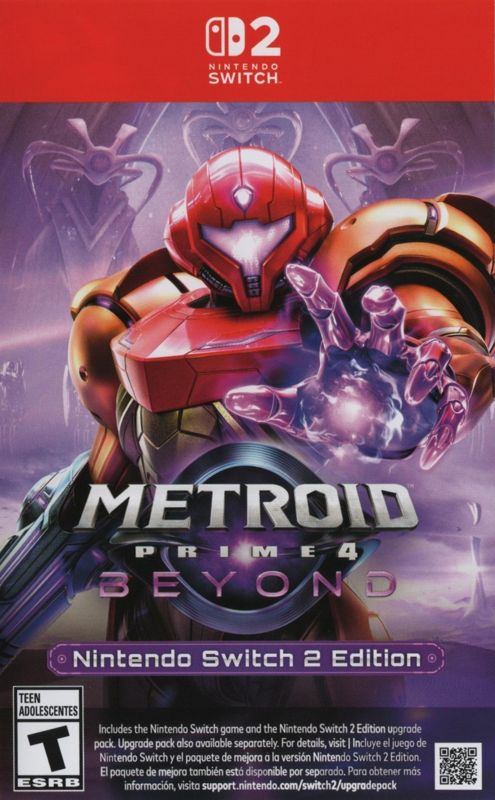
When I was sizing up my list at the start, I helped narrow down things by giving them a numbered score. I made a short list made up of games that I would mostly score at around an 8. Metroid Prime 4 was not on that list and there are a couple of things I left out of the final rankings that I scored higher.
But when I sat down to order things, it felt wrong not to include this game. It felt like a betrayal to who I am as a person. Metroid Prime 4 is a flawed game – to the point I think people who gave it a perfect score are insane – but it’s a game I really like despite that. So here it is.
Prime 4 is a game that has been in some form of development for about a decade. In the past, this has not often meant good things for the final product. Look at Duke Nukem Forever. It was a game stuck in development hell for an eternity – it was even rumored the game was delayed because the people developing it got addicted to World of Warcraft – and when it came out it sure as hell showed that. It felt like a time capsule of early 2000s video game ideas that released in the 2010s. And it was also really unfun to play.
Metroid Prime 4 is much the same way. It feels like a time capsule of weird 2010s ideas that was released in 2025. You have what feels like a game that was designed to be open with the giant desert acting as a hub. But the hub is completely void of life and mostly lacks things to do. It has the appearance of an open world – and it even tells you to choose your own way to go at one point – but there’s really only one clear way forward. It feels like it came from a time when people had no idea what an open world game was even supposed to be, so they just tried their best. Common in 2014. BAFFLING in 2025.

It also has a weird number of quips and some oddly placed comedic dialogue. Why yes, I DID know she calls that morph ball. You know what was really popular in the 2010s? The MCU, which was chock full of stuff like that.
You know what was popular in the game sphere around that same time? Borderlands, which has the most grating and irritating comedic dialogue on this planet, but people like it. So here’s Prime 4, in 2025, wearing this proudly like it’s the 2010s.
But here’s the thing. Unlike Duke Nukem Forever, I find this package to be endearing. Graphically, I can’t believe how great this looks on the Switch 2. It feels far more advanced than it actually is. From a gameplay perspective, I found most encounters to be quite fun. For all the wacky gameplay mechanics it shoots for, I still found myself putting up with it because the overall package felt satisfying to engage with.
It feels like it came from a time when every major Nintendo release didn’t need to be a certified banger, where it was okay to be a little rough around the edges. I don’t know how to word this without sounding like an insane person, but spiritually it felt very similar to Wario World on the Gamecube. It has the makings of a big time Nintendo game but it feels a little scuffed in some ways. It feels like a mid tier release with a budget. Am I crazy? Yeah, probably.
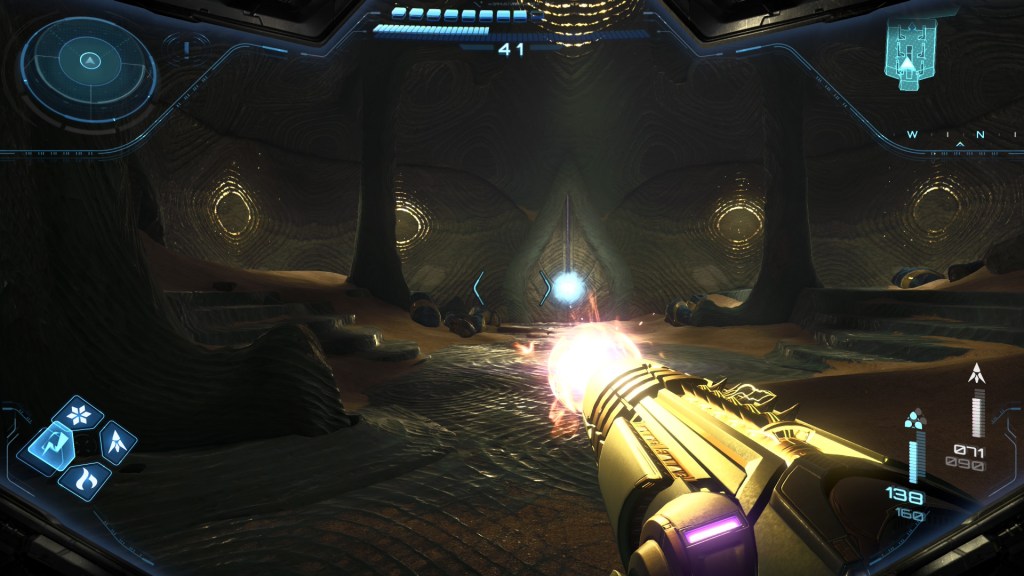
I will fully admit I was not looking forward to this game for a decade. I understand being let down if you came into this with a lot of hype and were expecting THE big switch 2 exclusive holiday release. My lack of hype and expectations absolutely led to me enjoying this game more than I thought I would. So, I would encourage anybody curious about it to try and engage it with an open mind. If you yearn for an older time, this game is probably something you’ll have a lot of fun with. If you’re expecting Breath of the Wild 3: Metroid edition…sit this one out.
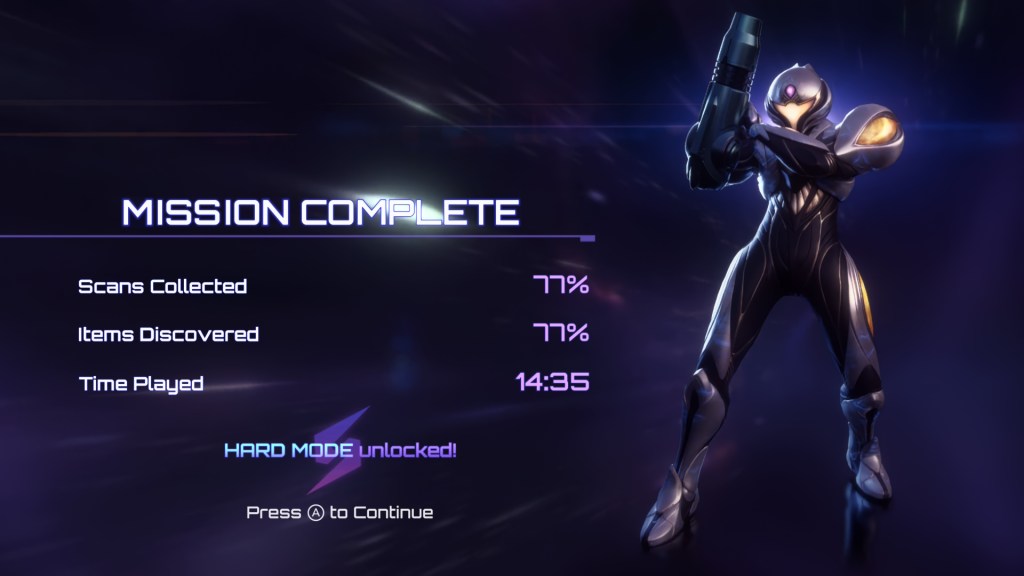
If you were curious about my numeric rating for this game, it was around a 7. This game is flawed. I am simply baffled by some of the decisions they made – what do you MEAN the giant open world desert is silent unless you buy an amiibo or 100% complete the game – and yet I enjoyed my time with it. Sometimes a big baffling mess is more interesting than a technically ‘superior’ game.
8) Ninja Gaiden Ragebound
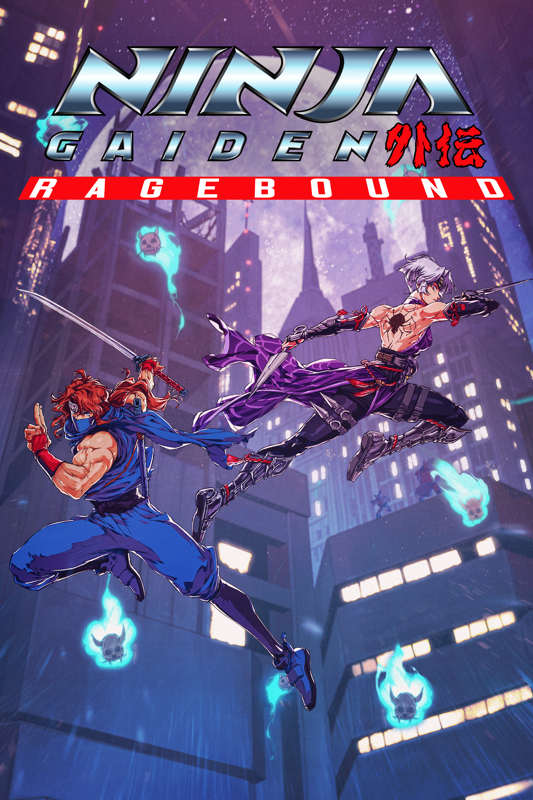
This entry was kind of tricky for me because I kept trying to package Ninja Gaiden 4 with it. I loved NG4 as well, but what ultimately kept it from this list is that it didn’t FEEL like a Ninja Gaiden game to me. It felt like Devil May Cry 4 wrapped in a Ninja Gaiden shell and that’s just not what I came to the table for. Ragebound though, that hit me in the Ninja Gaiden sweetspot, and I feel it’s worthy of recognition as a result.
This feels like a Ninja Gaiden game got lost in the 90s and magically got found in 2025. Graphically, while it is far more advanced than what the Super Nintendo can handle, it LOOKS like it could have fit in on that console. I think if you’re doing a retro revival, it’s better to approach it like that instead of going for a fancy modern aesthetic.
I look at it like Mega Man 11. That game was begged for for ages, but I don’t think many people actually remember much about it outside of the stupid gear mechanic. Far more people remember and love Mega Man 9 and 10, which were deliberately made to look like NES/Famicom titles. So I’m glad Ninja Gaiden Ragebound went with that approach too.
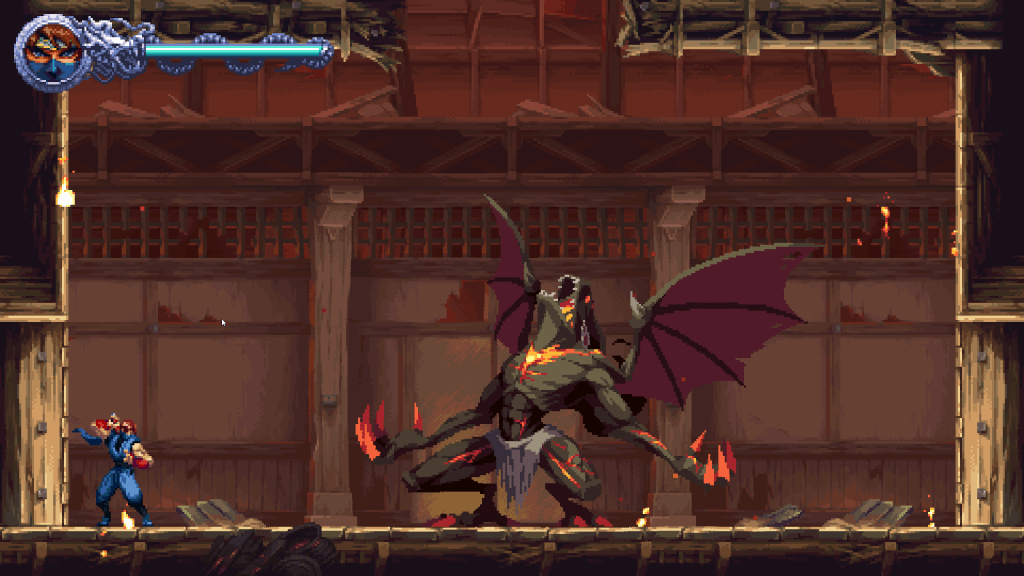
I will say that the game is a touch easy. Ninja Gaiden games were notorious for their difficulty, so it’s a little strange that the retro revival version of it is so easy to complete. But also, I don’t necessarily need my retro games to beat me over the head with difficulty, so I don’t really mind that.
Despite being easy, when combined with the awesome music and the graphics, this manages to feel like a proper throwback. I love it. Not much else I can say about the game, it’s one of those where you can tell if you’ll like it based off of a simple screen shot. Think this looks cool?
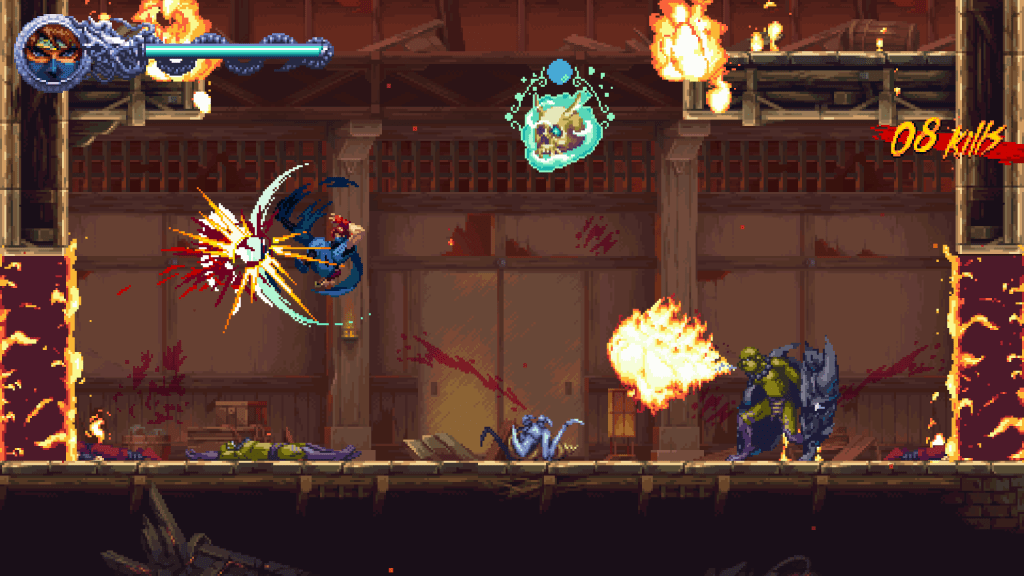
Well, if so, congratulations, you’re gonna like Ninja Gaiden: Ragebound.
7-) Digimon Story: Time Stranger
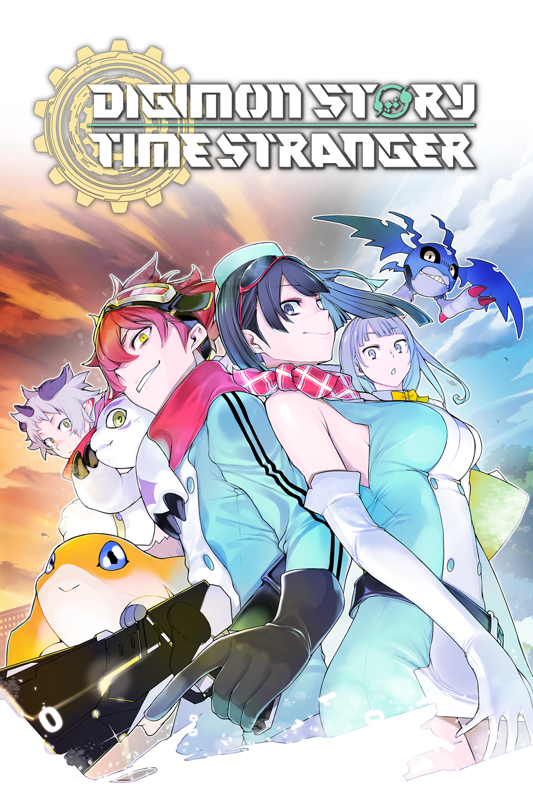
We got to see the revival of a storied rivalry this year. 2025 saw the release of a major pokemon game in Pokemon Legends: Z-A and it also saw the release of a major Digimon game in Digimon Story: Time Stranger. Now if I asked you, blindly, to pick one of these two games to feel like a big budget AAA game, which would you choose? Pokemon right? The franchise that makes like a hundred trillion dollars annually? BZZZZZT. Wrong! Digimon, somehow, feels like the project with more money and passion put behind it. Digimon!
This is a title I have waited for for quite a while. The last ‘Digimon Story’ games came out when the Playstation Vita was still a thing. Basically, these are long turn-based RPGs that place a focus on storytelling and collectability.
Whereas Pokemon approaches this with a ‘catch em all’ mentality, Digimon does this with an emphasis on training and stat growth. Each creature has various evolutionary paths that require different methods of training to reach. Very few Digimon have one certifiable ‘best’ track, so it does good to explore different methods of training so you can see as many creatures as you can.
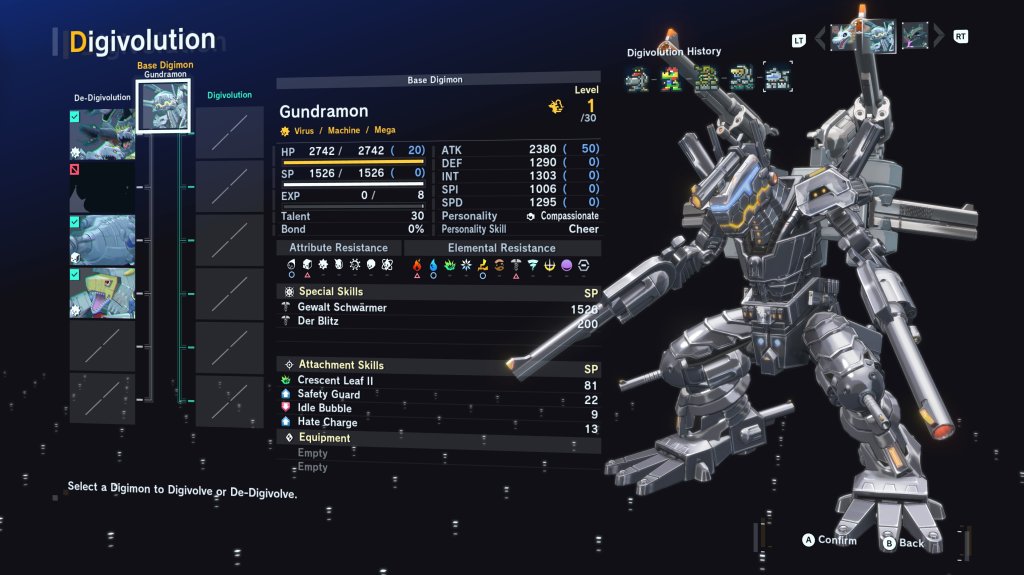
And yes, specifically training individual stats to get your desired outcome can be taxing. But it embraces what makes Digimon different from its more popular ‘sister’ franchise.
Digimon got started as a virtual pet, where strict routines were necessary in order to keep your pet alive but also to see them develop. Requiring tedious stat development in order to see every evolutionary path makes far more sense here than the more traditional and typical ‘pokemon hits level x and evolves or is exposed to a stone and evolves.’ It’s entertaining and since it’s been like a decade since the last digimon game to feel like this, it’s refreshing.
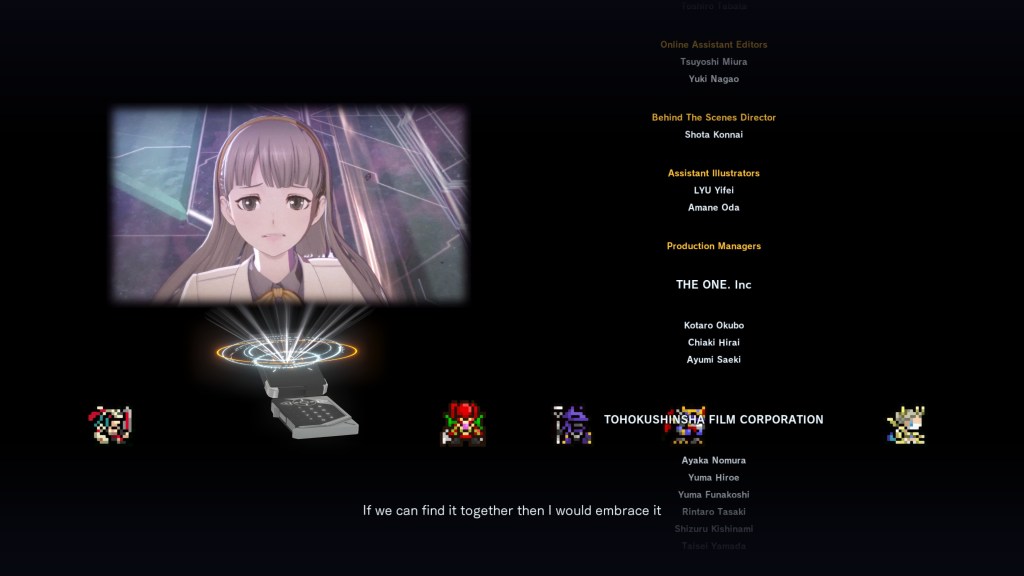
I mentioned above how this is a series focused on storytelling, and that is true. There are lots of cutscenes to see and story to read. While I really enjoyed the narrative of cyber sleuth – including the funky English translation – I didn’t really care much for the story of Time Stranger. The plot is very boiler plate and feels like something you’d see on any budget anime (perhaps that’s fitting for Digimon).
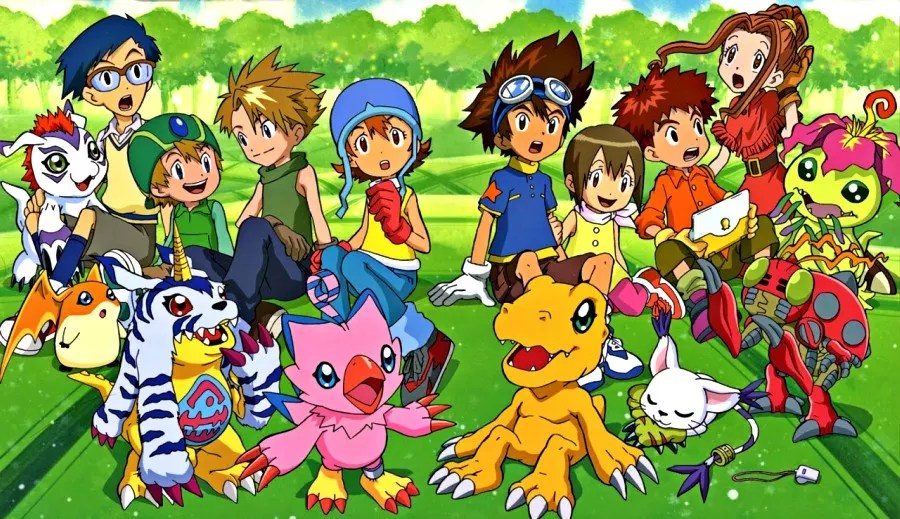
That said, the main narrative deals a lot with the mixing of the digital world and the real world – something that probably sounds familiar to you if you’ve ever seen the Digimon anime. So while what’s actually HAPPENING in the story isn’t that interesting, getting to explore cities comprised of digital monsters feels like something I’ve dreamt of since childhood.
And the ‘big budget’ feel helps with this. Cities don’t feel like they’re thrown together and all the Digimon look really impressive. I know Legends Z-A is a Switch 2 (and Switch 1) game, so graphical compromises needed to be made, but it’s wild to me how much more impressive Digimon looks. Maybe I’m a simple mind and all I really needed was a big budget Digimon game to be happy. Hey, did its job, can’t complain. This is an easy recommend for anyone with an affinity for catching and raising monsters.
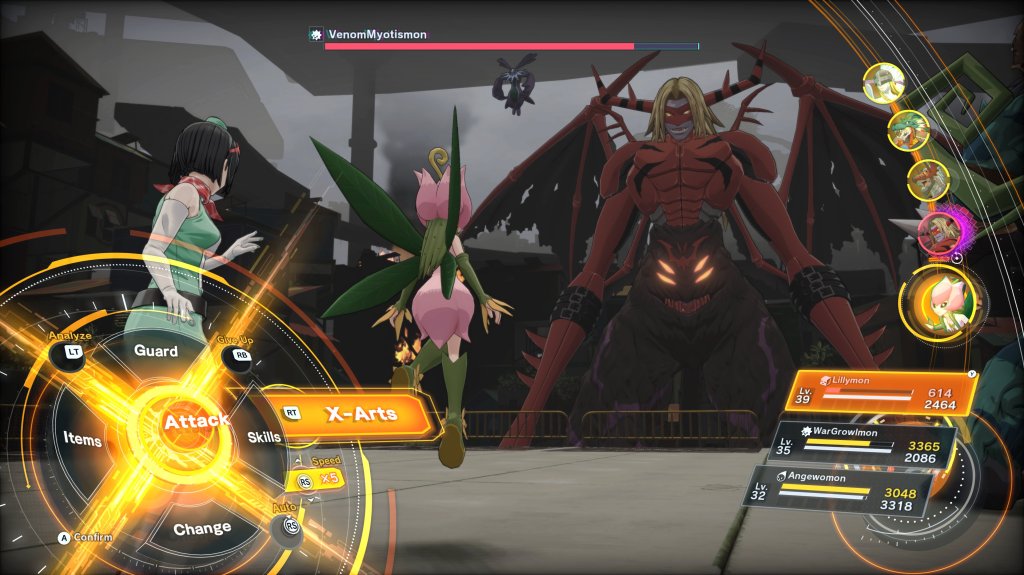
I will complain about one thing though. The boss battles. They are abysmal. Your creatures do way too little damage to the enemies. The fights aren’t even challenging, the strategies for them are mostly the same, it feels like they just pumped the HP up on creatures to pad out the run time. Replacing the boss battles with literally nothing would have been an improvement.
If there ends up being another Digimon Story game, please consider doing something completely different. I shouldn’t be looking at Digimon World 2 and thinking ‘gee I wish more boss battles were like that.’ If you know ANYTHING about Digimon World 2, you know how damning of a statement that is.
6-) Ghost of Yōtei
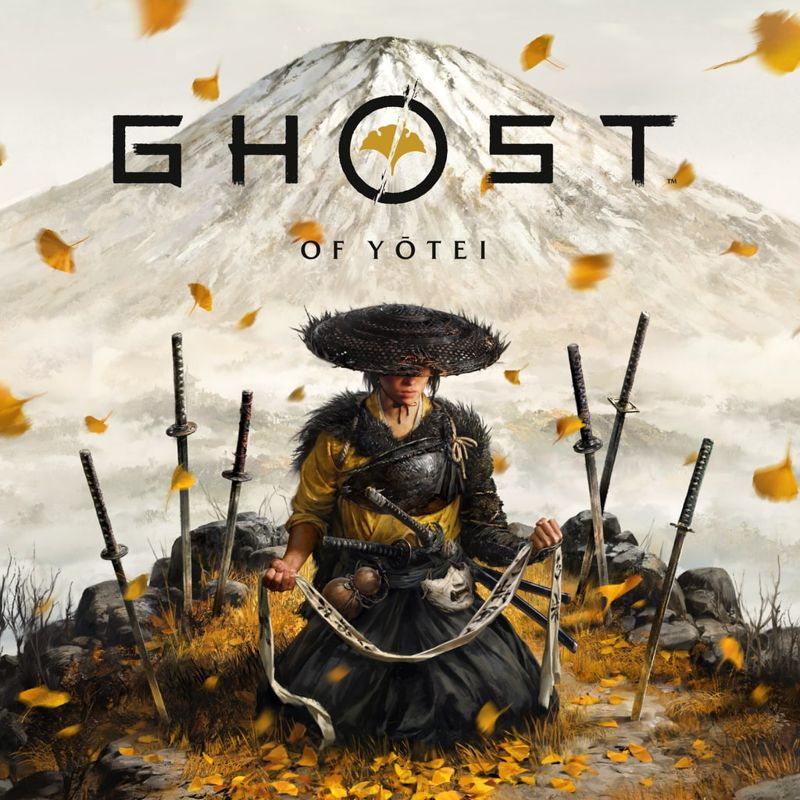
This title came out when a looooot of other stuff was coming out and it slipped under the radar for me for a while. I didn’t pick it up until the very end of the year and was sort of just doing my due diligence with it. I liked the original game, Ghost of Tsushima, a fair deal. But nothing I had seen out of Yōtei suggested I needed to play it by the end of the year for the purpose of some arbitrary list. Still, I felt it was owed that much. So I tried to shoehorn it onto the end of a very packed year.
And wow, I’m glad I did. I really enjoyed it a whole lot. At the end of the year, I was going through something of a rough time. 2025 wasn’t the easiest year in my household and the holiday season felt like a culmination of all those things. I needed something simple to play when I wasn’t working and somehow, someway, this giant AAA Sony release fit that bill just nicely. I enjoyed every minute of it.
This game does not break any new ground. As mentioned above, it’s a pretty standard open world game. You see an icon on the map, you go there, you do something, and you’re done. Repeat that for 40 hours. Hell, the story is even a “Revenge…BAD!?!?!” sorta tale. Oh really? Is it? How about we have a game where the protagonist acknowledges revenge is bad and soul destroying but does it anyway? It could be like a spiritual successor to the No More Heroes franchise (killing stuff is cool as long as you’re trying to score a babe)! But…
I always find with open world games like this, how much you enjoy them is entirely decided on how much you enjoy the theme. The reason I’ve never really been into Assassin’s Creed games is because I’m just not terribly interested in the lore behind the series. I view what this game reaches for and what Assassin’s Creed reaches for to be roughly the same thing, but I find myself liking this a fair bit more. Why? I love the theming.
You’re wandering around feudal Japan during a time of great transition. You’re seeing the end of the samurai and the beginning of modern society. Enemies will be equipped with guns and you’ll hear tale of other nations making contact with the isolated nation. It reminds me of Red Dead Redemption, where you’re experiencing the final days of the old west. In Yōtei, you’re experiencing the final days of the samurai. So if you enjoy old samurai movies or if you’re a fucking embarrassing weeb like myself, I find it pretty impossible not to enjoy what this game is going for.
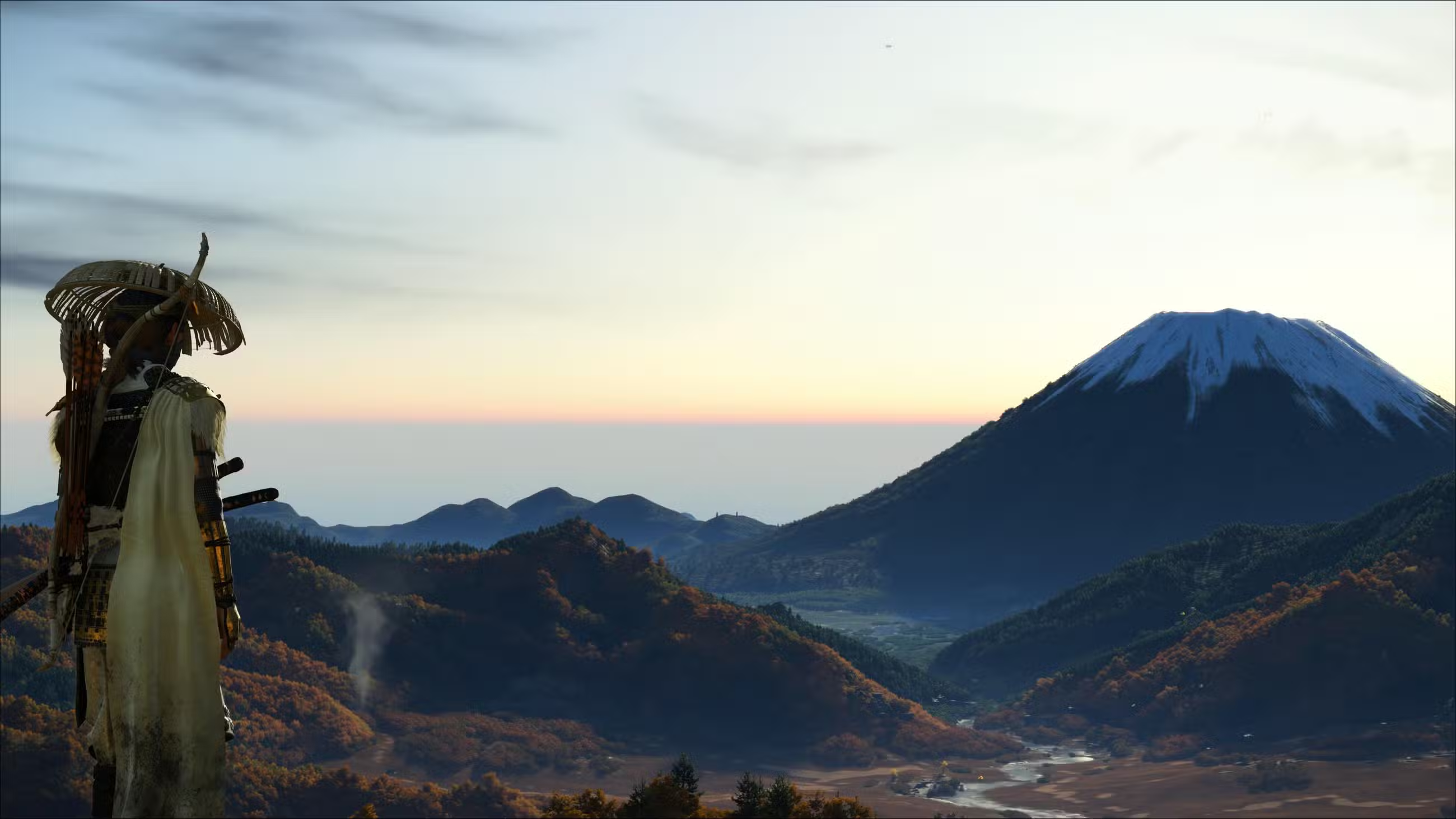
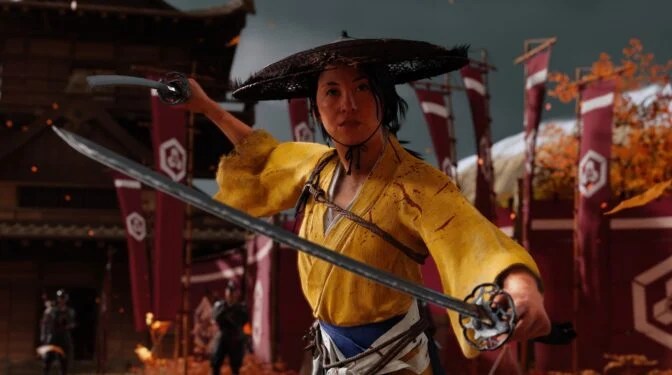
I also really enjoy the combat. Just like the open world aspect of the game, this breaks absolutely no new ground. You have minimal attack options, a parry and a couple of side weapons. But through a combination of the stellar graphical presentation – I love how Atsu (the main character) will flick the blood off her sword with each kill – and the need to stay focused on combat to parry, I found this to be a very engaging system.
Sure, not all weapons are as fun to play as others, but I did not find myself sighing whenever a combat opportunity popped up. I NEEDED to win that fight so I could give Atsu like a slightly better triangle button attack or something.
One weird thing the game does that I kind of both like and dislike is how it has little gimmicks with the dualsense controller. You do things like pound a hammer or cook while using your controller like some other device. These are not actually fun to do – the game lets you skip this entirely if you want to – but it reminds me of a simpler time.
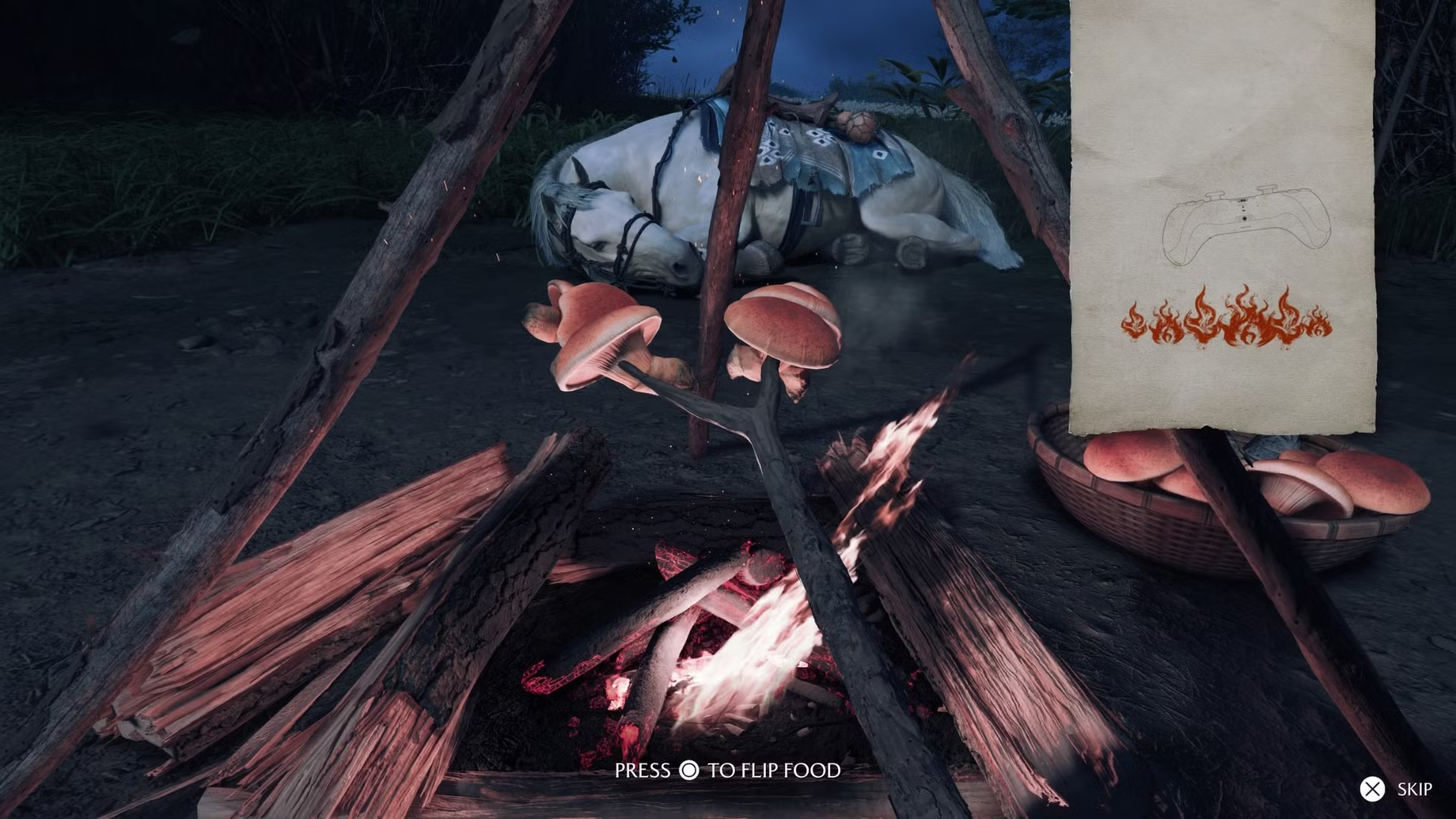
Magazines would yell at Wii games for not including dumb shit that could only be done on the Wii. So then companies would shoehorn weird stuff that took advantage of unique properties of the controller in order to stave off those critiques. It feels like that here – but nobody makes those critiques anymore! It’s bad, I skip it every time, but I’m still glad it’s there. It adds a little personality to the game.
I’m a little perplexed that Yōtei didn’t get more love at the game awards in general. I’ve seen similar boiler plate open-world games get praised to the high heavens while I feel this one just kind of slipped through the cracks. It was a pretty busy year for high quality games, so I understand why, but I still think this title needs more love. If you have any interest in samurai or Kurosawa or if you’re just a massive loser weeb like me…you’re gonna have fun. Plus, I think the main actress does a great job!
5-) Split Fiction
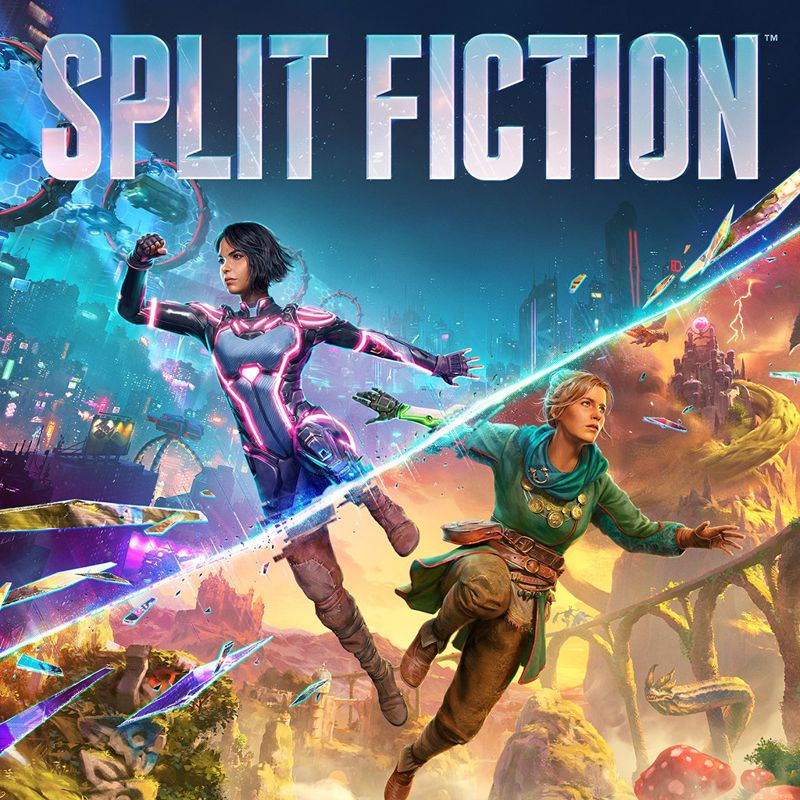
I was a pretty big fan of Hazelight’s last game, It Takes Two, so I’m not at all surprised Split Fiction wound up on this list. Just like last time, this is a co-op focused game. Just like last time, I played the whole thing on the couch with my wife. And just like last time, it’s just a fantastic experience.
The main villain of the game is trying to steal the creative works of writers using a machine. The aim is to take every idea they have and distribute them endlessly without needing the actual writers – reaaaaal subtle – and the two protagonists are stuck inside this machine. As a result, the levels are split between two different types of fiction – just like the name – which represents their preferred genres, science fiction and fantasy. The sights you see in these worlds I would describe as ‘generic’ for their respective genres, but the constant shifts keep everything really interesting.
What I like most here are the little side stories and character moments. I feel like the main levels can stretch a little long, but during the course of these you’ll often see a little bubble that contains smaller worlds also set in these genres. These bubbles rule, go out of your way to try them.
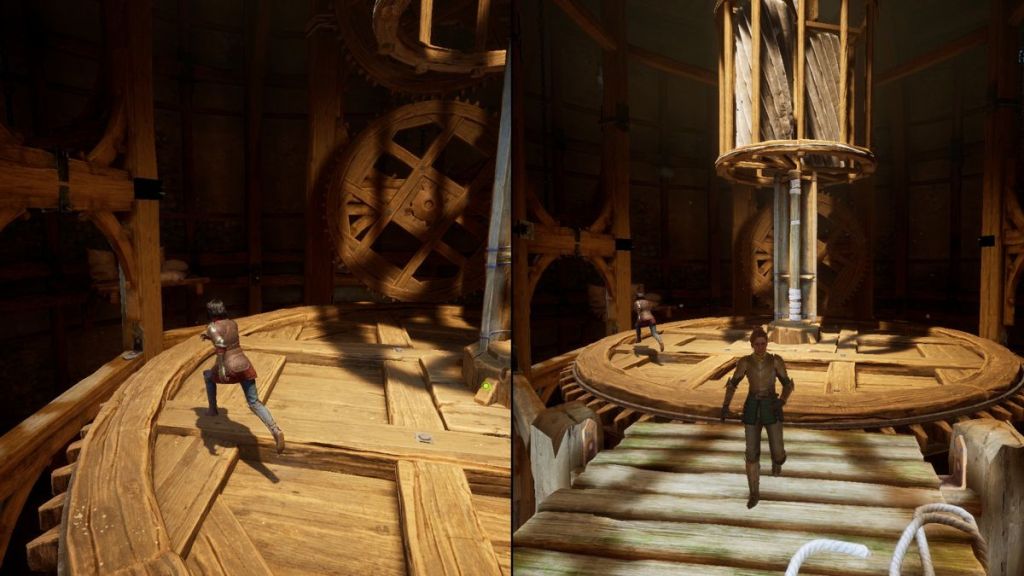
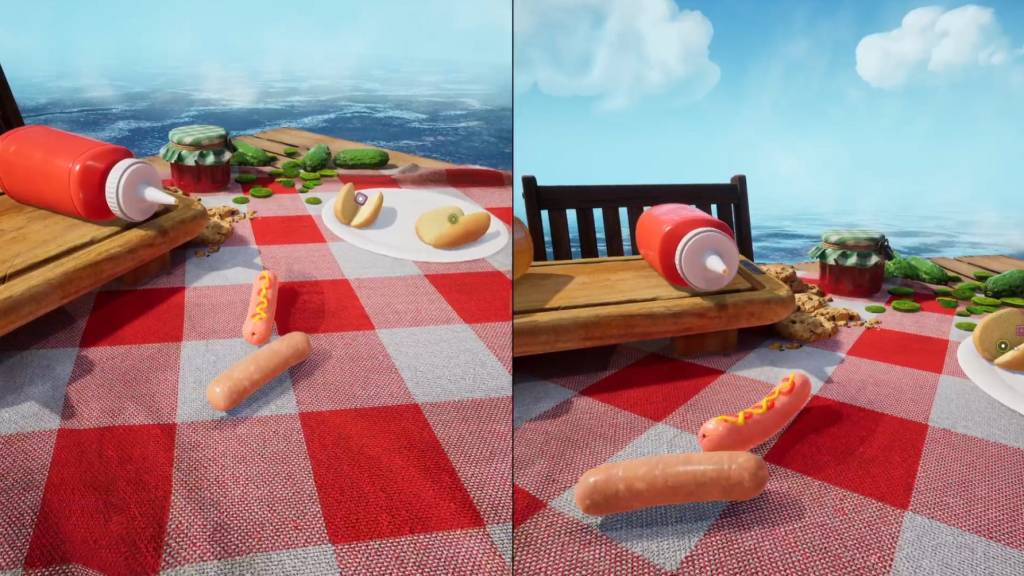
The most interesting ideas the game has are seen here. The highlight for me would have to be the one where you control a couple of pigs. In this, you live out essentially what I imagine a farm pig’s life is, and this includes getting to play as sausages and sliding yourself into hotdog buns. It’s unusual, something that would wear out its welcome if done over the course of a 40 minute level, but it’s perfect in a short burst. And the game has a lot of those.
Those little segments also help flesh out the protagonists. Early on, the characters are very one-note. You have one who is snarky and pessimistic and another who is cheerful and personable.
They obviously develop, but those first couple of levels would be a drag from a narrative standpoint without these little diversions. It gives you a glimpse into their backgrounds and hints that there’s something more there, it’s as though the game is pleading with you ‘no, no, we swear, Mio isn’t just a walking snark machine, she’s cool!’ Without these, I fear the first couple of levels would turn a lot of people off.
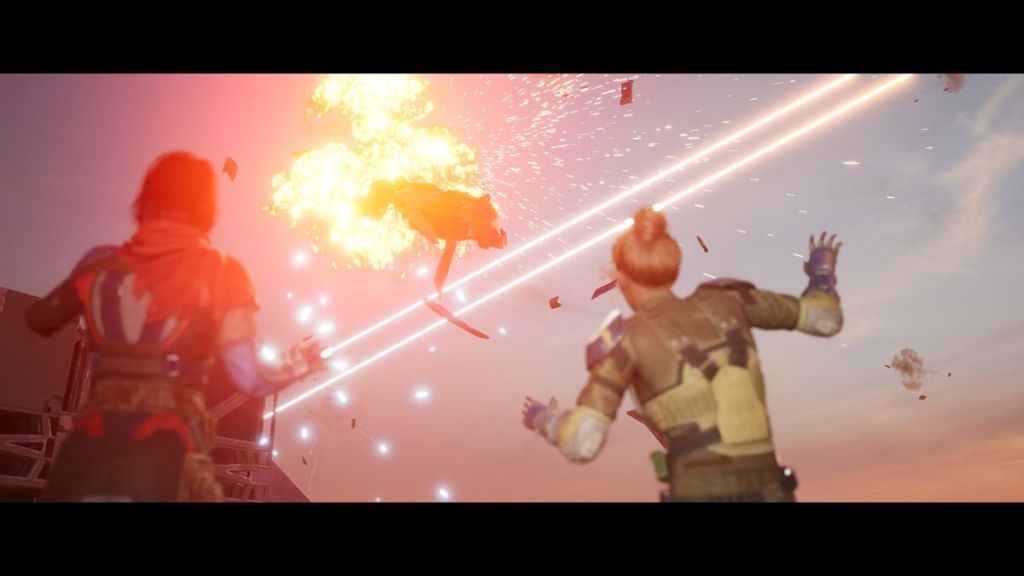
Couch co-op in 2025 often amounted to playing spiritual arcade beat-em-ups like Marvel Cosmic Invasion or Teenage Mutant Ninja Turtles: Shredder’s Revenge. These are all well and good, but this game brings with it a lengthy campaign. It harkens back to the days of Goof Troop on the SNES, much like all of Hazelight’s games, so if you’ve been itching for something like that, well, here ya go.
…And yes, you can play online, but I just don’t think a game like this would feel right without a person right there to experience everything with you.
4-) Death Stranding 2: On the Beach
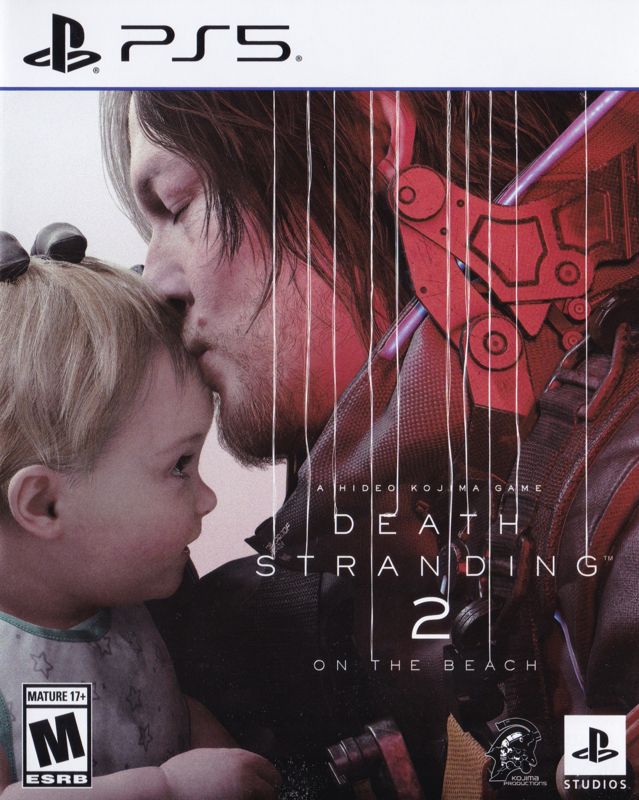
Did you know that Hideo Kojima left Konami in 2015? That means he’s been off Metal Gear for 10 whole years. This is the second game his studio has actually released and it’s better than the first in almost every way from a gameplay perspective.
The first game starts out extremely slow and focuses on terrain exploration and getting used to how this world works. This game assumes the player is familiar with this wacky world already and is more willing to throw you right in. As a result, the entire thing feels really balanced throughout and doesn’t seem like a slog in the early going. This probably will result in most people vastly preferring the overall experience of the second game.
And while I did like the drawn-out nature of the first game, I think I overall preferred the approach of the sequel. One of the things Death Stranding did really well was develop its characters and really immerse the player in this post-apocalyptic world. I think the sequel manages to replicate this while not being as much of a chore to actually play.
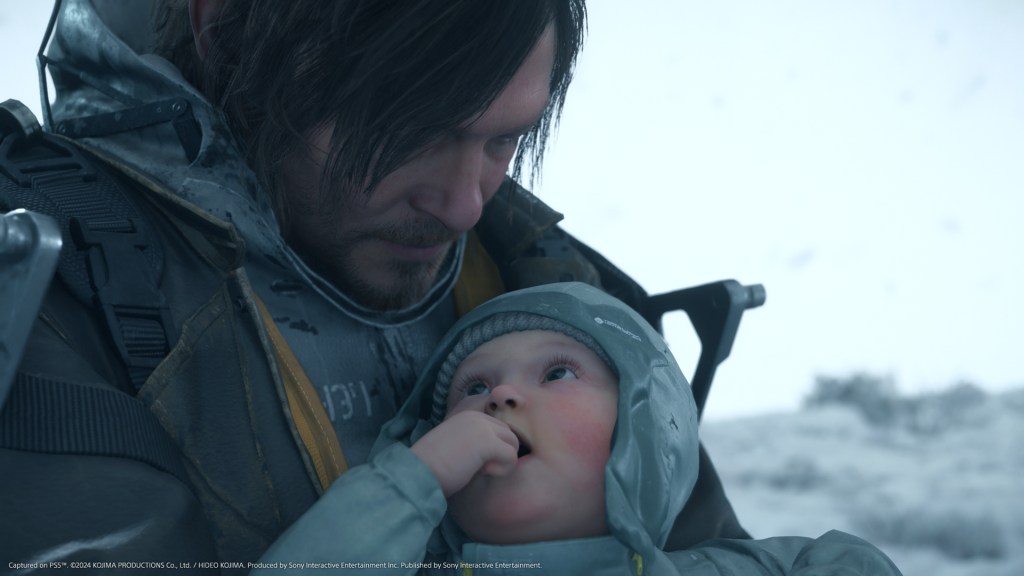
If I had to describe how exploration feels in this game, I’d say it’s like a spiritual successor to Metal Gear Solid 5. A lot of finding enemy camps and using all sorts of different gadgets to take down enemies. In short, I guess it feels like more of a traditional game than the original.
I mentioned Metal Gear Solid 5, so I’ll get back to the point I made above in my little ‘pre-show awards’ segment. The main narrative in this game has themes of moving on from what you have lost and embracing hopefulness in the future. The game takes this in an extreme direction early-on with the apparent loss of the main character’s, Sam’s, adoptive child Lou.
During the prologue, something happens where this kid gets killed. So the rest of the game becomes Sam trying to find a new purpose in life. He still can’t die, and this is shown to the player through repeated suicide attempts, so he needs to just move on.
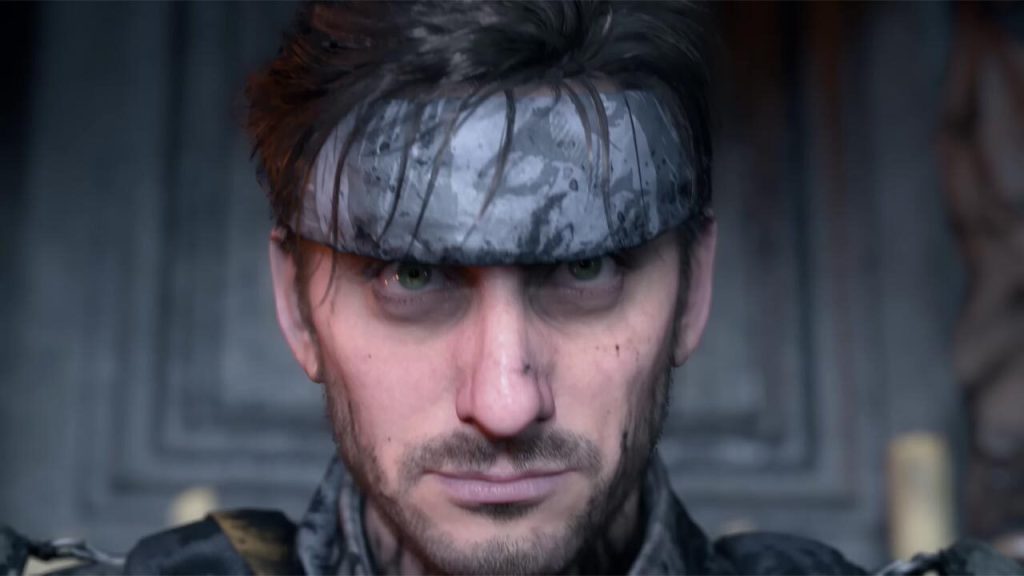
Throughout this title, there are constant references to the Metal Gear franchise. I mentioned how the final boss feels like a recreation of the final boss of Metal Gear Solid 4. Well, one of the main characters – Neil Vana – is shown to the player as essentially Solid Snake. He even ties on what looks-to-be the iconic headband. And every segment where Sam and Neil interact takes on a big squad-based battle that reminded me of things like the boss battle against Ocelot in Metal Gear Solid 3.
To me, Neil represented Kojima’s desire to go back and revisit the familiar. He was the old, the comfortable, something that Kojima missed.
But Neil dies. He is not alive during any point of this game. You’re more interacting with memories of him than anything else. So to me, I look at stuff like this and the early departure of Lou as a way of saying the following: Konami took Kojima’s baby and killed it. Neil represents Kojima’s nostalgia for the franchise that was once his and those segments are how he’s going to try to move on from the past. The whole game feels like Kojima wistfully thinking about the past while also trying to move on from it.
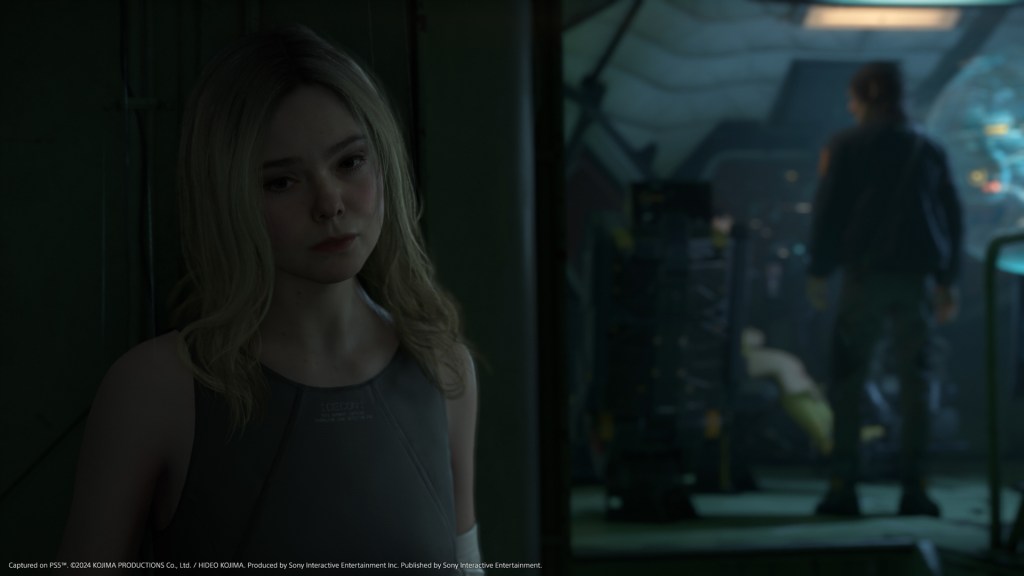
Turns out, Lou didn’t actually die. A late game reveal shows that Lou was stuck in an alternate dimension of sorts that aged her up quite a lot. This character is unrecognizable to Sam at first and truthfully, it took me a while to even consider the possibility. But eventually, Sam does recognize Lou. She is much older and has had her own life experiences, so after the events of Death Stranding 2, she goes off to do her own thing.
The game starts with the two of you living together in harmony. Harmony ends when the child gets ripped from Sam. The game ends with the pair still separated, but Sam in a better place.
I’m not sure how Kojima feels in real life about this – he said he wasn’t even going to play Metal Gear Triangle – but what this told me is that while he is no longer the main force in this things life, he is still there to watch it grow. He may not be responsible for whether that series lives or dies anymore, but he will always be its father. So he will just watch from the sidelines and see how it goes from there.
Sorry for making that read like a 20 hours youtube essay outline. But I think it’s important to engage with this game on both a literal and subtextual level. Anyway – if you have any love for Hideo Kojima, Metal Gear or Death Stranding 1…you probably owe it to yourself to play this game. It’s great.
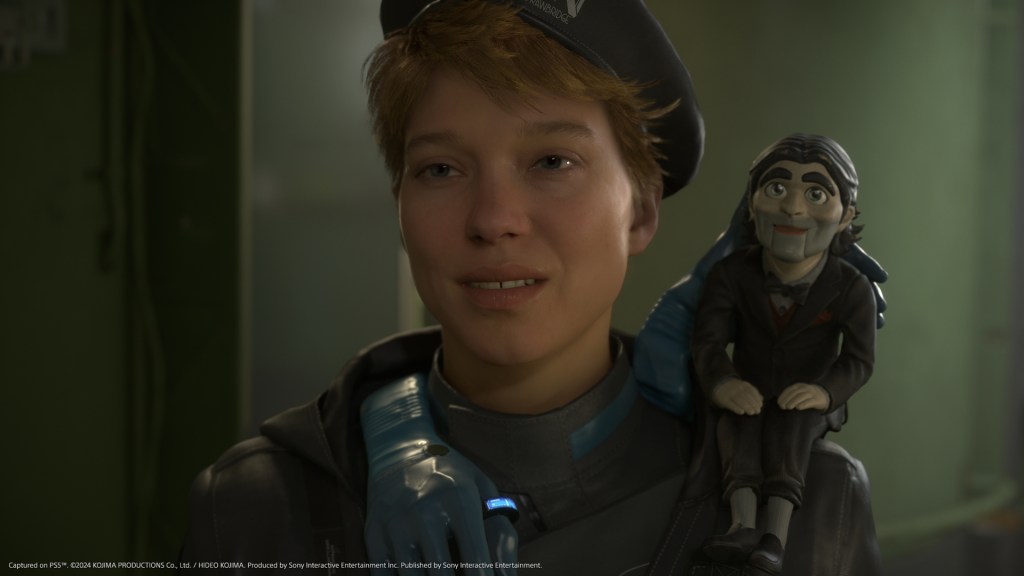
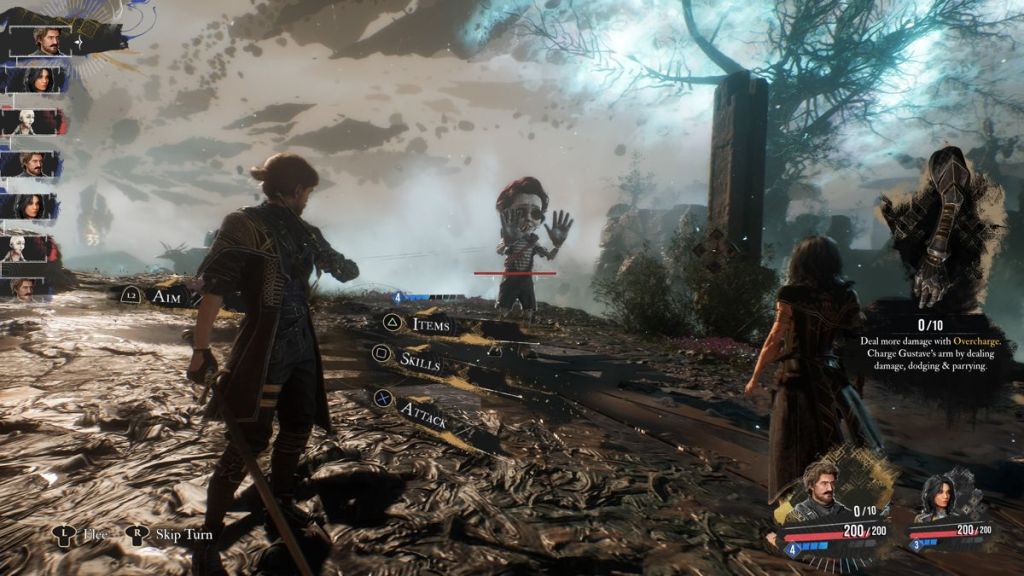
3-) Clair Obscur: Expedition 33
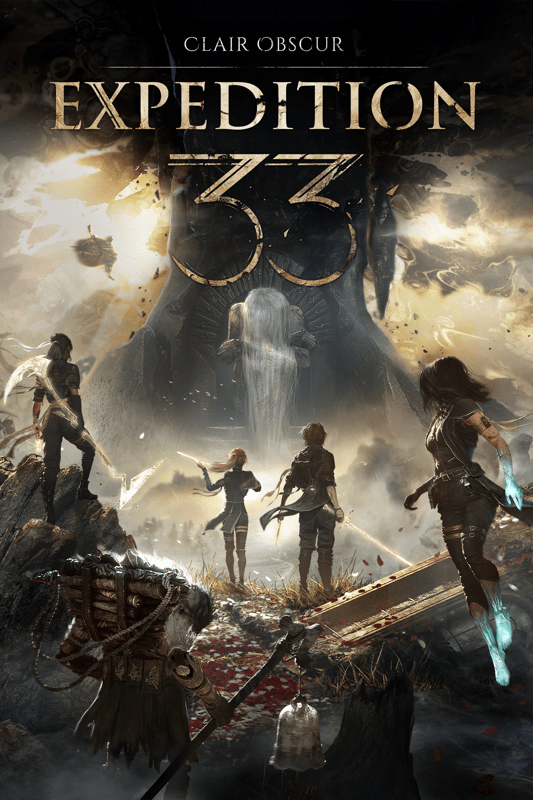
The darling of 2025 game awards and without a doubt one of the most annoying games to talk about online. Publicly post that there’s an aspect of a completely unrelated game that sucks? You get a throng of fanboys telling you that maybe you should play Expedition 33 instead. Publicly post that you like the game and think it’s neat? Horde of people saying you’re some sort of johnny-come-lately who doesn’t appreciate real turn-based RPGs. It’s insufferable and one of many reasons people should rid themselves of social media.
Here’s my take on it. I love it. It’s clearly made by people with a pure respect and admiration for a certain era of JRPGs. I think the world of Expedition 33 is really interesting and the overall main narrative is really compelling and will keep you guessing.
Is it the best the genre has to offer? Not even close. But it looks like a big budget AAA game – despite not being from a big studio – and it plays a lot like my favorite genre of all time. I think it’s something people can definitively point to when Square inevitably rolls out a more action-oriented FFXVII. “Hey, THIS game sold really well with turn-based mechanics, you should try it again too!” Shin Megami Tensei and Kiseki weren’t enough for them, apparently.
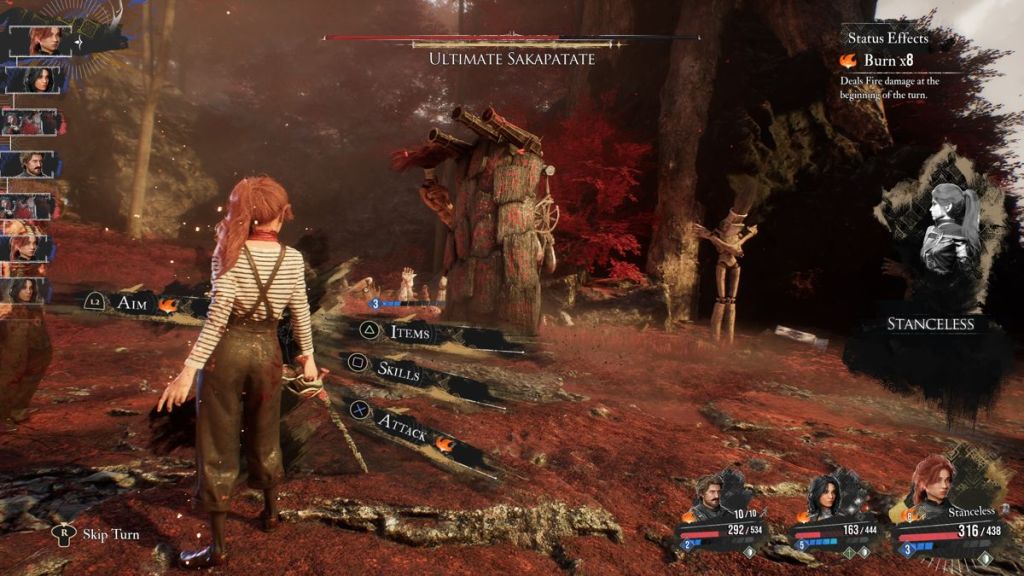
E33 feels like a modern game, but I think the way it approaches storytelling is more in line with classic JRPGs. If you play Persona 5 or Trails in the Sky: FC (or the remake of it), you’ll notice that every single party member is fleshed out. You also know a lot about side characters, too. Those titles are about building a meaningful story through character interactions and development. There’s stuff to learn about the world at large – Kiseki even offers newspapers that feature events unrelated to what you’re currently doing but do impact everything else on the planet – but the main narrative moves through the development of characters. E33 is not like that.
The main cast of E33 are not super fleshed out. It goes more to the old school Final Fantasy approach. Think of Final Fantasy IV. Most of the story of that game revolves around Cecil, Kain and Golbez. Other characters have personalities, but they are relatively minor. Most of what they do is in service to the main characters and helps to develop them.
The world you inhabit is the way it is, in part, because of those characters. When you get to the moon, what you primarily learn is in relation to these characters and the world as a whole. What can you tell me about Edge outside of the fact that he’s kind of a little dipshit? Similarly, what can you tell me about Sciel?
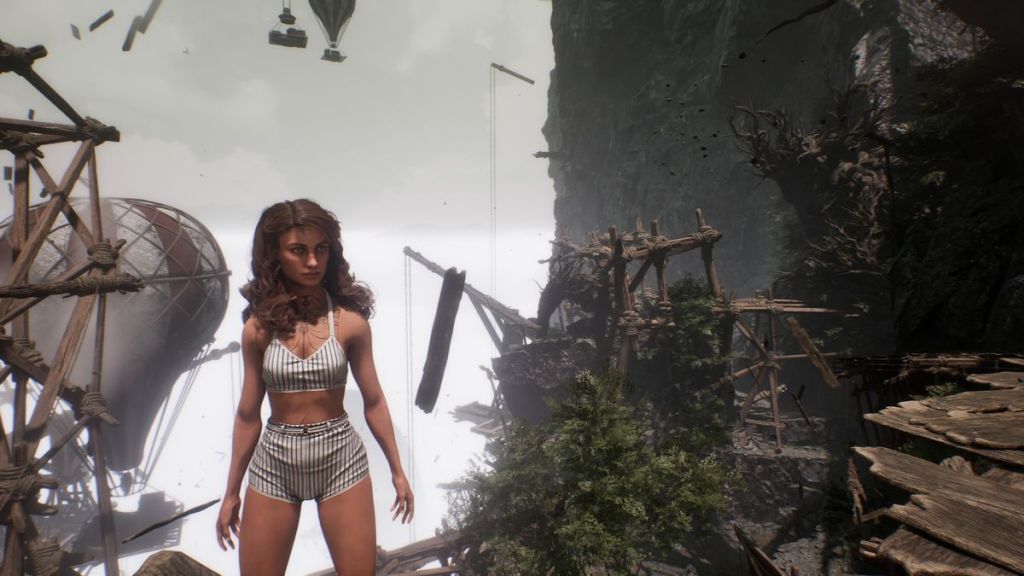
This game is much the same way. You learn about the world and the leads and the other characters are there to support it. The way this game tells its story is a mixture of modern cinematics and old-school world building. So I think that’s where a lot of the disconnect comes from. Fans of the genre in its modern form expect more characters to latch onto. If Maelle, Verso or Gustave don’t do anything for you…who are you going to care about? Lune? I love her, but you know what I remember most about her? Her going everywhere barefoot. That’s it.
Having said that, it’s number 3 for a reason. I absolutely adored E33’s world. I think the twist about how this whole world is really created by some feuding family is interesting and I do really like the main characters.
I also want to compliment how well they hid the main act 1 twist. Going into this game around when it first came out, literally all I knew about the game was that the main character looked kind of like Robert Patinson. Never in a MILLION years would I guess that they’d off this character and give us an “Aeris dies” moment in 2025. And I almost never saw this spoiled anywhere. Then going from there, you learn about how this world is actually a painting. I never saw this hinted anywhere, it was like the pre-Internet days for a big story were back. It was nice!
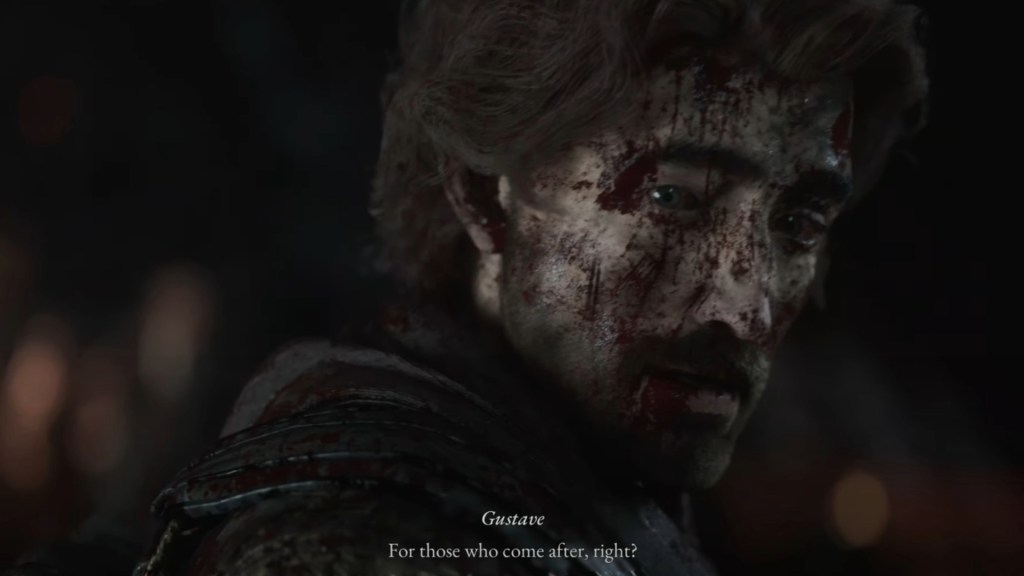
There is one thing I would change about this game: parrying. I think the mechanic seriously diminishes the strategy if the player is good at pressing the right button ad the right time. I was able to venture into areas I’m nowhere near able to handle normally and just win because I could figure out parrying. A lot of boss battles just involve dealing with long parry strings, which makes it feel like a big strategic element to combat is missing.
Buffs and nerfs don’t matter as much as the ability to press a button at the right time, and I’m sorry, that’s not what I came to this genre for. I still think some battles require strategy and planning, you can still turn a loss into a win by thinking about it, but it’s to a lesser degree than I’d like for a game that – whether it wants to be or not – is the face of turn-based RPGs at the moment.
Ultimately, this is a game you need to play for yourself. This is required homework. Turn off all of the noise around the game, don’t pay attention to social media, and just play it. Form an opinion based solely on your world view. If you hate it and think it’s a threat to the genre? I don’t agree, but I see where you’re coming from. Ignore the noise and engage with it like you would any other artform.
2-) The Hundred Line -Last Defense Academy–
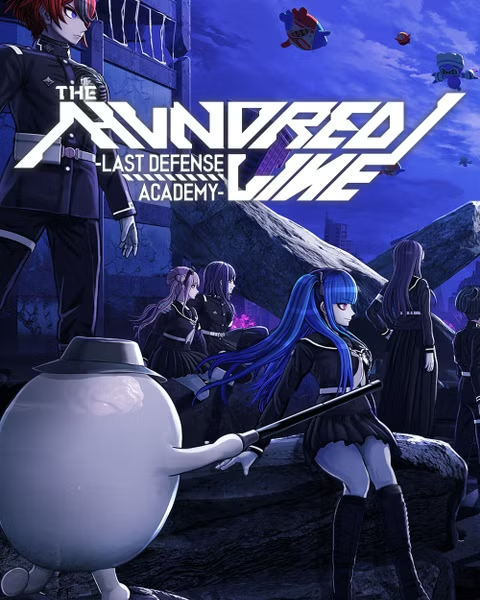
In the original version of this list, I ranked this game as number one but ultimately decided that I was being dishonest with myself. However, I want to be loud and clear, this is an amazing game that needs more attention.
I’ve said it a lot over 2025, but in five years, people are going to look back at this game and wonder why it got no recognition at award shows. This is going to be one of those gems that some youtuber is going to discover and it’s going to blow up with an audience that hadn’t heard of it before. So what I’m telling you is to invest early. I think this will be a big deal in a few years.
Hundred Line is a mixture of visual novel storytelling and strategic gameplay. It’s like a more text heavy 13 Sentinels. The gimmick is that the world has essentially been destroyed and your party represents the last of humanity trying to fight off an alien threat.
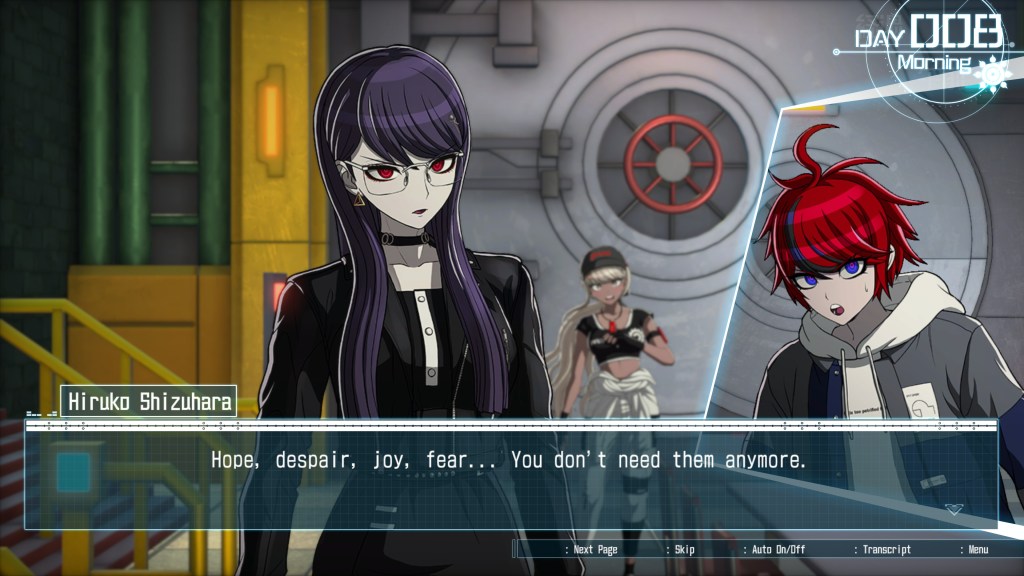
You need to survive 100 days in this school in order to unleash some super weapon and save humanity. Most of the 100 days of this adventure are chronicled – there are some time skips, but not too many. And then you hit the end of the 100 days and learn some interesting things and then it dawns on the player. All of this was a prologue. You don’t receive an ending for beating the first 100 days, instead you start over and the REAL game begins.
From there, you can experience each of the game’s promised 100 endings. After I dunno, I think it took me around 40 hours to get here, the game starts unraveling its mysteries. I will be up front with you, saying this game has 100 endings is a bit like saying those 100-in-1 video game carts they used to sell actually carry 100 unique games. No.
Some endings are just quick little YOU DIED things, but a lot of them aren’t. Several different arcs and scenarios become available to you based on your choices and all of them feel pretty fleshed out and unique. It’s one of those games you’re meant to come back to after an extended break and experience in a different way.
This is just crazy ambitious to me. It feels like four or five different games were shoved together into one. The amount of dialogue and writing in this game is legitimately crazy – especially when you consider that this game isn’t a pure visual novel.
There’s a gameplay element too! It’s a grid-based combat game – similar in feel to something like Fire Emblem or Final Fantasy Tactics though certainly different in mechanics – and as you’re experiencing your first run through the game it’s really satisfying. I had battles where I’d skate by on the skin of my teeth – I’d seriously have to think about each move.
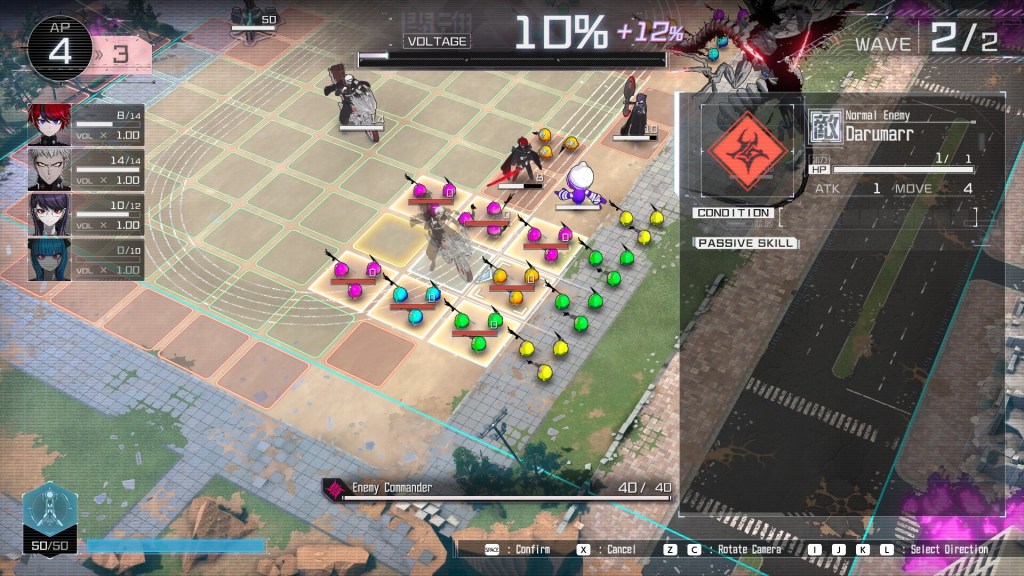
Unfortunately, as you get deeper into the game, the combat becomes a joke. It’s only fun to engage with for the ‘prologue,’ which happens to be the length of most full games.
But because of how this game is formatted, it makes sense for combat to devolve into this. The main character is essentially looping back to experience all of this shit over again. Since they lived it and have 100 days worth of experience already, it makes sense that battles would feel less tense after this point. In fact, you can just skip combat entirely if you’ve played a certain battle before. And I encourage you to do so, at some point the combat just gets in the way of the story you’re trying to unravel.
But hey. I adored 13 Sentinels: Aegis Rim and I felt combat in that game was far inferior to what you have here. So it’s something I can live with.
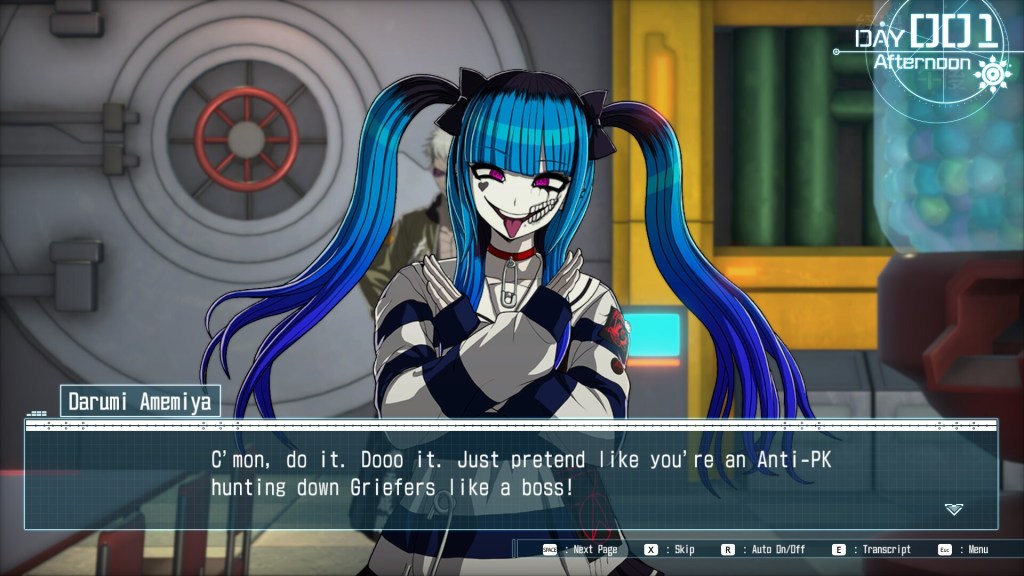
The one thing I will complain about is that I think they needed to reign it in with comedy. There’s a character the Internet loves, Darumi, who would just bug the hell out of me during big chunks of the game. Her gimmick is that she really, desperately wants to play a killing game. If you don’t know what that is, do a quick google search for danganronpa. But essentially the idea is that everyone is trapped in a location and the only way out is to murder one of the people trapped with you and to get away with it. If you get away with it, you earn freedom. If you don’t, you die.
So it’s real fucking annoying when you have a character spilling their guts about something serious only for Darumi to pop up with a “WHAT ABOUT DA KILLING GAME THING?”
However, there IS a killing game route here. And it’s probably my favorite one in the game and Darumi is made to be very sympathetic and interesting in it. So even something that annoyed the piss out of me in the first hundred days looped around to be endearing when the game decided to address it directly.
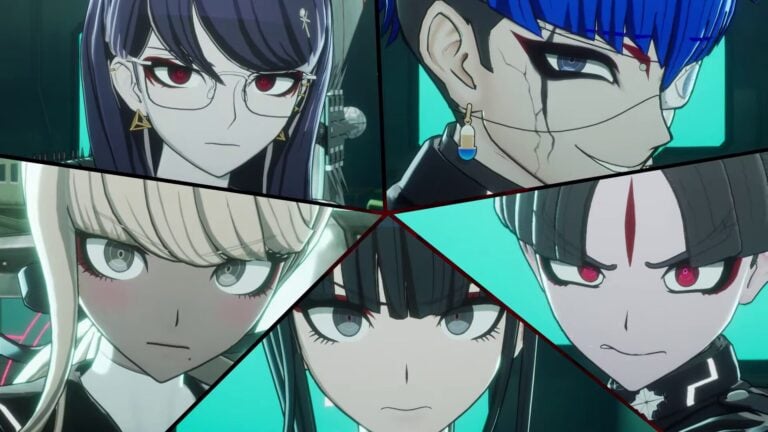
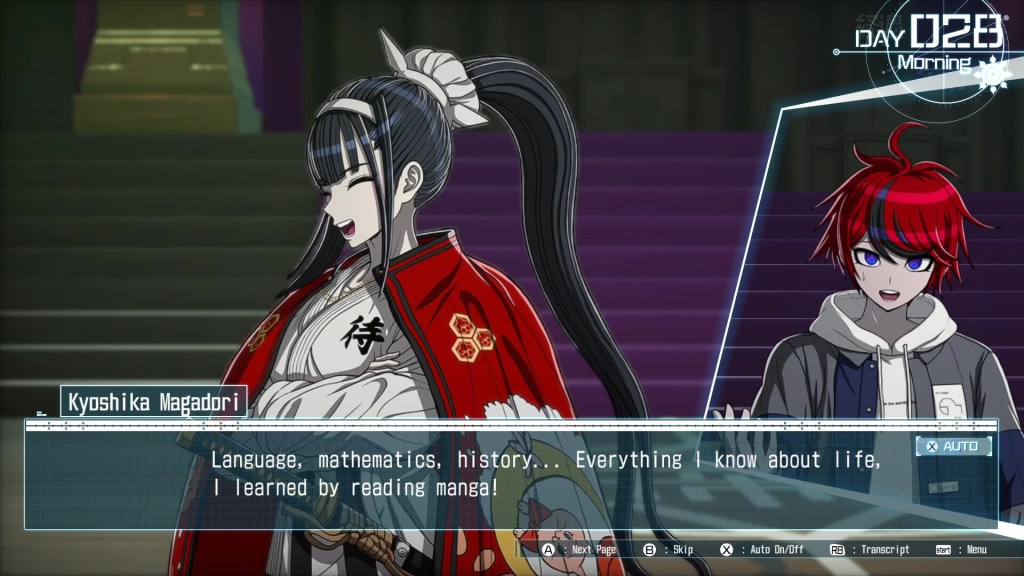
This is my way of saying that, if you like a character in this game, no matter how one-dimensional or comedic they may seem to be, they will get a mass of character development and an arc for them to feature heavily in. Did they die early in that initial 100 days? Don’t worry, you’ll learn more about them later. You will not be left out to dry. If you want more of someone, you will GET more of someone.
I have yet to finish all 100 endings. I will eventually. Unfortunately when I was playing the game every night, I stumbled onto a route that was heavy on exploration, which allows you to level up various stats. By the point I got there, I was basically beyond over powered, so it felt like this was just a route to max out stats I didn’t need maxed out. I didn’t find the narrative here super interesting, so I just burned out.
The more time I spend away from the game though, the more time I spend thinking about it. There are still things I don’t know about the world – each arc after the initial hundred days gives you some more info – and I find myself eager to just learn more. But I took this as the game telling me that I needed to take a break for a while.
This is a lot of text to say that this game is worth a try. If you fall off, sorry I steered you wrong, but I think this is a supremely unique feeling game in an industry that spends a lot of time not feeling particularly unique.
1-) Donkey Kong Bananza
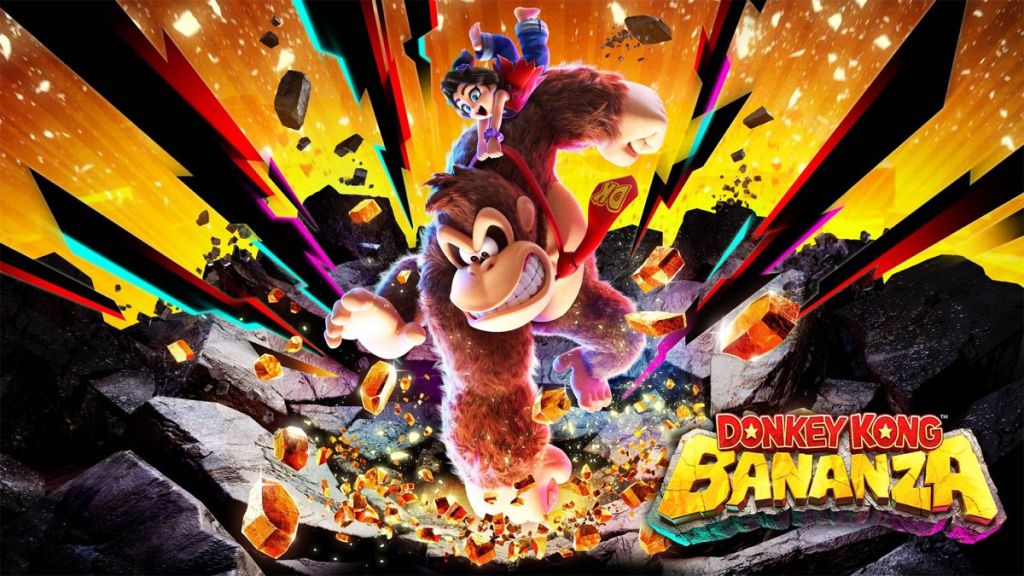
Turns out I’m just a big dumb fanboy who likes Nintendo. But hey, this is my list, and I gotta be honest with myself. After the initial Switch 2 Direct that unveiled this game, I thought to myself that this would probably be my favorite game of 2025. And sure enough, here we are. Donkey Kong Bananza is everything I wanted it to be and one of my favorite experiences of the entire year.
The very first thing I noticed about the game was the UI, which made it very obvious that the team behind Mario Odyssey made this one. I loved Mario Odyssey, so I wanted a direct sequel more than anything. And from that perspective, Donkey Kong delivered in a way I hope more sequels do.
It took various ideas of the original and fleshed them – but still did its own thing with its own ideas. Bananas replace moons and exploration is still the main way of finding them. But Mario involves using a variety of enemies and their unique moves to get stuff done whereas Bananza relies on the player using solely what is available to them.
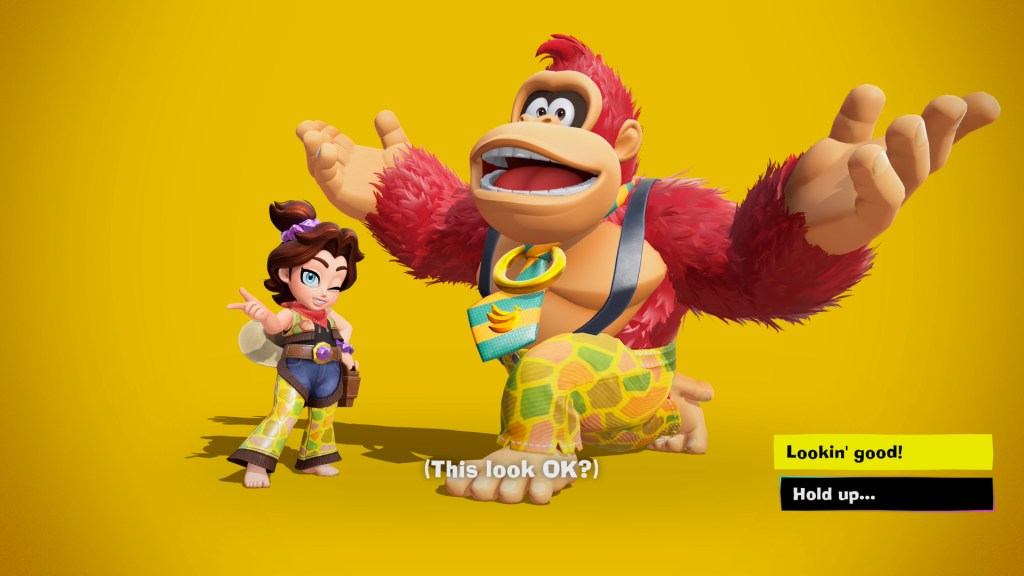
Odyssey involved exploring the world by taking it at face value. You see a moon somewhere and you might have to logic out how to get it. Can you find a way to platform up there? Can you find a unique enemy ability to put you in the right spot? Bananza instead relies on the player destroying the world and the environment in order to get a better grasp of it. Sure, there are certain abilities you need to achieve certain things, but Odyssey felt like the game creating a world for you to explore while Bananza feels like the player shaping the world for themselves in order to explore.
And that’s all well and good. As a Mario Odyssey fan, I felt like I got what I paid for. Another solid adventure with a billion different things to collect. I get why some people may not like this style, getting 100% completion can feel arbitrary and is something of a chore, but I just approach it like a buffet. I play until I feel like I got my fill and then I leave. Usually that just involves unlocking and beating all the ‘challenging’ content. And Bananza delivered that in a satisfying way.
When I grew up, I was heavily into the Donkey Kong Country games. I would stare at old magazines for hours and just wonder to myself how in the hell they could make graphics look that good. I know it seems baffling and laughable nowadays, but the idea that a home console could produce what looked like 3D art simply blew my mind.
On top of this, I thought the games were a lot of fun and had all sorts of interesting secrets to keep my mind racing. It’s hard to imagine now that the Internet can just dump the contents of every game the moment it came out, but there was always an air of mystery about things here. Would Cranky stop being a dick if I managed to beat the game without dying? Can I force DK to go back to the first area of the world map that represents his banana horde? Well, I don’t know, maybe!
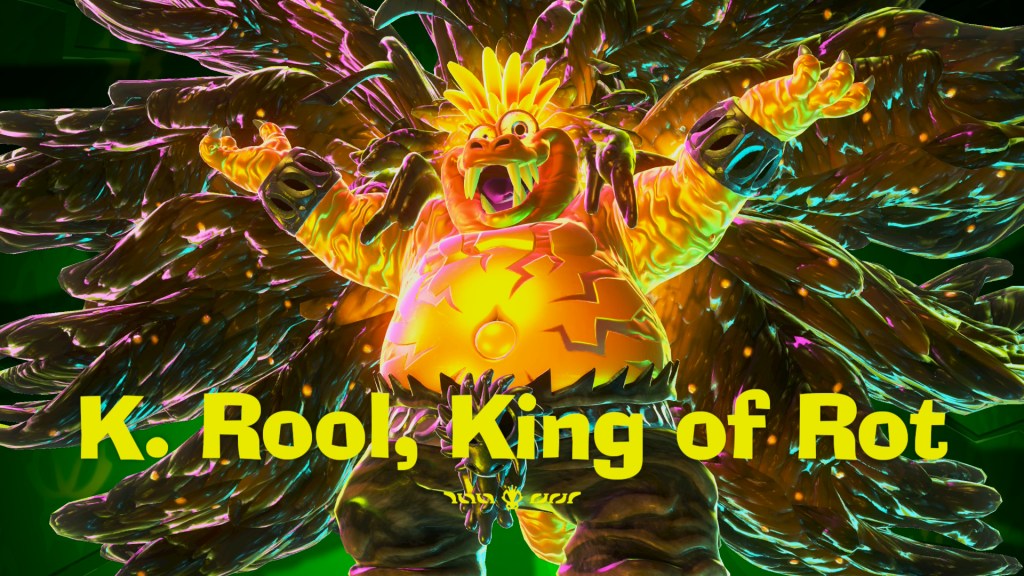
For most of Bananza’s run-time, you will see the occasional shout-out to Donkey Kong Country or even Donkey Kong 64. This feels expected to me. But what really carried this game across the finish line was the final moments, where they decide to become a full orgy of nostalgia. I won’t go into it since I mentioned above why the ending absolutely rules, but seeing the return of the Kremlings brought back a lot of those feelings of ‘this is a world of mystery’ to me. Hearing those same old enemy sounds just sent me back into time and I loved it. I couldn’t pull myself away from it.
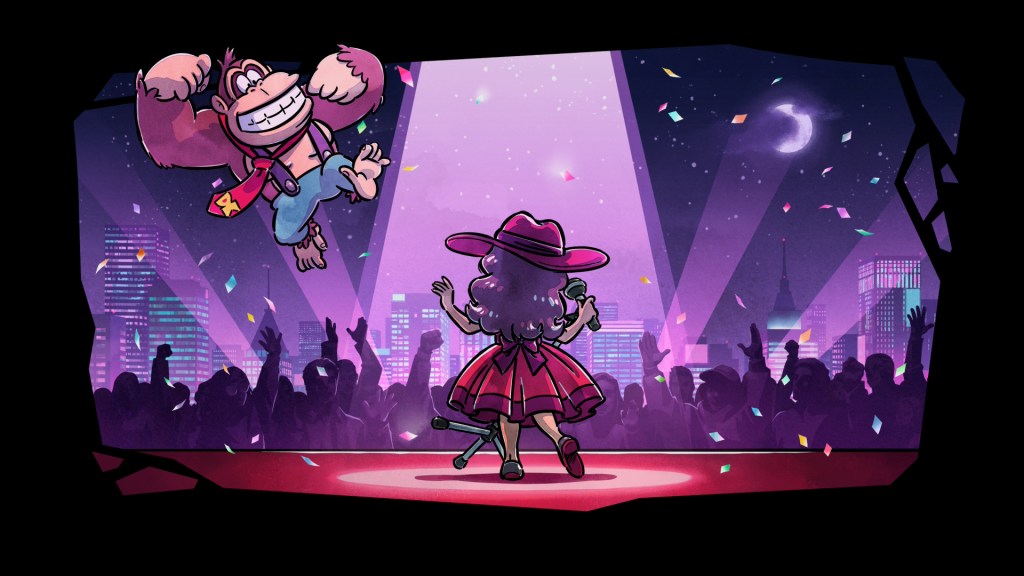
The game isn’t perfect. It probably isn’t going to be remembered in 10 years like the Switch 1’s big launch year game Breath of the Wild is. It’s a game that is best experienced by someone nostalgic for a certain era of the gorilla and a game probably most enjoyed by those who really liked Mario Odyssey. As someone who firmly falls into both of those camps, I came away from Bananza feeling like I played a masterpiece. I STILL feel something when I listen to ‘Break Through’ or the remix of ‘Gangplank Galleon’ on youtube. This is a game made for me and I wish to acknowledge it for that reason.
2026 website information
Thanks for making it through this gigantic list. As a small update on this website as a whole, I’m sure you’ve noticed that my output has been slowed this year. I’ve just been very tied up with work. It’s difficult for me to get through a shift and feel the urge to write a billion words on what was going on with Final Fantasy X-2. I just want to say that I still plan on finishing the series, but I’m unsure what game I’ll do next.
I have a big folder of PS2 and Steam screenshots of Final Fantasy X-2. I got to Chapter 5 somewhere in 2025. I’ll probably go back and work on that – no idea when or even if it’ll be next.
I don’t really want to cover XI or XIV because of the nature of those games, so I’m still pondering how to approach that. But I also don’t want to force myself to write it, because if I force myself through it, it’s gonna be shit. I’d rather deliver something I can feel okay with than deliver a forced thing just to finish an arbitrary goal that only I care about. And that’s a big part of why X-2 hasn’t been posted yet, I was forcing myself through it.
So, no promises, but I’d like to post about XII, XIII and XV this year at some point. I’d also like to do a lengthy dive into Chrono Trigger. We will see if I get there though. Until then, I at least will try to get better about occasionally writing a short piece. Regardless, thank you for checking out my site and indulging me by reading these absurdly long screeds.
 Vidya Thoughts
Leave a comment