
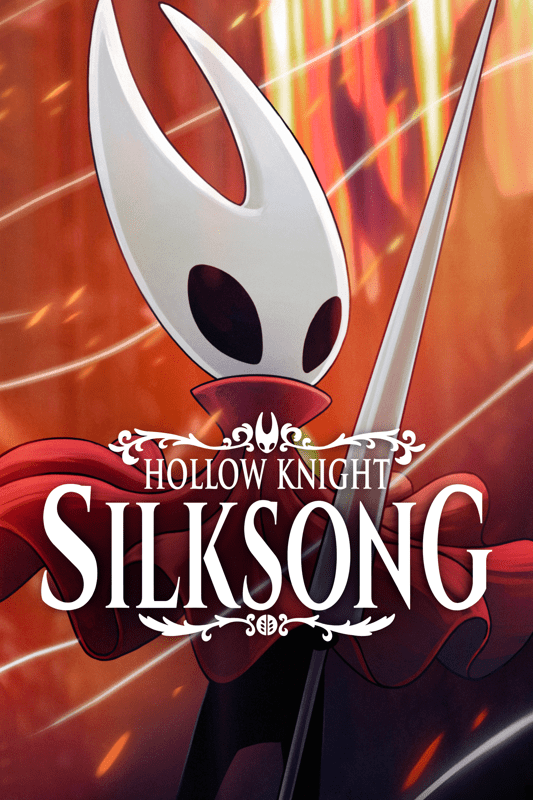
It’s been seven years, but Hollow Knight: Silksong has come out. Seven years of memes, seven years of asking ‘where is Silksong?’ after every Nintendo Direct and seven years of endless waiting. Everyone seems to be flocking to this bad boy, but despite the intrigue and the massive playerbase, there is an odor in the air.
Difficulty. The game is too difficult. People are crashing into a wall. 400,000+ people are concurrently playing on Steam and about half of those people are wailing in terror as the little bug men tear their little bug lady apart.
Initially, the idea that this game could be too difficult seemed laughable to me. I played the original Hollow Knight and, sure, it was no walk in the park, but it wasn’t brutally difficult or anything. Were the years of waiting and the memes contributing to players who had no experience with the original trying out the sequel? Was this a case of the game escaping its target audience?
The chatter didn’t stop. It became something that I needed to experience for myself.
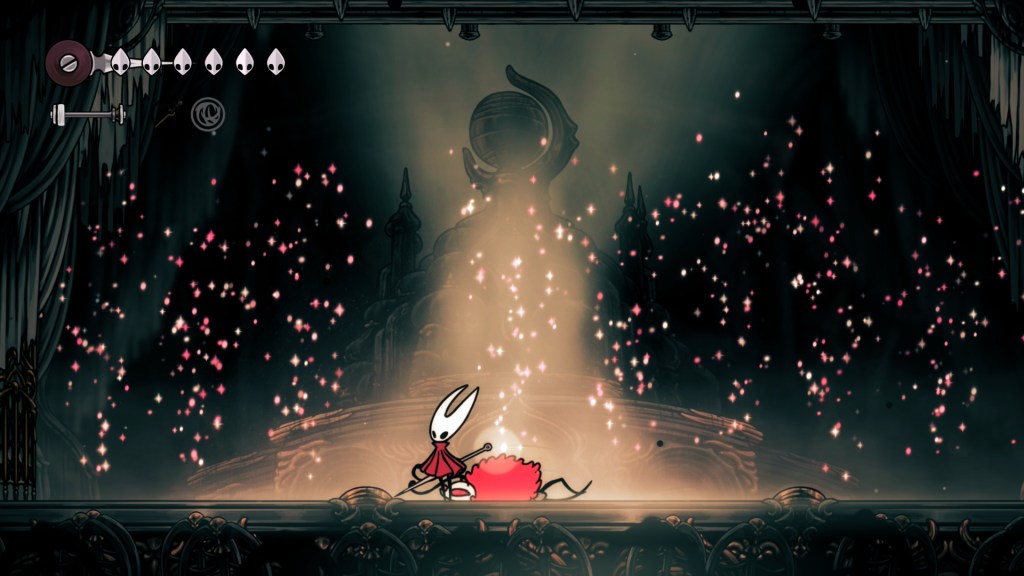
The people complaining online aren’t totally off base. It’s just the wording isn’t quite precise. The game is definitely hard – the highlight of the Silksong experience is the boss battles. They require lots of patience and strategy. The player needs to choose their spots when attacking, they need to be aware of the game’s physics and they need to watch their enemies like a hawk. For as groan-worthy as people referring to everything as a souls-like experience is, these boss battles really would feel right at home in a Souls game.
The ‘difficulty’ problem occurs with everything around the boss battles. Silksong is a, for lack of a better term, metroidvania title. These games thrive on player exploration. You’re supposed to uncover the world map slowly, see areas blocked off and return to them with new powers in order to discover MORE areas. The world is supposed to be full of mystery and begging for you to explore every inch. In Super Metroid, do you need every bomb powerup? Of course not. But finding them is enjoyable.
And just like Super Metroid, Silksong has a lot for the player to discover. The problem is with how the game goes about doing this. The overworld is crawling with bulky enemies that take several hits to kill. These enemies aren’t particularly difficult, but they are time consuming. They often get in your way and force the player to interact with them. Some of them don’t even drop currency, they just exist to get in the way.
At the beginning of the adventure, this isn’t so bad. Silksong’s protagonist, Hornet, doesn’t have a lot of abilities. So enemies that get in the way are all ground based and can just be killed by mindlessly swinging your blade. Sometimes you can even jump over them! It can be annoying killing a horde of enemies and walking away with almost nothing, but exploring areas isn’t hindered by it.
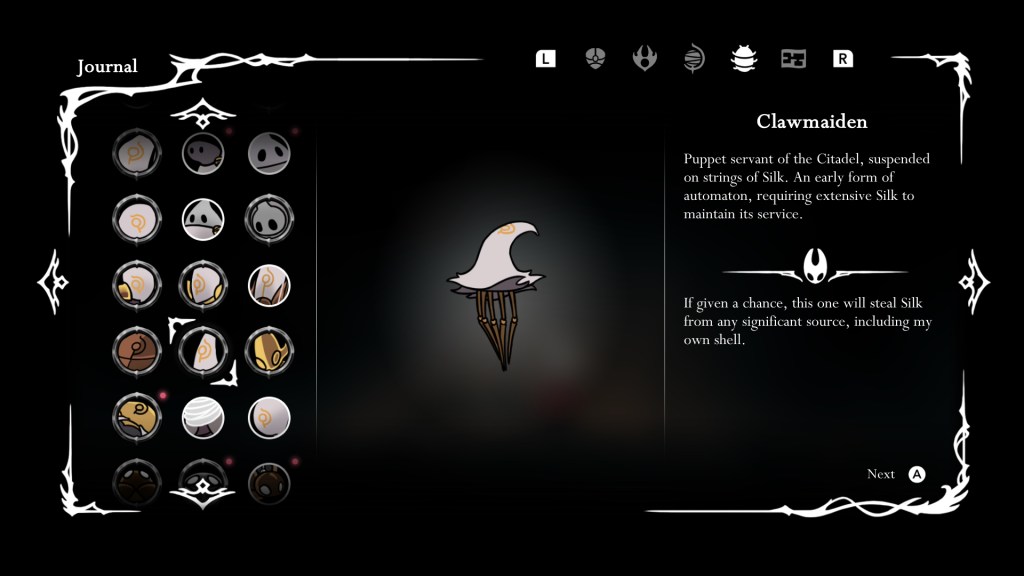
But as Hornet gains more abilities and earns access to more areas, these enemies start to become more tedious. There will be platforming sections that require a lot of jumping and smack dab in the middle of those segments is a flying enemy. This flying enemy is a spawn of satan and only exists to infuriate the player. These baddies seemingly read the player’s inputs and jump away as they come in to attack, so a balance of platforming and combat is needed.
This would be fine if they went down in a hit or two, but instead some of these baddies take five or six hits. This means having to watch your enemy closely while they launch attacks at Hornet and then picking a moment to retaliate. The difficulty in figuring out how to do this comes in the first couple of hits, once you get used to the terrain and what it takes to fight, the challenge has been overcome. But that’s just two hits. You might have four more. So you’re stuck in an annoying loop fighting an enemy that demands constant attention and isn’t easy to just run past.
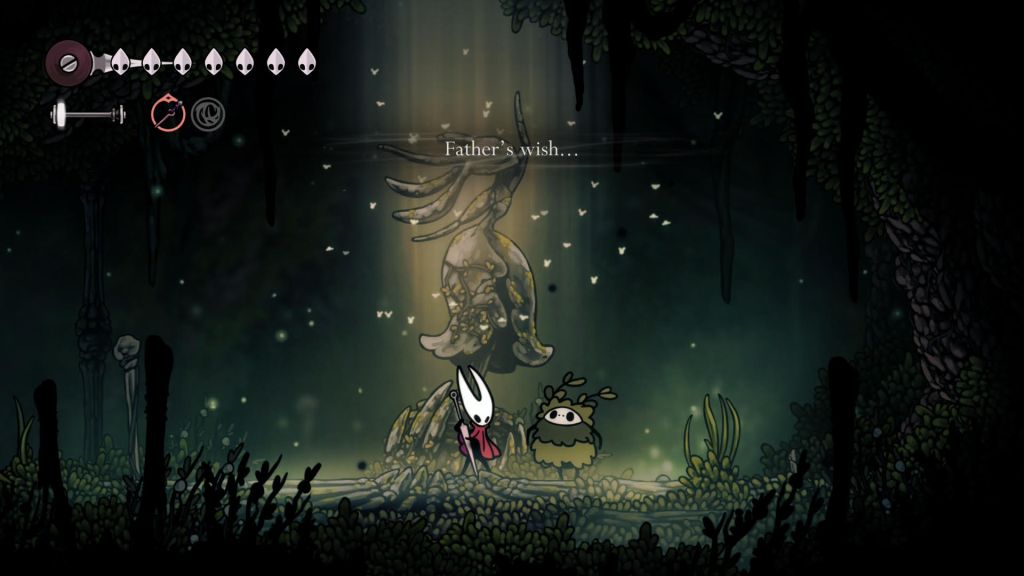
This becomes most annoying during corpse runs. Every time a boss kills the player, and this happens a lot, Hornet needs to run from a checkpoint back to the boss in order to re-engage it. Some corpse runs are pretty convenient, but some require a lot of repeated platforming. And with that comes annoying enemies that need to be worked around in order to get to the actual difficult enemy that’s compelling. This leads to having specific instances of generic monsters that are absolutely infuriating.
What I remember most is the corpse run following the Last Judge boss at the end of Act 1. Last Judge is a brutally difficult battle that requires a lot of focus – it’s extremely rewarding and might be my favorite fight in the game. When I won, it felt like a total triumph.
But the corpse run is ridiculous and there is one particular little bug on the way that would always block my path. If I didn’t time a dash jump JUST RIGHT it would always fall down and hit me and if it hits you once, it just blocks your path forever. So now I need to engage this fucking bug for four hits of damage while evading its attacks. It slows you down and if you suck ass at this particular boss like I did, you deal with this scenario a lot.
It’s time consuming. The boss itself? Difficult. The run back? Annoying. Because of this, I will see paths that feature enemies like this and feel a sense of dread in my stomach. So do I go and tango with more of these guys to see more of a world that will undoubtedly just toss more annoying things at me until I get to the boss fight that I actually want to engage with? Or do I just plow forward?

This is a genre that is built on exploration, so why is exploring such a drag? Adding more hit points to an enemy doesn’t make it more difficult. One of my favorite parts about Metroidvanias is the victory lap. I think back to Symphony of the Night and the best part of the game is how absurdly strong Alucard gets. When you’re going through the inverted castle at the end of the game, enemies just melt in front of you. It makes all those early game struggles feel worth it, you feel a real sense of power progression.
In Silksong, you never get that sort of feeling. I only went back to earlier areas in the game in order to find power-ups I missed my first time through and even with a couple of different weapon upgrades, enemies were still taking too long to kill. Spongey! I could not just sleep walk through a zone, I had to focus on flying fuckers and target them two or three times in order to do what I want. Each new area you encounter is harder than the last, so unless you backtrack to the beginning of the game, you never get that victory lap. As Hornet grows, so grows the rank and file.
I knew very well when I rolled credits that there was an Act 3. I had a lot of fun with the bosses of Silksong, so I had to think hard about whether I wanted to continue the adventure. I decided to look up how to get Act 3 and what Act 3 even entails. To unlock it, you need to do basically everything in the game, which involves exploring areas that I already think are annoying to explore. Then, in act 3 itself, the world gets rearranged and you have to fight hordes of enemies that take too many hits.

Not engaging further was an easy call. For as beautiful as the game is, for as fun and engaging as those boss battles are, it’s just not worth the annoyance that comes along with it. As a friend of mine put it, if world 1-1 of Mario was developed by Team Cherry, the very first goomba you see would require four jumps to kill. Hard? No! Annoying? Yes!
Since the game’s highs are all centered around boss battles, I think Silksong would be drastically improved if it became a boss-rush style game. Basically, if you turned Hornet into Cuphead, this game becomes an all-time great. If you strip everything metroidvania from the game, it instantly becomes better. And unfortunately, I think if a game fails at excelling in the genre it is objectively in, it really can’t be called a masterpiece. A great game, sure. But a masterpiece? No.
 Vidya Thoughts
Leave a comment