
- My personal relation to FFX
- Background info
- Linearity
- Father issues
- General gameplay
- Blitzball
- Major Characters
- In conclusion
About this retrospective: I’ve noticed a lot of chatter online about Final Fantasy X’s remaster when compared to the original, namely how the remaster doesn’t receive a lot of the same amount of flack remakes of the older games received specifically in regard to aesthetic differences.
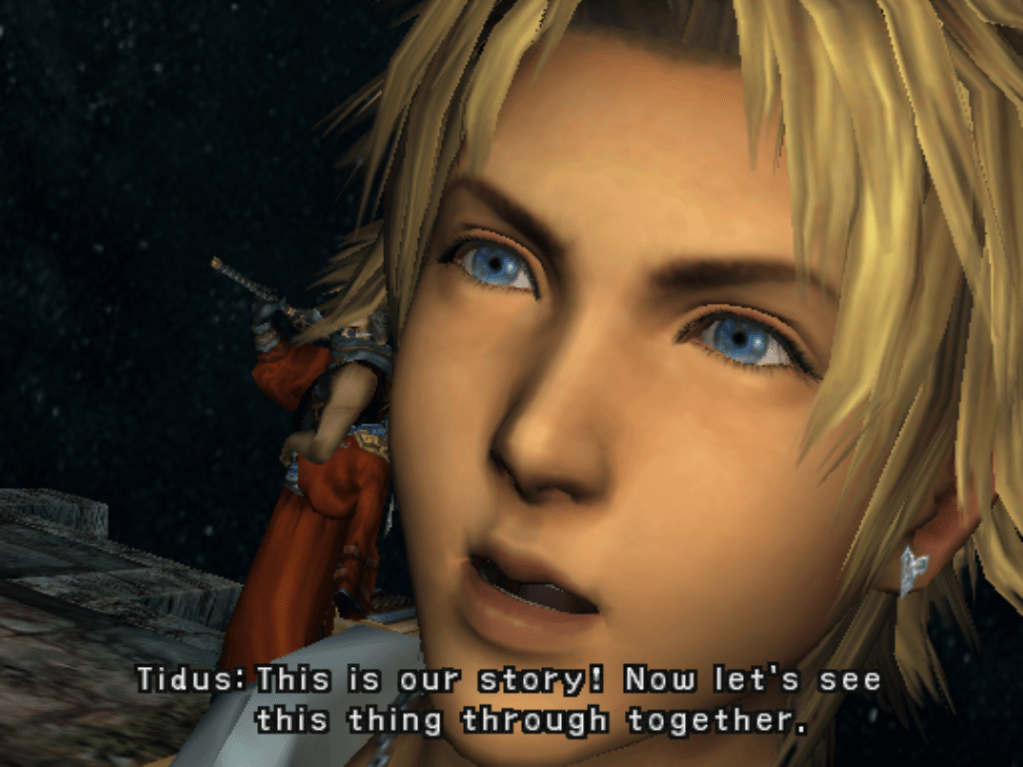
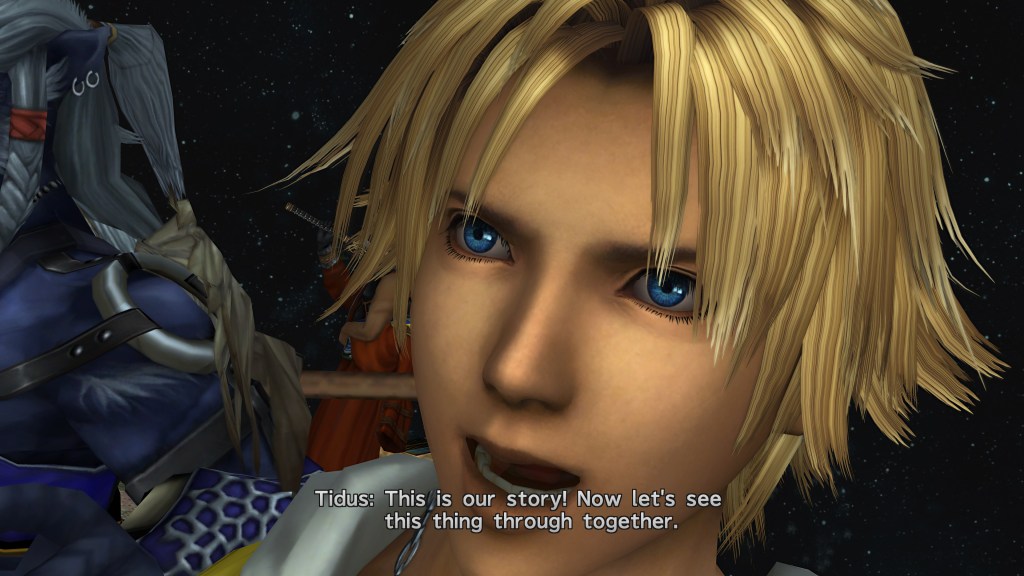
Since this aspect of FFX doesn’t get talked about as much – in the mainstream anyway, I know plenty of hardcores have mentioned it – I have decided to do something different for this review. I played both the NTSC U PlayStation 2 version of Final Fantasy X and the Final Fantasy X/X-2 remaster on steam simultaneously. As in, one controller input from me made actions in both games. This was made in an effort to capture side-by-side screen shots of the adventure and let you decide for yourself which is better.
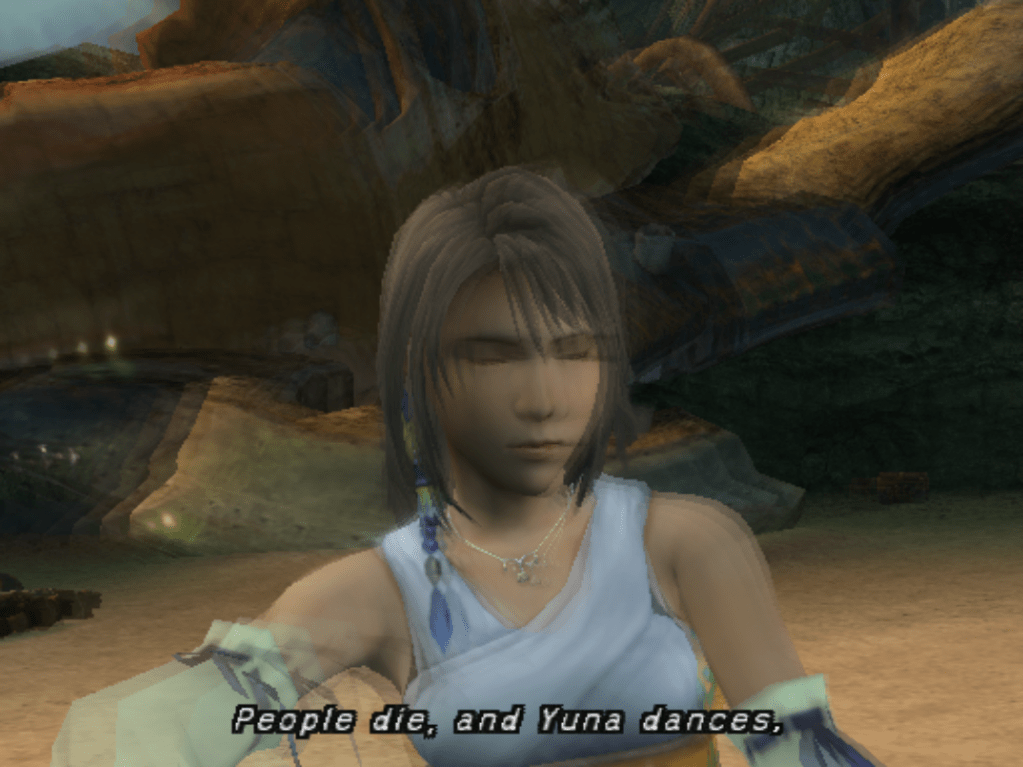
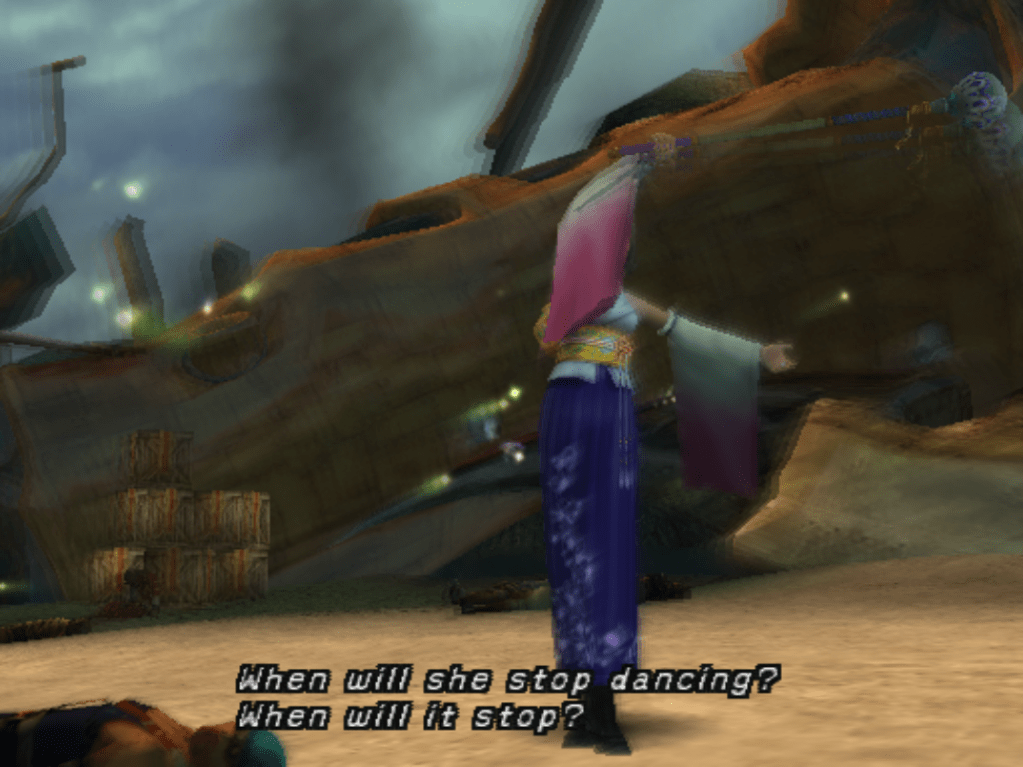
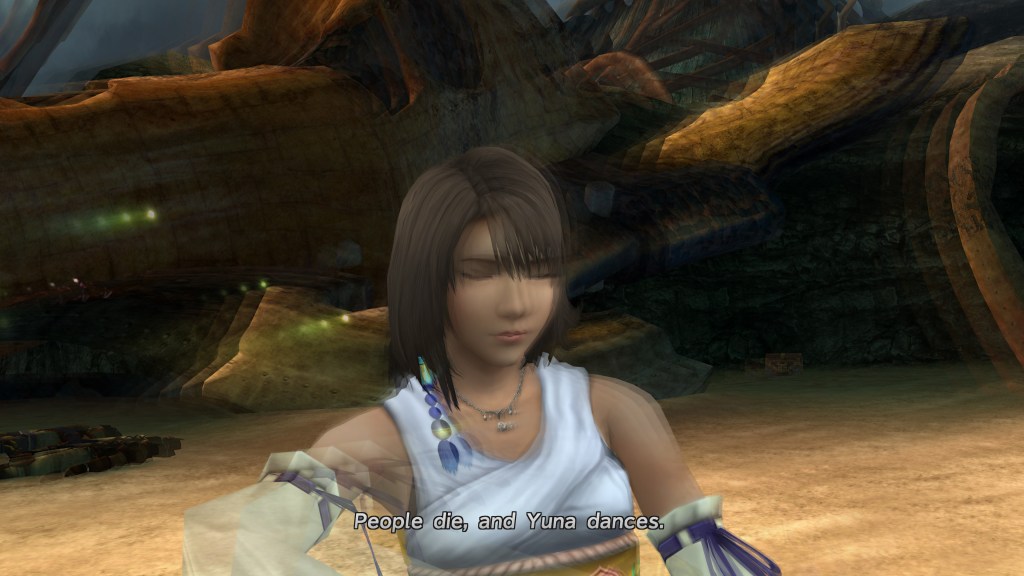
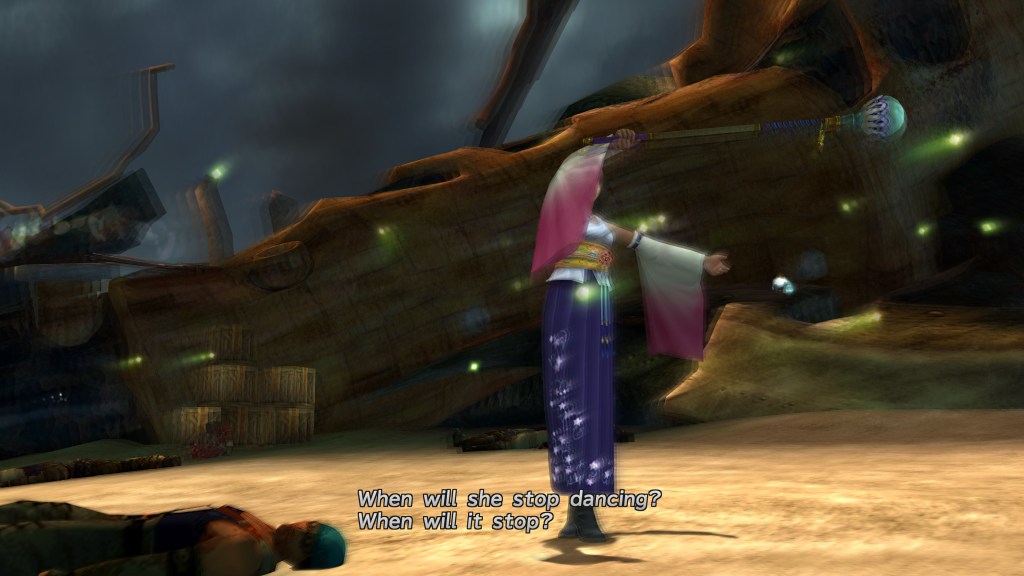
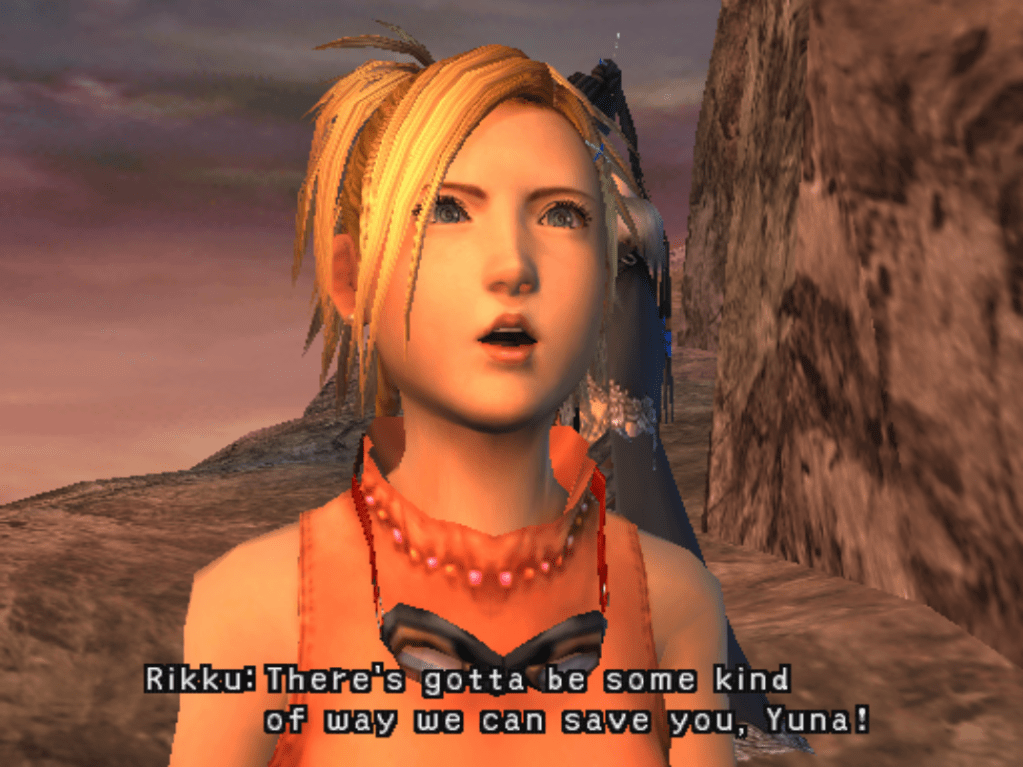
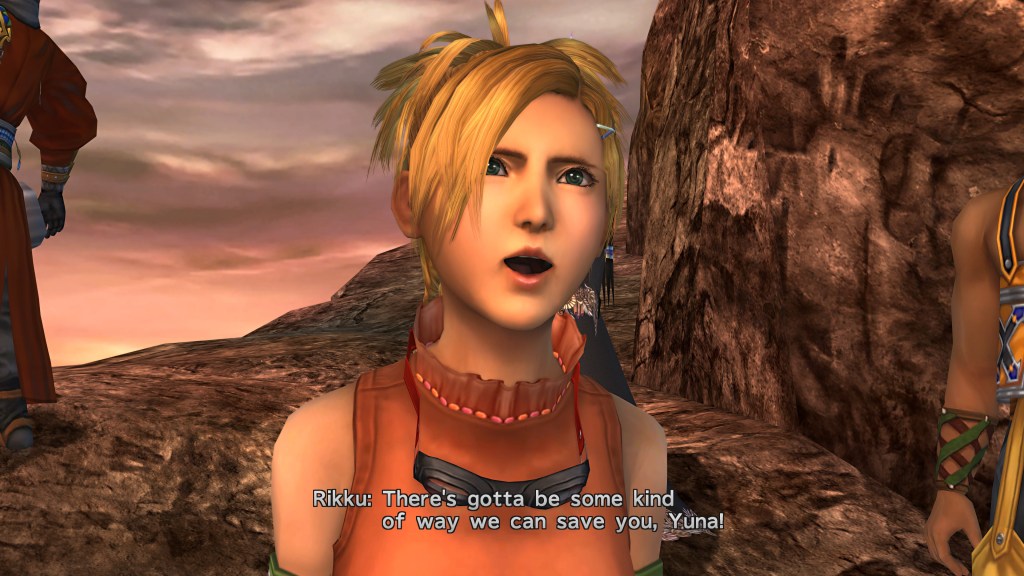
PS2 version will be on the left, remaster will be on the right.

Of note, the PS2 version is being played at native resolution. I do not feel it is a fair comparison to render the original game at 4x native resolution (or more) and then put it side-by-side with a different version of the game that doesn’t offer anything like that. I also feel native does the best job of capturing what the developers were going for with the aesthetic presentation.
There are a couple of early game screenshots I took before I made this decision that might sneak their way into this review and I apologize for that.
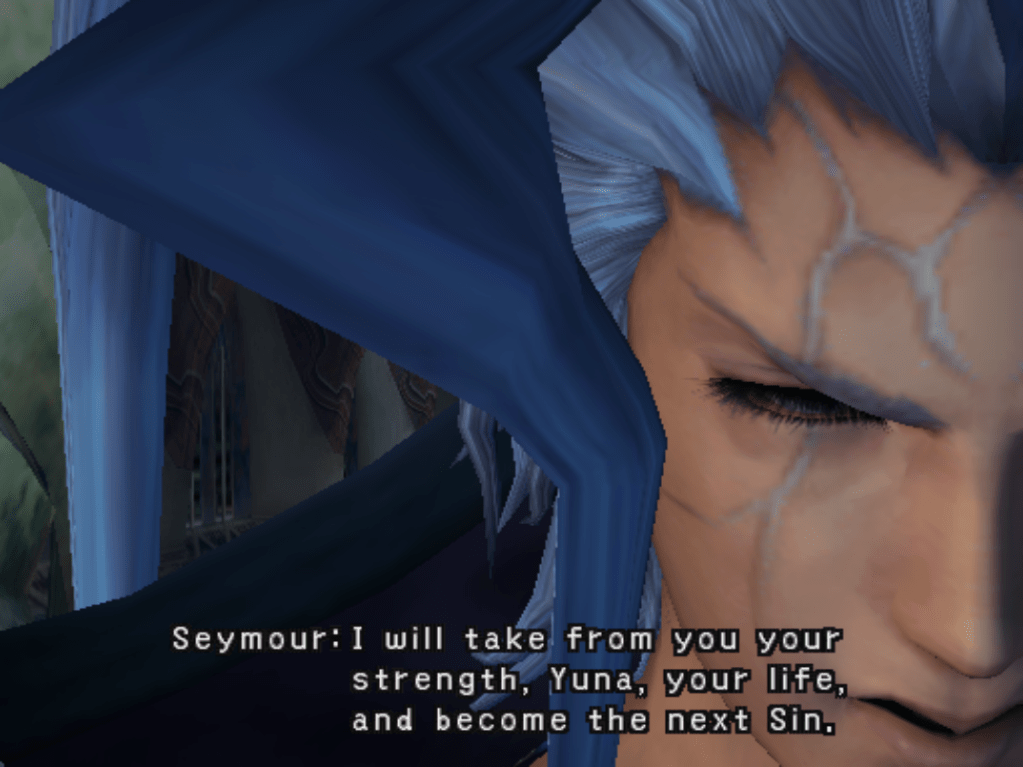
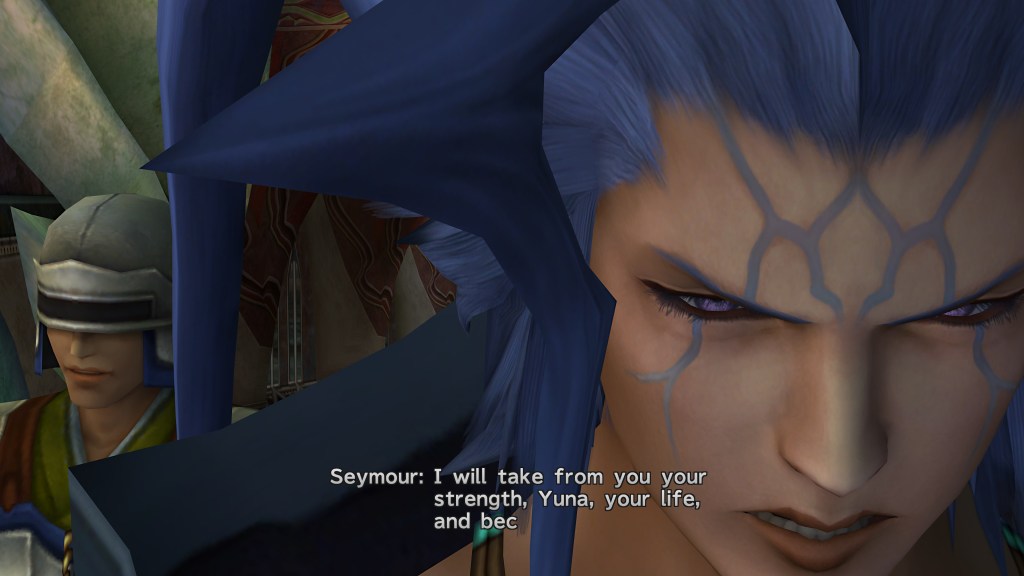
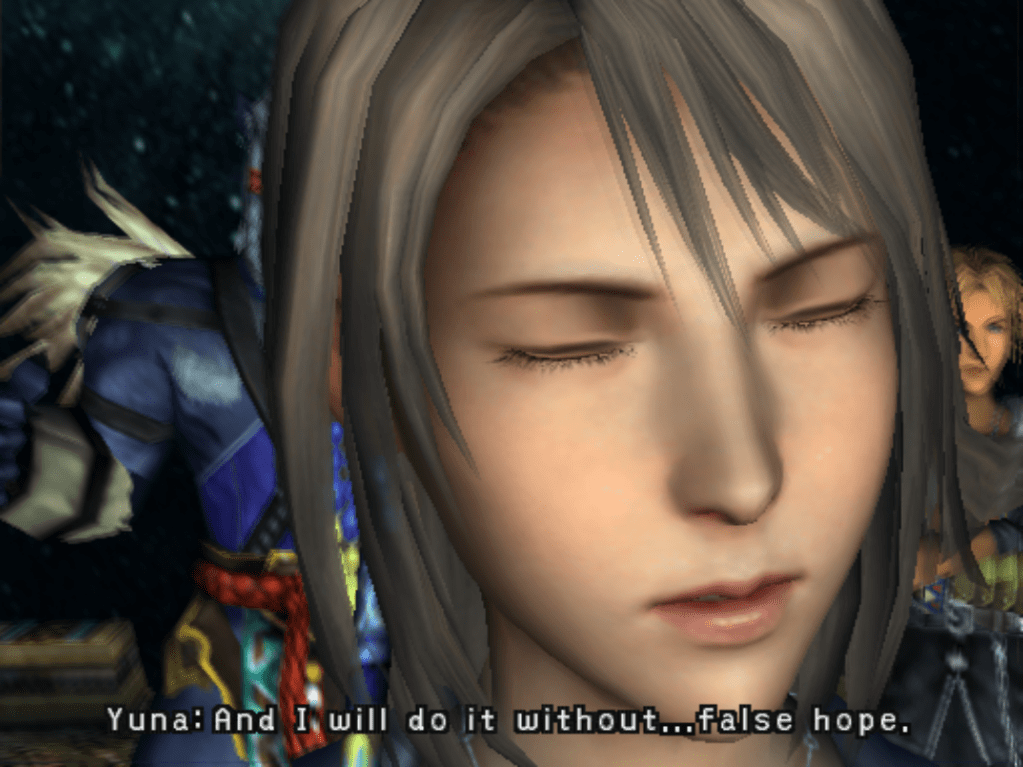
The only thing I will say about the comparisons is that I think something with the game is lost in the transition to widescreen and new models. Certain characters and their emotions look noticeably worse in the remaster – in my opinion anyway – and I think certain scenes lose some of their cinematic feel in the transition. This little snippet of one of the game’s main antagonists, Seymour, shows what I mean by that.
Life changing experience
Final Fantasy X is probably the video game that has had the most impact on my personal life. Very few times can someone point to a piece of media and say ‘I have no idea where I would be right now without this’ but I absolutely can with Final Fantasy X.
I think it was the single most excited I had ever been for a video game. The only thing that even approaches it is Super Smash Brothers Brawl several years later. FFX came out too late in the year to be an actual Christmas present, so my parents agreed to take me out to Walmart on December 26, 2001, in order to secure my copy.
Yet, there was a grating anxiety in the back of my mind. Christmas that year was to be spent with my grandparents in Arkansas. I was used to the far larger Colorado city I was living in at the time, everything in Arkansas was a far-cry from that. What if the store there didn’t HAVE the latest Final Fantasy game? What if the voice acting was tailored to the south and the main characters said stuff like: “YEEHAW YUNA LET’S MOSEY ON DOWN TO THAT DANG OL SIN.”
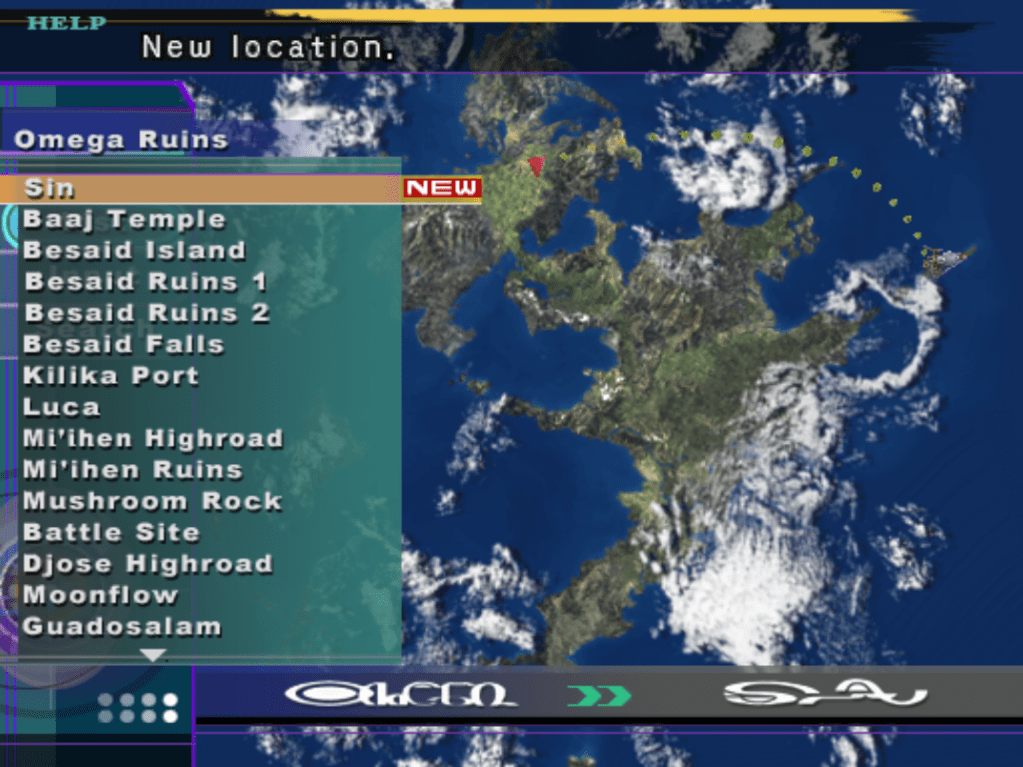

My hype for this game was so intense that I was convinced there were multiple English voiced versions of the same game. Nonsensical? Absolutely. But teenager me was so scared of being stuck with the Southern-drawl version of Final Fantasy that it kept me up at night. Luckily, Dec. 26 came and the Arkansas Wal-Mart not only had the game, they also had the same English version of the game everybody in this damn country got!
Kids are dumb, what can I tell ya?
My first memory with FFX is playing it non-stop at my grandparents’ house. We were supposed to go see Lord of the Rings: Fellowship of the Ring at the theater and I was trying to stall because I was DEEP in the throes of my Final Fantasy adventure.
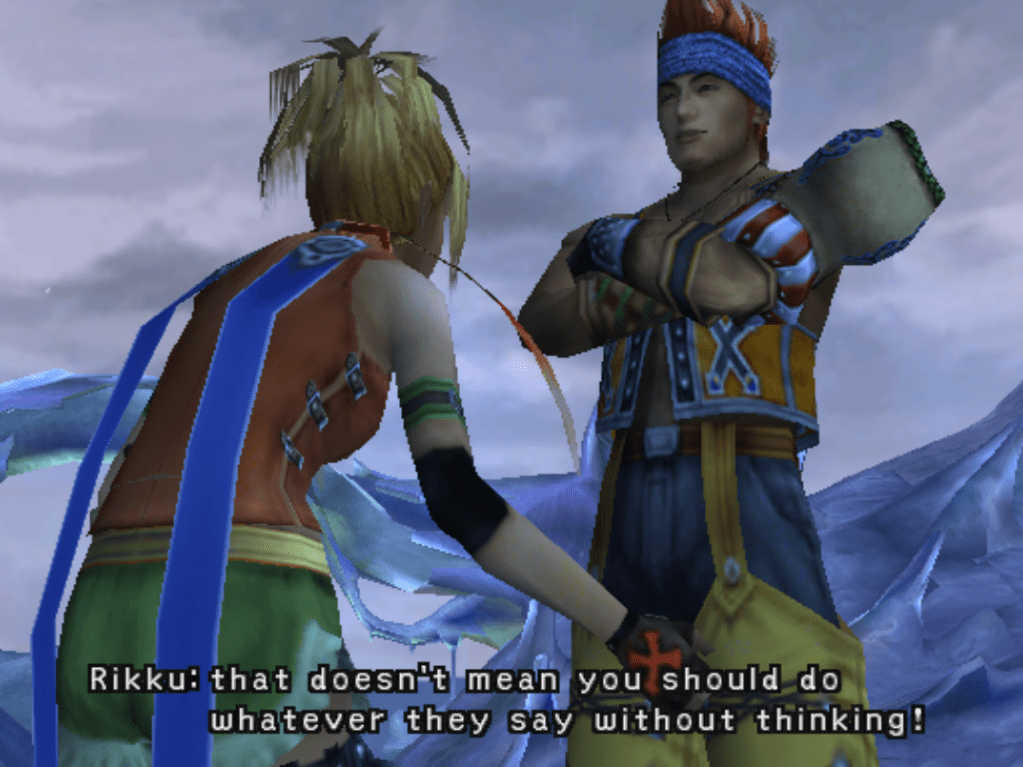
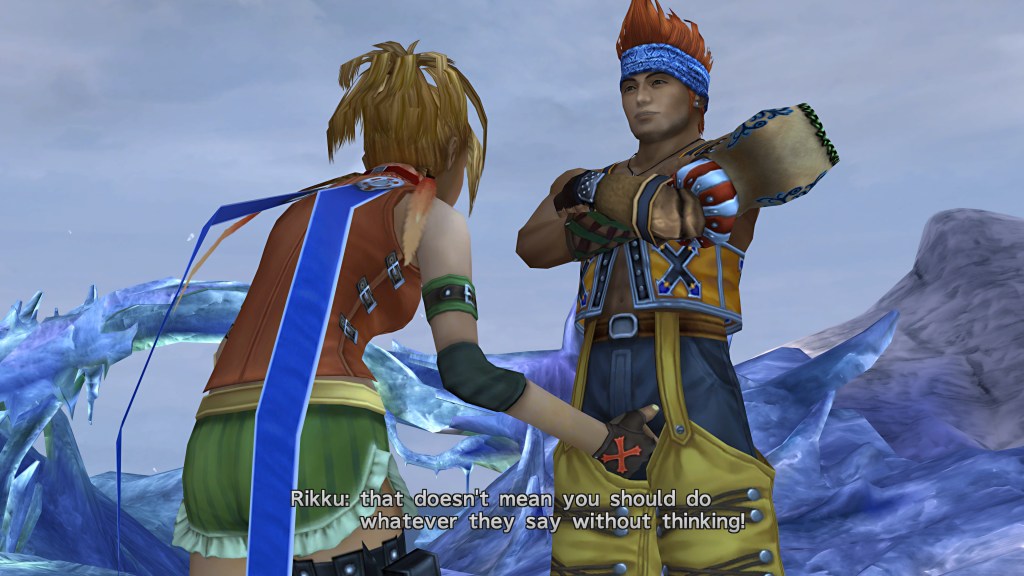
I vividly remember my dad telling me “You gotta get yourself under control, you’re shaking” when I huffed and puffed about leaving my copy. The grip on me was so severe that I was like an addict.
Fast forward a little bit, I was a child of the Internet. I moved around a lot in my youth, so a lot of my early friendships and relationships were with people I had never seen before and would indeed never actually meet. We were all really big into FFX and would occasionally speak in Al Bhed, the game’s fictional language, to each other.
Usually this would be run through an online translator or hard translated using a guide.

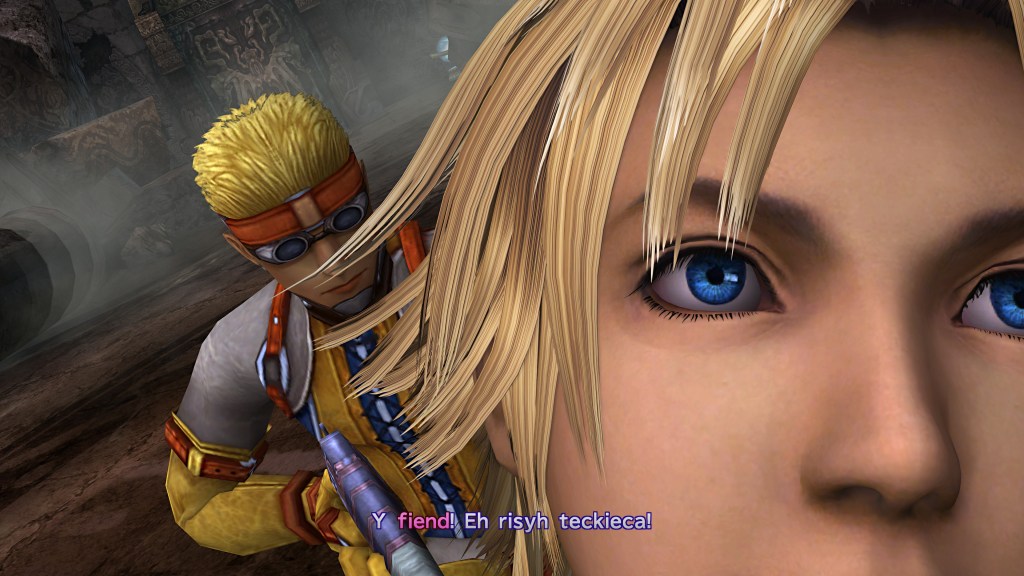
One long trip to Arkansas in 2002 saw me teach myself Al Bhed in the car because I had nothing better to do. I focused on words I knew for sure, stuff like oui = you, vydran = father, frana = where and then expanded from there until I had the whole thing decoded. I even checked my work when we got to Arkansas (this was before cell phones), and sure enough, I nailed everything.
And for years, I was fluent in reading this fictional language. Learn Japanese so I can play my favorite games early? Fuck that. Learn Al Bhed so I can talk to my INTERNET GIRLFRIEND baby.
Now we’re gonna go a bit further. It was 2014, I was living in Indiana working as a sports page designer for newspapers. I didn’t have a lot of friends in the area, which means I didn’t have a lot of opportunities to meet women, so I took up the world of online dating.
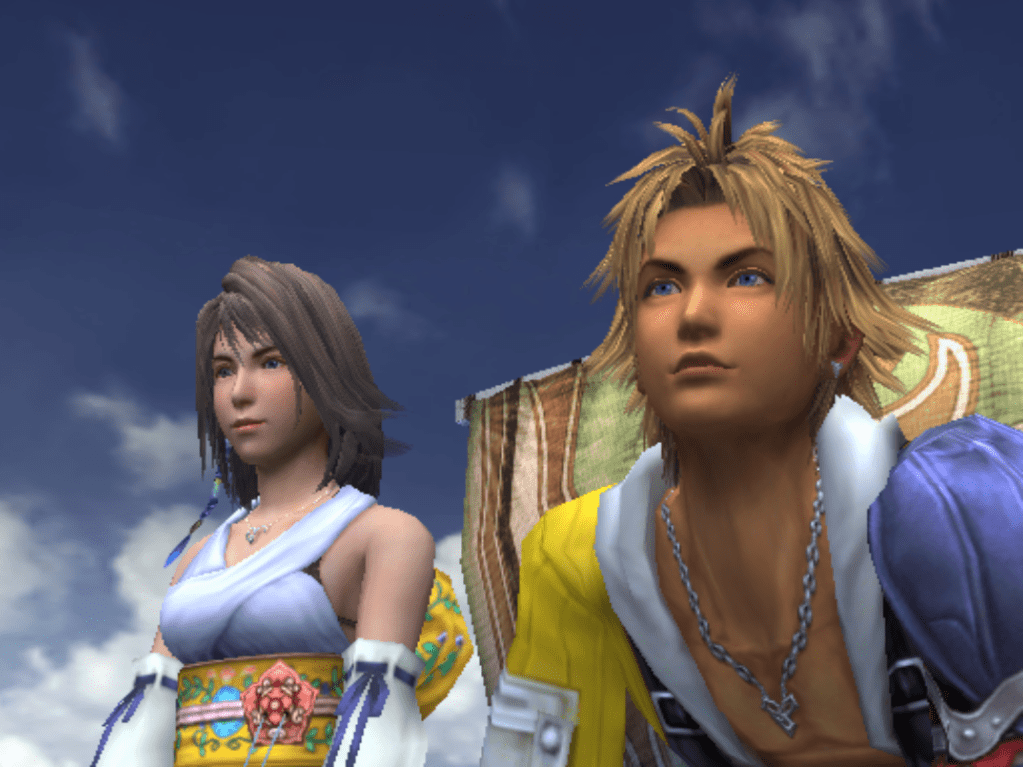
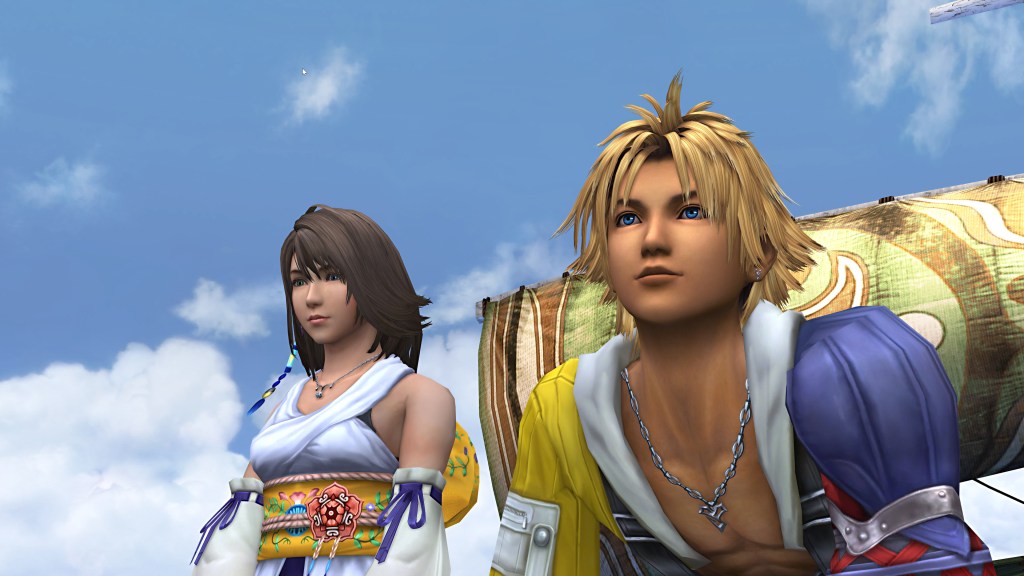
This is how I met my wife and one of the first things we talked about was Final Fantasy X. She had mentioned that she liked it and I responded to her text in Al Bhed and she immediately recognized the language. That pure hype turned into learning a fictional language which led to me meeting my eventual wife.
FFX would always be something we would bond and talk over. It took on a special meaning in our relationship. We would occasionally shout scenes out of context at each other (Typically “STAY AWAY FROM THE SUMMONER”) or text in Al Bhed, dumb stuff like that. This led to FFX’s theme song, Suteki de na, being used as the first dance for our wedding.
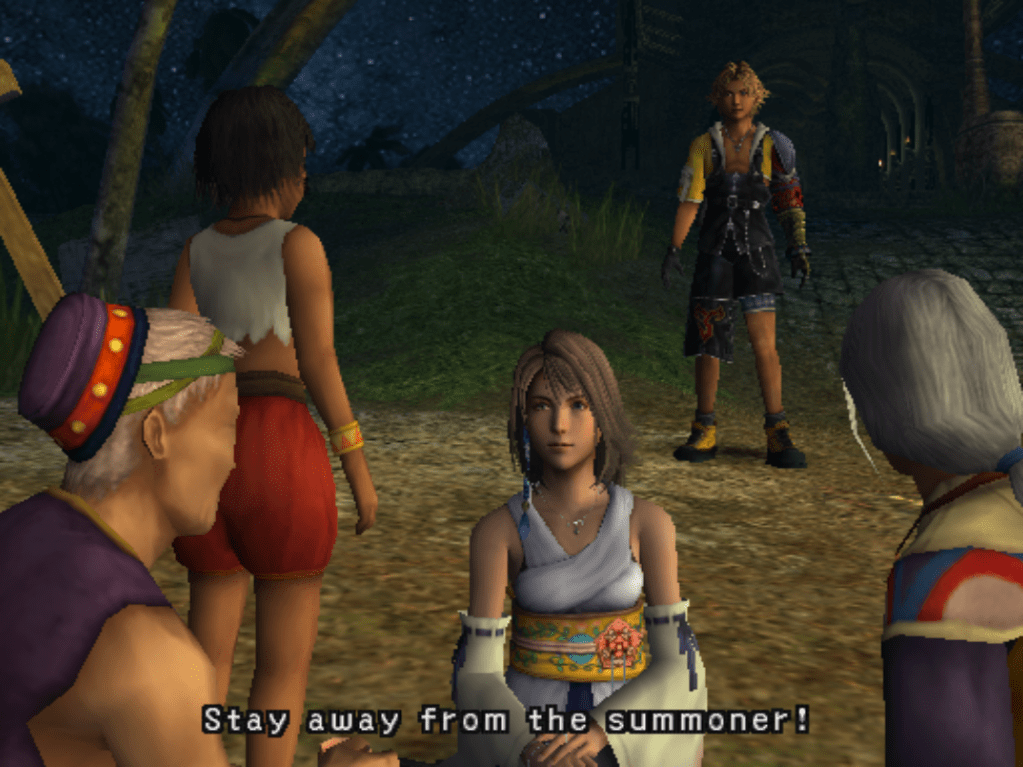
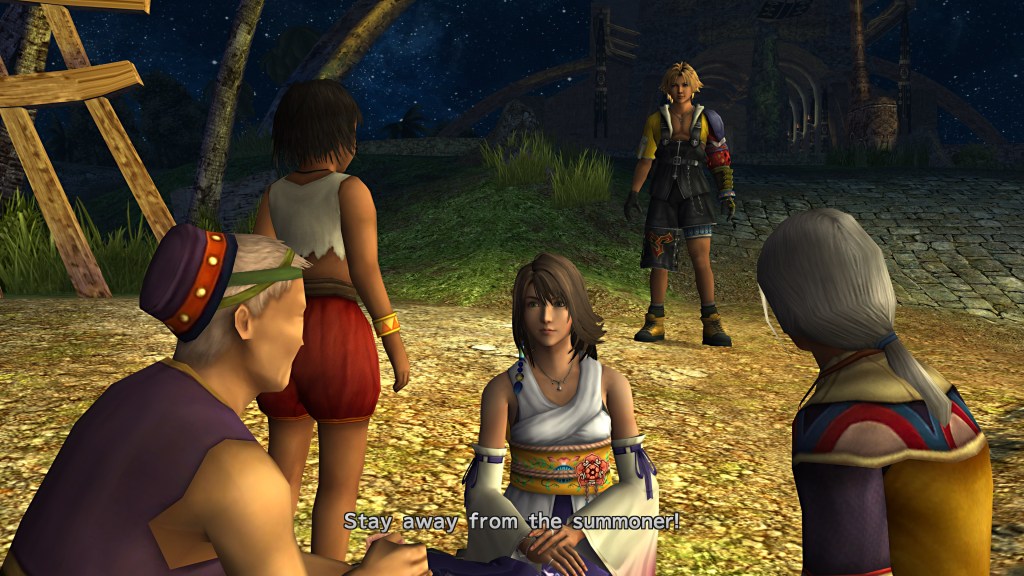
The DJ accidentally played the English version of the song and my wife stopped on the dance floor and said “this is unacceptable” and went to the DJ to sort it out.
I was left behind, awkwardly standing in the middle of the dance floor while everyone had their eyes on me (wait, wrong song). But it was important. THAT version of the song had to be played. It was our song. And we needed to make everyone in attendance suffer through Japanese lyrics for a song they’ve never heard before. It’s our day, dammit.
Obviously I have a soft spot for this game. But does this title hold up to my memories? Does it measure up to the impact that it left on me personally?
Always changing
For the U.S. and Japan, Final Fantasy X released in 2001. An expanded version of the game was released in PAL territories that included extra content to make up for the delay in localization – think how FFVII added Emerald and Ruby weapons for international audiences – which also saw release in Japan as Final Fantasy X: International. The PAL/International version of the game is what the HD Remaster is based off of.
The game started development in 1999 and cost 32.3 million to develop (61.03M today). Keep in mind, Final Fantasy VII released in 1997, cost $45M (87M today) and looked like the photo below. It’s wild how much gaming technology was moving back then.
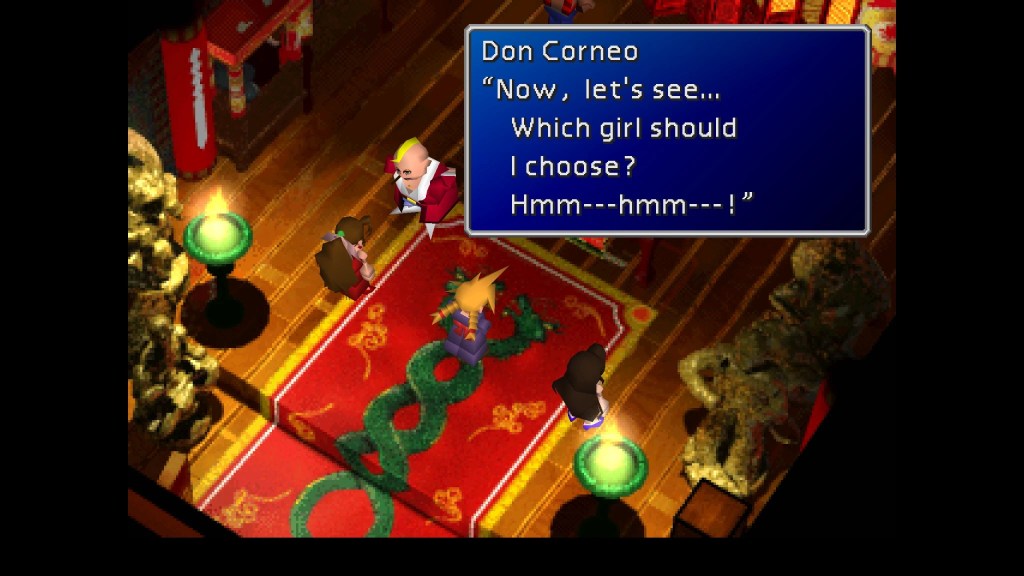
Not to be an old man about this, but kids do not understand how exciting a new console was back in the day. A lot of the changes on a new console comes in little touches like a resolution bump or improved ray tracing. EVERYTHING felt different in the move from PS1 to PS2.
X uses a lot of the same staff that was on Final Fantasy VIII, definitely giving credence to the “IX was supposed to be a side-game” theory. Most notably Tetsuya Nomura returns as the lead character designer. For as many people go “belts and zippers haw haw haw,” it can’t be understated how enduring his design work is. A lot of the most iconic characters in the Final Fantasy franchise came from Nomura.
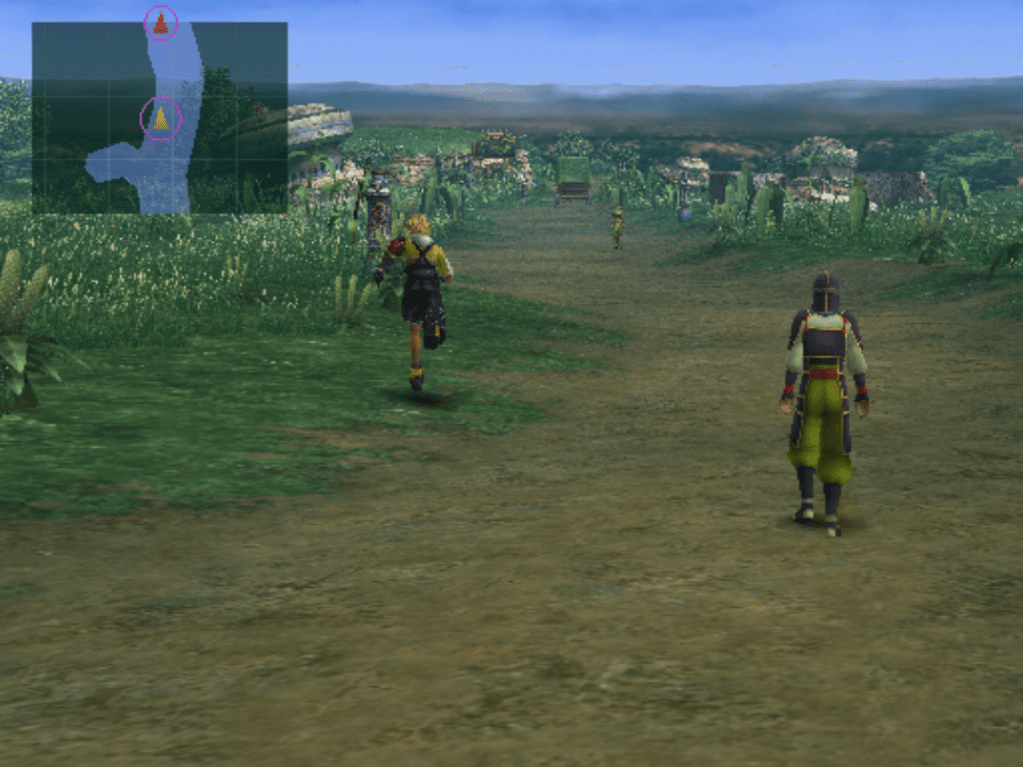
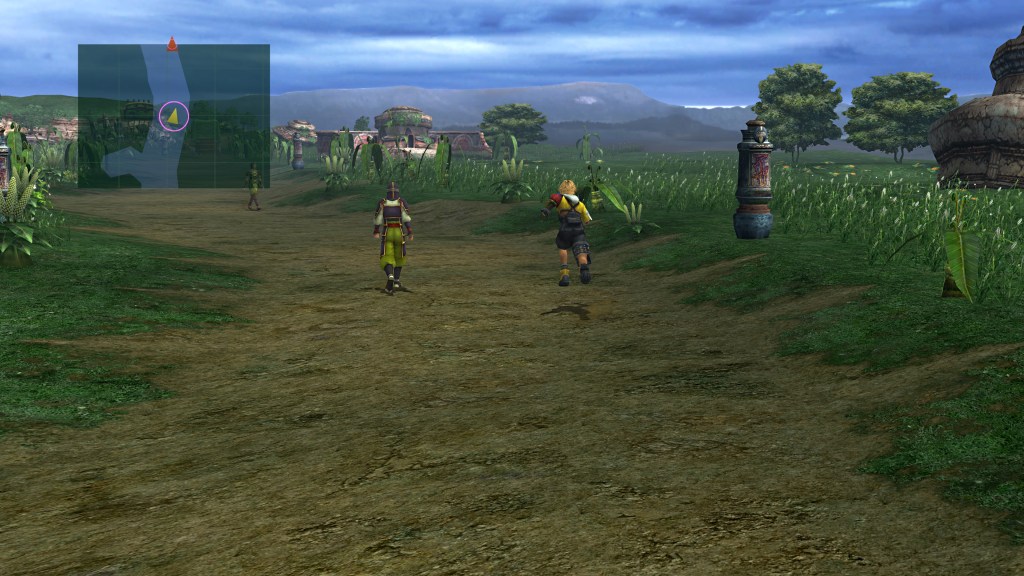
X marked an entirely new direction for the series. The Playstation era was defined by pre-rendered backgrounds. Those were made as sort of a technical shortcut, it allowed for certain decisions to be made that didn’t push console hardware. This is most apparent with how the background was used in Final Fantasy VIII, with scores of characters being placed in the background so the console doesn’t have to render as many NPCs. With standard definition televisions, it was difficult to tell!
X was on the PlayStation 2, a console far more powerful than its predecessor. There were even rumors that PlayStation 2s could be used for warfare, it was just that powerful! With these fancy new nuclear-powered consoles, pre-rendered stuff was gone. It was a more three dimensional world, which is a weird thing to say about a franchise that was considered at the forefront of the move from 2D-to-3D video gaming.

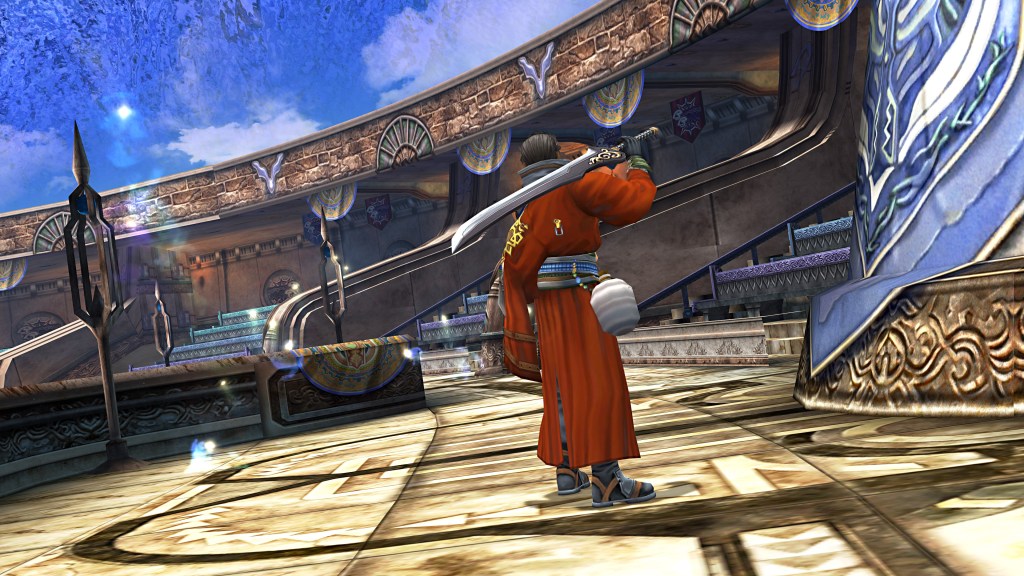
The graphical upgrades also saw severe alterations to the character models used. The ‘playable’ models on the Playstation often didn’t look too sensational compared to the cutscenes, and as is well known through memes, it was often hard to make out much of what their faces looked like. So when someone would say “Rinoa is hot!” what they’re really saying is “CG Rinoa is hot!”
A lot of time, personality would have to come through in character actions. This was pointed out extensively in my Final Fantasy VIII retrospective if you want to read more on that.
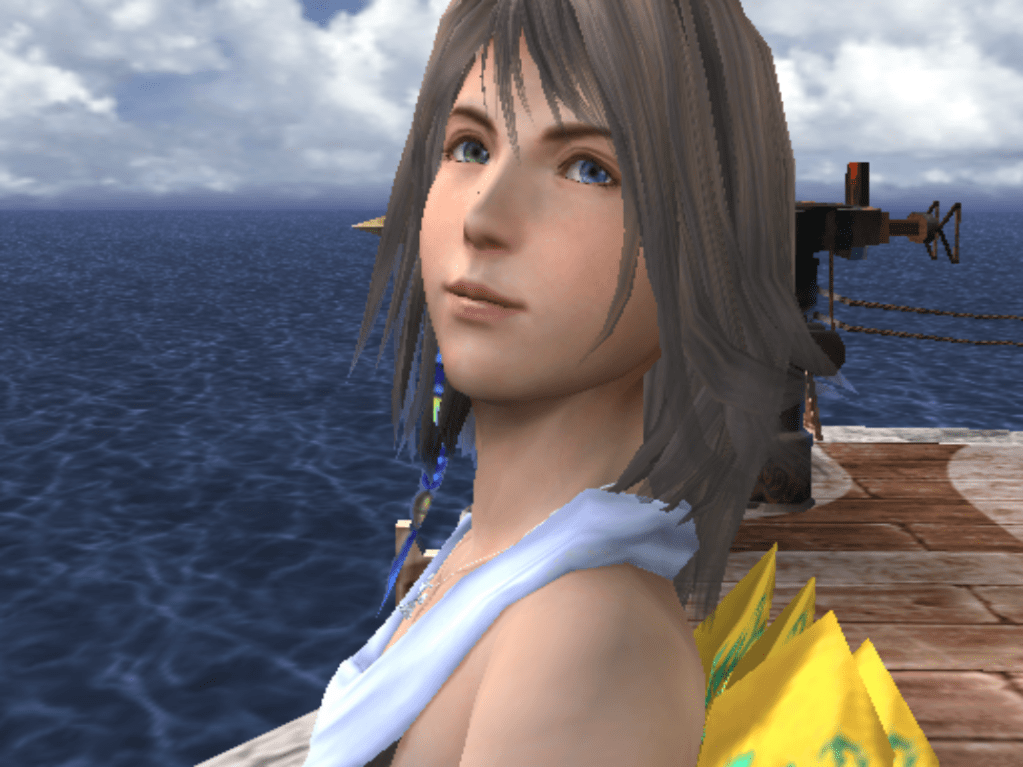

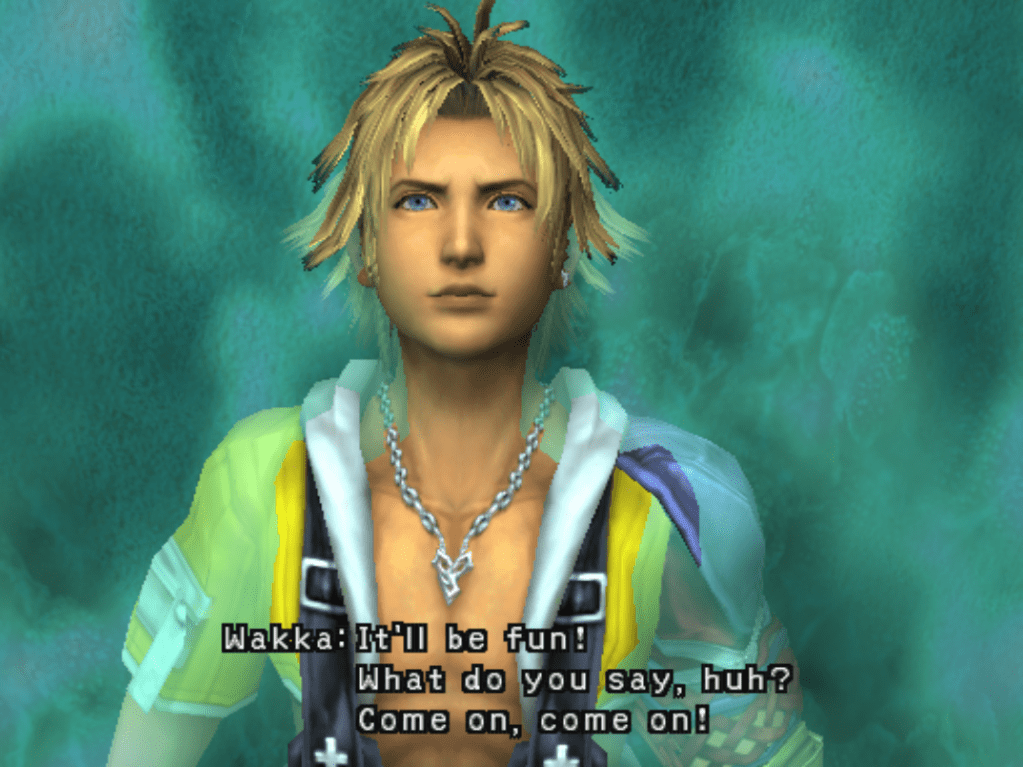
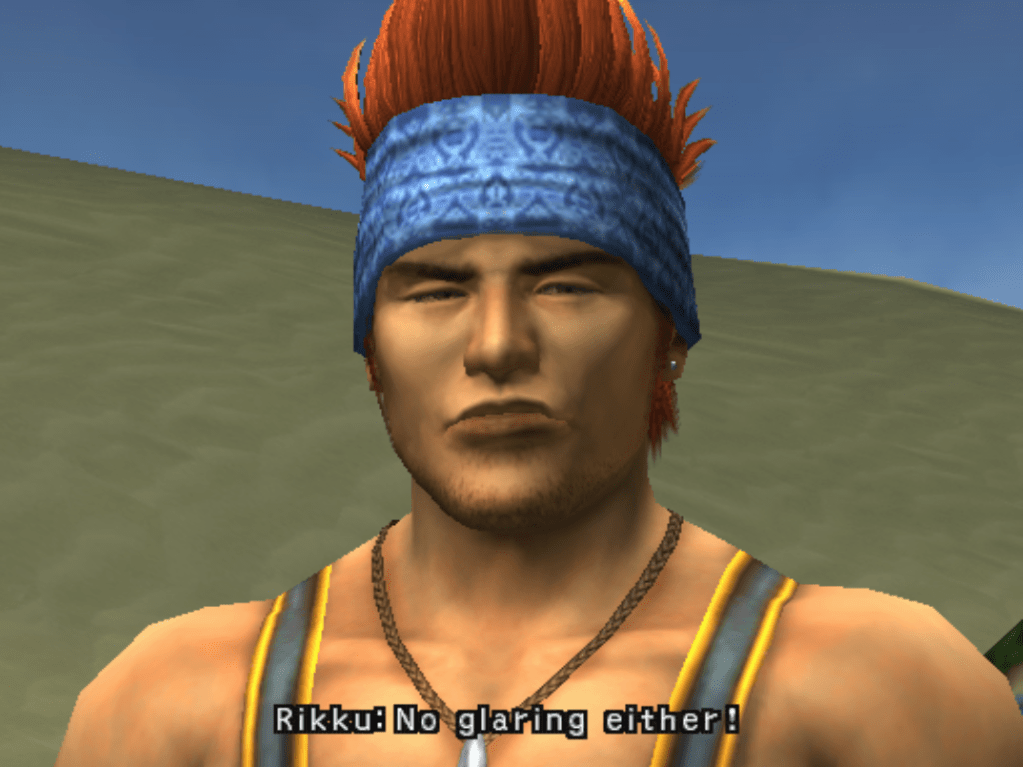
But with the new graphics, faces weren’t hard to decipher anymore. A lot of effort was placed into having the expression of the characters faces match what was happening on screen. For as much as we can be told by characters moving and flailing their limbs, we can gain even more insight into what they’re thinking through their facial reactions. For instance, take this well memed picture of Wakka.
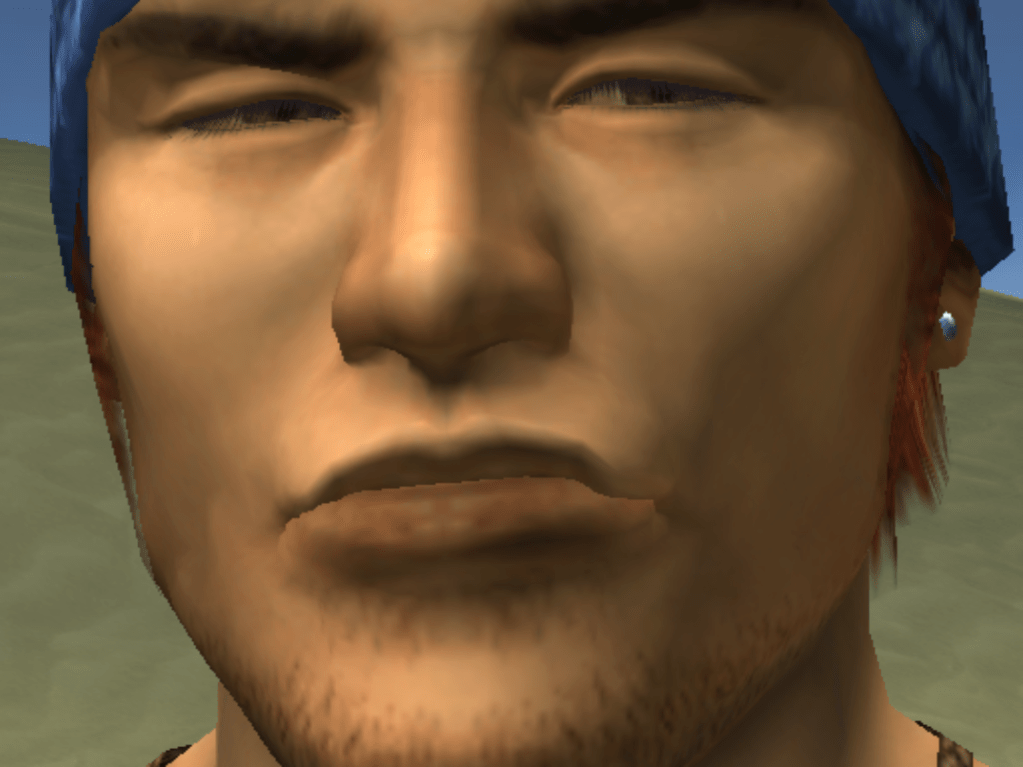
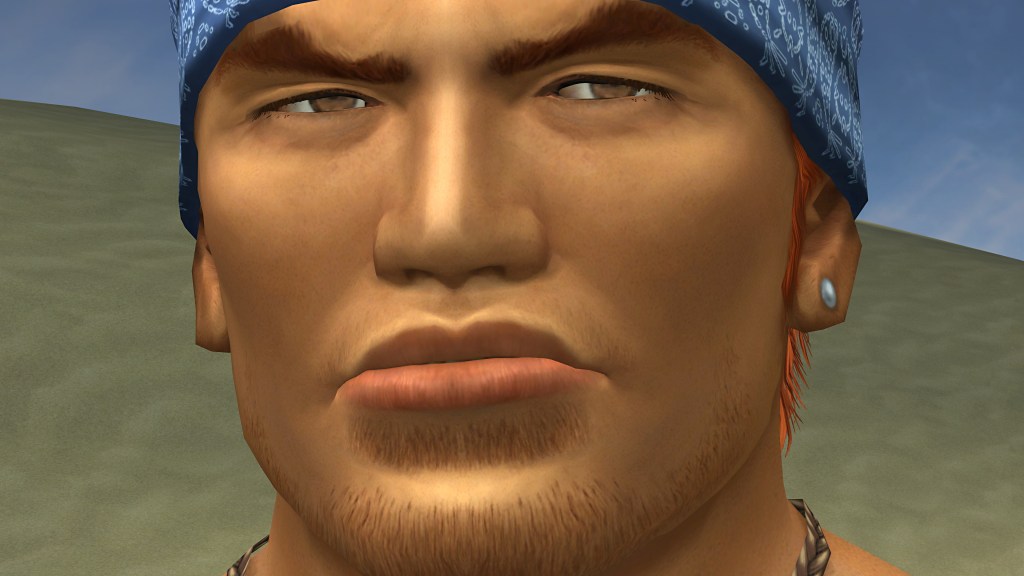
Without any context, you can see him stewing there. There’s a look of disgust on his face. It communicates a little more than just a box of text could.
Intense facial work was combined with motion capture and voice acting to help this crew feel more alive than any of the past parties. You were no longer ‘filling in the blanks’ for certain things. The voice of the protagonist wasn’t just your own voice, but instead something else entirely. This presentation change goes a long way in making the roster of this era of Final Fantasy stand out.
Like how the ATE system helped expand side character lore in IX, these touches added more depth to everybody in X. I feel people are more likely to latch onto random NPCs when they have these additional elements. Characters like Elma or Maechen might just be random background noise if they were in VII, but in X they feel more significant just because you can grasp onto more aspects of them.
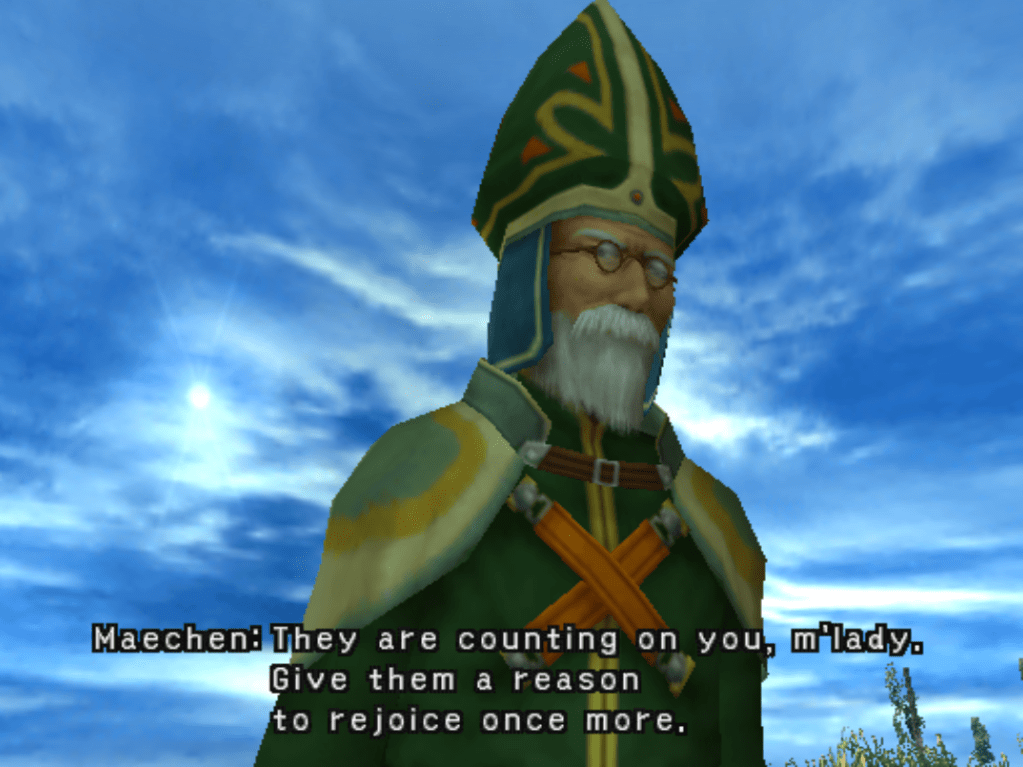
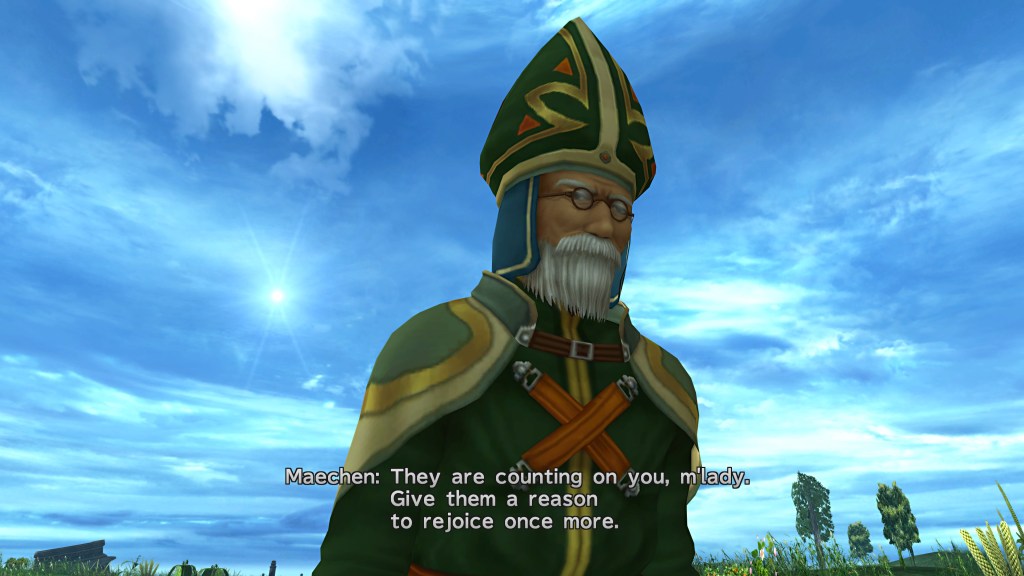
I’ll get into voice acting performances later in the character section, but just know that the English version is very inconsistent. Some performances are excellent and some are really…strange. The Japanese version is more consistent all around but honestly I think the uneven English cast gives the game some character. A bit of wabi-sabi if you will.
Straightforward
One of my gripes with VIII and IX is that the story gets extremely convoluted and weird late. You aren’t really introduced to the main threat of VIII until the third disc of a four disc game and IX has so man twists in the third and fourth discs that it’s often hard to see how they got there when you look at what happens in the first two.
Since X was focused on new hardware and new methods of presentation, I feel like they took their foot off the pedal when it comes to stuff like this.
X absolutely has some twists, including the now staple main character revelation, but it feels a lot more straightforward than the past few entries. The story revolves around the protagonist, Tidus, who even says several times that it is his story. Our hero gets sucked out of his own world, a place called Zanarkand, which is a New York City type of place that ‘never sleeps’ and placed into the post-apocalyptic world of Spira.
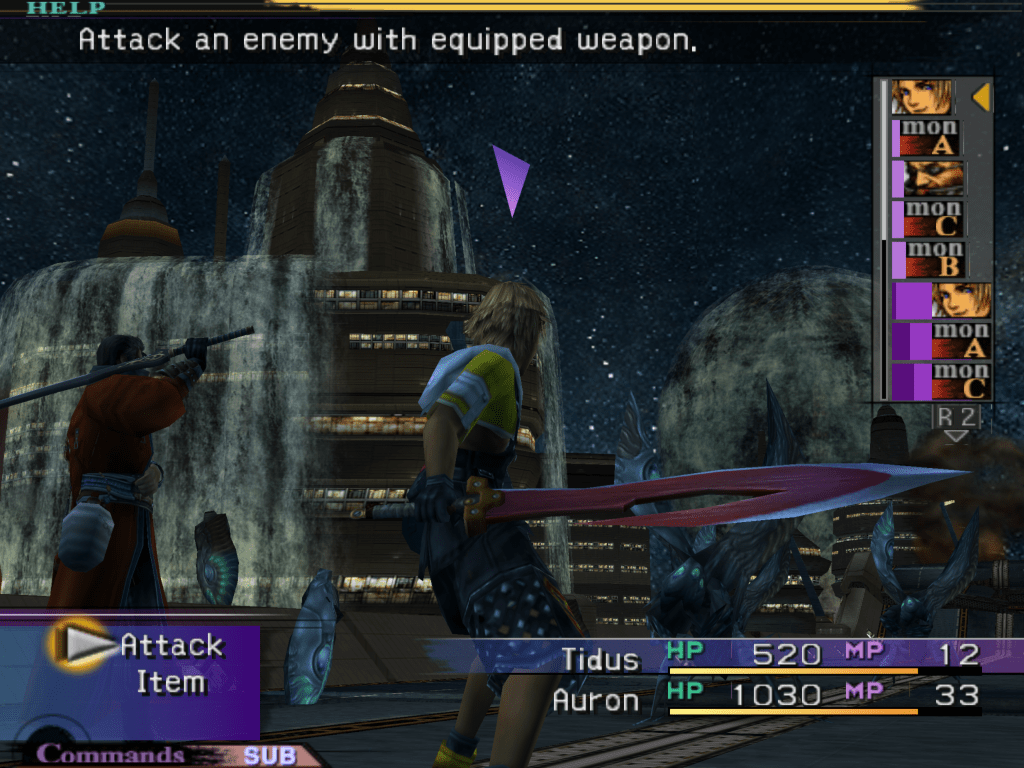
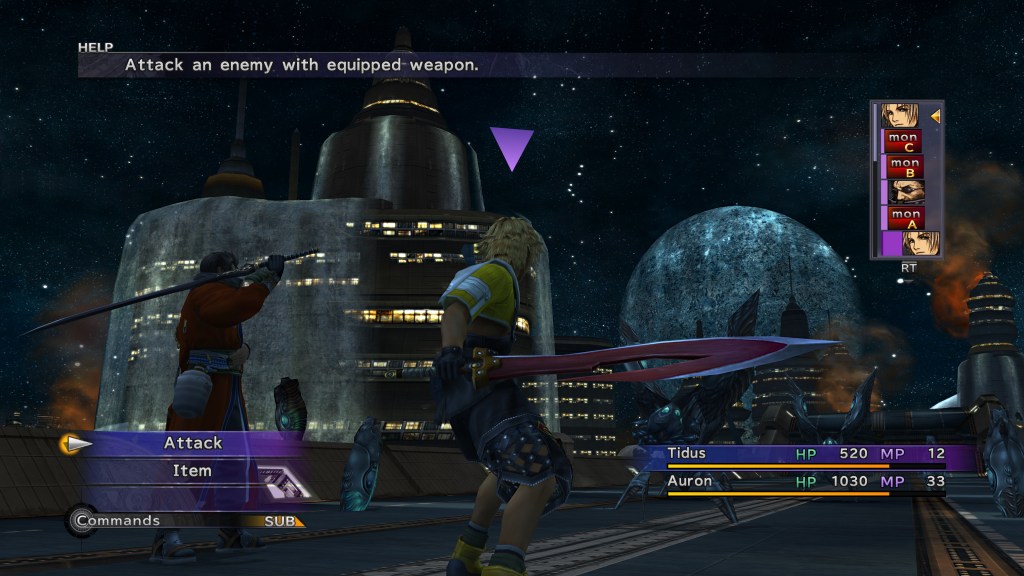
Zanarkand is a futuristic city. There are buildings everywhere, gigantic stadiums for sporting events, machines operating everything and loads of people. Conversely, Spira is almost entirely submerged in water. The use of machinery, or machina, is prohibited by the main religion in charge of the world, so society appears to be primitive. And there aren’t many population centers. Most of civilization is located in very small clusters.
Fans of Japanese media refer to this as an isekai. This is a fancy way of saying a ‘fish-out-of-water’ story. It allows the player to discover the world going on around them along with the protagonist. This gives characters an in-world reason to explain the operations of the world to someone. It’s not just done for the convenience of the player, it’s also done for the convenience of the protagonist.
You learn relatively early on that everything in this new world revolves around a gigantic monster known as Sin. It’s a being that goes around and destroys large swaths of civilization for seemingly no reason. Any activity that an NPC might go on revolves around what Sin is doing in that day. The question “how do we deal with Sin?” is prevalent from the start of the game all the way up until the conclusion. Nothing complex like time compression, it all boils down to killing something.


Of course, killing Sin is not a simple thing. Sin is a reincarnating being. A summoner goes on a journey to do away with the creature but after a set period of time, the Calm, it just comes back again. This is how the game shows the world revolves around death. Sin kills everything, a summoner goes in and kills Sin and in the process of killing Sin the summoner loses their life, Sin gets reborn and the cycle repeats.
Linearity is not really something I’ve discussed a lot until this point in time. However, Final Fantasy X is the first game in this franchise that is this naked about it. The previous games were also linear, at least moreso than you might think, but they hid it exceptionally well. There were paths where creatures were far stronger than what the player could handle or there was something blocking progression. You could SEE the whole world but you couldn’t just interact with everything.
X is not like this at all. You don’t get a glimpse of the entire world until the very end of the game and it just comes at you as a sort of menu to select where exactly to go. There is no hiding the linearity here.
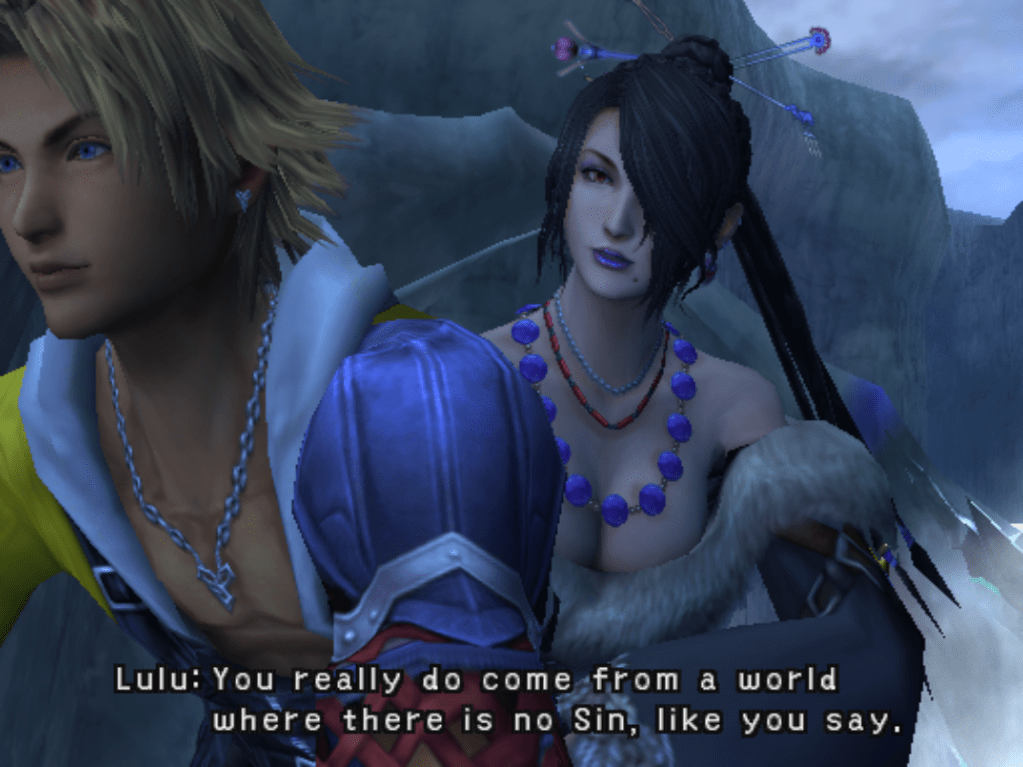

Linearity has become something of a dirty word in the video game space. As graphics and gameplay develop, players want more agency. That’s why things like Skyrim are so popular. A lot of people see a mountain in the distance and they just want to climb it. Why WAIT to climb that mountain when it’s there? They should just do it now.
I’ve never considered it a problem. The good thing about a linear experience is that the people developing the game have a crafted scenario that they want the player to experience in a particular way. If your group could just skip from the starting island of Besaid to the Calm Lands, it changes things entirely for what the narrative is trying to do. Since this is a journey that lots of summoners have went on before, it’s important to have the player experience that.
I think linearity makes the FFX experience stronger. You can usually figure out how far you are in one of these things based on how many places you’ve been to on the world map. In Final Fantasy IX, you see large chunks of the map you just haven’t been to and are constantly reminded by it just being there. You can probably guess how much longer the adventure is based on this.
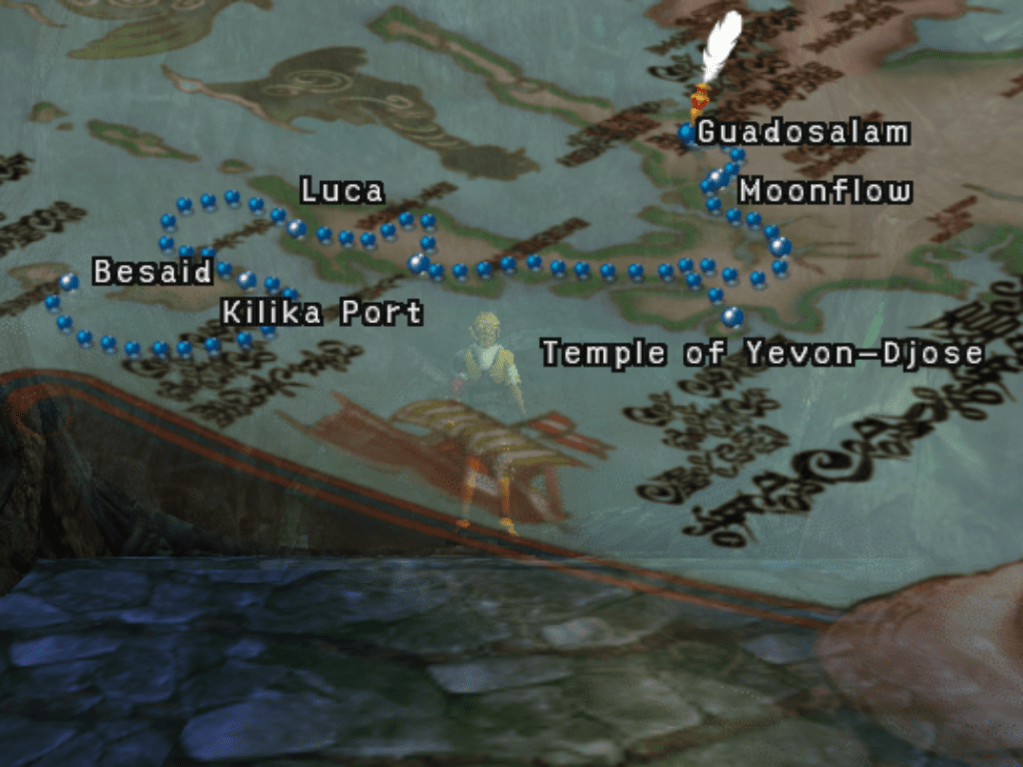
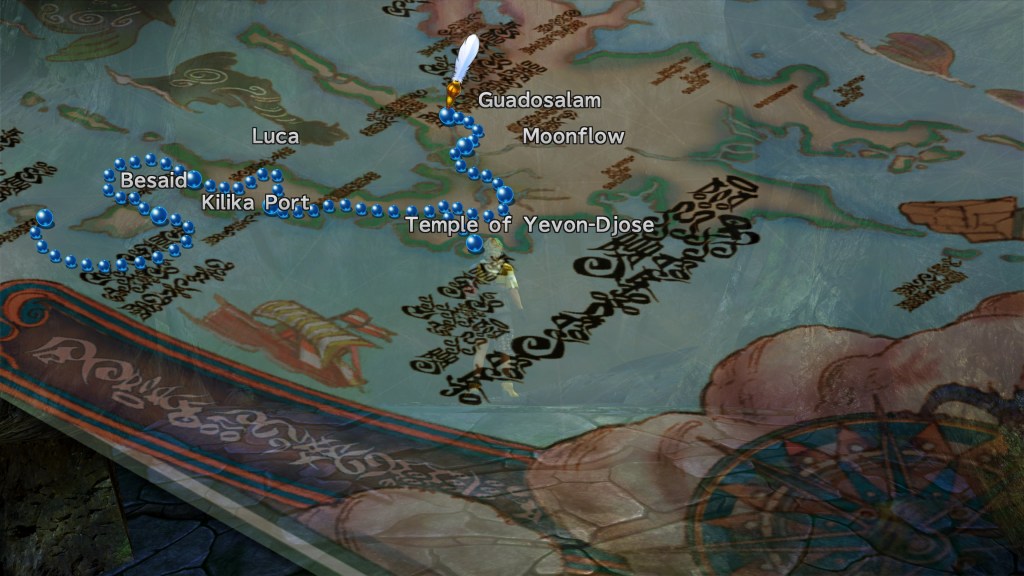
In X, since you and Tidus are discovering this world at the same time, you really have no idea how much longer this journey has left. And this plays well into the narrative when the protagonist learns of what happens to summoners after they defeat Sin. The main summoner in this game, Yuna, is the co-lead and the love interest of Tidus.
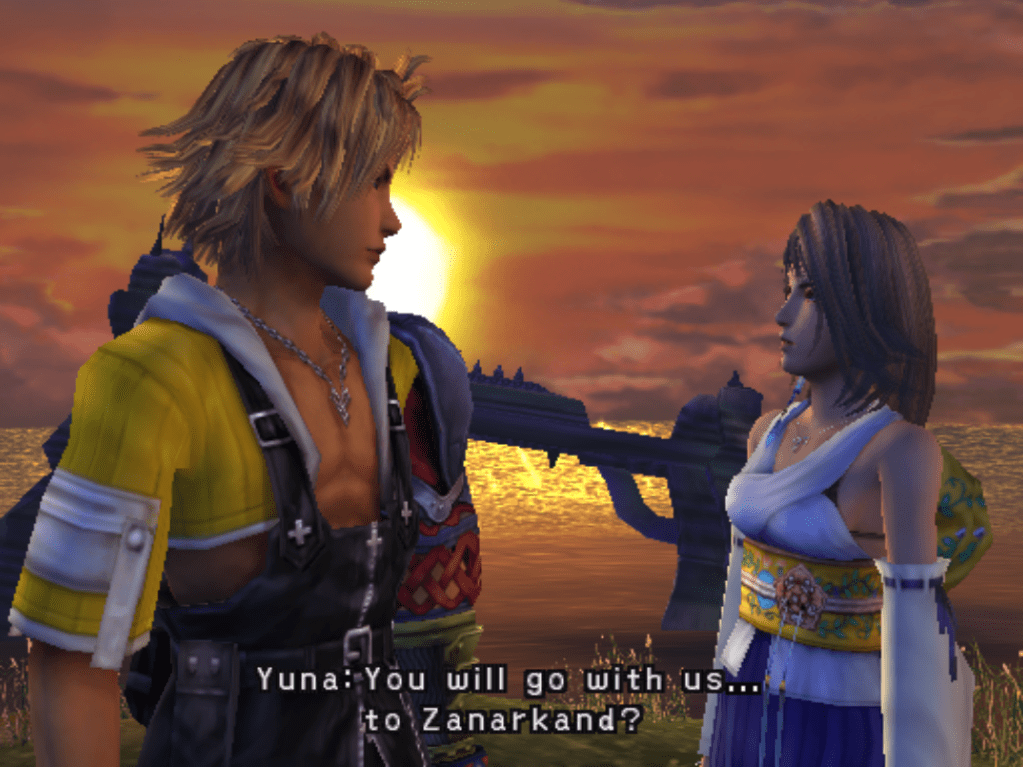

So now there’s a bit of tension – as your journey further into the game, you know that Yuna’s life is dwindling. The more steps you take, the less time she has, which adds some tension. I don’t think this hits as hard if you can see the ending ahead of you. A first time player might spend every second from that point thinking ‘how are they going to accomplish this, my guys are running out of time!’
Spira is running out of time because Sin is around and Yuna is running out of time because the journey is still progressing. You might want to go do side content to prolong Yuna’s life, but then what about Spira? It might feel awkward for players who are used to having the world at their fingertips, but this approach works really well for the story Final Fantasy X is trying to tell.

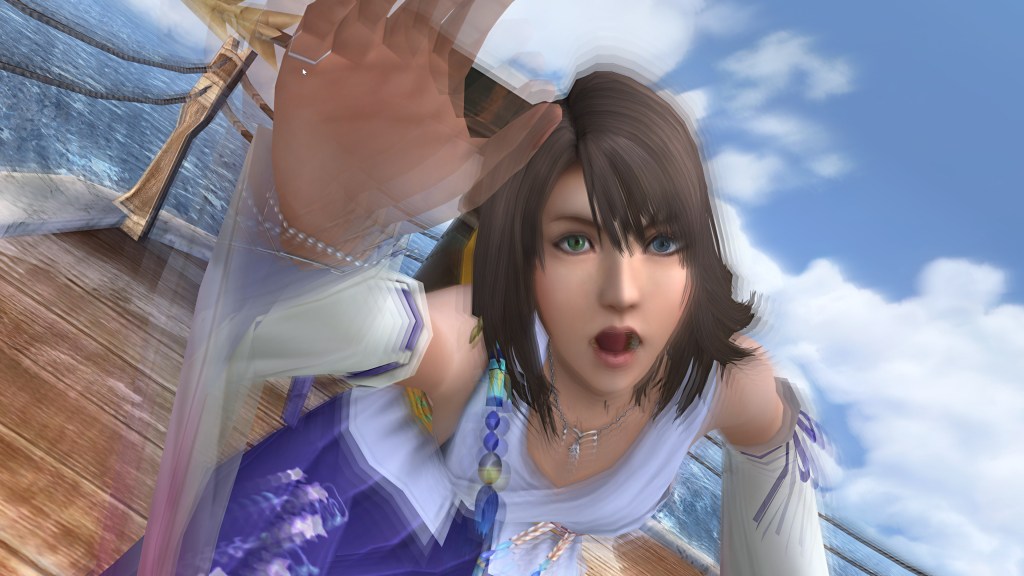
Things do indeed open up, but only at the very end of the game. And during this period of time, the party is trying to come up with ways to defeat the great evil of the universe. So biding time by doing side activities makes sense because, well, you’re in a holding pattern. Opening things up at this point just makes sense.
Doing things like this also ensures that the narrative is very straightforward. There’s never really a question about what is going on with the plot and no character gets left behind with nothing to do. Your main party stays together for the most part and they develop as a unit as the story unfolds around them. This decision, along with the voice acting and motion capture, really helps this group feel the most fleshed out of any party to this point.
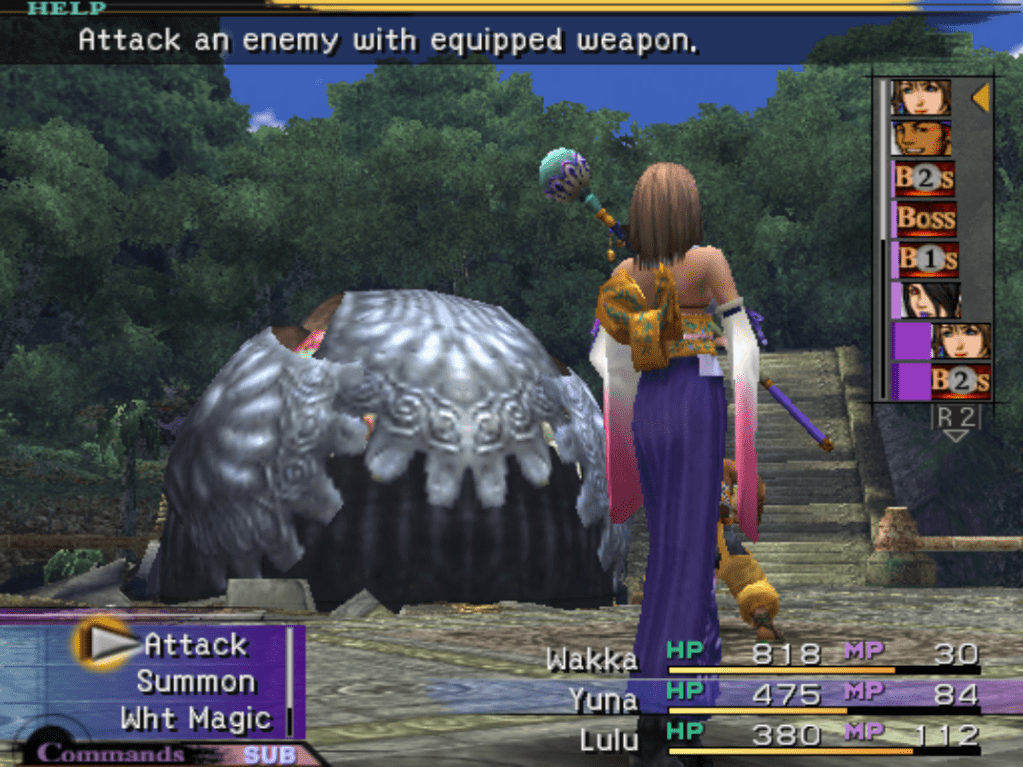

Runs in the family
Final Fantasy X has had periods where it wasn’t the most beloved game online. A lot of the criticism focuses on Tidus’s journey through the game and how the main character comes across as whiney. His personal arc is about coming to grips with his situation in life – that includes being stuck in an unfamiliar world and his relationship with his father, Jecht.
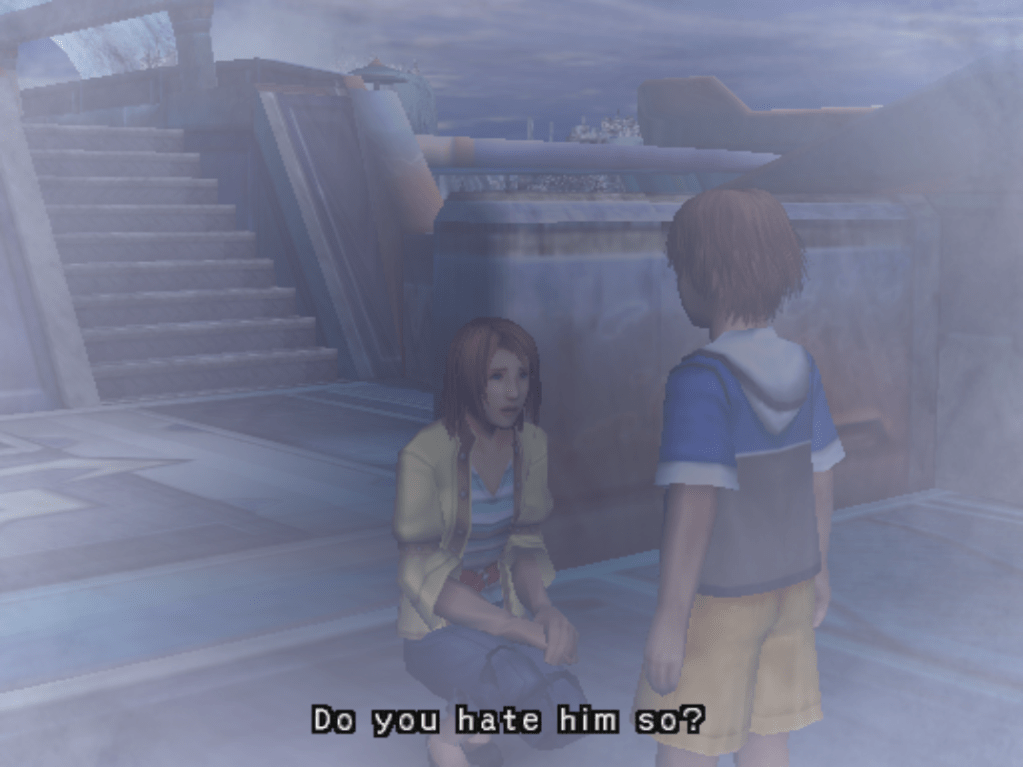

Tidus mentions that he hates his old man probably 25,000 times over the course of the narrative. He has fantasies where he tells his father he hates him to his face even. I’ve always taken this as our hero being a confused 20-something telling himself the same thing over and over again to cope with his depressing reality.
Jecht disappeared for a long time while our hero was at a young age. They had a strained relationship in the first place, but in truth Tidus never got to know his father as a man. He had disappeared for 10 years, so the hatred he feels isn’t so much for the man himself, but the IDEA of the man. Tidus and his mother suffered alone for 10 years. He saw what his mother went through and as a result, he has a hatred for him.
But as Tidus slowly learns more about his father, I think he says “hate” more and more to rationalize his own feelings. He is trying to convince himself that his father is a total scumbag while the world he inhabits shows him constantly that Jecht is a more complicated person than that. Some might even say he has some good qualities. Only at the very, very end of the game does Tidus let go of this.
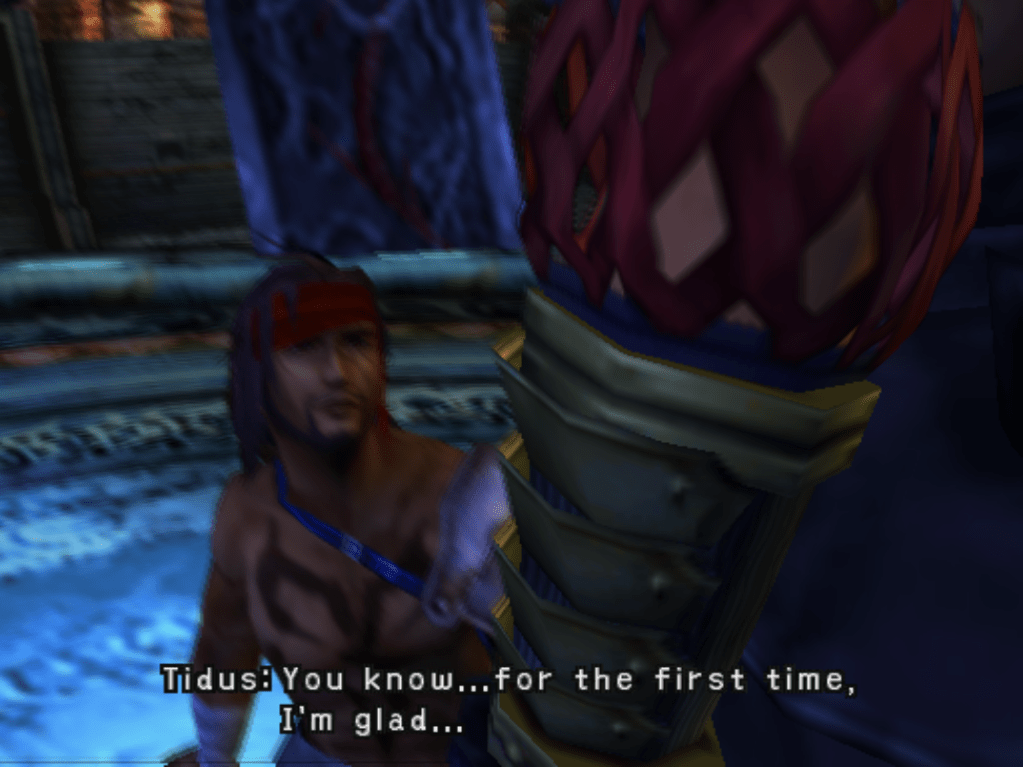
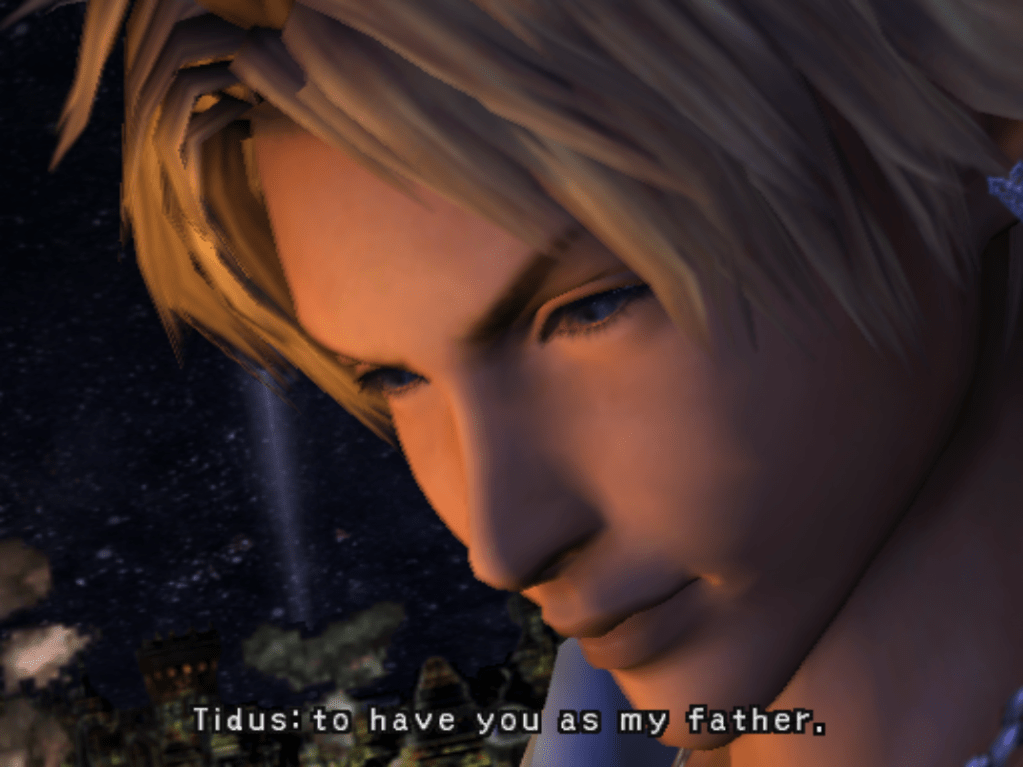
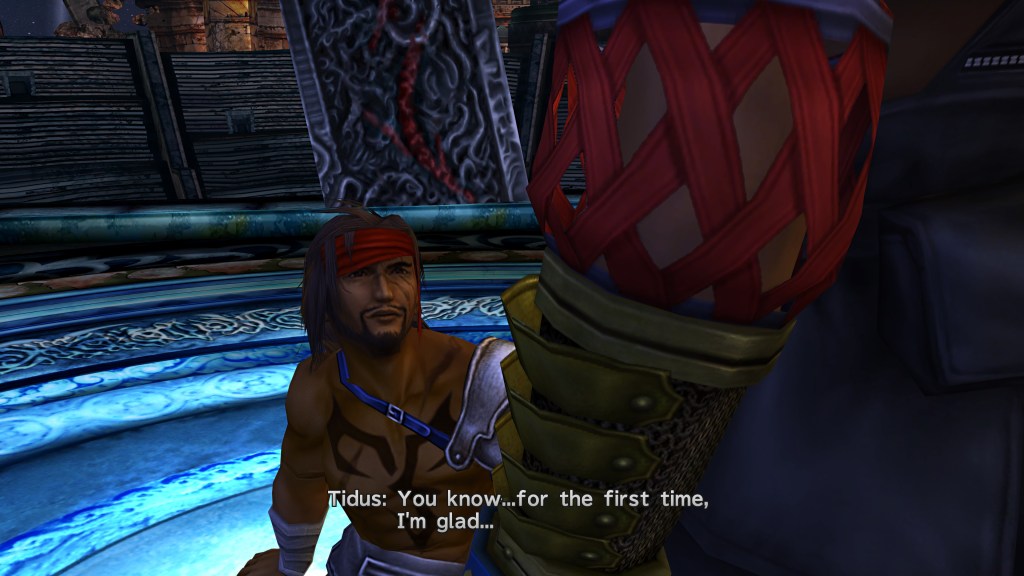
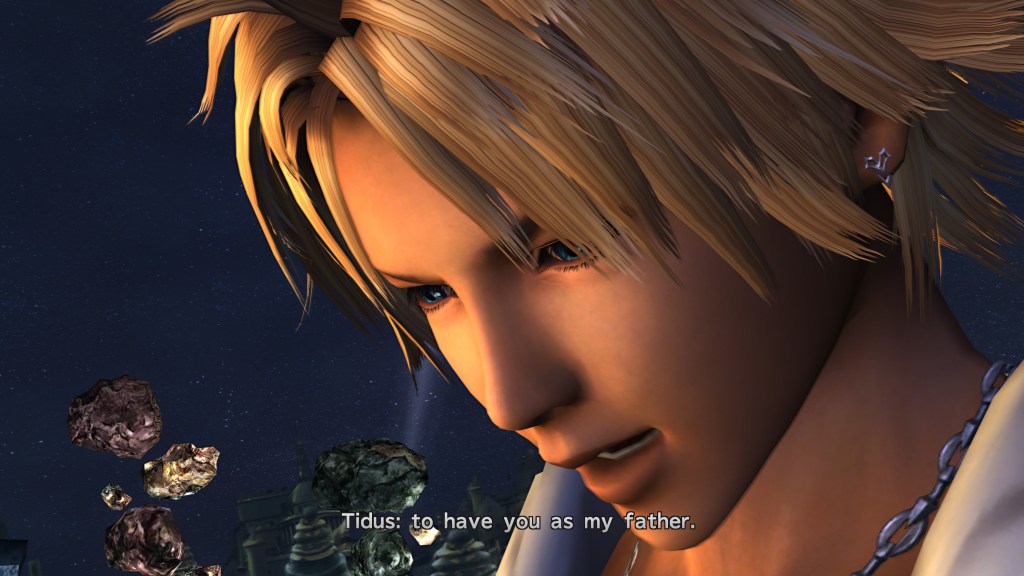
It’s another very ‘teenager’ thing. You’ve probably had a friend or dated someone who absolutely hates everything about their father or mother. Their feelings make no sense based on what you know and what you’ve seen, but their feelings are very real. They will often go on to reconcile with these parents once they reach adulthood and can sort of see things from their perspective. Not that their parent was right and the child was wrong, but the parent is an imperfect person and it’s difficult for a child to accept that.
Obviously I’m not talking about situations like abuse, but it’s difficult for a child to understand everything that’s going on in an adult relationship. That’s why I feel Tidus’s father hatred is slightly more complex than what we see on the surface.
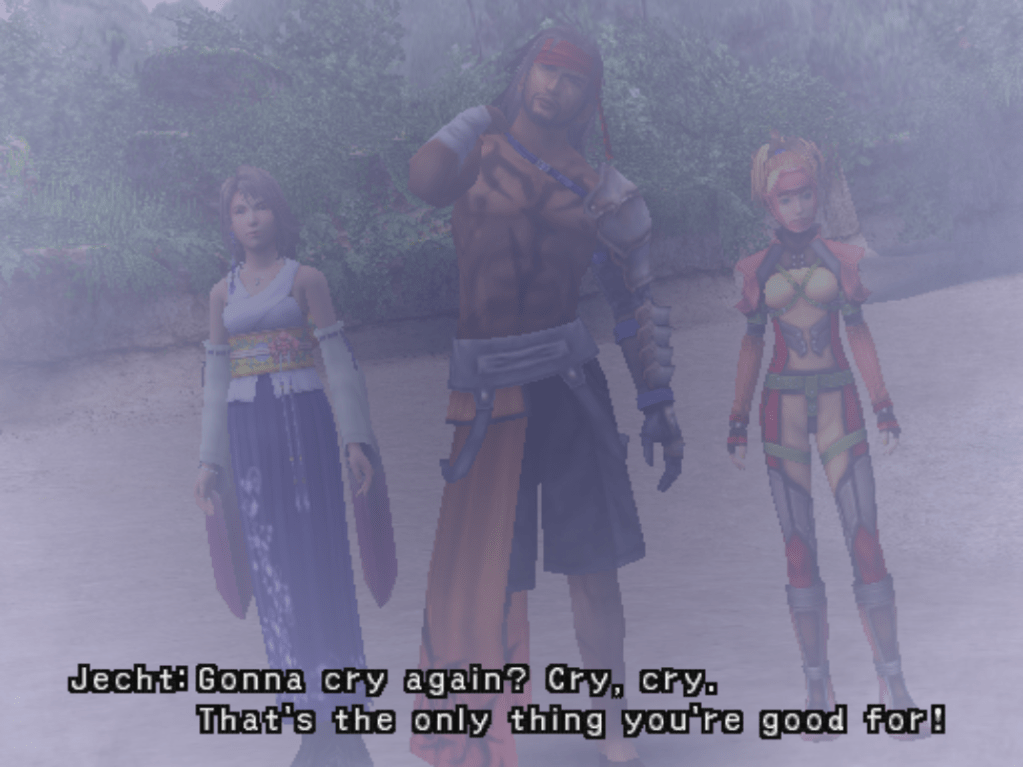
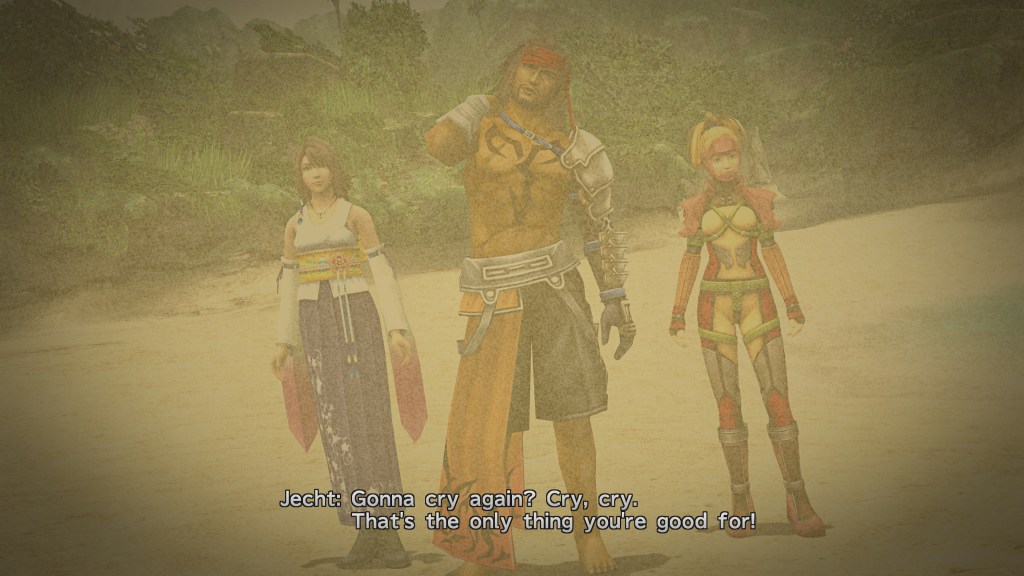
He grew up with everyone telling him how great his dad is and he always had the cope of “Well they know him as an athlete but they don’t know Jecht THE MAN.” He remembers a totally different person than the man he’s hearing about, so he has to constantly remind himself “No, this Jecht guy is an asshole. Everyone else is wrong. I know this.”
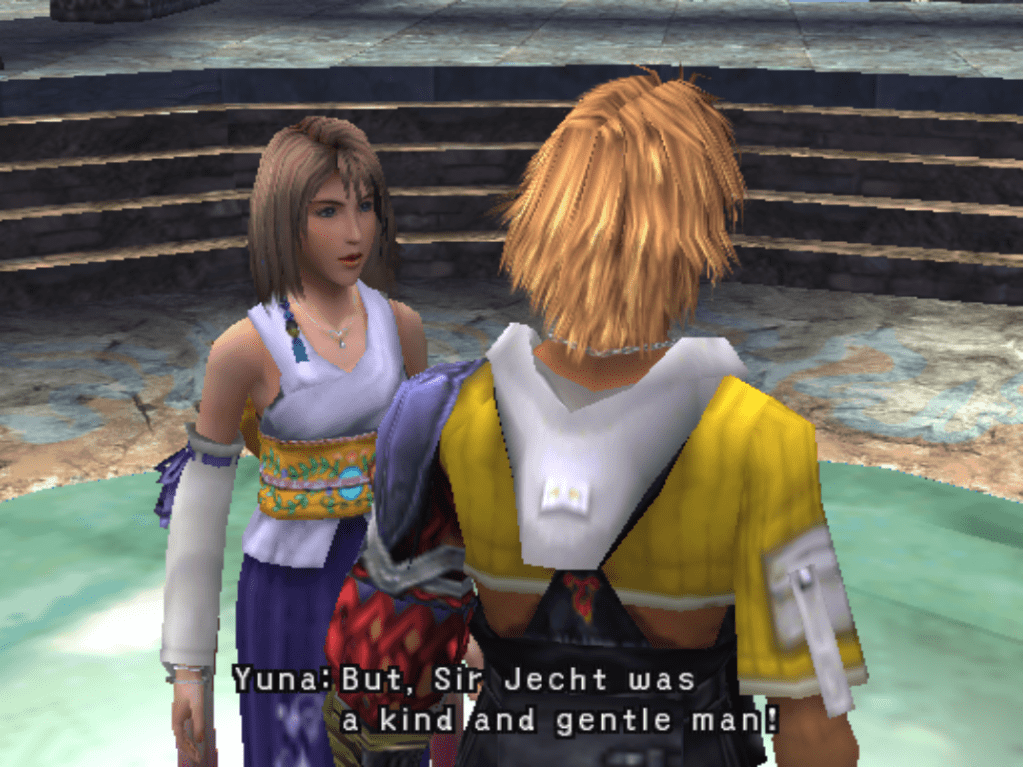
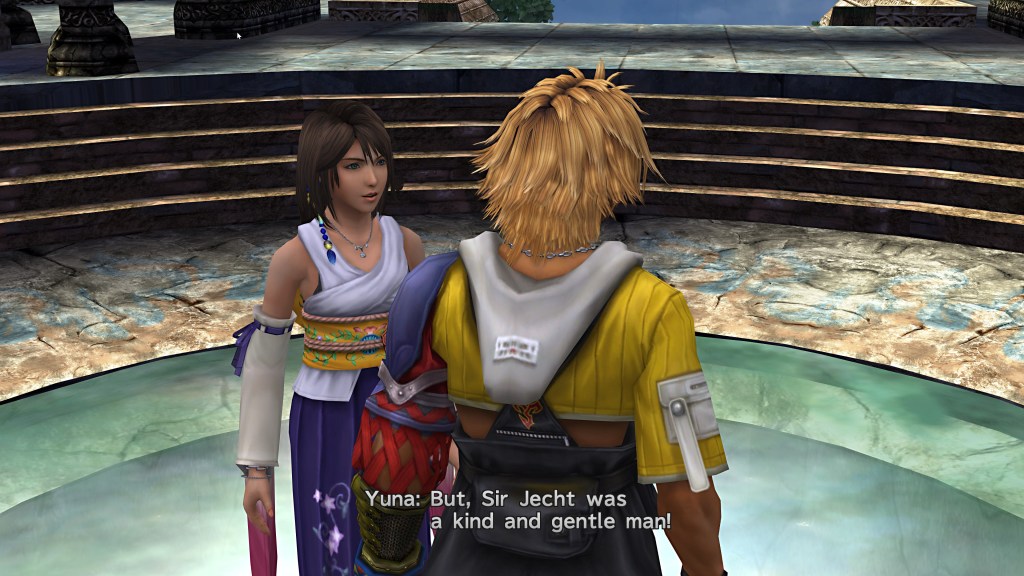
I think a scene that occurs slightly after Auron, a friend of Jecht’s, helped cement Tidus as a whiny fella. The protragonist goes off about all of the things he’s been feeling at once and taken in isolation and shown out of context, yeah, he does seem like a whiney little dope. But think about what he’s been through so far. You get warped to a different world where everyone deifies your jackass dad, you might be a little angsty too.
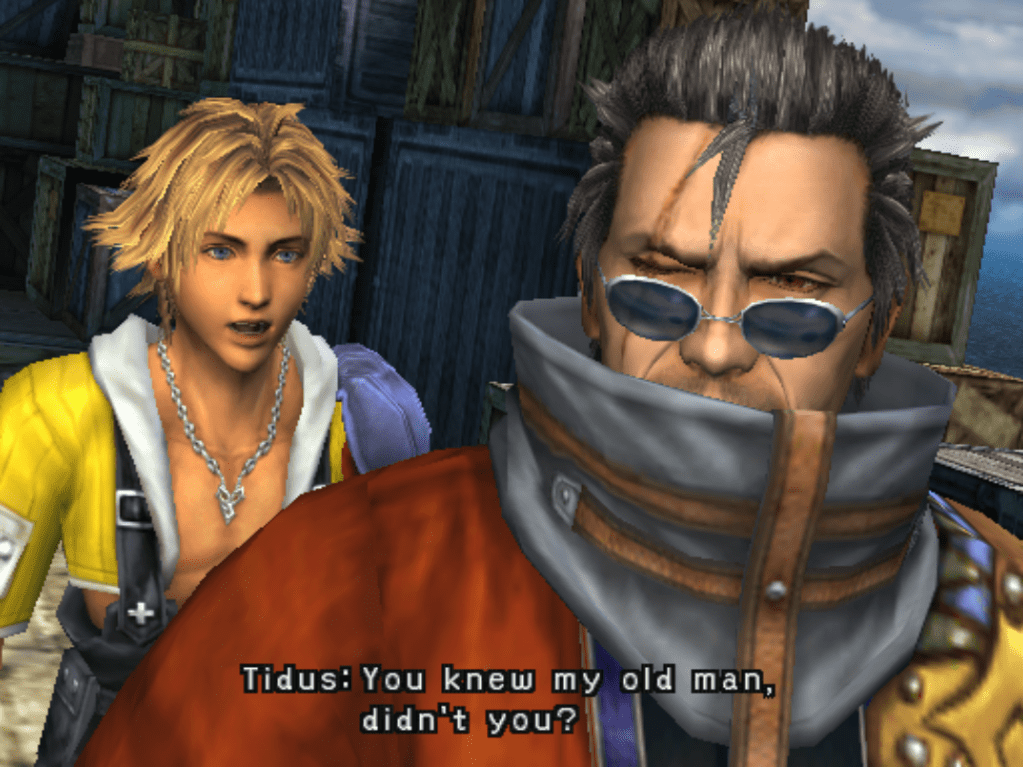
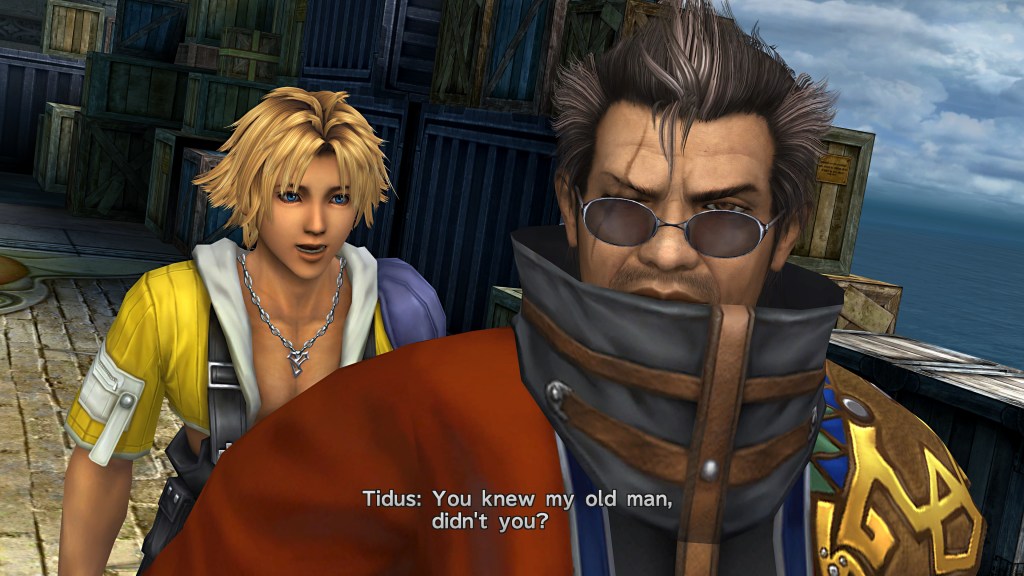
Change is in the air
The lack of an overworld may not even be the most jarring change that X brings around. Ever since Final Fantasy IV, Square has used a version of the Active Time Battle system (ATB). This was designed to help make turn-based combat feel more intense or action oriented. When you were selecting maneuvers, enemies could still hit you, so there was a little bit of tension added as a result of that. It was a race to press buttons, if you will.
X scraps that. The ATB system isn’t entirely dead, X’s direct sequel uses a version of it, but for the first time in two console generations, it takes a step back. Instead, X uses a system called Conditional Turn-based Battle (CTB).
In the first three Final Fantasy titles, players put in their commands at the start of every turn and then both the enemy and player actions play out. You have an infinite amount of time to select your maneuvers. Strategy here comes from familiarity with your opponents. For instance, if you’re fighting a bomb, you know that it explodes after a set number of hits. So when you’re putting in your actions, you might have three people elect to attack the bomb while a fourth person does something else. The strategy used here is more thinking in grand swaths.
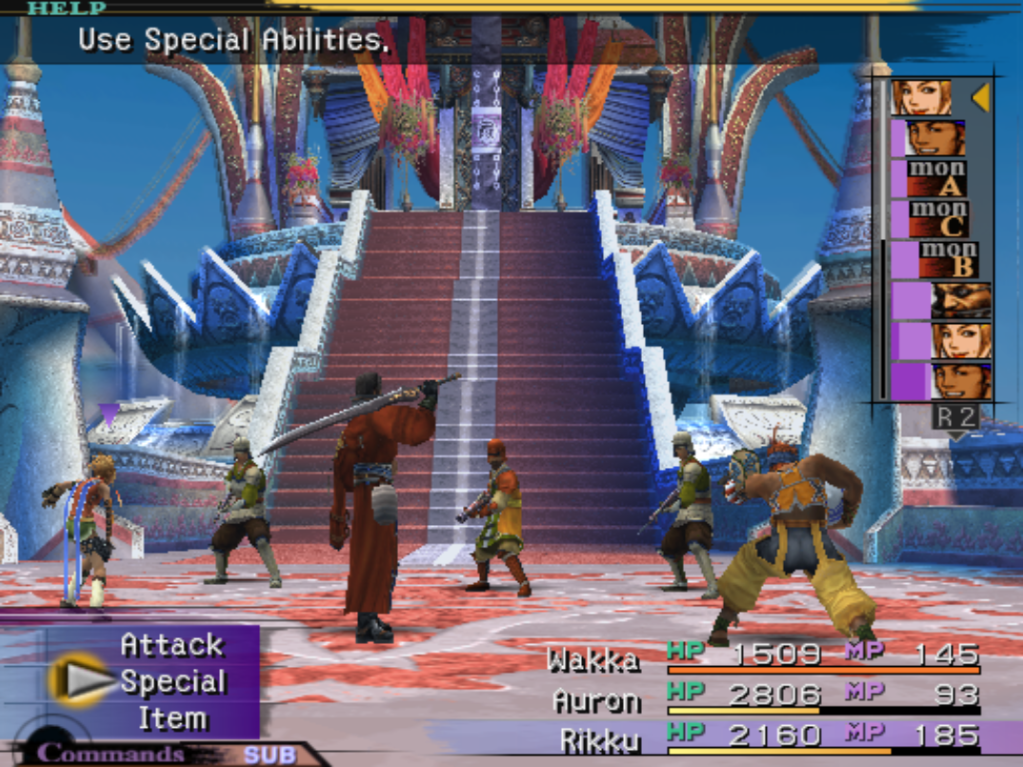

X melds this past mechanic with a bit of something unique. Just like in the first three games, you can take your time when selecting a move. If you sit on the command screen and press nothing, the game will go on infinitely. However, you’re only inputting a move for one character at a time. You get a bar on the right side of your screen that shows what actions are coming up and who is next.
This feels a bit like Final Fantasy Tactics, which let the player see ahead if they dug into a menu. This allows for some advanced plotting. But by having that information right in front of the player at all times, it’s a constant reminder that every action needs to be thought about. If you see Tidus has a move and immediately BOSS has a move right after that, you need to ask yourself some questions.
Can I survive an attack right now? Should I heal up right away? Can this enemy die right now, would going all out take care of that? Is this character worthless in this situation and should I just punt this turn to set myself up for something better down the road? Almost every important battle feels more strategic than similar ones in the past.
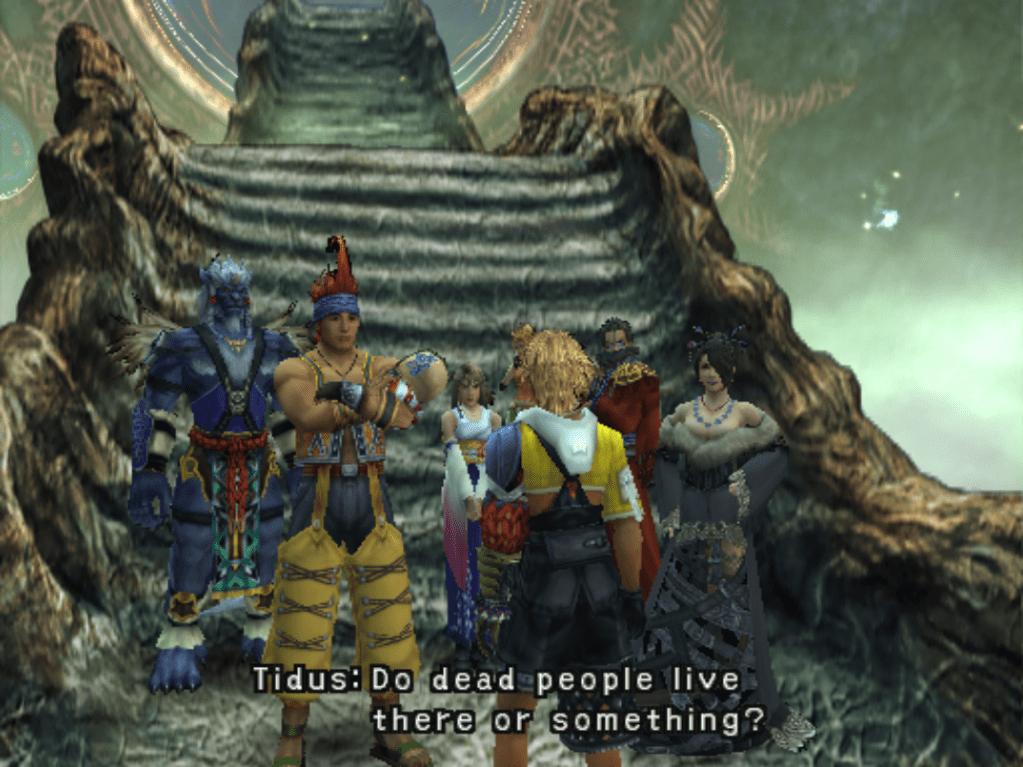
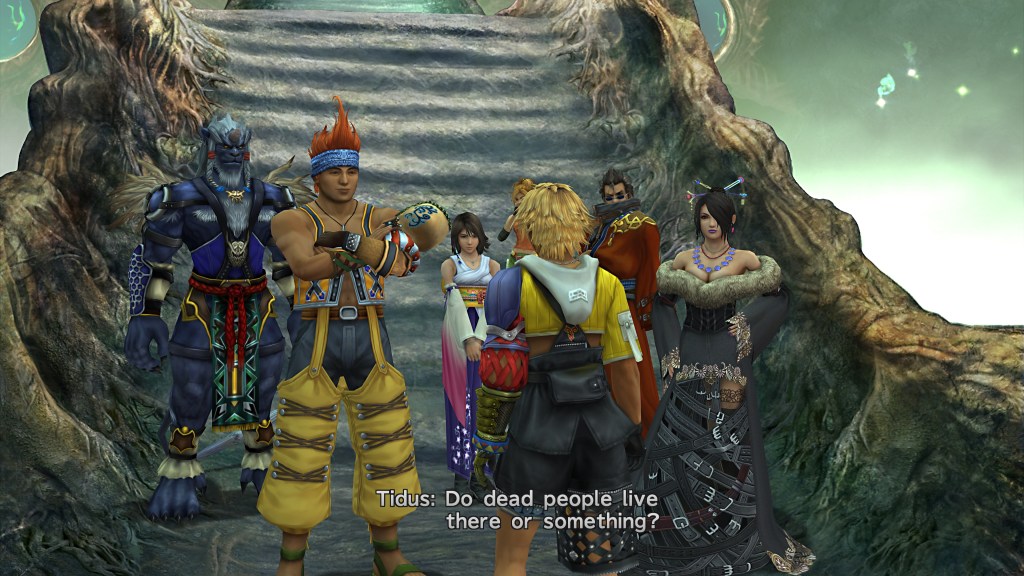
An additional layer to this is the party swapping system. Final Fantasy VI was the first game that lets you swap your party members to have a customized experience. In VI-IX, your party composition was extremely important. You needed to think beforehand about what your strengths and weaknesses are and make a team based around that.
For instance, in IX, carrying both Eiko and Dagger in your party has a downside in that they both specialize as healers, so you’re sacrificing some DPS for healing. Once you had your party, that was it until you could find a save point to change things around. So if you couldn’t tackle an obstacle, the choices you made in party construction could be blamed for that.
X tosses this aside. You can swap out party members in battle whenever you want. This is, without a doubt, the best part of Final Fantasy X. It allows you to become intimately familiar with the strengths and weaknesses of your cast and adds a little extra layer of strategy.
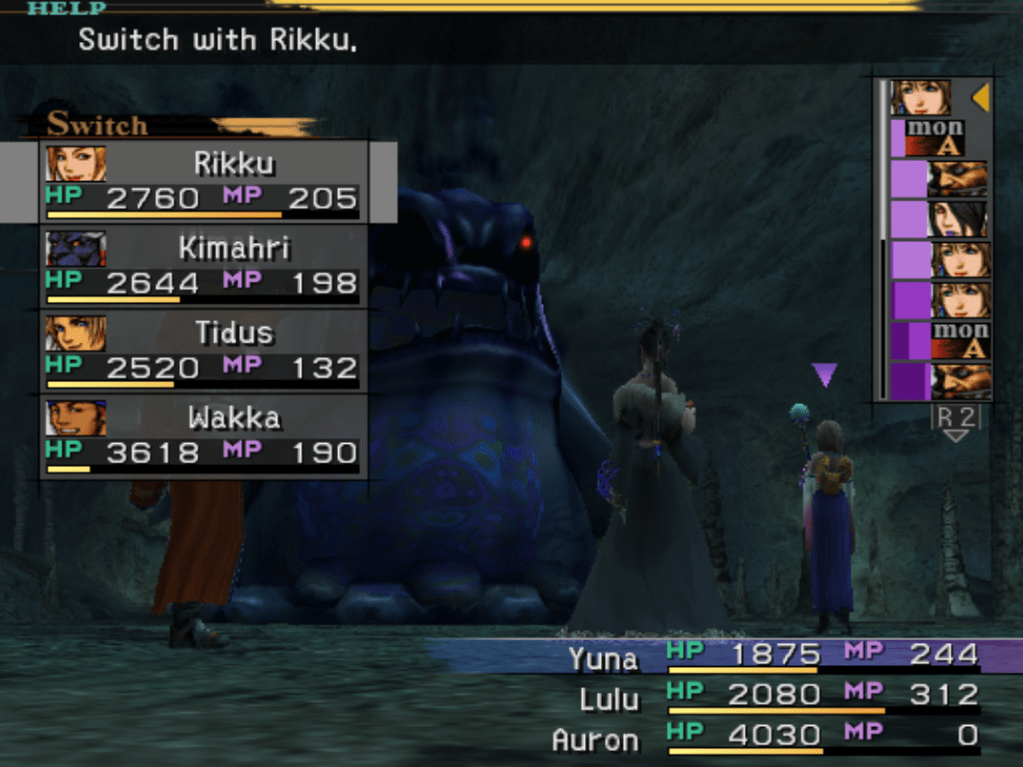
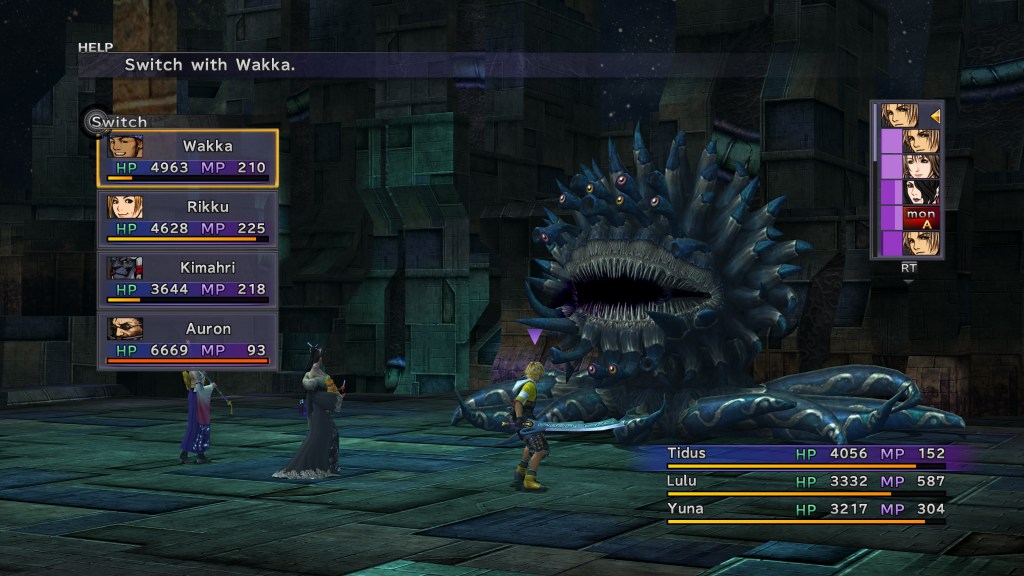
You may switch someone in because they are really fast and can get you an extra turn to work with, you might switch someone in because they hit a certain type of enemy hard or you may bring someone in to prepare for an enemy onslaught. There’s lots of wrinkles here.
It makes every single character feel like they have a defined role and purpose in the party. Switching everyone into battle to get EXP can make random encounters go a bit longer than they did in the older games, but the amount of thought and effort that goes into each encounter increases exponentially.
I think the average player is more likely to form a bond with the side characters here just because everyone is useful. You always have everyone there, it feels like a true team. There’s no Amarant to always sit on the bench for you.


The combat really shines during more complex boss encounters. For instance, two foes towards the end of your journey are great for different reasons. The first one is at the end of Zanarkand and involves placing each of your characters on one of six tiles.
The boss counters every maneuver you do, but only in a direction he’s facing. So you need to think about where your characters are for each action they take and to keep your party moving around, the boss will occasionally use insta-kill moves on certain tiles. It’s a unique twist using this game’s mechanics to really shine.
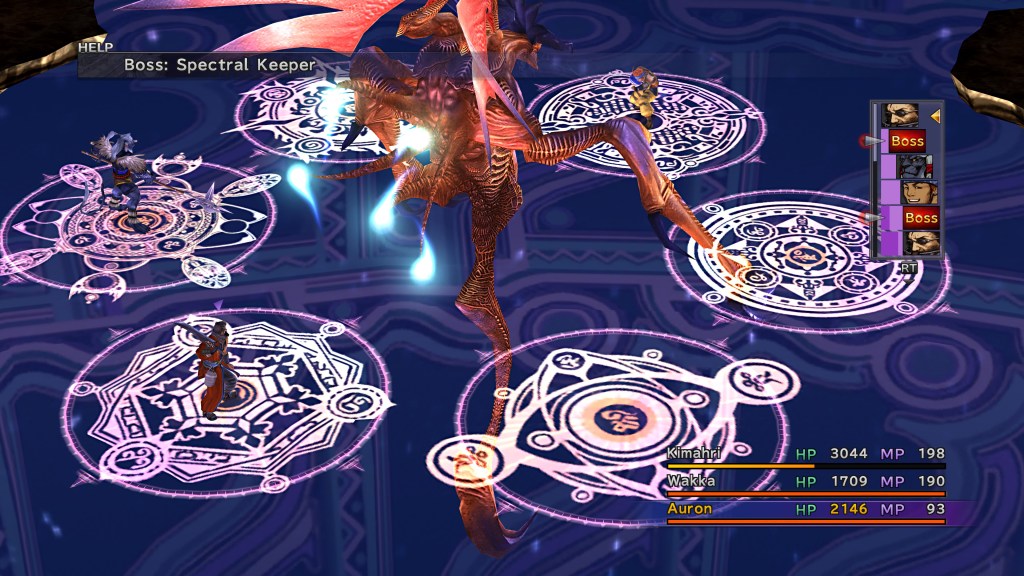
(I forgot to capture this on the PS2 version, apologies)
The next boss I want to talk about takes place immediately afterwards. Yunalesca. She’s one of the hardest bosses in the game and even has a really long unskippable cutscene beforehand, which I’m sure annoyed the hell out of people. The key to success here involves letting your party stay inflicted with zombie. Zombie is a status ailment that does not let you heal up, as healing spells damage you.
However, this boss will randomly use a death spell that instantly kills your party. Death-nullifying gear is hard to come by, but you know what nullifies death for free? Zombie. So the fight involves looking at the turn list and sort of intuiting when to heal the zombie status effect in order to restore your HP but NOT be free from zombie so long that you get killed by the insta-death mechanic. It’s tricky, but it makes every turn feel absolutely crucial and, as a result, makes the fight feel really engaging.
Spherical
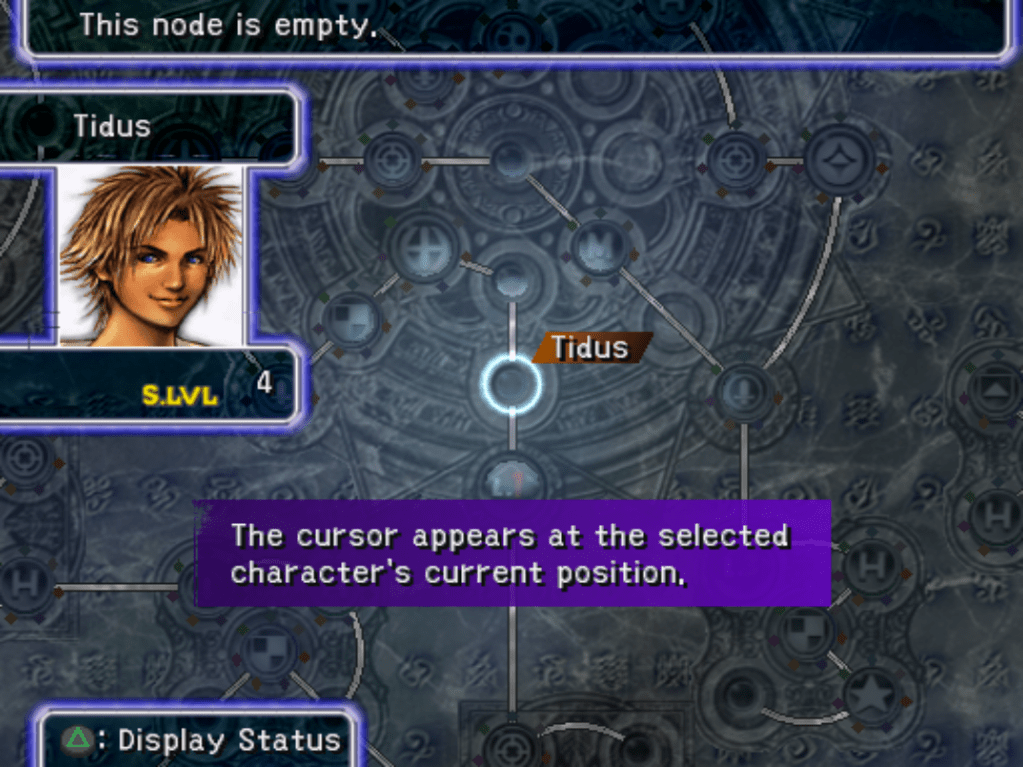
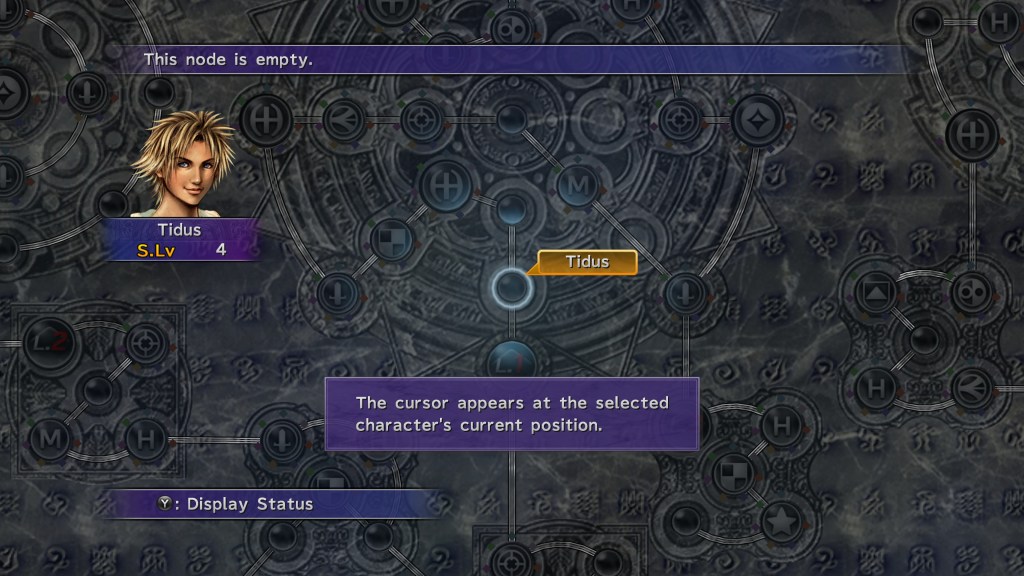
You’d think the removal of the ATB would be the only radical shift taken, but no, leveling has also been addressed. Ever since Final Fantasy III, getting enough EXP to increase your level has been the standard path the series has taken. In X, there is no longer a little number right by your character’s name signifying how strong they are. Instead, you gain levels that let you navigate around a grid that give your characters stats.
This is called the sphere grid. In the original release of Final Fantasy X, your main cast all start at unique points of the grid that sort of fit their character archetypes. Tidus gets a lot of dexterity boosts, Auron gets a lot of strength boosts, Yuna gets a lot of white magic and healing skills, stuff like that. The exception to this is party member Kimahri, a beastman from a race known as Ronso, who starts in the middle. This lets you customize him in more ways.
The International version/Remaster offers you the option to play on an expert sphere grid. This places every character more in the central Kimahri zone, which lets you theoretically customize everyone uniquely if you so want to.
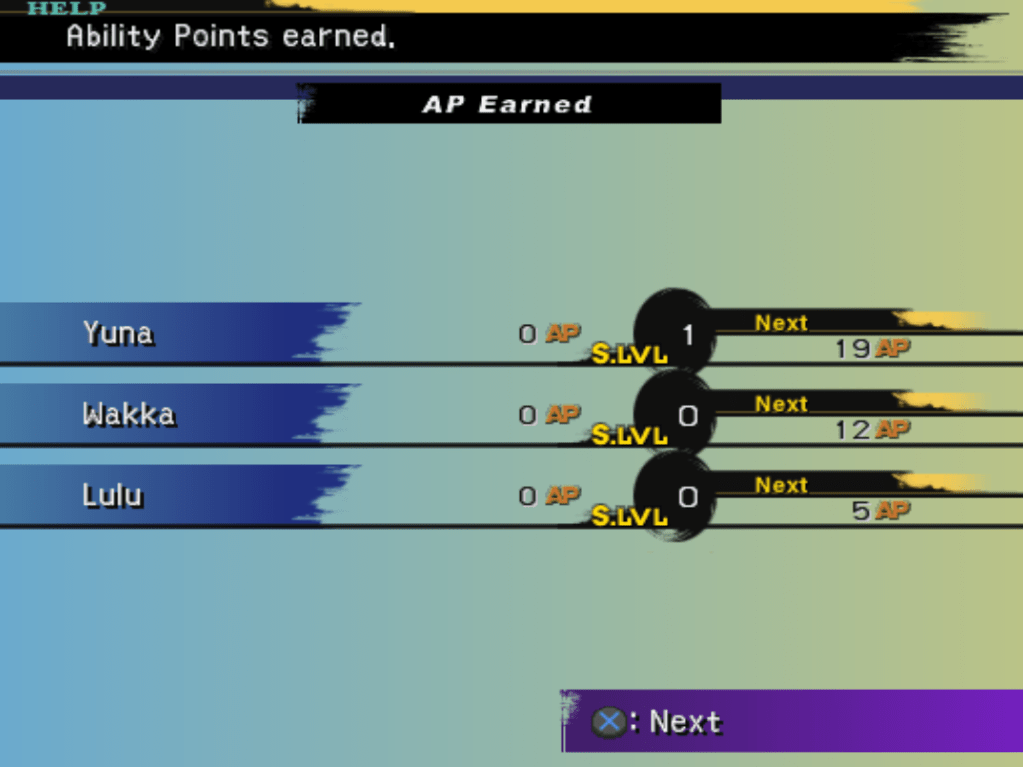
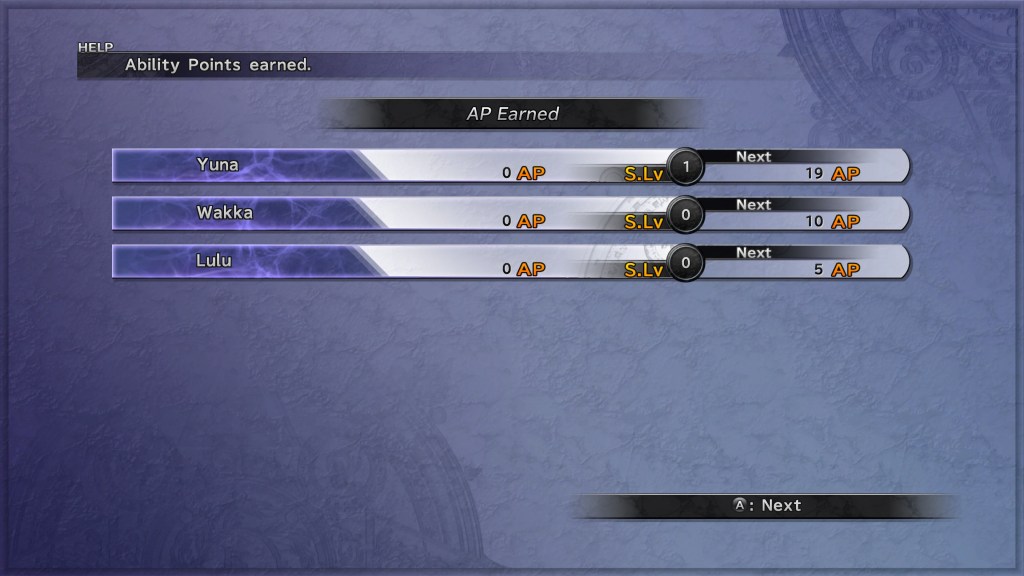
However, having a lot of experience in both grids, let me tell ya this: it doesn’t matter. The normal sphere grid is very naked about the linear progress you take, but the ‘expert’ grid is every bit as straightforward. Despite starting near the middle, characters are all right by where they would start on the normal grid.
The player has to go out of their way to take Tidus and place him on a magic path, for instance. If you’re just playing normally, your main character will just go on the same dexterity heavy path they were always meant for.
And despite everything you might have heard about how open and free the sphere grid is, it just isn’t true. The sphere grid, just like the main story of the game, is extremely linear until you hit the end of a character’s path. You know when you hit the end of a path because there’s a sphere with (likely) a lock that requires a specialized item to open it.
There are occasional diversions to take on this path, but they’re only slight and impact your stats by a point or two. For 90% of players, the sphere grid is just a straight line. There’s nothing wrong with that, leveling in FFIV was a straight line, but if someone tries to tell you that the sphere grid is some sort of revolutionary leveling up system…it’s not really. It’s a gigantic deceptively linear skill tree.
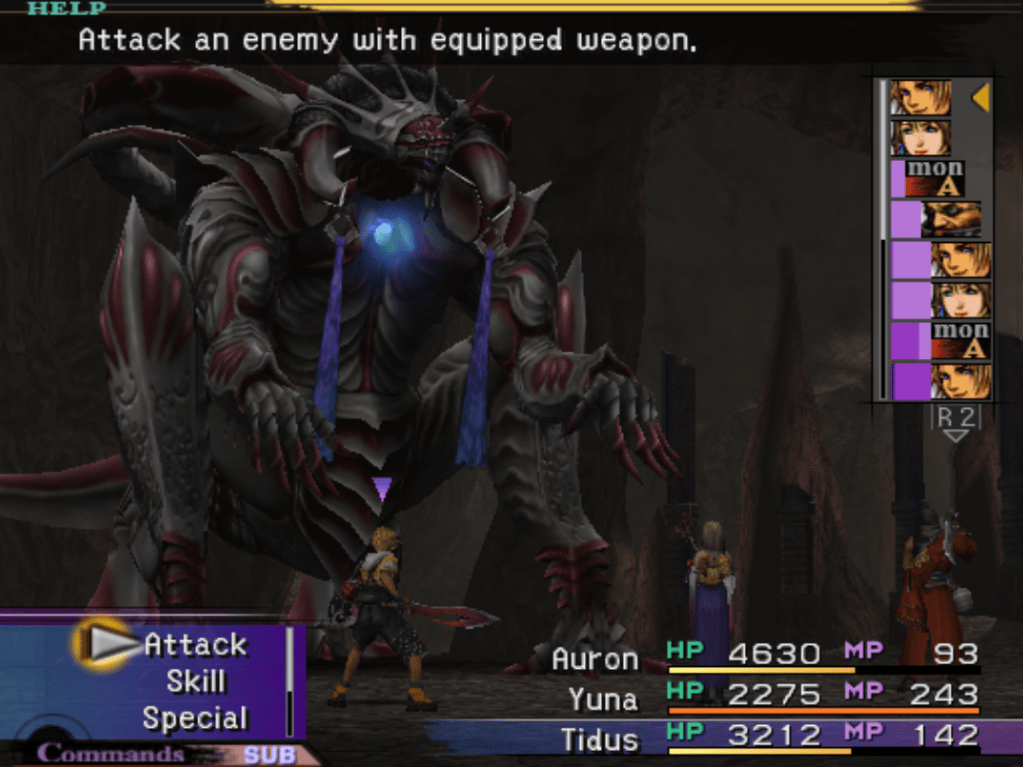

I do mention how it opens up though and that’s where the fun begins. When you reach the end of a character’s segment on the grid, you need to choose another path. This is the area of most customization because, for me, I usually hit the end of a character’s path right near the end of the game. So from that moment on, I can get them some extra skills that may be of use against the final dungeon and boss.
Since everyone is on the same grid together, eventually these differences fade. If you’re grinding for the end game, the stats for your roster will end up mostly the same. It’s an interesting approach to character progression, but I think it’s probably the single most overrated part of Final Fantasy X. Replacing the sphere grid with normal levels would be difficult for most players to notice.
However, if you’re into challenge runs, it’s nice to have a lot of options to work with. With the expert grid you CAN go into some wacky directions, it just takes a little more work, so at least the option is there. I just don’t think it matters to most people.
Asking for help
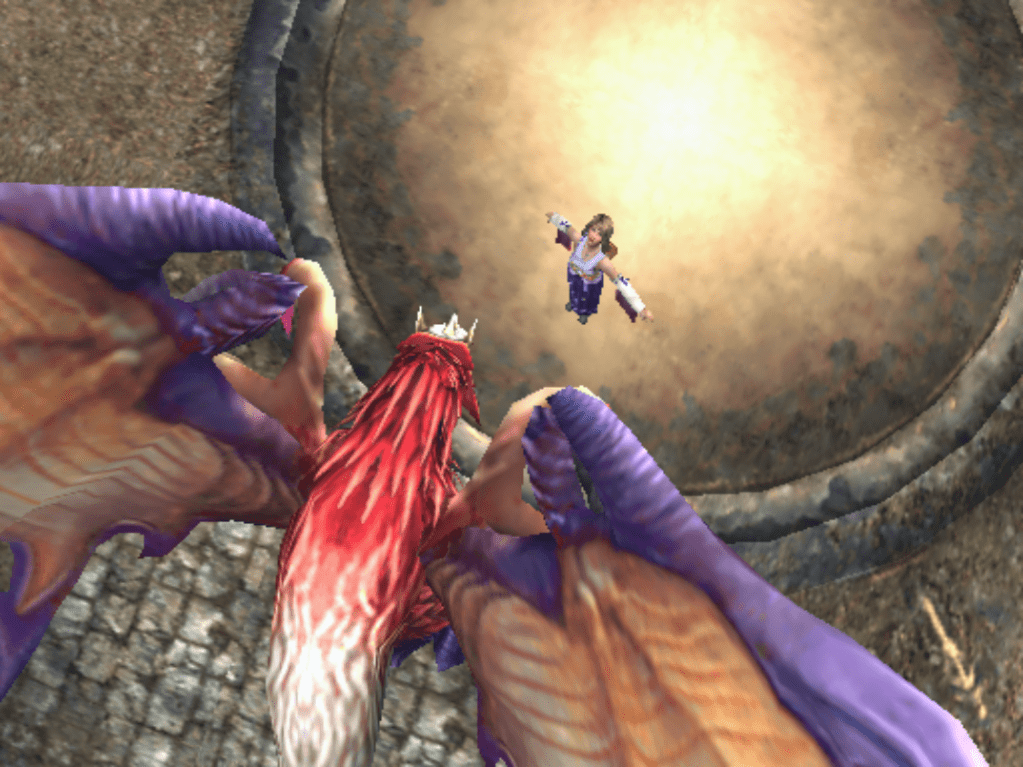
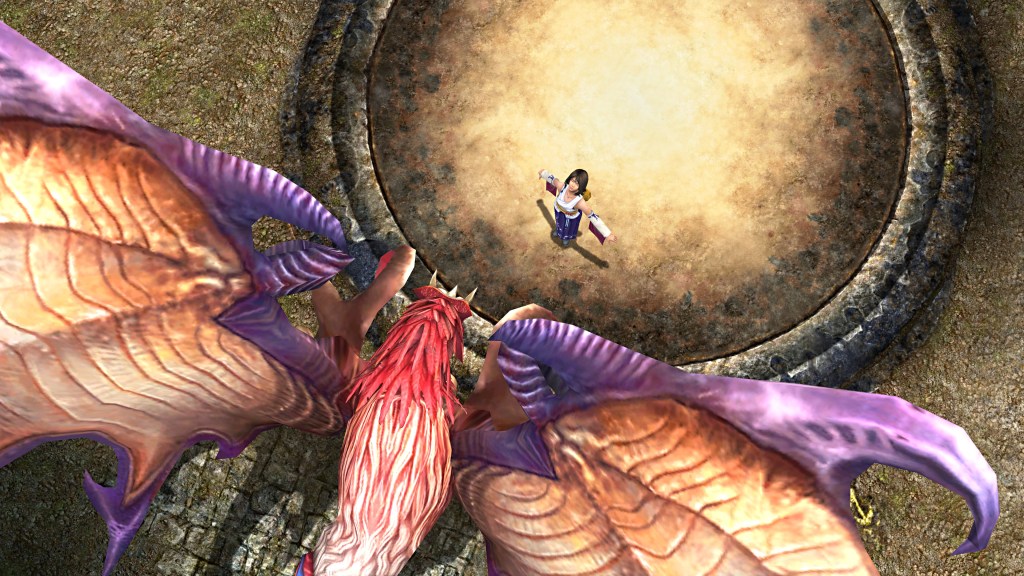
One other shakeup to long established series norms is how summons work. Until this point, summons have been a one-hit wonder. You use a turn, cause massive damage and get to see a nifty animation. X throws this out the window and instead has the summon fight like a normal party member would.
The game emphasizes how important summons (aeons) are to the journey summoners takes, so the decision to have them feel like any other party member is sharp. It makes them feel more like part of the team than simply spells.
For most of the game, I treated summons as a damage shield. Often times enemies will give you a big hint when a heavy-hitting attack is coming up. So I would predict the future, call out a summon and tank that damage while the rest of my party remained unharmed. Once you get the powerful end-game summons like Bahamut, you might be more tempted to put them out into combat regularly.
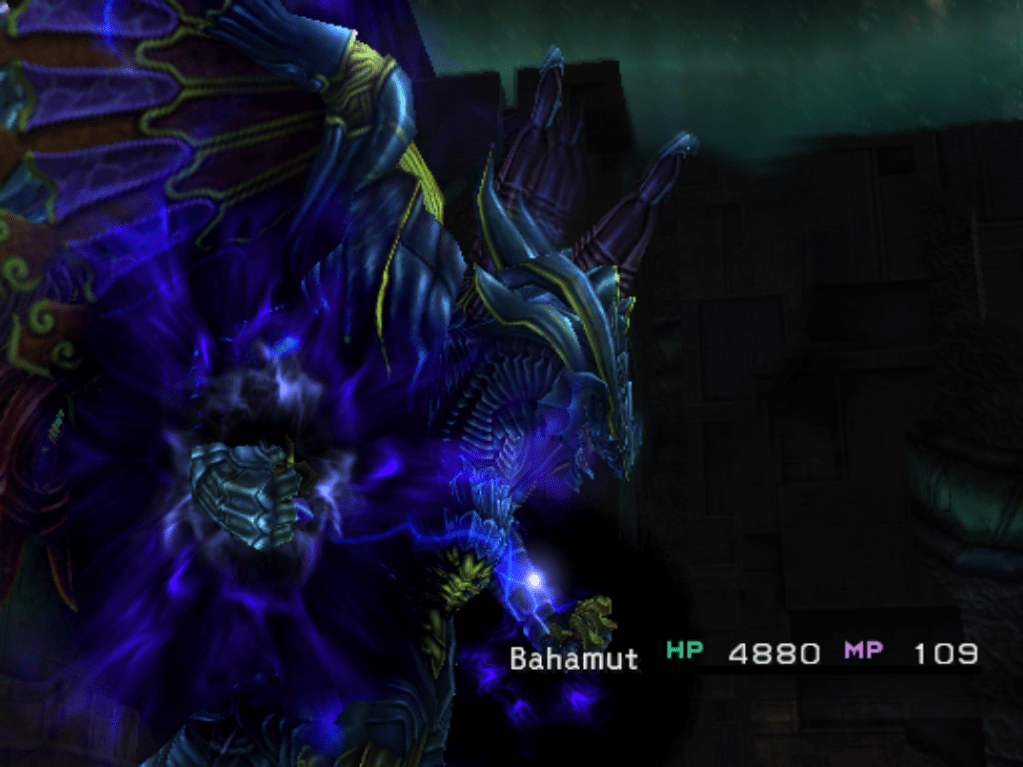
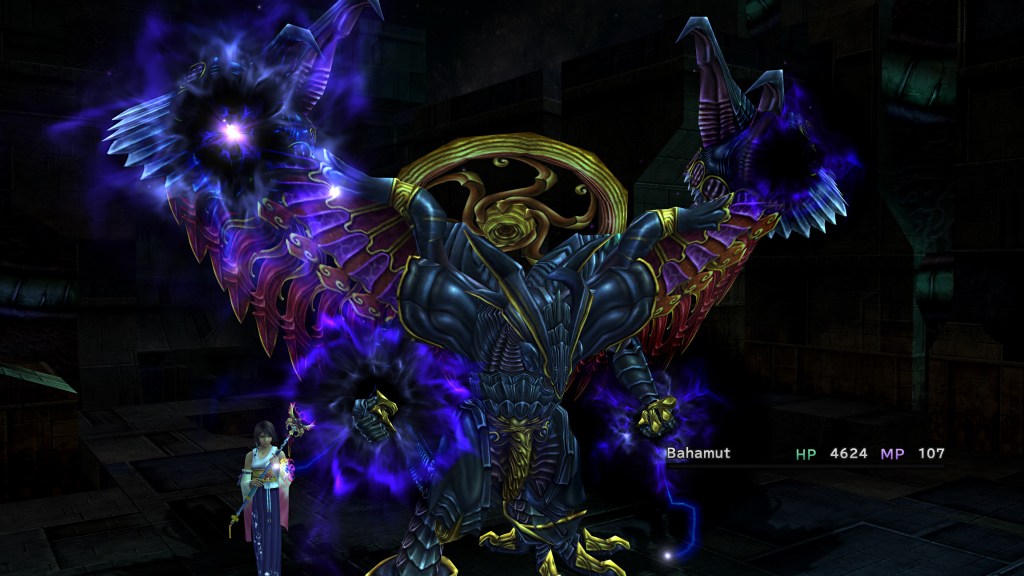
As mentioned above, the main journey in X is fairly straightforward until the end of the game where things open up. Almost everything the player has to do, outside of finish the game, involves hunting down ultimate weapons and powering them up. When fully powered up, these weapons all can break the damage limit. There are other ways to grab weapons that break the 9,999 ceiling, but the ultimate weapons are the most likely.
The king of the dragons is your first real hint that there’s something beyond the typical Final Fantasy combat experience. When you use his overdrive, there is a good chance that you’ll cause five digits of damage. In every game before this, 9,999 was the hard limit and most players probably assumed that here too. But you see that fifth digit and your mind goes wild with the possibilities. So, let’s talk about the side content.
Endgame

Finding the weapons themselves is not a problem. They’re actually pretty conveniently located for the most part. However, making them actually useful requires a lot of leg work from the player. You need two items to power up the ultimate weapons, a crest and a sigil for each. The crest is typically easy to find but the sigils are notoriously tricky. The flood of minigames from VII returns at the very last minute to flesh out your journey to an all-powerful party.
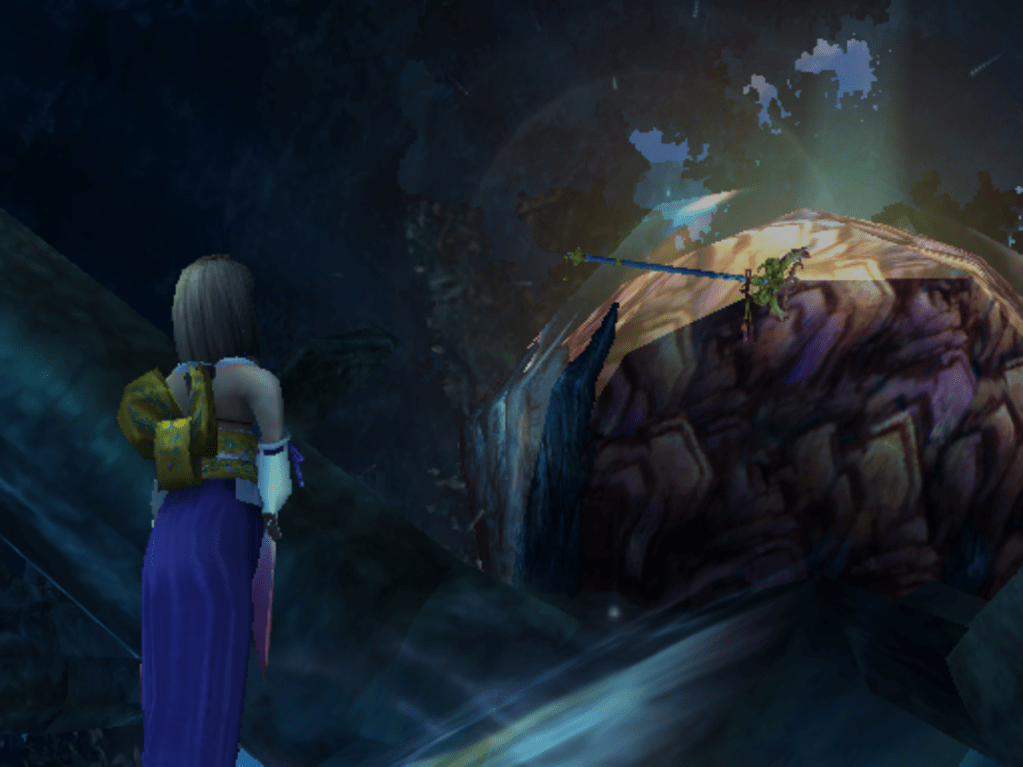
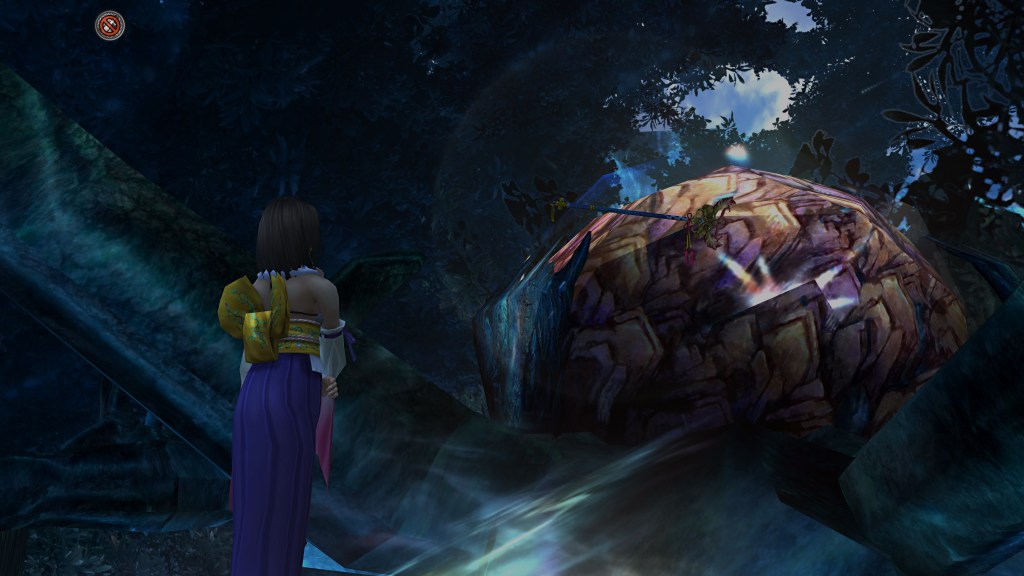
There are two that immediately leap to mind. First is the sigil for Lulu’s, the party’s black mage, ultimate weapon. You need to dodge 200 consecutive bolts of lightning in the Thunder Plains. This is actually pretty manageable, particularly in the remaster where there are spots on the ground that trigger the bolts of lightning, but seeing the number 200 and the words consecutive are more than enough to scare away most players.
The other involves a Chocobo racing mini-game for Tidus’s ultimate weapon. You have to take a chocobo that doesn’t control very well through an obstacle course. You need to collect balloons while dodging birds. Every balloon collected subtracts from your total time on the course while every bird hit adds to it. You need to finish the obstacle course with a time of 0:00:00 in order to get the sigil for Tidus’s weapon. Needless to say, it takes a lot of patience and practice to achieve this, which will filter a lot of players away.
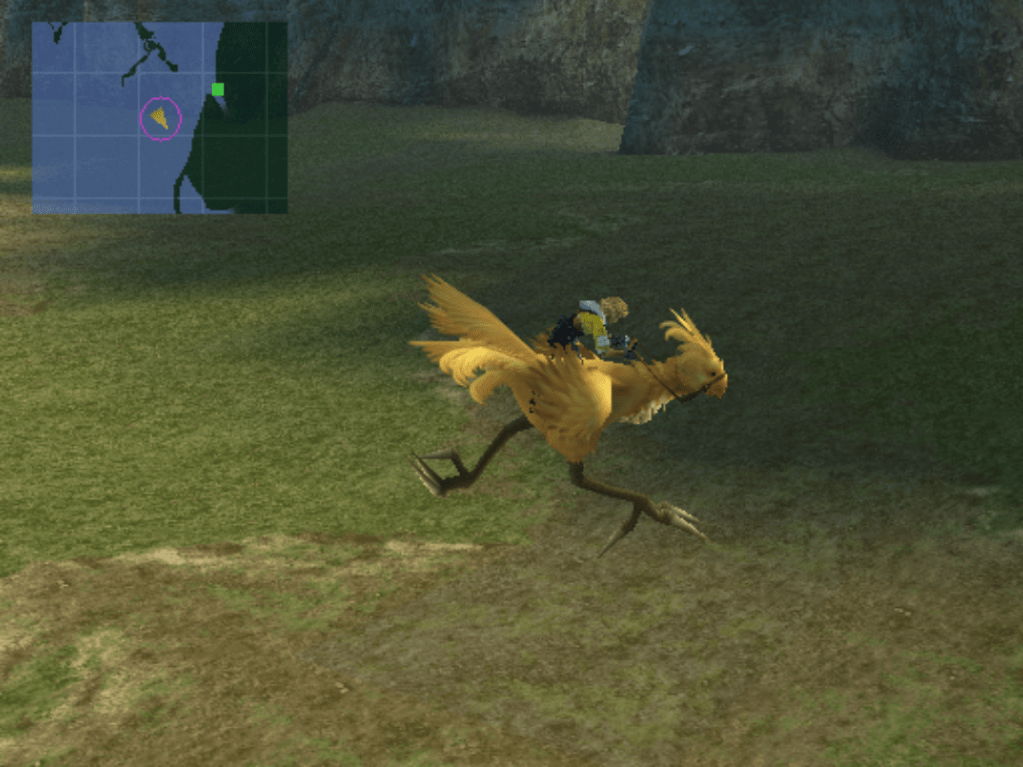
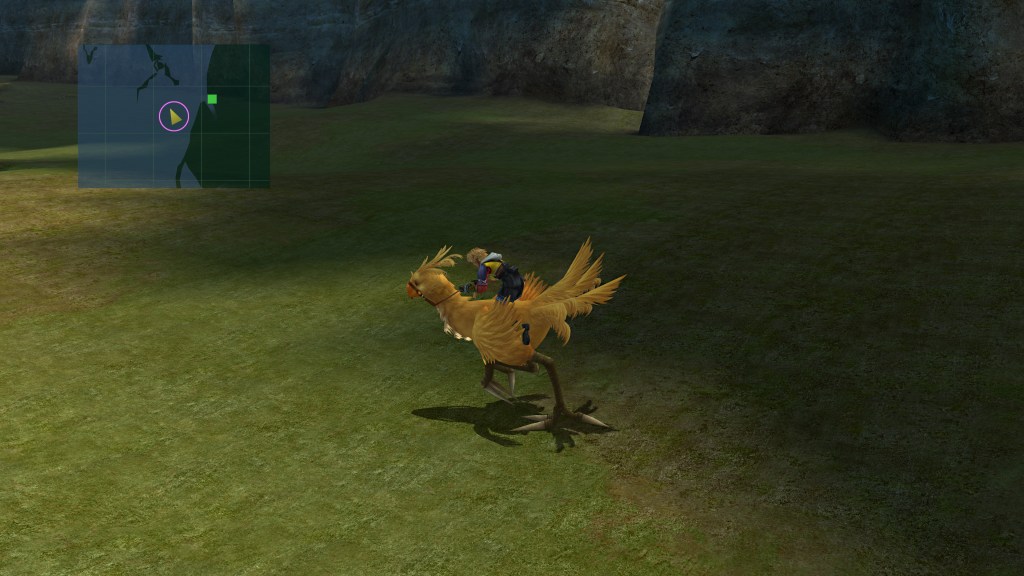
Not all ultimate weapons are quite that difficult to finalize, but that’s a sample of how annoying they can get. Those two aren’t even the most time consuming. Wakka’s ultimate weapon involves playing a lot of Final Fantasy X’s main minigame, blitzball, in order to fully unlock. Blitzball takes at least 10 minutes of time to complete a game and you’ll need to play tens of games in order to unlock EVERYTHING for Wakka, so it requires a lot of dedication.
What’s the point of grabbing all these ultimate weapons? Once you’ve fully powered everything up, the final boss should prove no problem. Well, X has a crazy amount of extra bosses to encounter. Even the original release has a ton of monster arena baddies that hit harder than anything in the main game. Basically the journey to power up your weapons gets you ready to tackle these arena monsters. You’ll still need to do some grinding to beat the original superboss, Nemesis, but I would describe the workload as manageable.
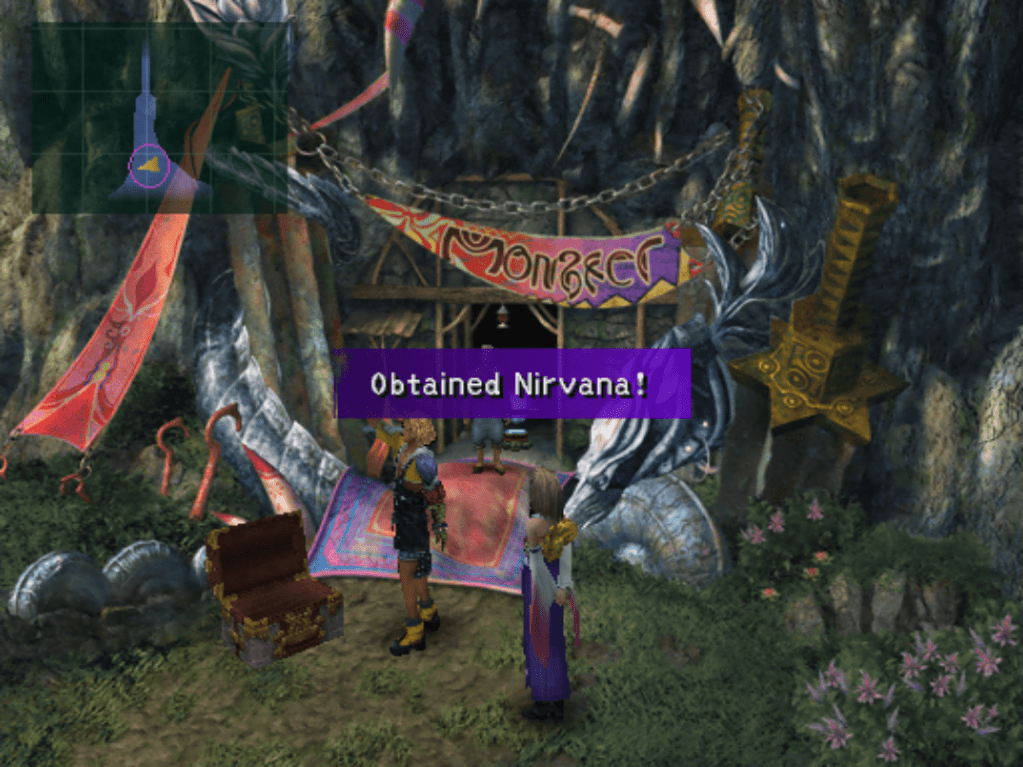
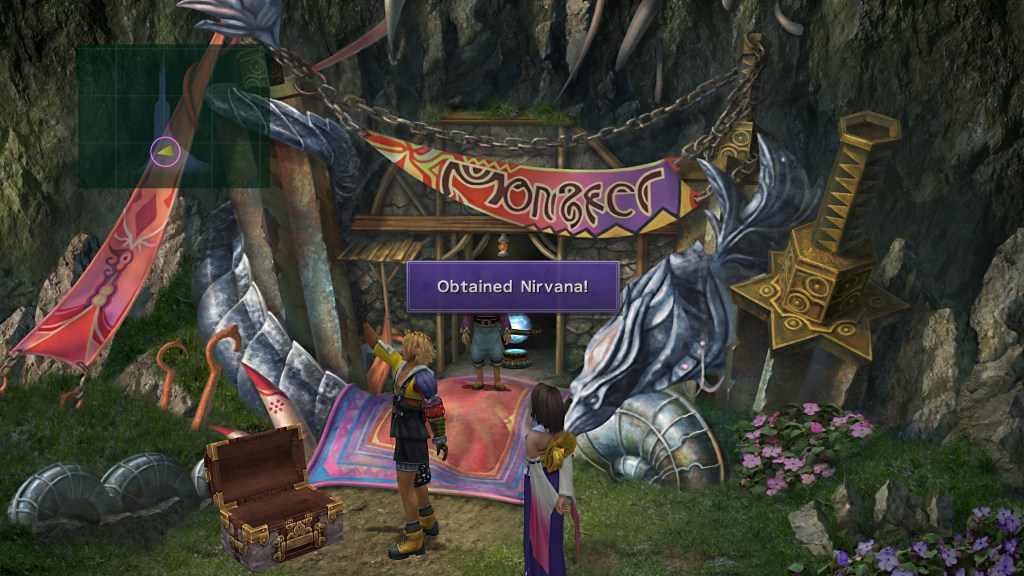
The remaster adds even more super boss content, throwing in dark versions of the aeons to fight with. These require a lot of preparation and grinding and often come to you in pretty inconvenient locations. I think their inclusion is a bit of a problem, though.
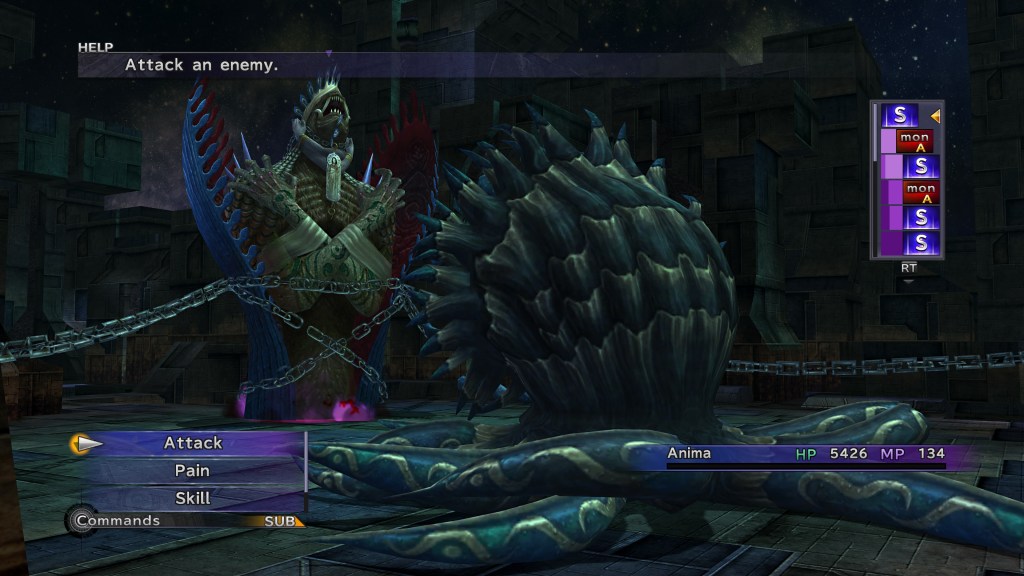
One of the easiest paths to entering the endgame is the aeon Anima. He easily breaks the damage limit and can take care of a lot of late game encounters by his lonesome. The way to acquire Anima is to find a secret treasure during the game’s cloister of trials segments, which are large puzzles one must complete to unlock summons in the first place. Essentially completing a smaller puzzle as part of a larger puzzle.
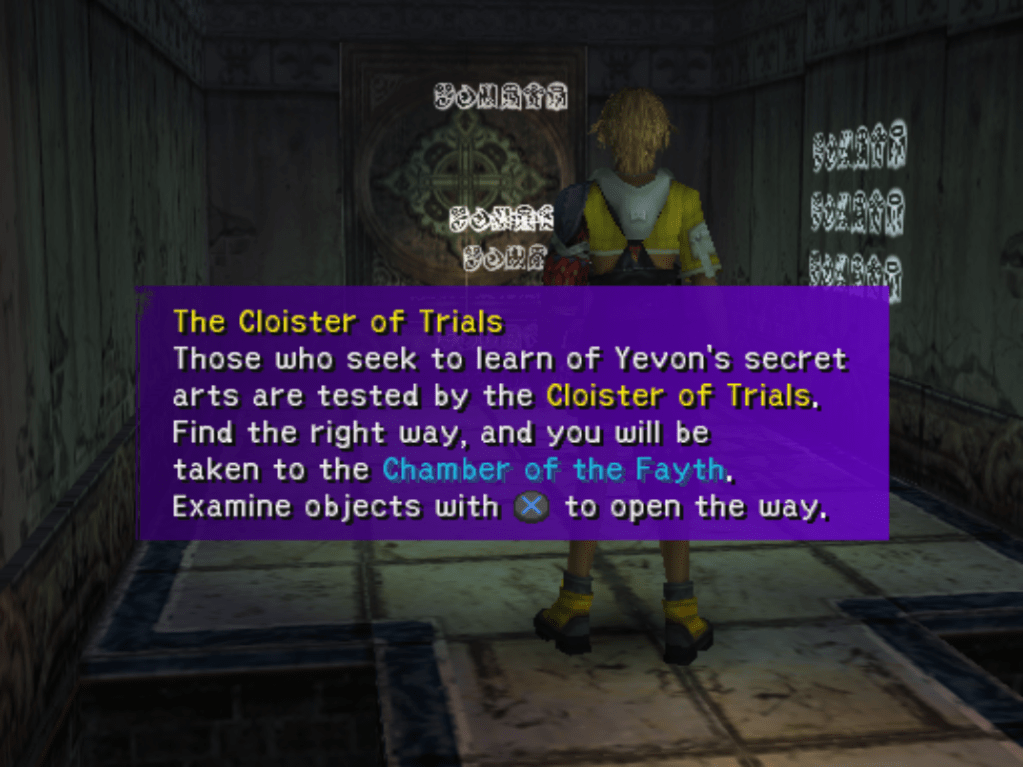
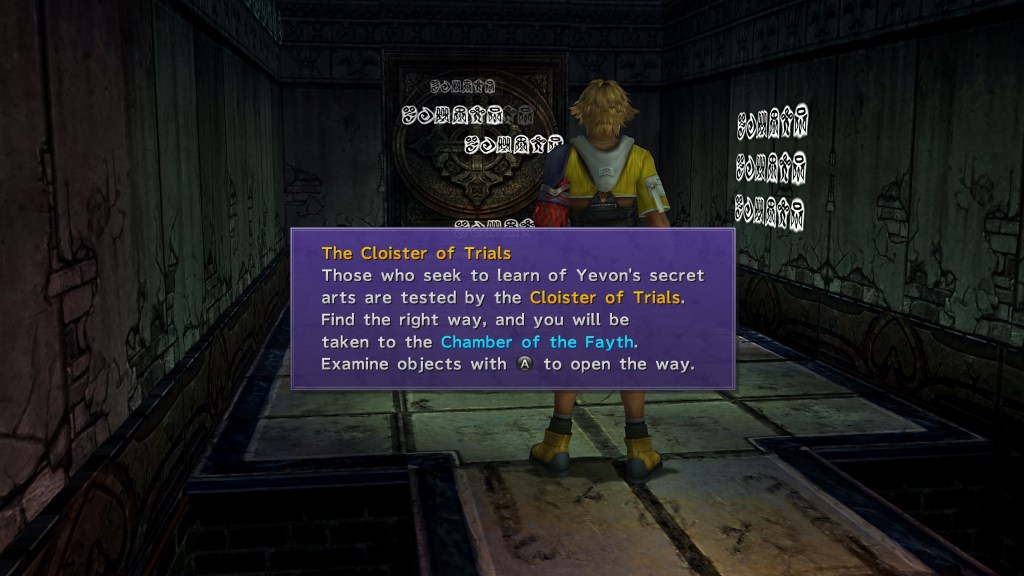
In the remaster, a new player might not know the look for these things. So when they get to the endgame and look up a guide, they might decide to go after Anima and hit up these little puzzles. So they get to Besaid temple, the very first one in the game, and…Dark Valefor is waiting for them. And he hits way harder than the game’s final boss. Essentially, the player is locked out of Anima until they do some intense grinding. But Anima is supposed to make the grinding easier. Really, it’s a giant pain in the ass.
A similar issue pops up at the very end of the game. Tidus’s ultimate weapon crest is located in Zanarkand ruins. It’s very easy to miss if you don’t already know where it is. So if a player is looping back and trying to get every piece of gear, they might return to this spot in Zanarkand only to encounter Dark Bahamut. He is a LOT harder than Dark Valefor and he stands in the way of one of your most important characters breaking the damage limit.
I’m not saying attempting the horde of extra bosses is impossible without Anima or Tidus’s ultimate weapon. But I do think it makes it a lot harder to get started when you start with such a prohibitive handicap. It’s not a problem for experienced players, but FFX is an old ass game at this point in time. A lot of people’s first experience with it will be with the HD version of it. I think the inclusion of the Dark Aeons prevents new players from even dipping their toes into the deep end.
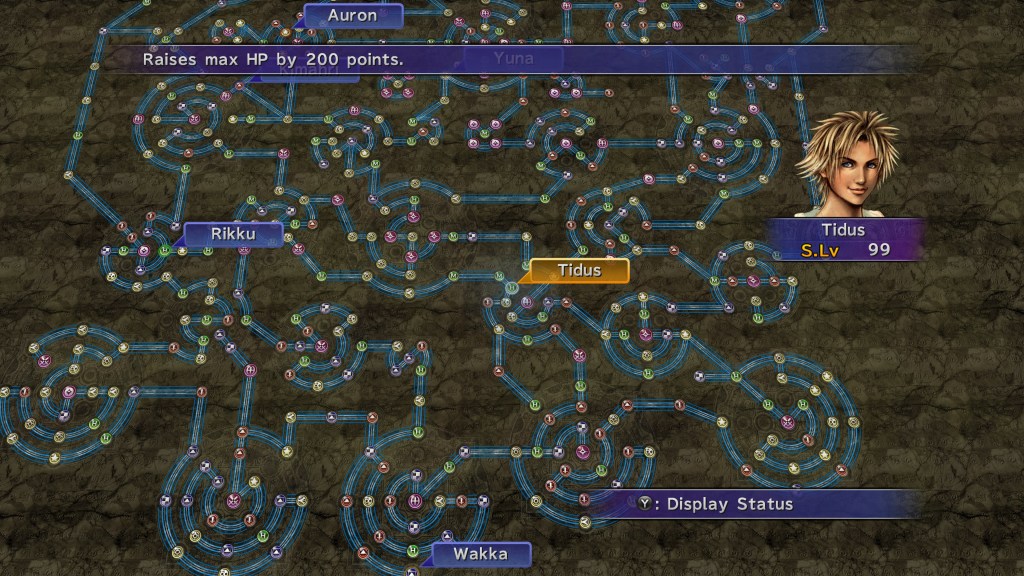
(This is from a different playthrough I did about a year ago. I did not complete the sphere grid for this retrospective.)
The ultimate final encounter in the HD version is Penance. I think this is a terrible boss. The player needs all of their characters to have mostly max stats, the one flexible stat is luck but that also needs to be pretty high, and as far as I’ve seen, the only winning move is to have every character use the same move over and over again. There’s little strategy, just monotony. The true challenge is maxing your stats and compiling armor that gives you bonuses like auto-haste. It’s just tedious.
As I said in the Final Fantasy V recap. I find the most fulfilling super bosses to be those that truly challenge the player’s understanding of the game’s mechanics. The HD remaster extra bosses do not give me that experience. It’s just a grind. I have a high tolerance for grinding, I love the Disgaea series which is literally all bout grinding, but here it’s just too much. It’s too tedious.
The original release, despite having less content, does it better. Less is more sometimes. Nemesis might not require you to complete the sphere grid, but at least there are a lot of ways to tackle it.
Feelin’ blitzed

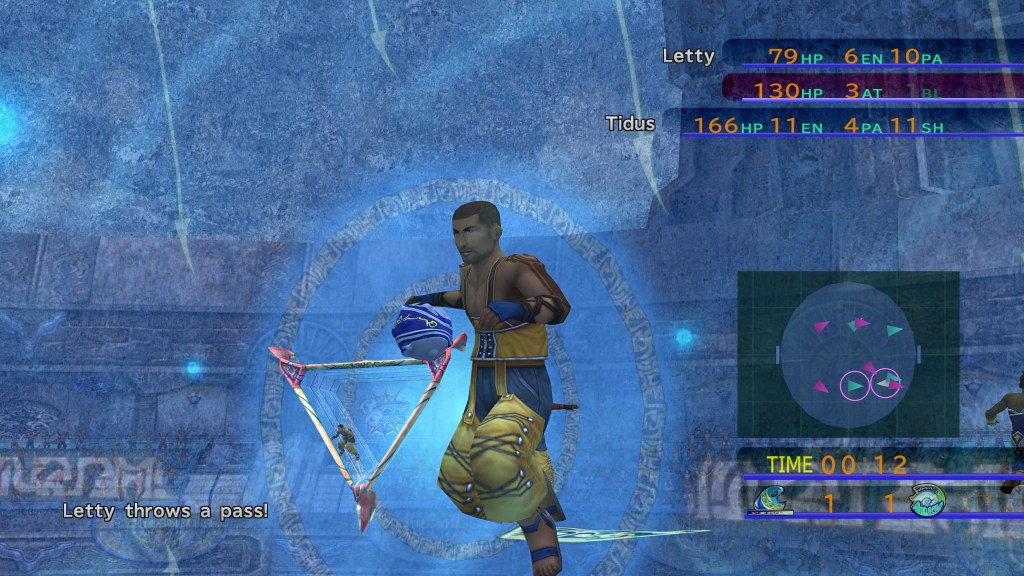
Most of the side content involves prepping for end-game stuff, but let’s talk about the main side quest. The chocobo breeding/Triple Triad/Tetra Master equivalent. Unlike everything else, Final Fantasy X puts this in your face early on and it’s constantly placed in front of the player throughout the game. It’s mentioned every time you save the game! It’s blitzball time.
Blitzball is a turn-based sports game. It takes elements of soccer and rugby, throws them into a blender and adds water into it. It’s a very stat heavy game that requires anybody who wants to engage with it to learn what each stat means before they can really win a match. You need to know what player is good at passing, what player is good at shooting, what player is good at defense and so on in order to succeed. It was brave of Square to throw a sports-based minigame into the middle of their Japanese RPG.
Blitzball seems to be an either love it or hate it thing. I rarely see someone who just goes ‘eh it was okay, it was a nice diversion.’ I think the tolerance of it might just come down to how familiar the player is with sports games.
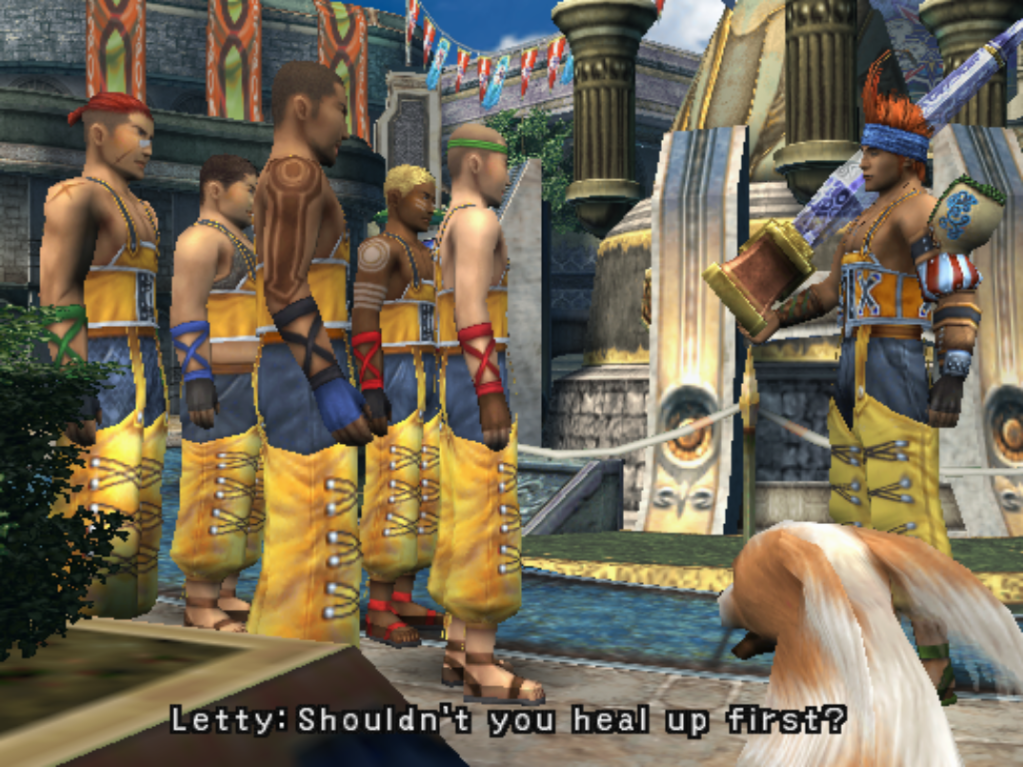

(Fun fact: I played this introductory blitzball game at the same time on both versions. I somehow won the PS2 version 2-0 while losing the Remaster version 3-2.)
If you understand sports strategies of moving the ball between different players and working around defensive failings, the actual game of blitzball is pretty easy. When I play FFX, I typically only lose two games of blitzball. The first one is because the team you play against in the mandatory first blitzball game, the Luca Goers, are much better than your team.
The second loss comes during my first match with the Al Bhed Psyches. The Psyches have the fastest players and the best goalie in the game, making the matchup pretty tricky, especially early on.
However, after these matches, my players all level up to a point where there’s just no challenge anymore. And I’m not some sort of sports game savant, you should watch me play Madden – all passes, running is for cowards. I’ve even reset blitzball stats in game so I can play through it again with some semblance of a challenge.


However, I understand the complaints a lot have with the game. I don’t think the in-game tutorial does a great job of explaining how to play, the rewards for performing well in it are really nothing special (if you’re not going for the end game bosses, why even bother?) and games take a long time. Tetra Master and Triple Triad took MAYBE a minute for a game to play out. Blitzball takes 10. 10x as long. People just don’t have that kind of patience.
I, however, love the beautiful game. I would kill for a standalone blitzball title. I keep save files around just to screw around in blitzball. It’s not a challenging experience, I just like it. I love this game’s sequel a lot more than most people do, but my biggest criticism of it is that they ruined blitzball! You either get it or you don’t.
Major Characters
- Tidus
- Yuna
- Rikku
- Wakka
- Lulu
- Auron
- Kimahri Ronso
- Seymour Guado
- The church of Yevon
- Yunalesca
- Sin/Jecht
- Yu Yevon
Before we get started, here’s a couple of things you should know. I mention some of these terms elsewhere, but I feel like it’s handy to place them here for reference.
Summoners
A person who prays to holy being known as the fayth. Praying to the fayth allows the summoner to attain aeons (summons). Summoners are the only means the world has to fight back against Sin. You encounter a variety of summoners on your journey. They all have different motivations, but ultimately they all want to destroy Sin and bring peace to the world.

Guardians
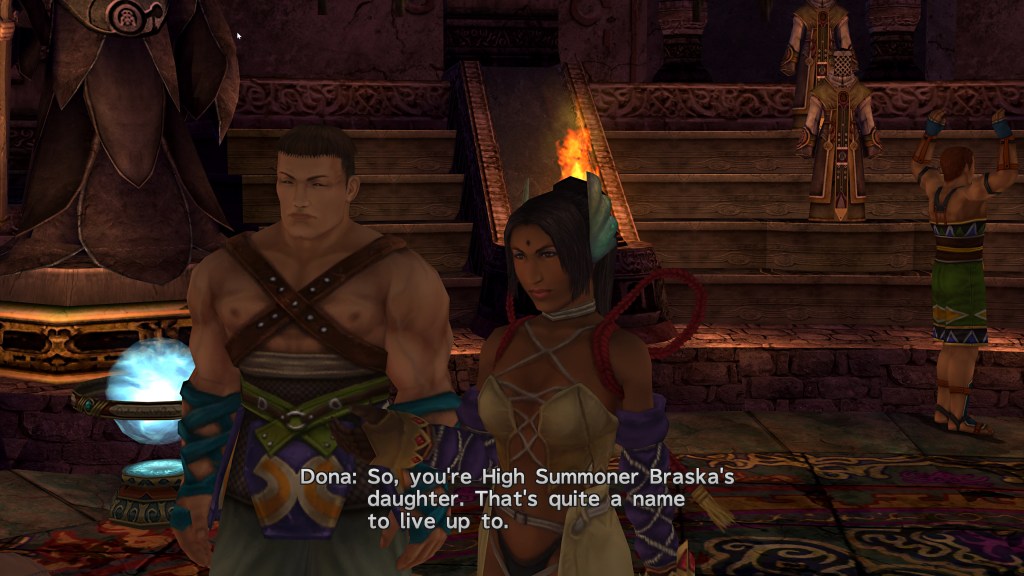
Summoners do not journey alone, they have a group of protectors that travel with them called guardians. Typically a summoner has one or two guardians and they are usually close friends or family
Sending
When people die in this world, their spirit kind of just lingers around. A few things can happen as a result of this. Their remnants can transform into monsters (fiends), they can continue to roam the world as fully sentient dead men or they can just accept death and go to the afterlife.
A summoner is responsible for guiding, sending, the dead to the afterlife to avoid the first two options.
This often looks like a dance.
The Farplane
The afterlife in this world is referred to as the farplane. It is a physical location in the world that people can visit. When someone dies, their essence is reduced into little whispy things called pyreflies. When summoners usher pyreflies to the farplane, they can take the shape of their former physical bodies if someone currently visiting the farplane is thinking of a specific dead person.
They don’t have actual thoughts or feelings, it’s just an illusion.
Pilgrimages
This is what they call the journey a summoner takes to defeat Sin. The pilgrimage involves visiting a variety of temples, getting aeons and reaching the ancient city of Zanarkand. Once in Zanarkand, the summoner must choose a guardian to become the final aeon. When the final aeon is summoned, the summoner dies, but Sin is defeated. The being inside of Sin, Yu Yevon, then takes over the final aeon and turns it into the new Sin.


The Calm
This is a period of time between when Sin is defeated and when Sin is reborn. It’s never directly stated how long a Calm lasts, but it apparently varies. Sin has been active for some time prior to the events of Final Fantasy X, so although Sin was defeated 10 years ago, Spira has not endured 10 years of Calm.
It is stated that, even though the Calm is temporary, it is ultimately worth the loss of life to experience a moment of peace.
Tidus
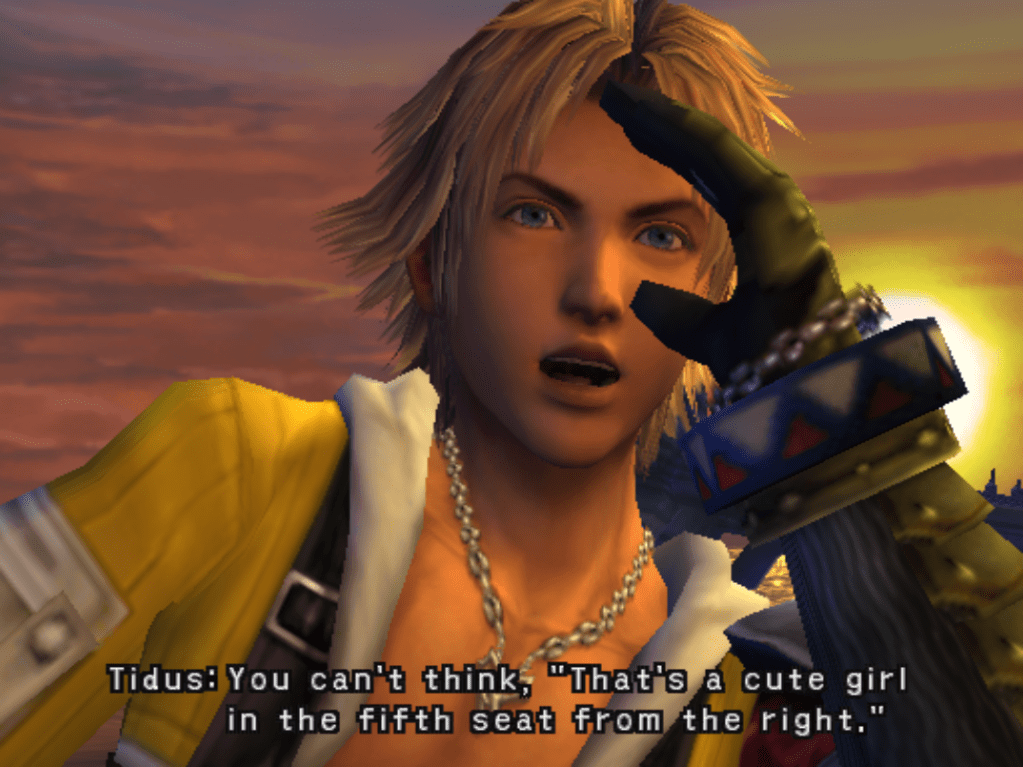
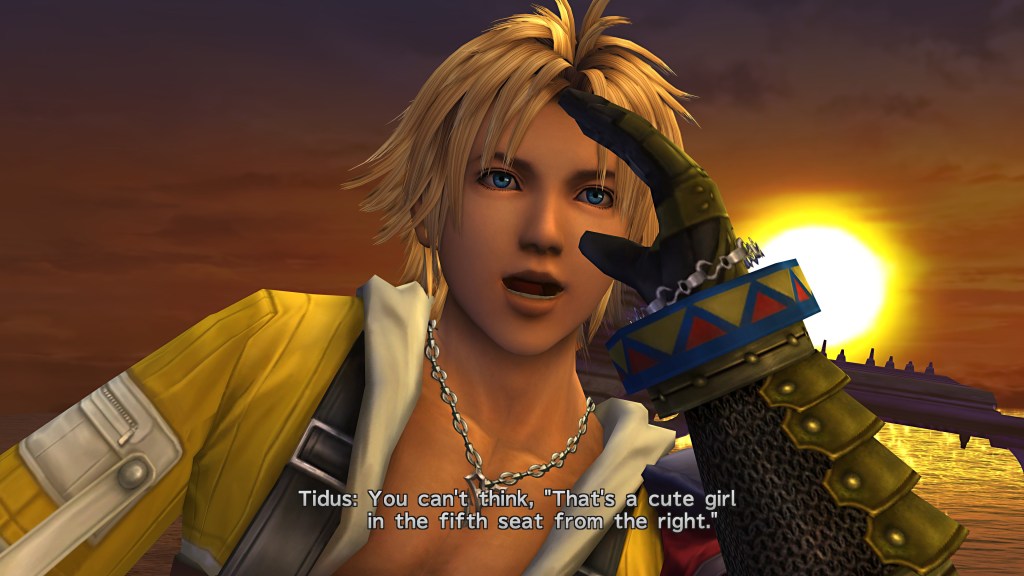
Here is your lead character, Tidus. This is the final time you could name the main character in one of these games and as a result, every instance of his name being pronounced is skirted around with either pronouns or the word ‘you.’ They never once say his name, which led to confusion for a long time about how it was pronounced.
It’s Tee-dus by the way. I think everyone knows that now, but back in the day it was quite controversial. I think this was an easy way to see who followed stuff in video game magazines and who didn’t. I knew before the game even came out that it was pronounced Tee-dus because I read basically every single preview written about the game and journalists helpfully pointed out the correct pronunciation.
I understand the confusion though. Water plays a heavy role in Final Fantasy X. The world is mostly submerged, the main sport everyone engages in happens underwater, wouldn’t it make sense for the main character to be named after tides? Hence TIDE-Us? I probably would have just avoided this entirely by calling him “Balp” or something. Kingdom Hearts (“Me and Teedus are gonna go splorin!”) and the audio drama that came with the FFX remaster helped clear all this up for westerners.


I discussed Tidus’s relationship with his father above, but this whole game is also about how our hero interacts with his new friends. Probably the most important relationship that he forms is with the female lead, Yuna. They make something of an instant connection and attraction. They both live in the shadows of their famous fathers and they are both trying to figure out who they are during a pretty trying time.
There is a large focus on a love plot yet again, marking the third game in a row where the protagonist and the leading lady have a clear thing. I would argue their relationship shares a similar importance to Squall’s and Rinoa’s. I don’t think you need to be invested in the two in order to enjoy the game’s story like I do with the former, but I do think the game goes to great lengths to make you like the two of them and see them be happy together.
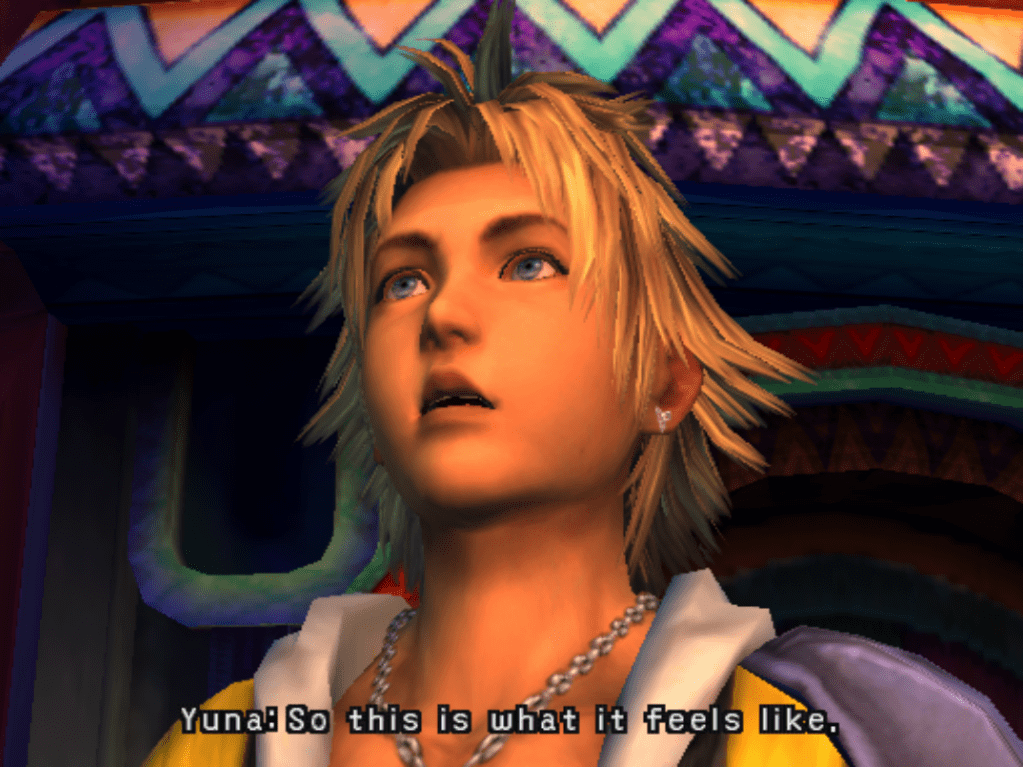
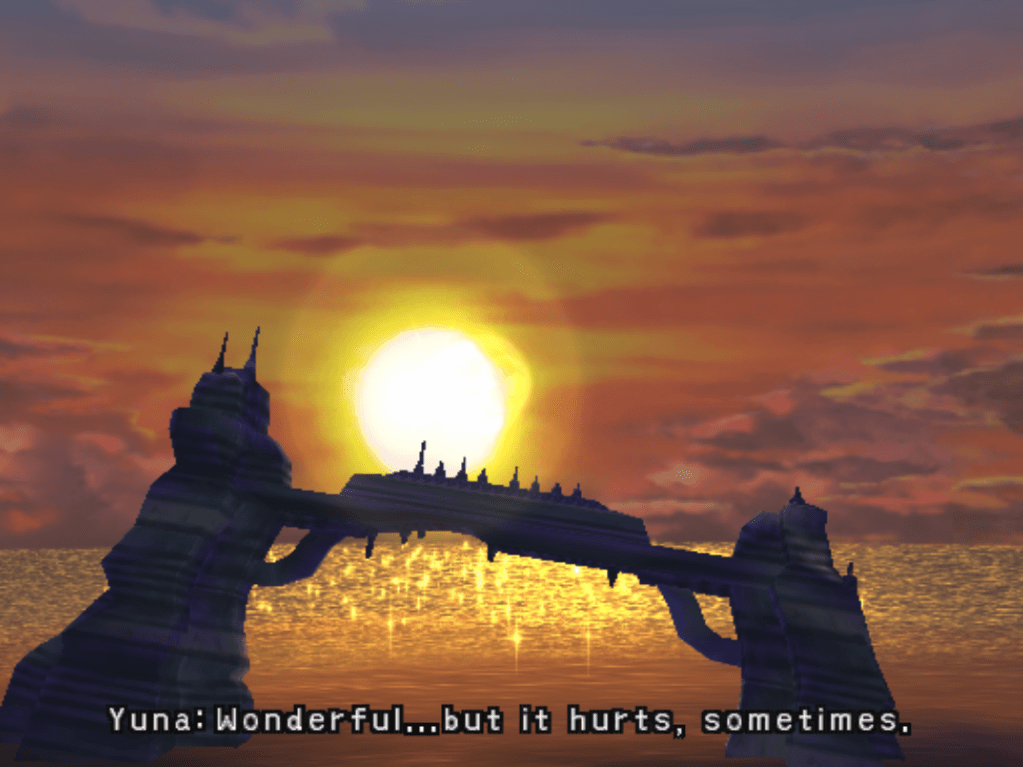
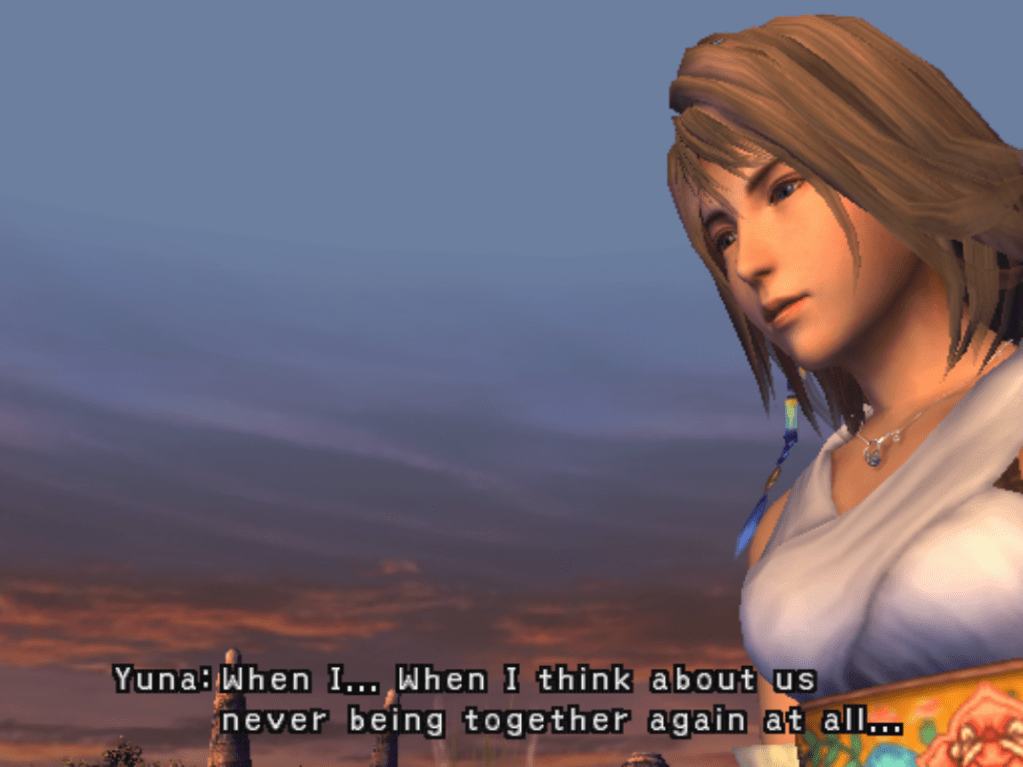
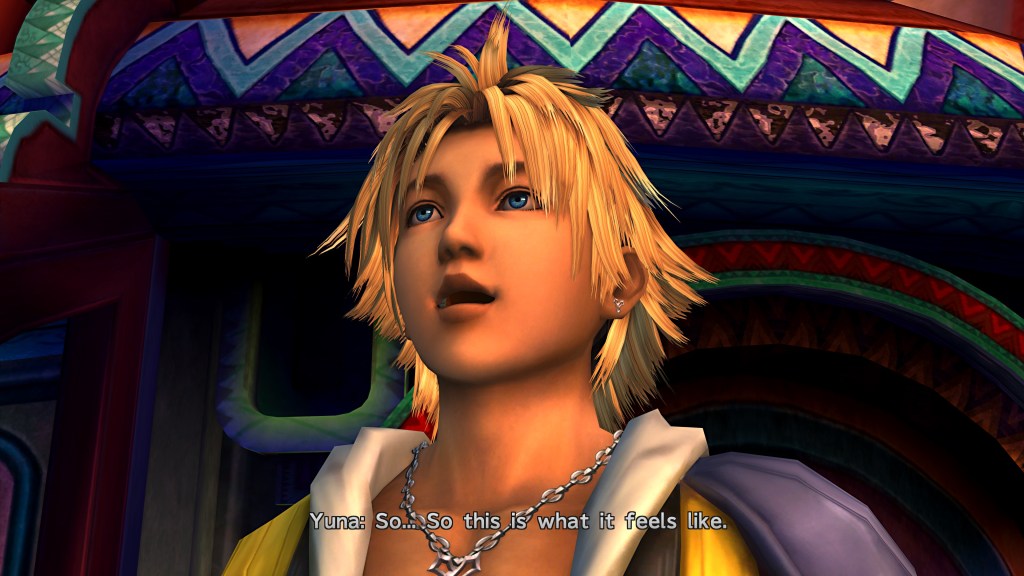
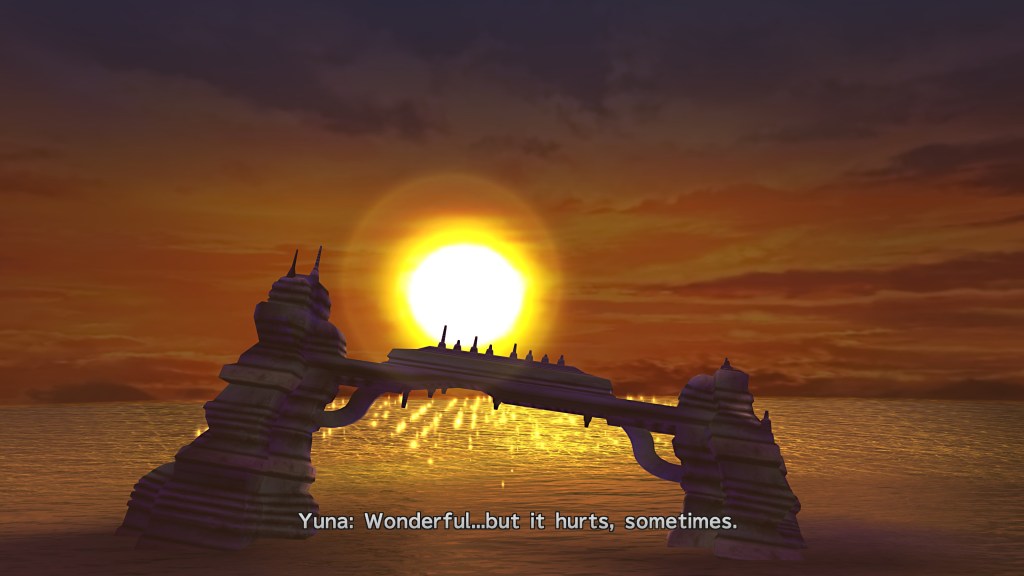
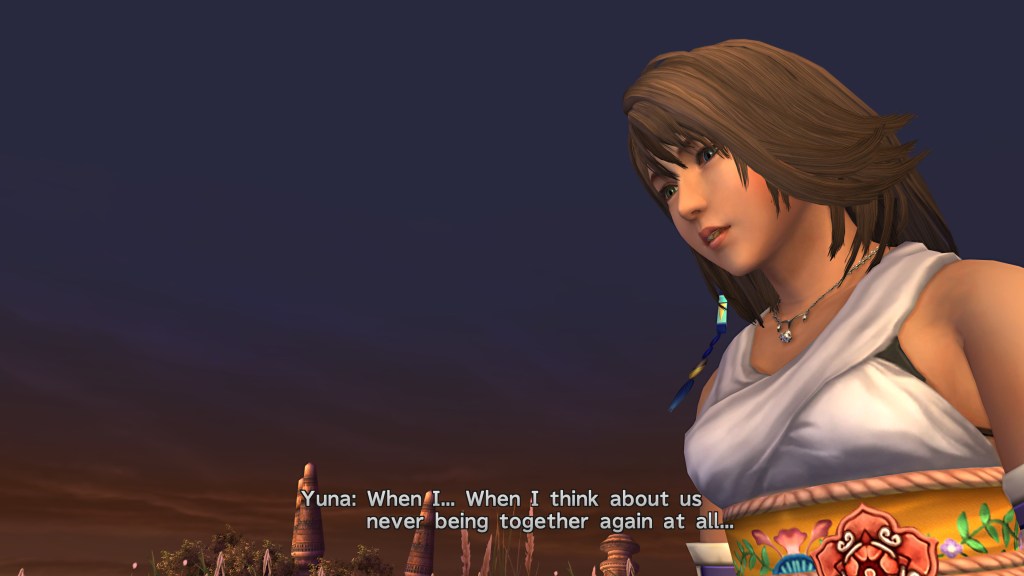
One early scene that ties them together is also one of the most ‘taken out of context clips’ in video game history. You know what I’m talking about. The laughing scene. Whenever there is a highlight reel on youtube of ‘cringe’ or ‘bad’ video game voice acting, they slide this in there. Listen, there are lots of instances you can poke fun of X for bad voice acting, but this particular scene is one of the worst examples you can provide. In context, it makes a lot of sense.
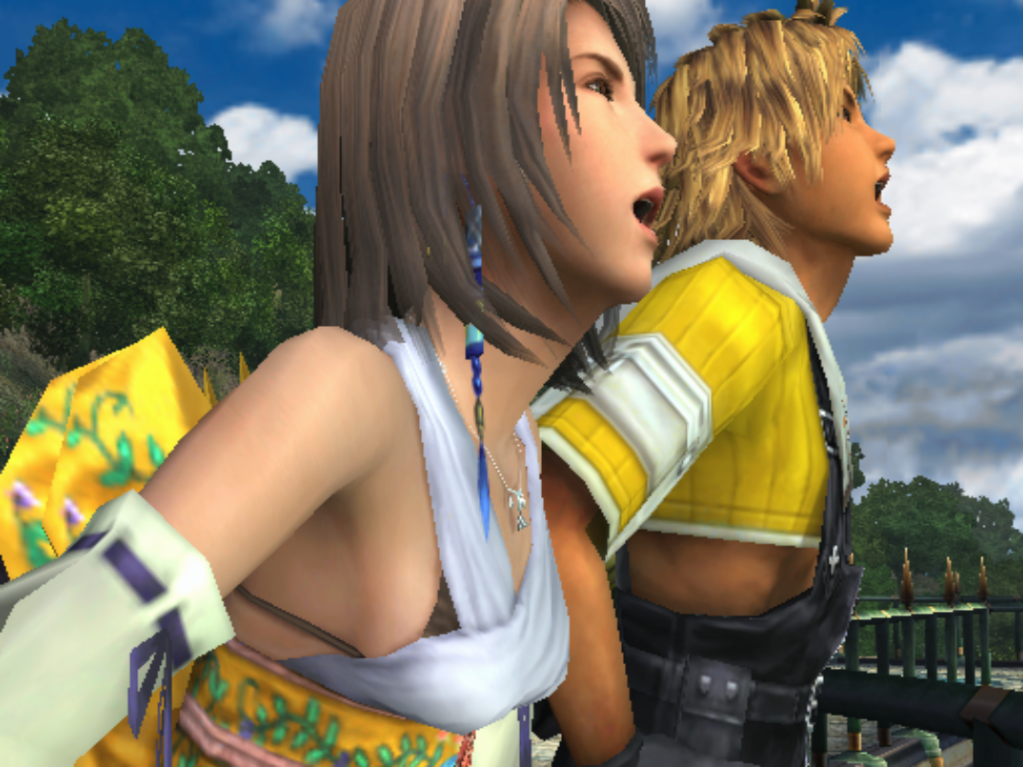
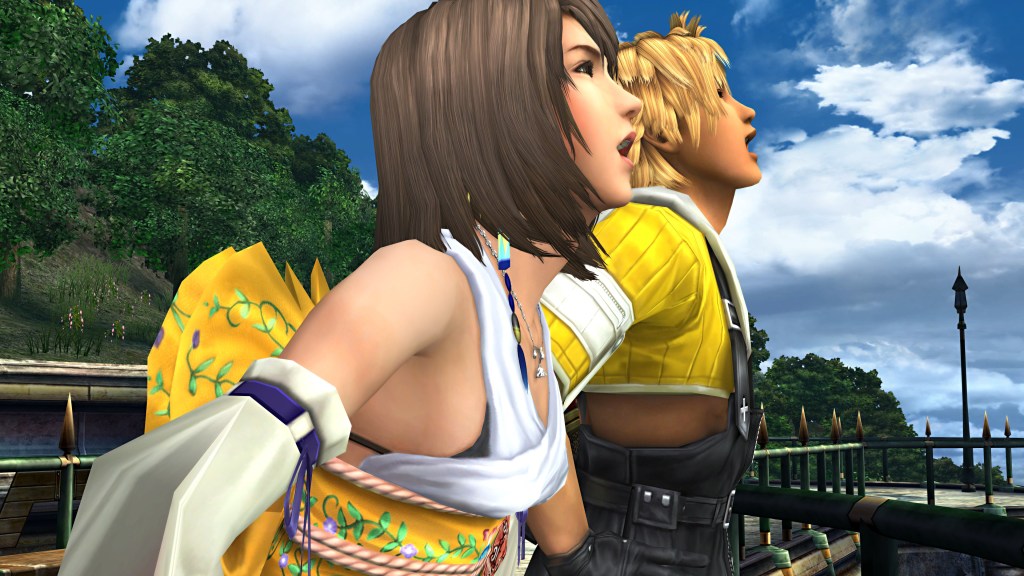
Tidus has just had an emotional explosion and he’s feeling beat. Yuna, who sees him down, tries to cheer him up and expresses that she wants her journey to be full of laughter. She wants smiles. So despite feeling miserable he forces a laugh. Everyone around him notices it, they know it’s ridiculous sounding, but it still happens. Yuna then joins in and you get the infamous “HA HA HA HA HA” moment. But again, this scene is about forcing emotions. It feels forced and awkward because it IS forced and awkward.
It’s important because it shows Tidus is willing to play along, that he is willing to play by this world’s rules because his world is no longer in play. The summoner wants a journey full of laughter and to be a light for the people of Spira? Well damn, better force it. It’s just frustrating that this scene in particular is clowned on.

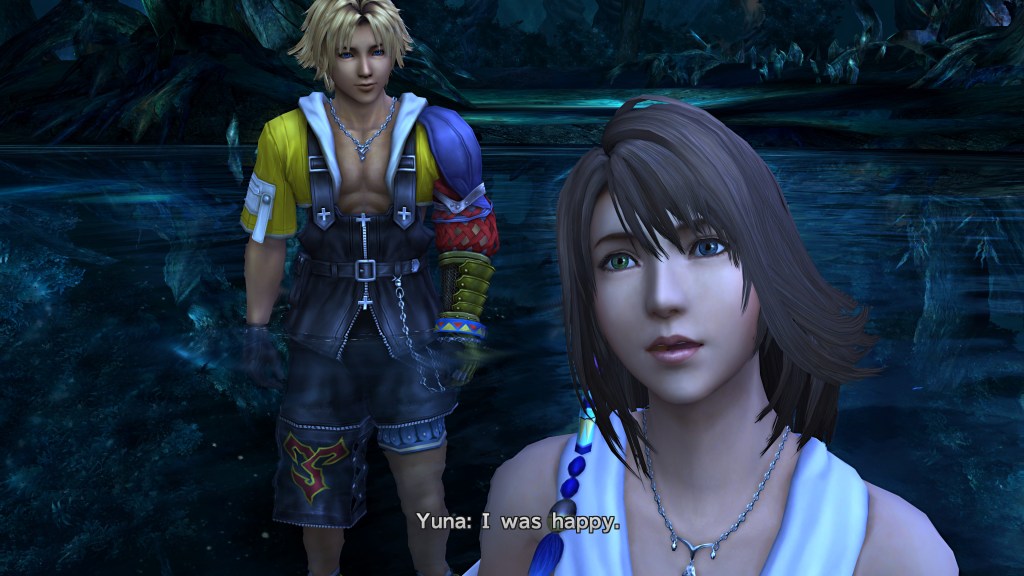
The relationship with Yuna takes increased importance when the main character twist is revealed. In VII we had “Cloud has fake memories” in VIII we had “Squall has amnesia and also they were orphans that all lived together” and in IX we had “Zidane is actually from another planet and was meant to conquer earth.” X decides to take it a step further and make the twist “your main character doesn’t exist.”
Towards the end of your journey, Tidus learns that the fayth – the beings responsible for summons – had been dreaming of Tidus’s version of Zanarkand. He was yanked from the dream world into Spira as an attempt to end Sin permanently. The fayth have been stuck in something of a stasis since Sin came around and really want the big beast taken care of so they can move on. The only issue with this is that when they go, everything they are responsible for goes as well. This includes the aeons and Tidus himself.
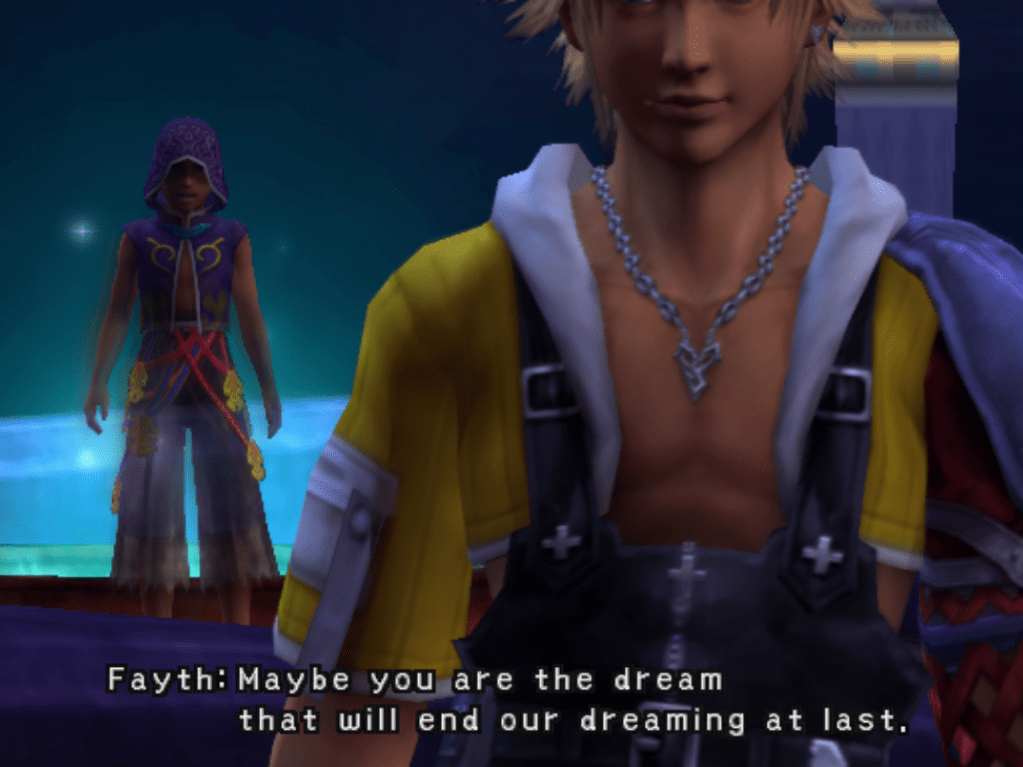
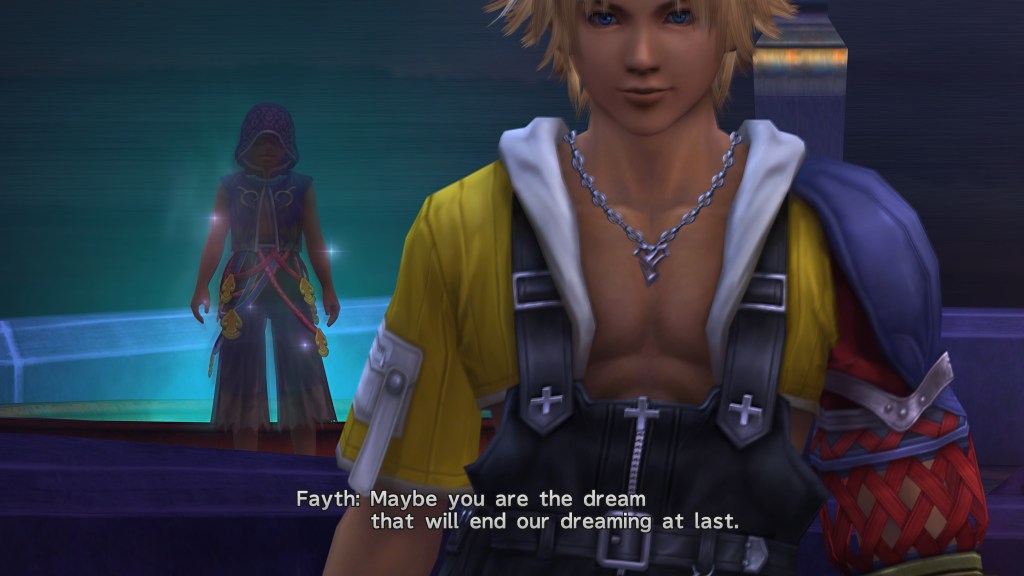
So the end of the game consists of a lot of personal drama. You have Tidus having to sacrifice his existence to help Yuna stay alive and you have the party being unaware of what’s going to happen until the very end – though Yuna suspects something is up. The player needs to push forward with the knowledge that their success means the end of the person they’ve been controlling the entire time.
This revelation is why the player’s feelings on the Tidus and Yuna pairing is so important. Earlier in the game, Tidus and Yuna have a pretty dramatic makeout scene, they go a lot harder than any other Final Fantasy pairing in this moment. The backdrop to that scene is the knowledge that they are marching towards Yuna’s impending doom. The emotional impact from this scene comes from both characters thinking this might be their only chance to express their feelings.
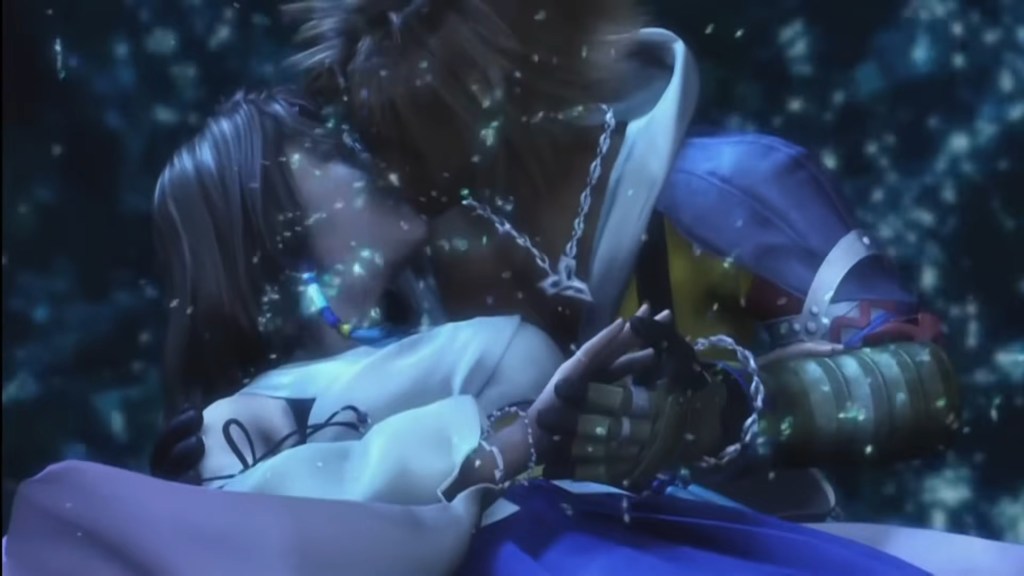
But it’s a video game. Even though we know what the characters feel, odds are the player has some genre savvy. How often do video games find a last minute twist to save the supposedly doomed hero/heroine? I would wager most people playing for the first time at this scene probably had no true concerns for Yuna’s safety. They would figure it out.
At the end of the game it’s twisted and reversed. The fight with the final boss no longer impacts Yuna. However, the wrinkle about Tidus being a dream was never reconciled. So now the characters are marching towards the death of a different character and the player may no longer have that feeling of safety in the back of their head. At the end, they embrace again and the typically reserved Yuna expresses her feelings for Tidus as he fades away.
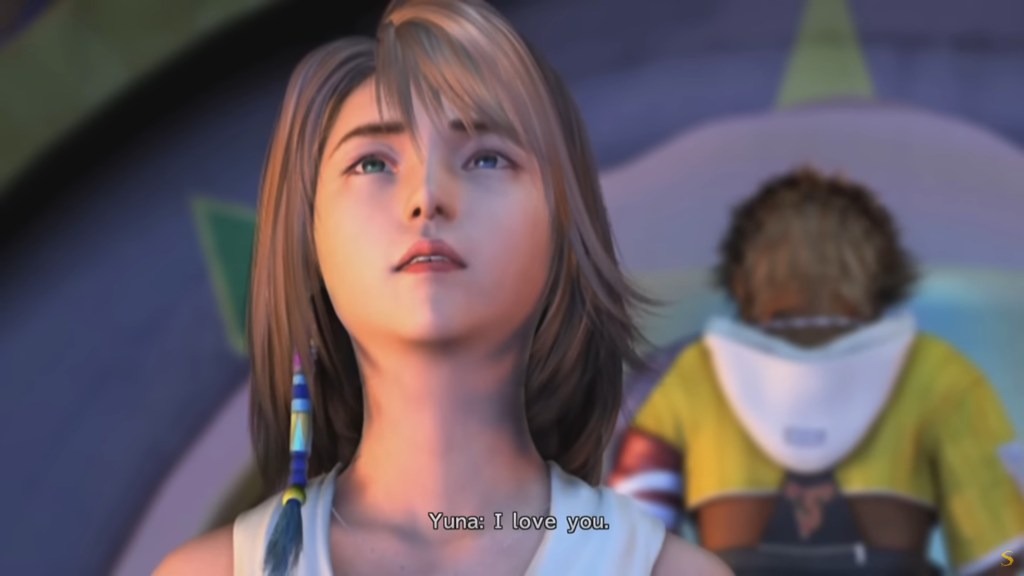
(As an aside, the remaster had an issue on this playthrough where occasionally it would just show a green screen instead ofbcinematics. The ending was one of those times, so this still is from the youtube user Shirrako. Thanks! Below is my favorite instance of the game green screening on me)
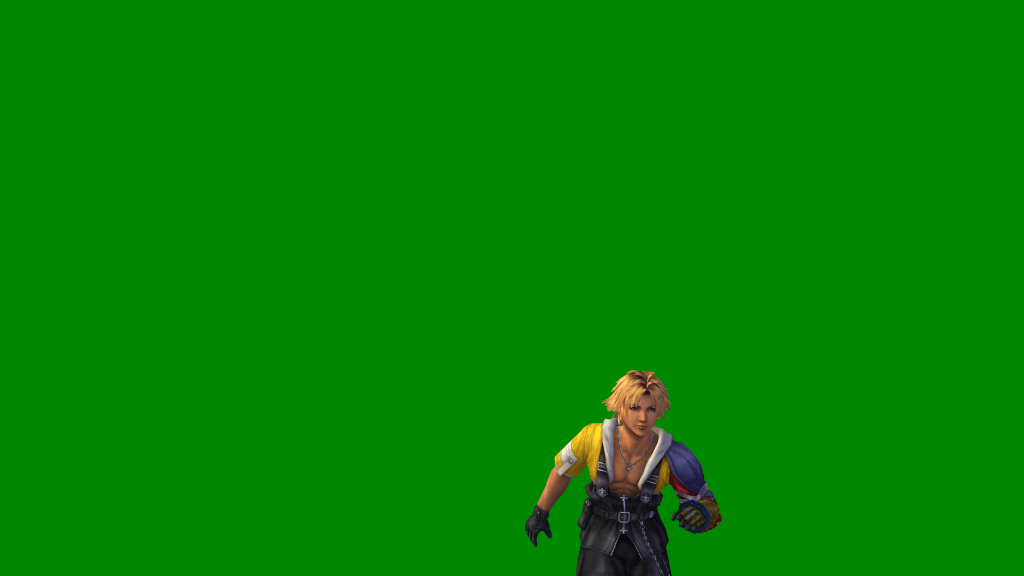
(So that Playstation 1-era trick of using CG behind in-game models lives on!)
It’s an incredibly sweet moment that’s played very well, it feels almost like it’s out of a romance novel. If the player is really invested in the pairing, this ending will likely hit extremely hard. They leave a lot of things up for speculation and before the sequel was revealed, a lot of people assumed the surprise bit at the end with Tidus emerging from the water wasn’t to be taken literally.
I personally really enjoy Tidus as a lead. The story of X really needed a fish-out-of-water to work. If you have access to everything that makes Spira tick from the jump, the adventure is a lot less exciting. And I think watching his character grow up in front of us is pretty captivating. Is he my favorite protagonist ever? No, not at all. But I think he’s a great fit for this game.
From a combat perspective, Tidus is primarily your speedy guy. If you take his main sphere grid path, he can hit faster enemies with more reliability than anybody else and a lot of his abilities rely on increasing mobility (haste, quick hit) or reducing enemy mobility (slow). He also hits decently hard and is durable. The main character is an all arounder sort? What a twist!
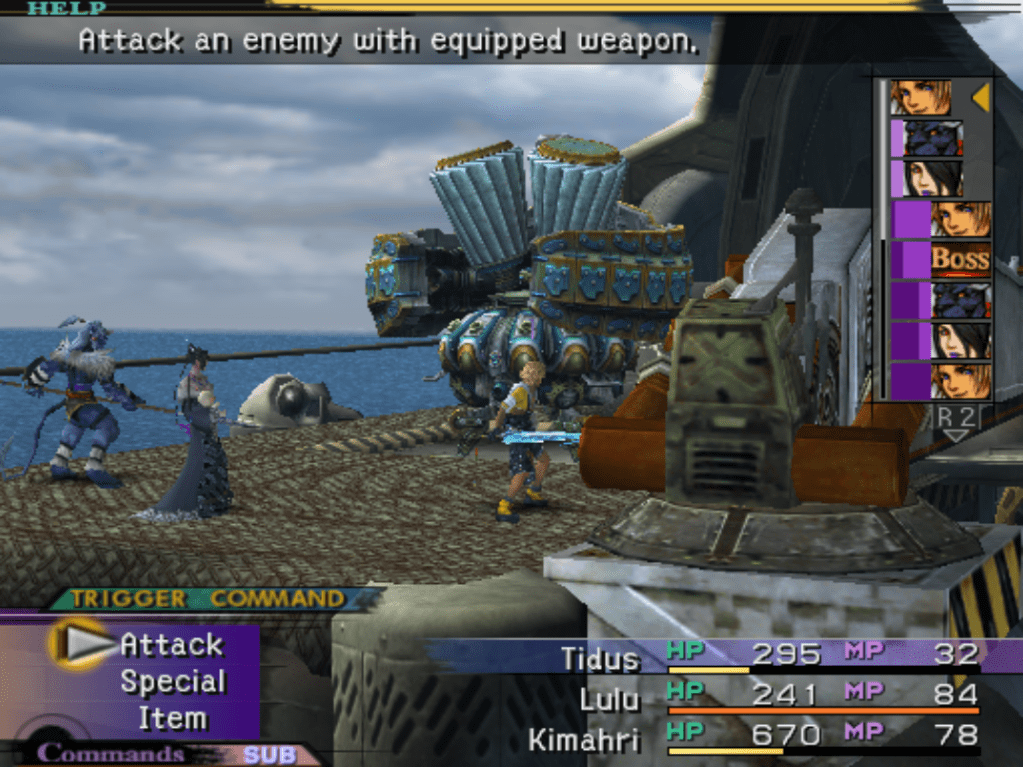
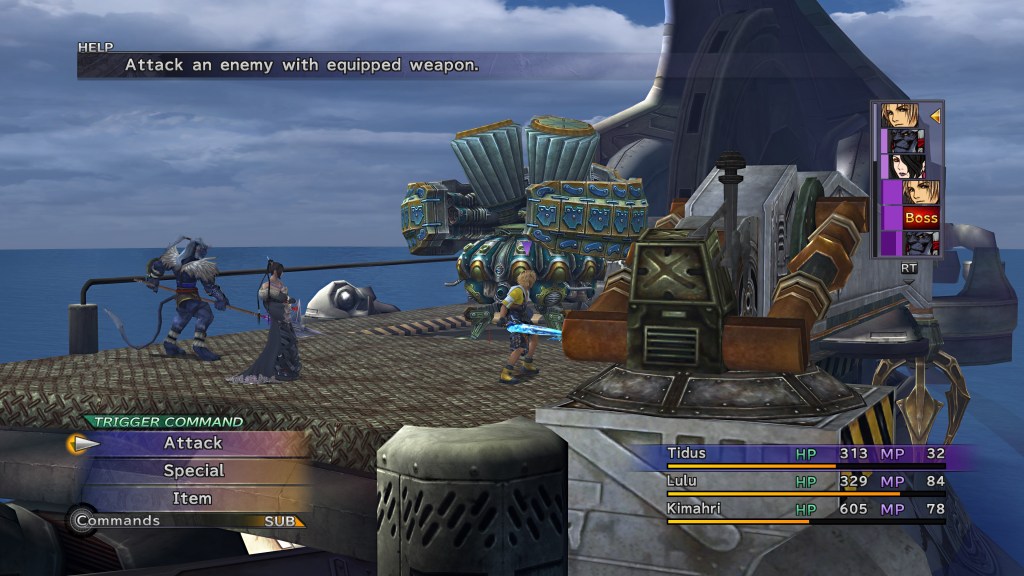
His overdrives, the limit break equivalent, involve hitting a button at the right time in order to cause massive damage. He has access to four, and they all have different utility. The first one hits one enemy for big damage, the second one hits random enemy targets six times, the third one is one big ‘hit everyone’ move and the final is an attack that hits the same enemy lots of times (think omnislash or lion heart.)
In Final Fantasy X, hitting the ‘soft’ damage cap of 9,999 is a lot easier than it was in the past. Probably because the true damage cap is 99,999. So having ultimate moves that hit multiple times is really important. When you get to a certain point on the sphere grid, you’ll cause tens of thousands of damage per hit with that last overdrive, so needless to say it’s pretty useful.
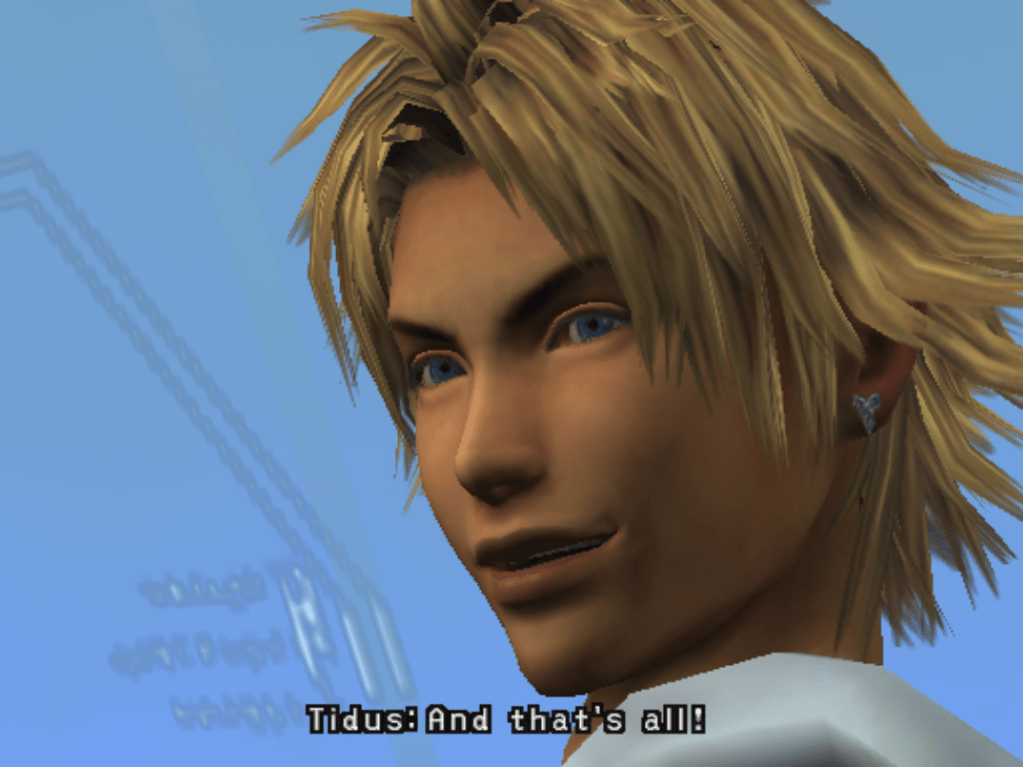
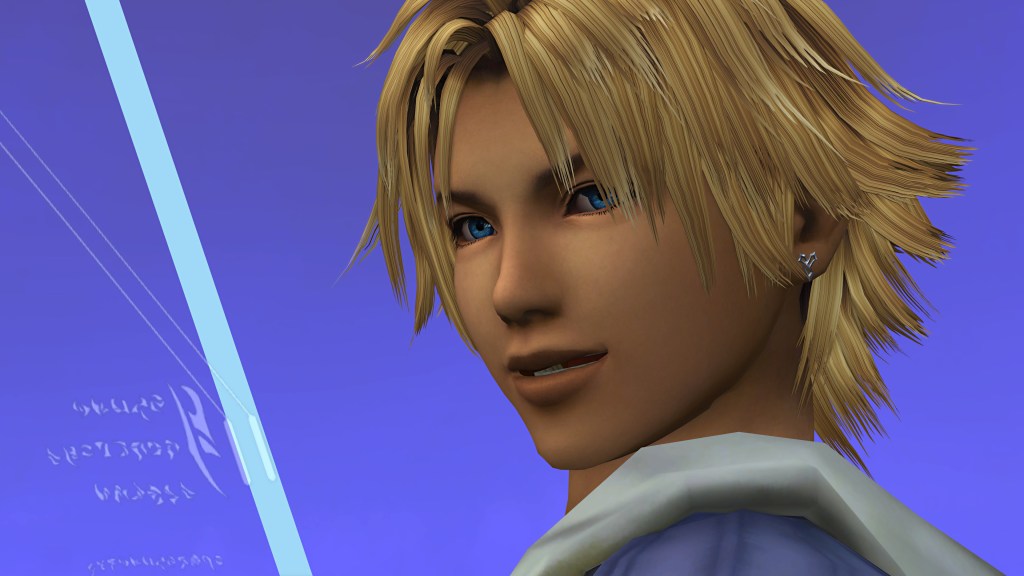
English voice actor report: Our lead is voiced by James Arnold Taylor, who is probably most well known for voicing Ratchet from the Ratchet and Clank franchise. I find his voice exceptionally well suited for the character of Tidus and I think his performance is consistently solid.
I really wanted the female Lombax (Rivet) in Ratchet and Clank: Rift Apart to be voiced by Yuna’s voice actor Hedy Burress but it was not meant to be.
One little quirk we have with Taylor is the narration. Tidus narrates a LOT of scenes in this game and for some reason, the actor elects to use a ‘older’ voice for these. Think of how Bob Saget voiced over “How I Met Your Mother.” The issue with this is that Tidus’s fate at the end of the game is sort of up in the air. So is he doing this from the afterlife? Is that just how his internal monologue sounds? It’s a strange choice. Well acted though. B+
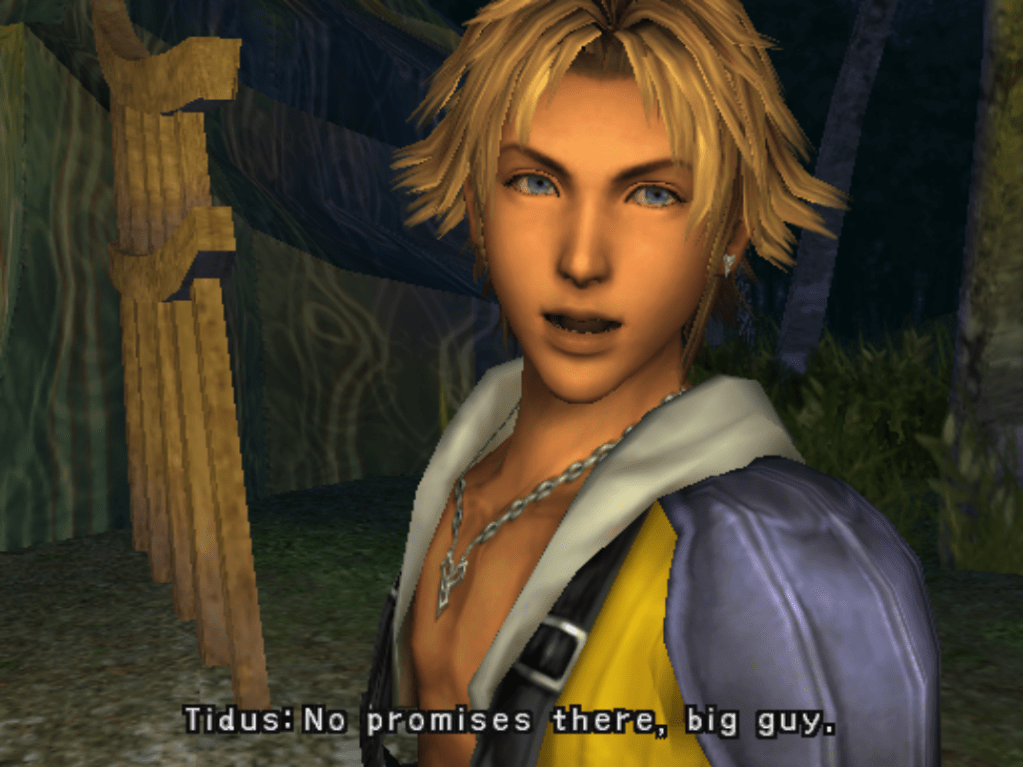
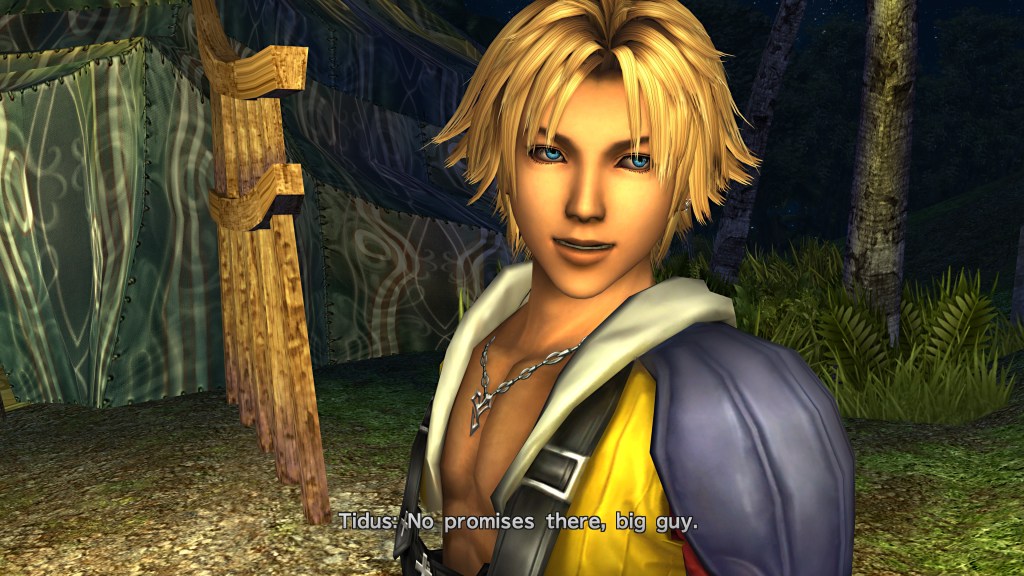
Yuna
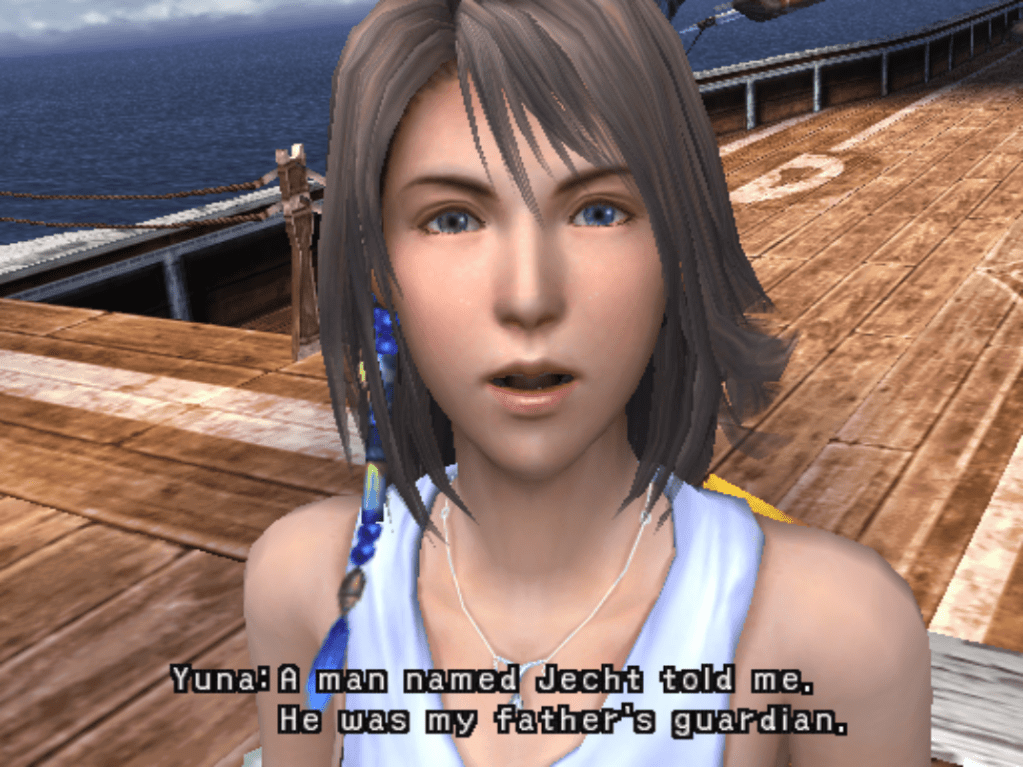

The leading female character and arguably the most important person to the narrative as a whole. Other romantic interests like Rinoa and Dagger were probably considered co-leads too, but their significance to the story really doesn’t quite touch everything Yuna does. In fact, when a sequel for Final Fantasy X was announced, there was not even a question as to who would take the leading role. It was Yuna, it was always going to be Yuna.
Our lead summoner, despite being one of the most famous people in the world, is pretty reserved. She very rarely lets her true feelings show and she appears to be tentative about most things. You wouldn’t even think she was the center point of the party with how the others sort of lead her along a lot of the time.
I think this is because she accepted her fate well before the game even started. She is a summoner. Her role in the world is to defeat Sin, bring about a brief period of peace known as the Calm and die in the process. There is no room for anything else. She needs to be a beacon of positivity and hope for the people of the world.

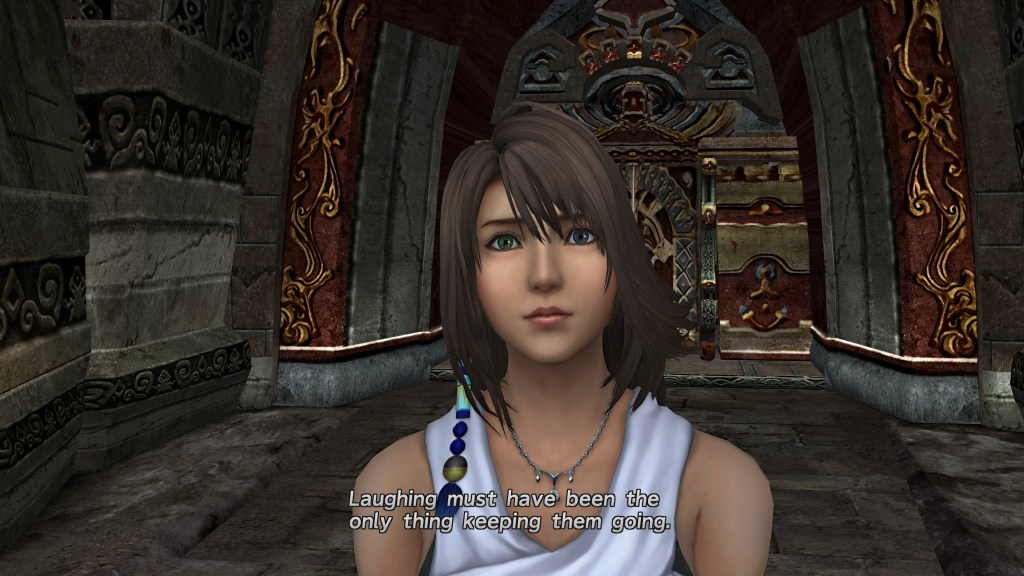
But…is that what she really wants? When she meets Tidus, a lot of her perspectives on the world start to change. It feels like Yuna starts questioning a lot of things about what’s going on around her. Is the constant spiral of death acceptable? Is it okay for one person to give up their life for many? Why doesn’t her own personal happiness matter at all in this equation? Is she just a tool for others?
Yuna grapples a lot with weighing her happiness with the happiness of others. One of the main duties as a summoner is sending the departed. In an early scene showing the sending, Yuna cries afterwards. She expresses a need to be bright and cheery in order to cheer up everybody else, yet she doesn’t really consider her own feelings in this.
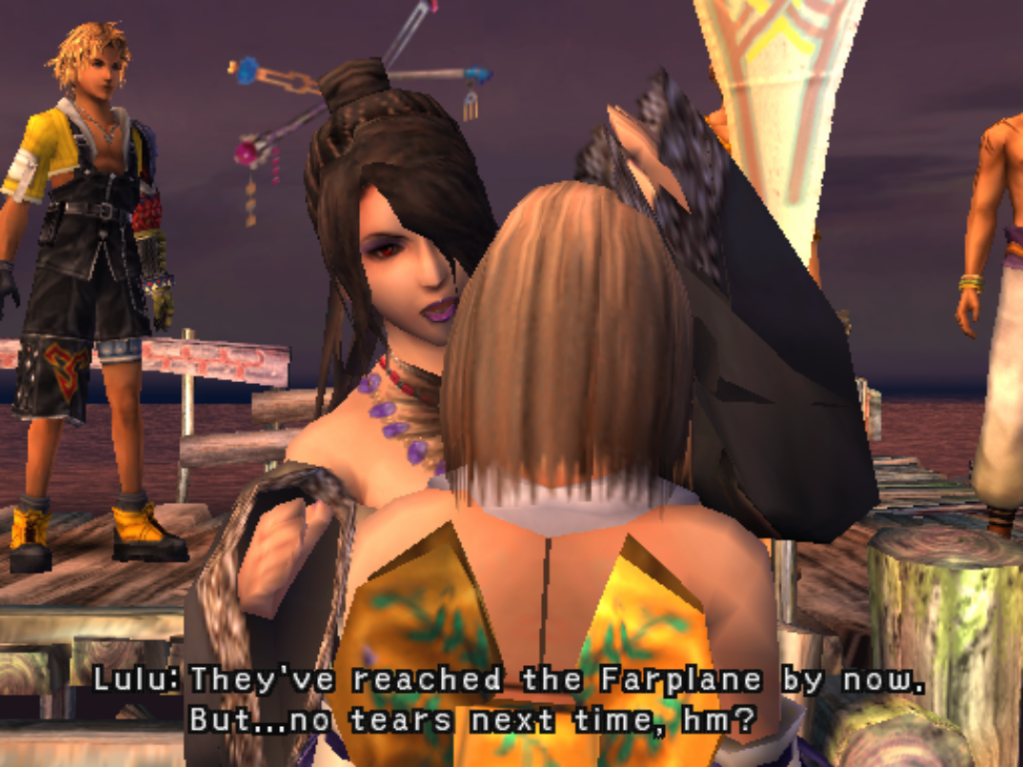

Essentially, Yuna goes through a similar ‘maturing’ that Tidus does. She is discovering who she really is, all of the things she knew and believed about the world might not be true.
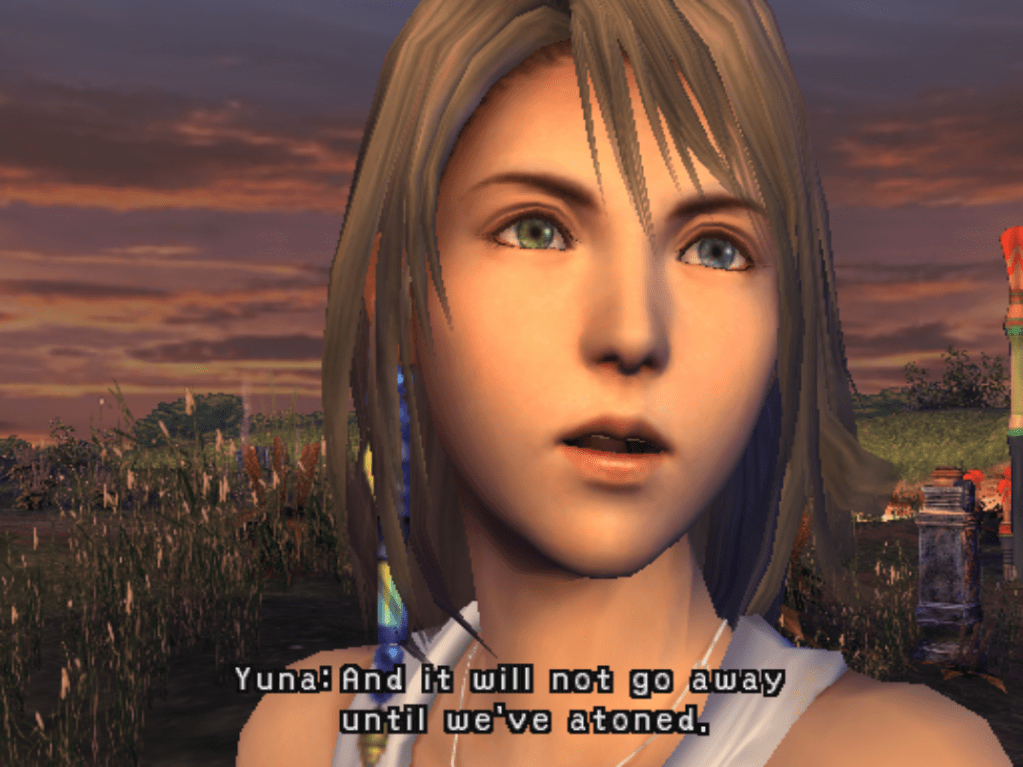
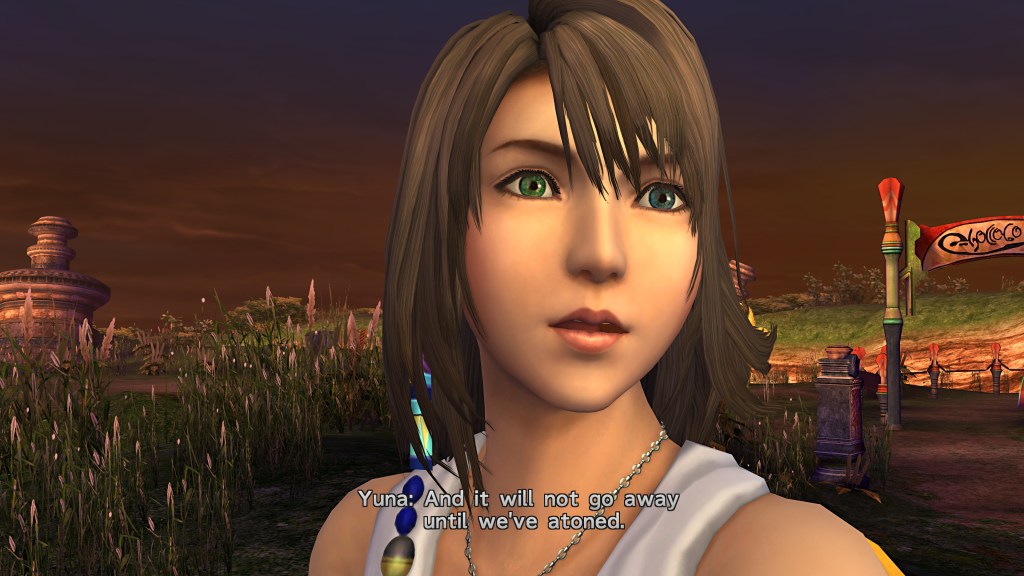
A lot of this comes to light when one of the main antagonists of the game, Seymour Guado, proposes a political marriage with Yuna. The purpose of this ostensibly would be to unify the people of Spira and to give them something to be happy about. Past Yuna would have just accepted this in stride, but as the party marches towards Seymour, doubts creep in. Does she want this? Do her feelings matter? Is the public happiness more important than her personal happiness?


A revelation about Seymour – more on that in his section – snaps her into the ‘duty for the world’ mode summoners are supposed to have and she goes back to the all-caring, all-sacrificing version of her character. Yuna is complex and she’s trying to experience more joy for herself, but at the end of the day she still feels duty bound to the people.
At the end of the game, Yuna is looked to as something of an influential leader. She gives a somber speech about remembering the loved ones lost along the way and working together to build a future, but it seems like her heart isn’t in it. She sacrificed a lot to get to this point and her love interest is no longer around. What about her happiness?
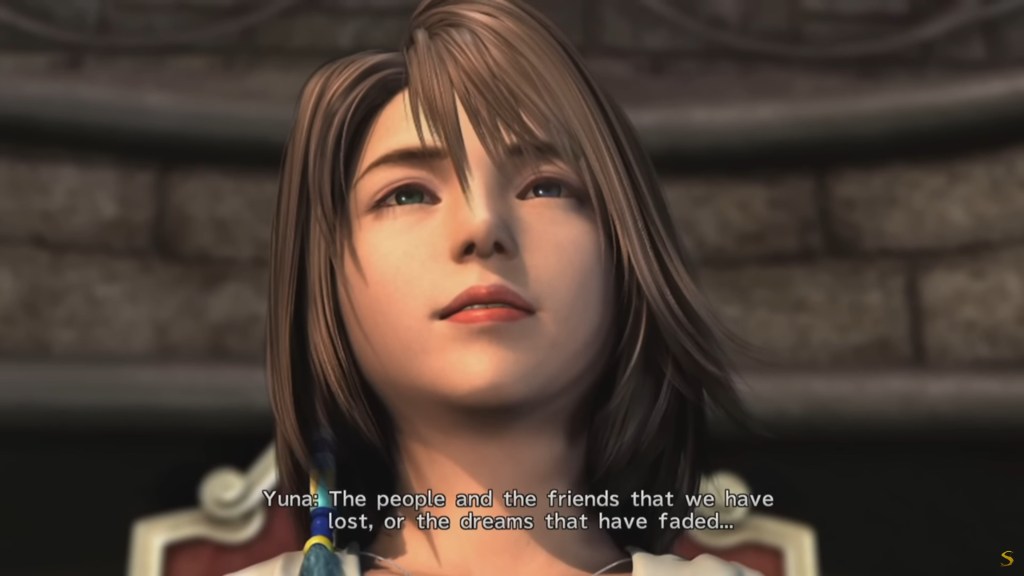
(Thanks again Shirrako)
This bit of her character gets addressed in the sequel. Final Fantasy X was designed as a standalone video game, they didn’t make it with the intention of making a direct sequel – Final Fantasy didn’t have anything like that at the time – so it’s fascinating that her character arc leaves off with more room to grow. Usually sequels have to scramble for motivations for the leads, but it’s not so hard for Yuna. She’s trying to find her place in the new world. Easy.
I think one of the method’s used to show Yuna striving for personal happiness is her absurdly large party. Other summoners point out to her that it’s unusual to carry around so many guardians, but Yuna always retorts that it’s an honor to have such a deep crew. It goes against tradition, but she doesn’t care so much about that. Instead, this is one thing that makes her happy and she chooses to pursue that. Simple.
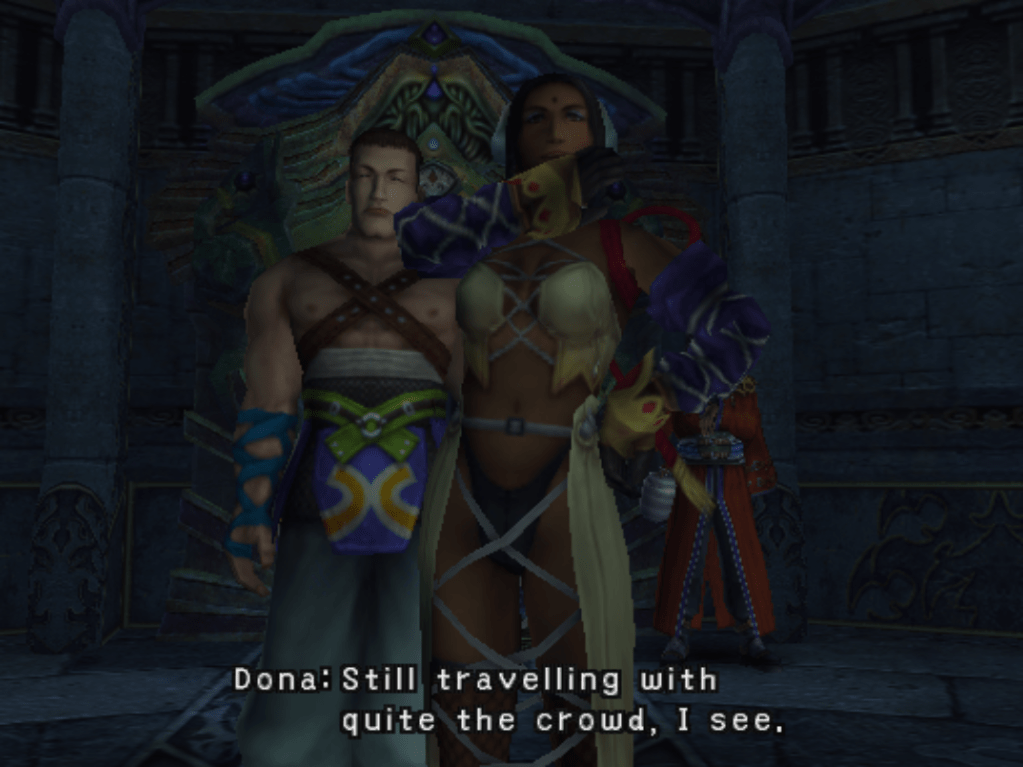
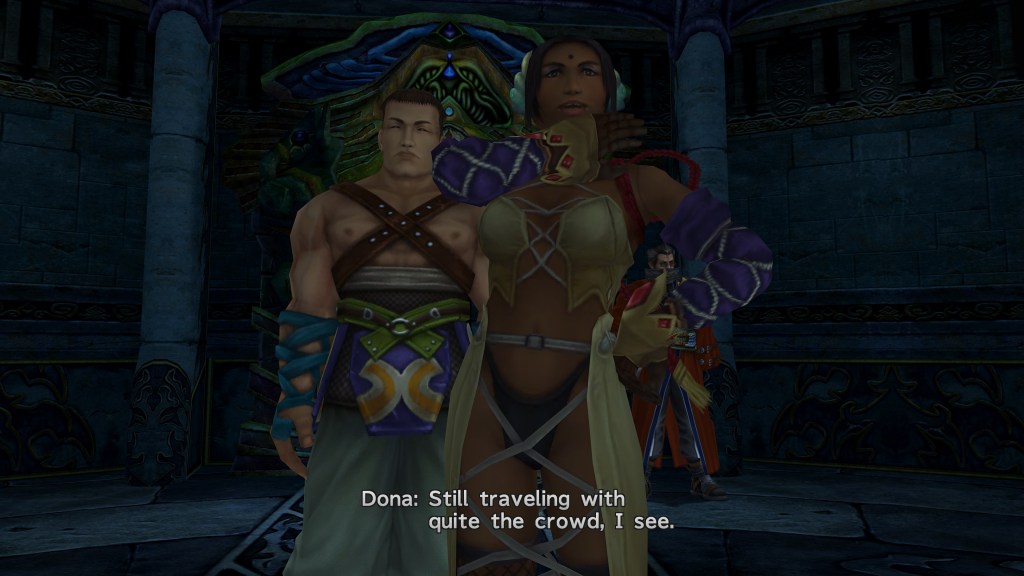
In combat, Yuna goes down the white mage and summoner route. Essentially, she’s Dagger and Eiko from IX combined into one character. She has access to every white magic spell you can think of and is also the only character who can summon.
Since I said I often use summons as meat shields, I always find her one of the best characters in the game. Having access to those fearsome beasts is pretty handy.
It should also be noted that Yuna’s ultimate weapon is hands-down the easiest one to acquire. You get her crest just by swimming off the beaten path in Besaid and you get her Sigil by taking part in a pretty easy-to-reach sidequest in the Calm Lands. I think there’s a chance that players might even accidentally stumble onto these items. Before I 100%ed the game for the first time, Yuna would very frequently be one of the only characters who could routinely break the damage limit. She’d cause like 15,000 damage with holy, which would guarantee her a spot in my main battle team.

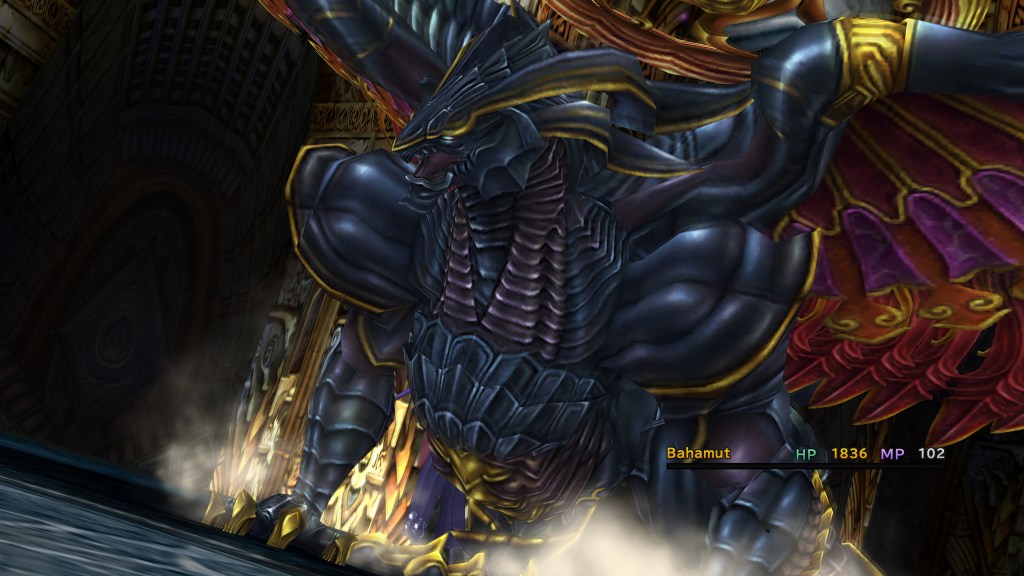
Her overdrive lets her summon an aeon and immediately have its overdrive activated. The usefulness really depends on what you summon. For most players, Bahamut, Anima or the Magus Sisters would be the go-to here because they can all break the damage barrier without outside interference. Having access to that whenever you want is really handy, so I feel like for a standard playthrough of the game, Yuna is absolutely one of the best characters. Fitting for the leading lady!
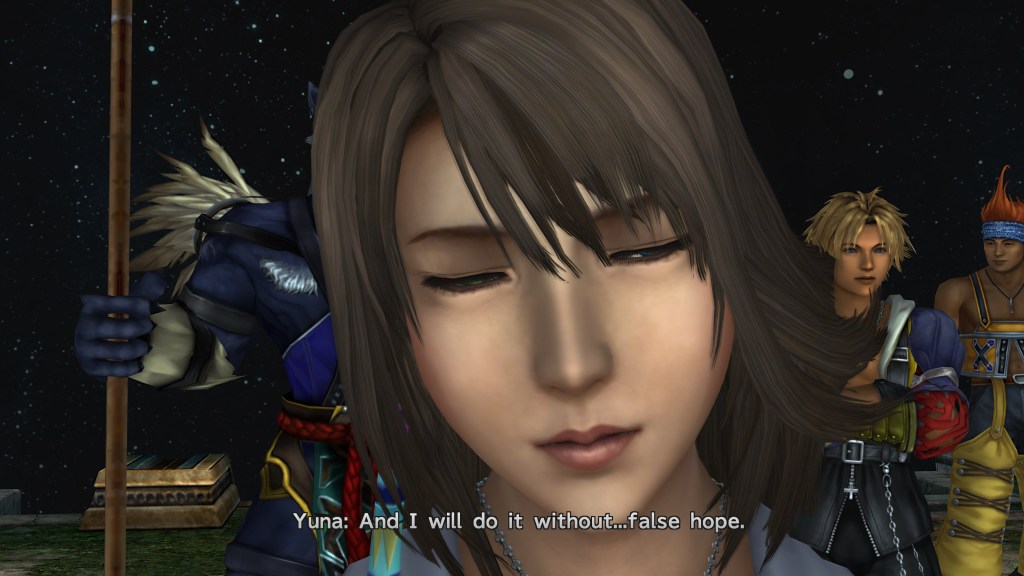
English voice actor report: Wew boy. So Yuna is a character that localization absolutely had to nail, she is either the most or second most important character to this story. And unfortunately, I think Hedy Burress delivers a pretty subpar performance.
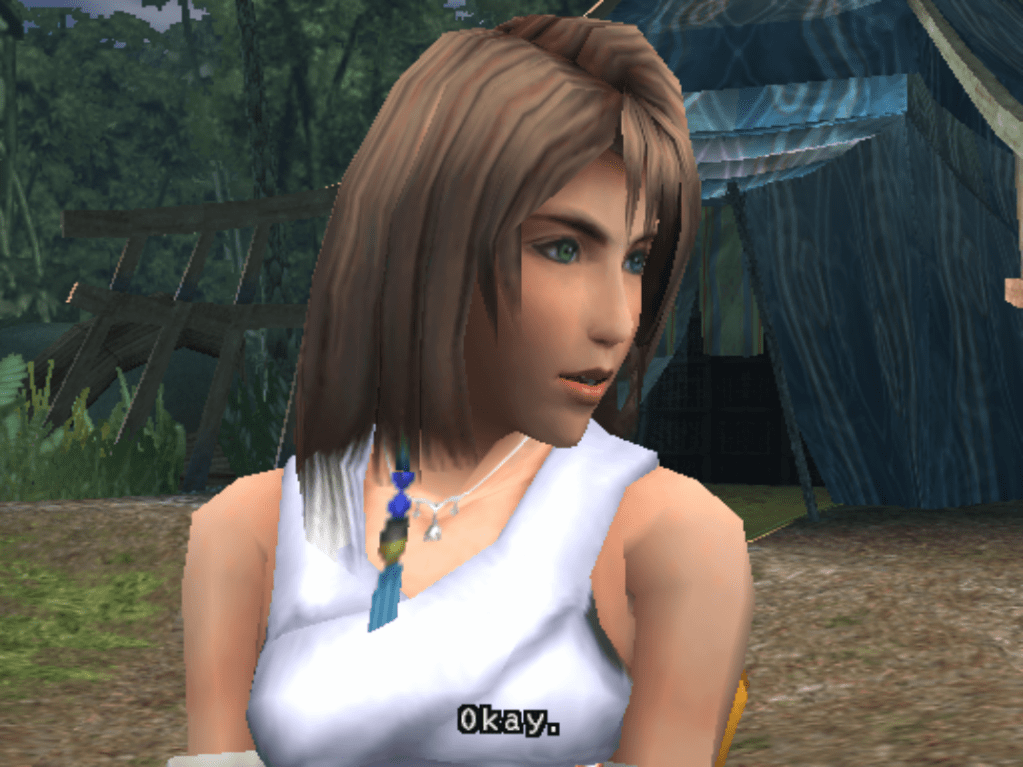
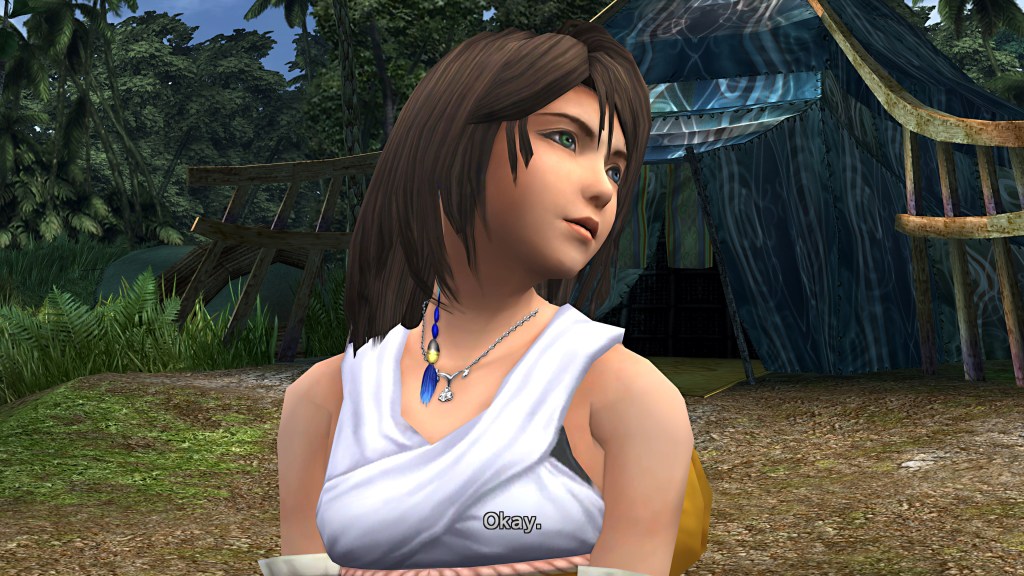
I think the direction wanted her to emphasize the reserved and unsure nature of her character, but to me the performance comes off as wooden most of the time. On top of this, they re-use a lot of her voice clips. It feels like they took one clip of her saying “okay” and one clip of her saying “yes” and used it all over the place in the game, regardless of context. Someone tells Yuna that someone else shot her dog? Same “okay” as someone asking Yuna how she’s feeling today. It’s like how they only paid Road Runner’s voice actor to say “meep” one time!
However, I will point out some genuine excellence from Burress too. There’s a scene where they play what is essentially Yuna’s last words to her party and I think the delivery is excellent. It’s the right mix of ‘nostalgic joy’ and ‘knowing despair.’ It’s done perfectly. I also think the speech she gives at the end of the day very properly conveys Yuna’s headspace.
I also want to say I think they really nail Yuna in X-2. However, in this game, I gotta give it a D.
Rikku


Rikku is the first real character Tidus meets once he is transported to the world of Spira. She is seen as something of a treasure hunter and is from a race of people called the Al Bhed. Tidus doesn’t have much time to compartmentalize this because he’s whisked away from Rikku and the Al Bhed almost immediately.
However, the game starting out here has a gigantic purpose. Racism is a major theme in Final Fantasy X. The leading religion of the world is the church of Yevon and they expressly forbid the usage of machines, or machina. The Al Bhed people do not practice this religion and as a result, they do use machina. Problems ensue!
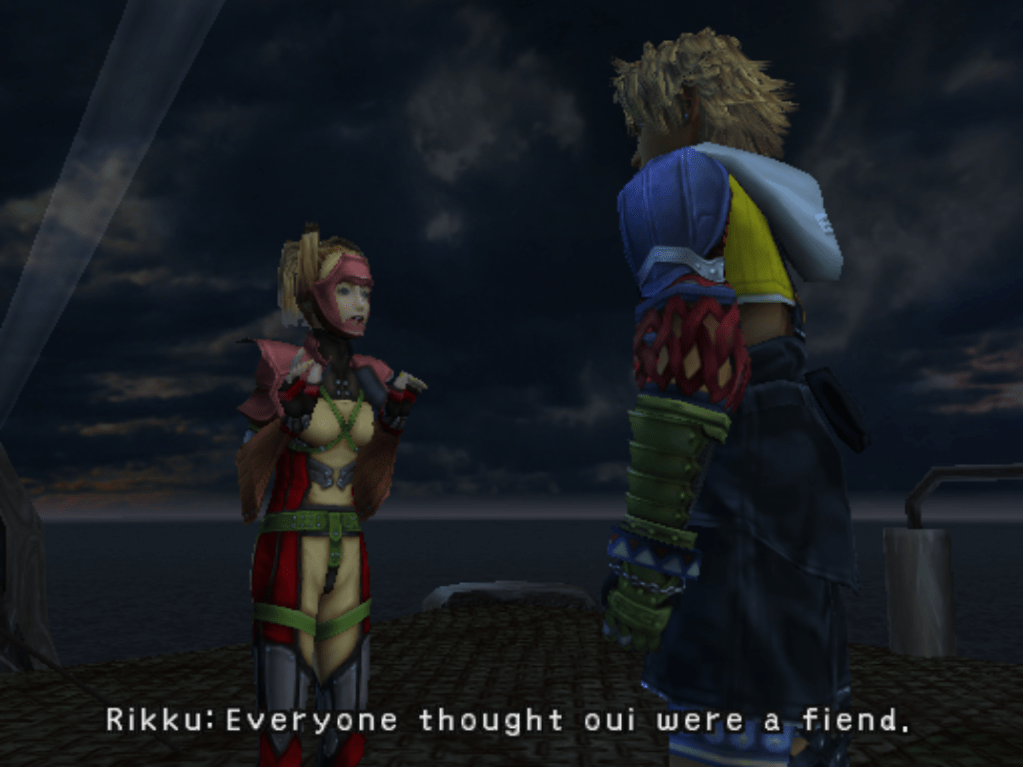
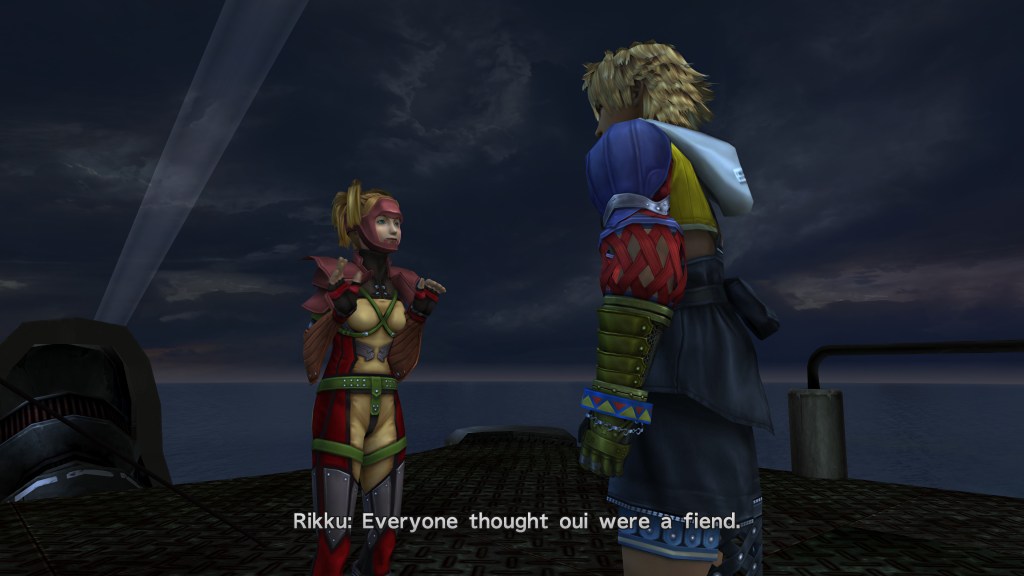
So it’s important for the player to immediately get to see that the Al Bhed AREN’T evil people and they they’re just the same as everyone else, just trying to get by. Most video games don’t have an openly racist party member, so a naive player might just take them at their word and assume the Al Bhed are bad, but since the player (and Tidus) have experience that says otherwise, you always approach such hateful screeds with a bit of doubt.
After the initial meeting, Rikku goes away for a while and goes on to become the final member of your party. You encounter her as she’s trying to kidnap Yuna. You see, the Al Bhed try to kidnap summoners to prevent them from sacrificing themselves during their fight with Sin. Tidus doesn’t know all this though and seems baffled about her trying to protect Yuna when she “has guardians already.”
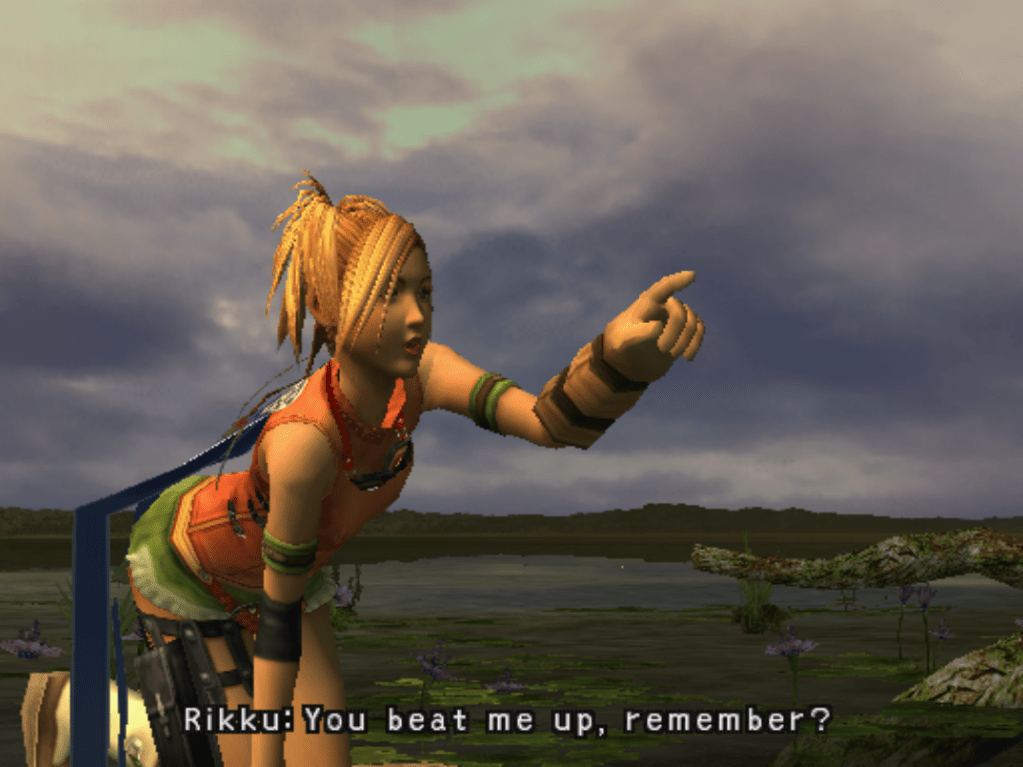
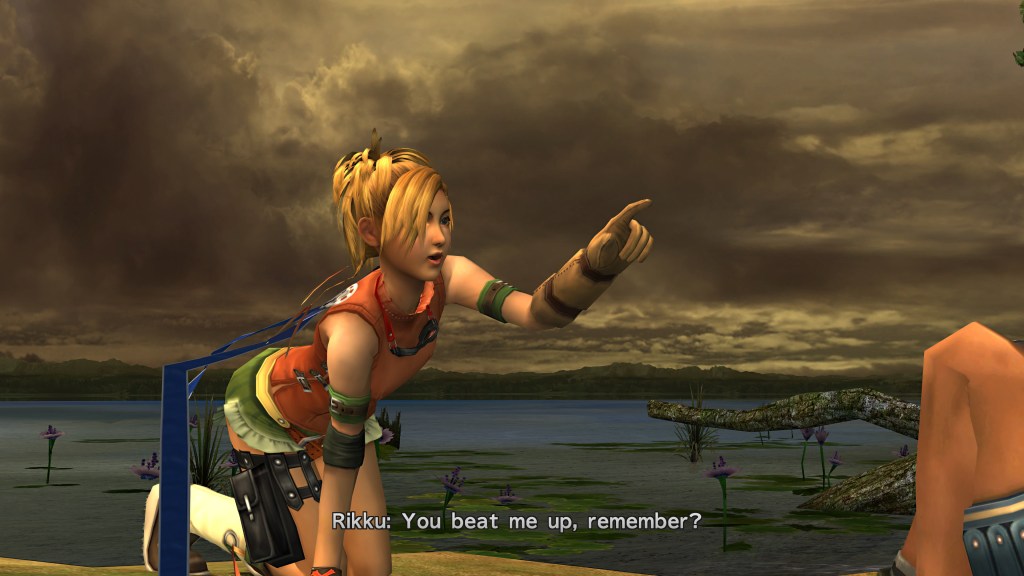
The confusion Tidus has about the Al Bhed’s motives provides a lot of interesting scenes where the main character shoves his foot into his mouth. He’s always talking about how he’s going to take Yuna places after Sin is defeated and stuff like that. This comes to the front in a scene where the Al Bhed homeland is under massive attack and Tidus is yelling in confusion at them for why they feel the need to kidnap and protect summoners.
And then Rikku tells him and everything changes. Suddenly Tidus completely understands it and aligns himself more with the Al Bhed ideology than what the rest of his party practices.

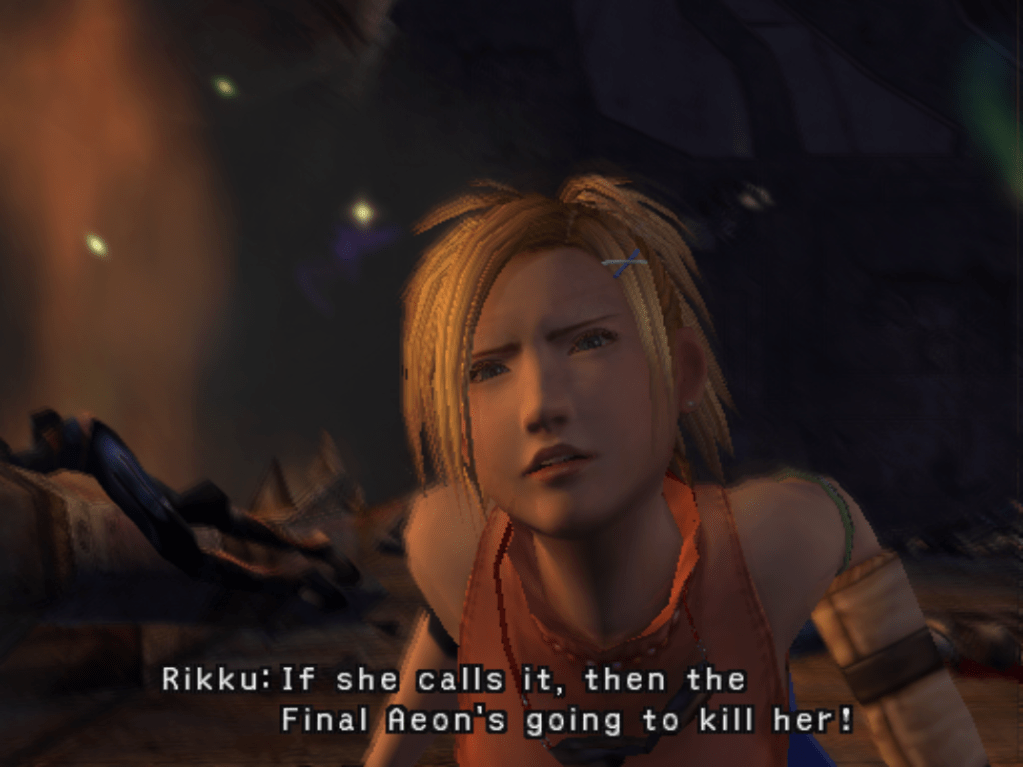
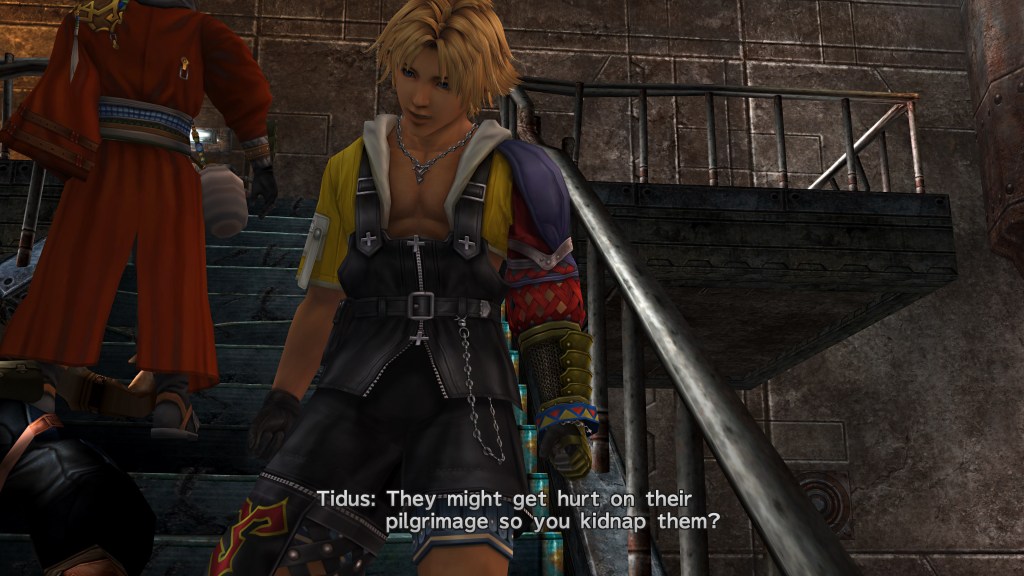
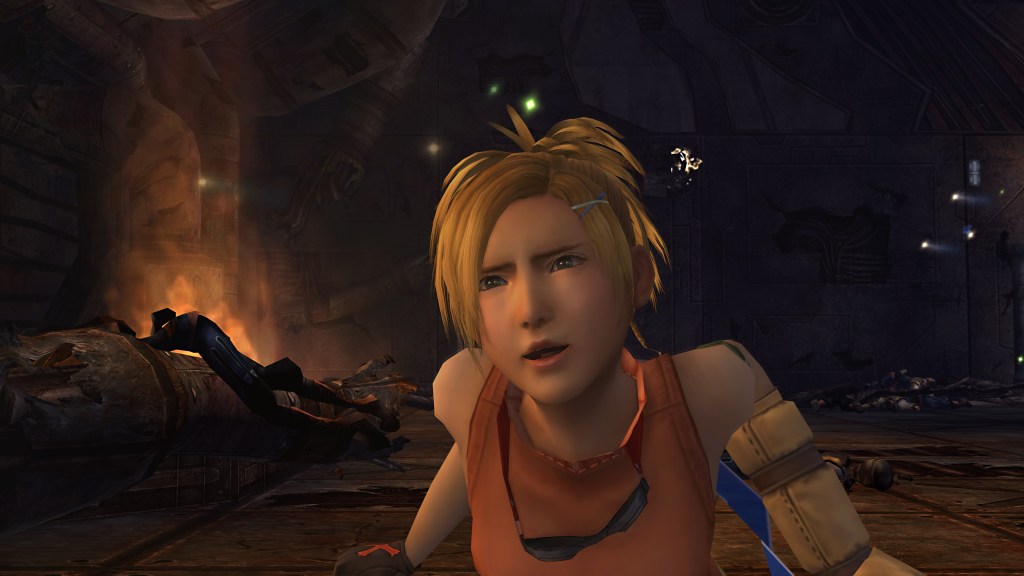
This whole segment completely reframes everything about the Al Bhed that the player might have been fed. They have the same desire for world peace as everyone else does, but they just don’t practice the same beliefs that a majority of people in the world do.
Rikku as her own character is pretty perky and something of a ‘life-of-the-party’ sort. She seems very fun to be around and loyal to boot. That said, I don’t think a lot about her as an individual is revealed in this game. Most of the things she states in the game, such as the desire to protect Yuna and end the waves of summoner deaths, are shared by all Al Bhed.
I view her as more of a lens into the entire Al Bhed culture. You have her around to learn more about the most misunderstood group of people in Spira. A lot of the other Al Bhed you meet in the game are kind of gruff or just speak in the Al Bhed language, which most first time players aren’t going to be able to make sense of. But Rikku isn’t like that, she instead comes across as just really likable. And I think that’s just so people playing don’t accidentally take Yevon’s side and view her as some kind of heretic.
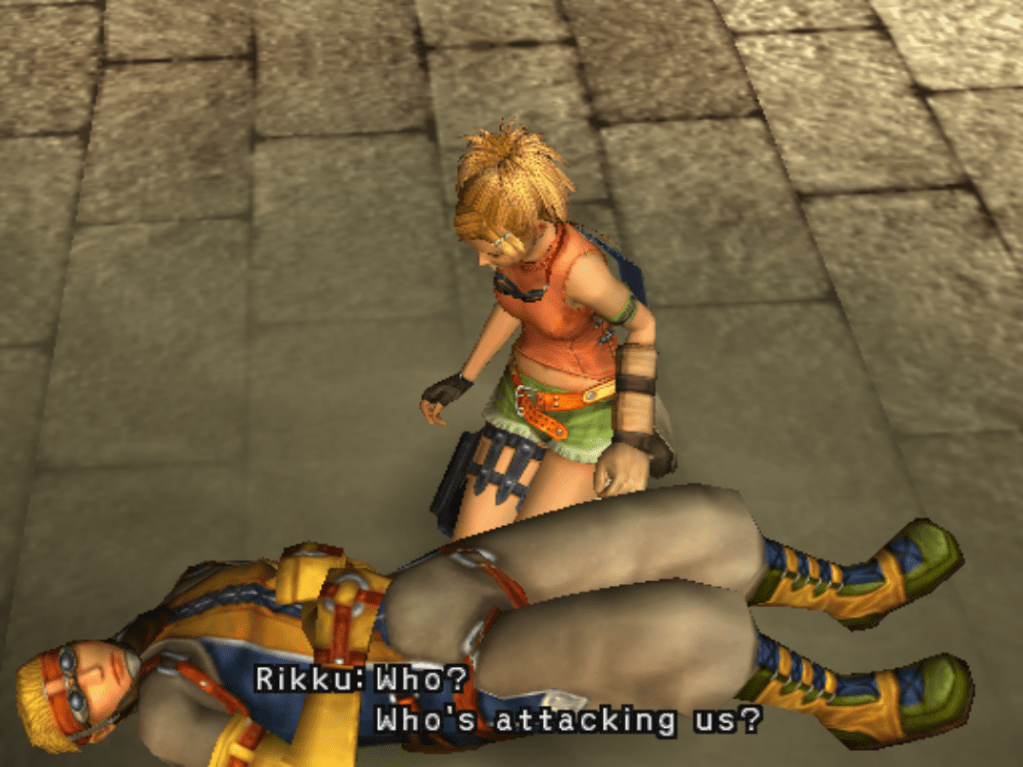
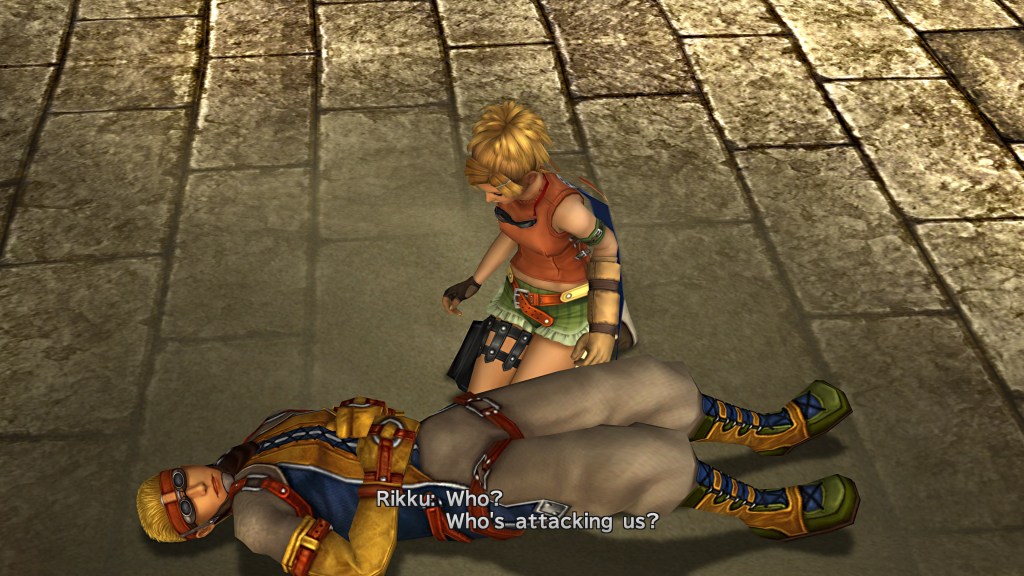
One of the only things that I can point to as being a distinct personality trait of hers, outside of just being bubbly and a delight, is that she is really scared of lightning. It’s mostly just played for jokes because the other characters in the party largely ignore her whining, but it’s something that stands out about her.
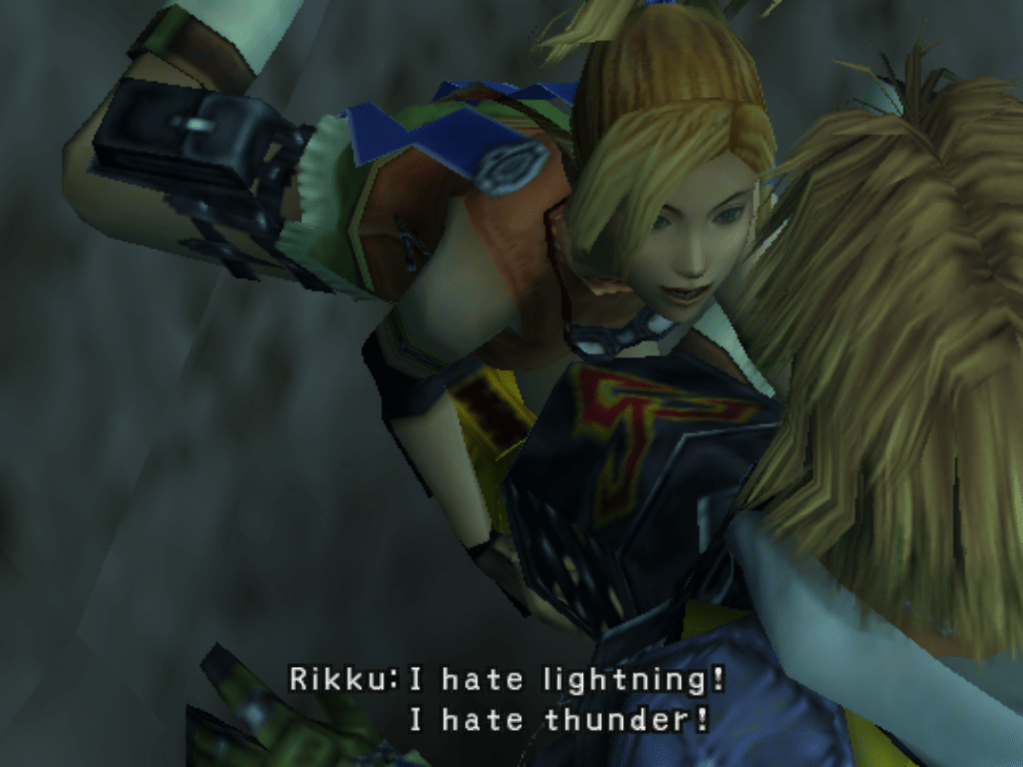
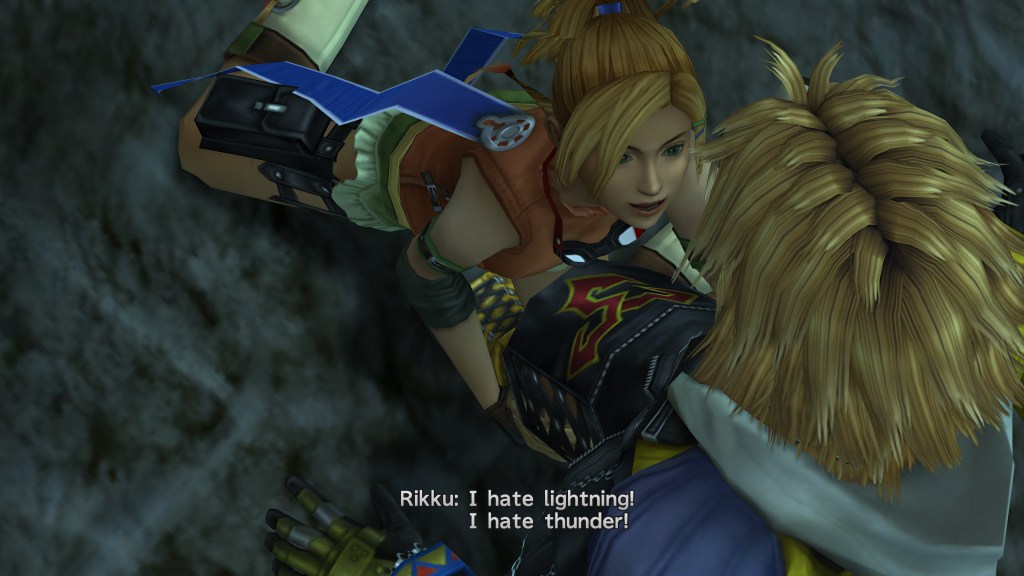
Rikku does get more exploration in the sequel as the one other returning party member. Yet still, I think her portrayal there is more “loyal friend” than anything else. Still, she overcomes her fear of lightning off screen, so we get some character work there!
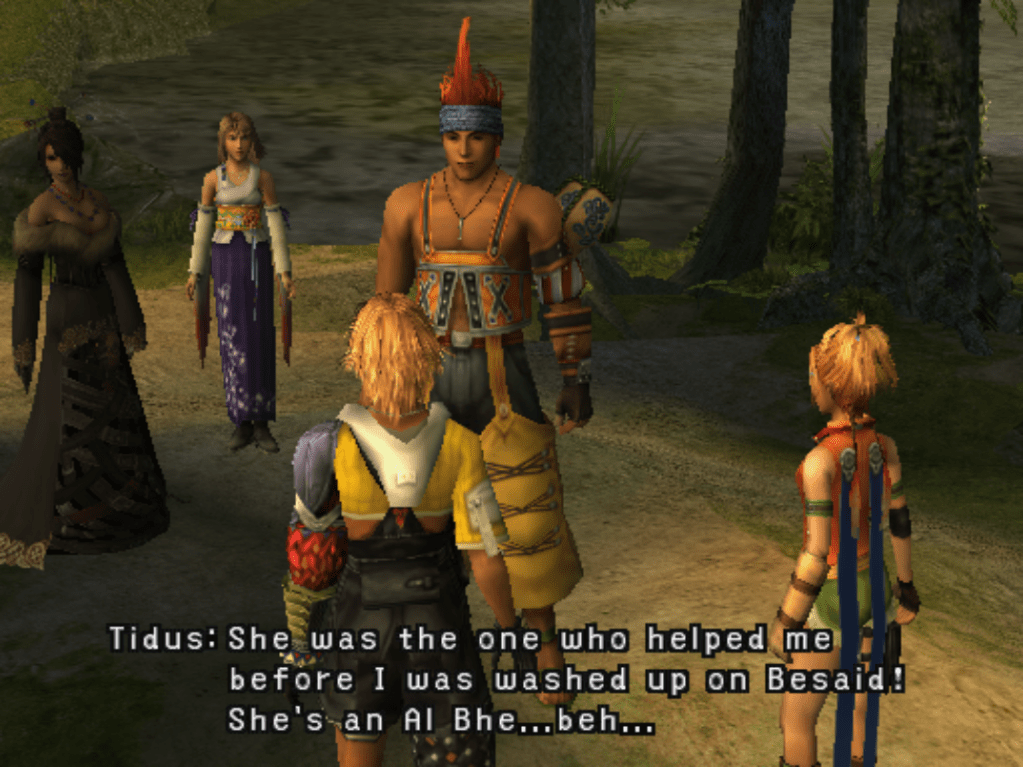
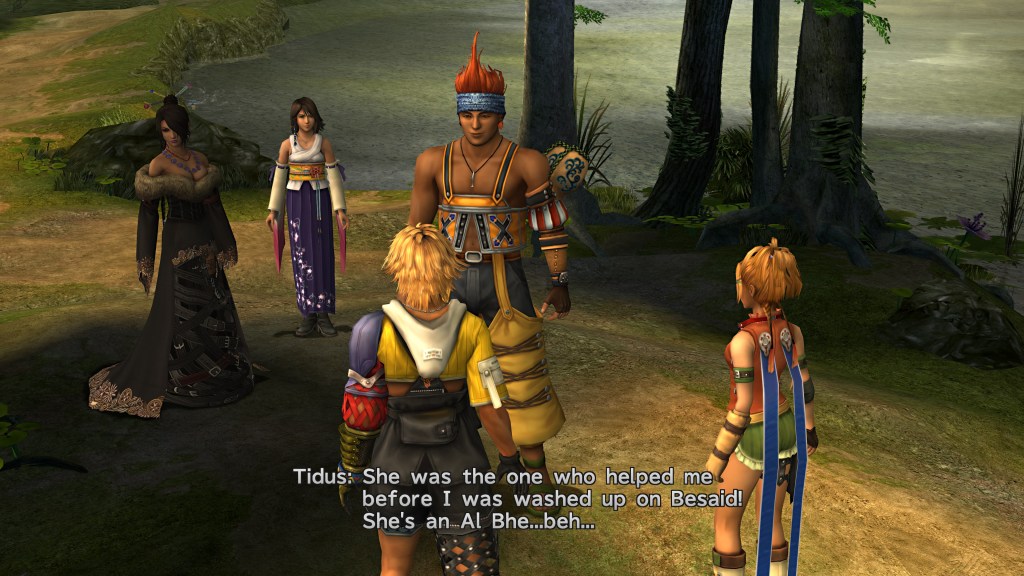
One of my favorite scenes with Rikku is right when she joins the party. Yuna immediately asks for her to join up and senior guardian Auron asks to inspect her. This involves a closeup of her eyes, which immediately signals her heritage. I think it’s wild that Al Bhed people all have bizarre eyes and I really think it’s funny that most people in the world hate these guys but they can’t immediately spot an Al Bhed for having the weird eyes? What kind of racist are you? Cotton Hill wouldn’t approve.
In combat, Rikku is a thieving and item specialist. Since the Al Bhed are portrayed as a group that is not afraid of technology, it makes sense to me that the Al Bhed representative would be someone who uses a lot of gizmos and gadgets. Since getting experience requires at least one use in battle, it’s likely that players will have Rikku steal at least one item per battle. And with her quick movement speed, it makes her extremely easy to switch in, steal and switch out.


She also makes a great healer in a pinch. One of the items she can use is called an Al Bhed potion, which gives 1000 HP to each active party members. FFX does not have a means for targeting multiple people at once, outside of select spells like Hastega, so a full party heal is very handy. Especially for portions of the game where Yuna isn’t available. It’s less than the mega potion heal of 2000 per, but Al Bhed potions are very common, so it’s just nice to have a backup form of healing at your disposal.
Her overdrive is mix, which allows her to combine two items into one ‘super item.’ This is how the chemist works in Final Fantasy V, so it’s a nice little callback. The strategy guide for FFX contained a giant list of all the mix combinations, which was very handy because there are a whole lot. But generally speaking, if you mix two attack items you’ll get a big attack and if you mis two defensive items, you’ll get a lot of defense. This move is extremely handy during boss battles.
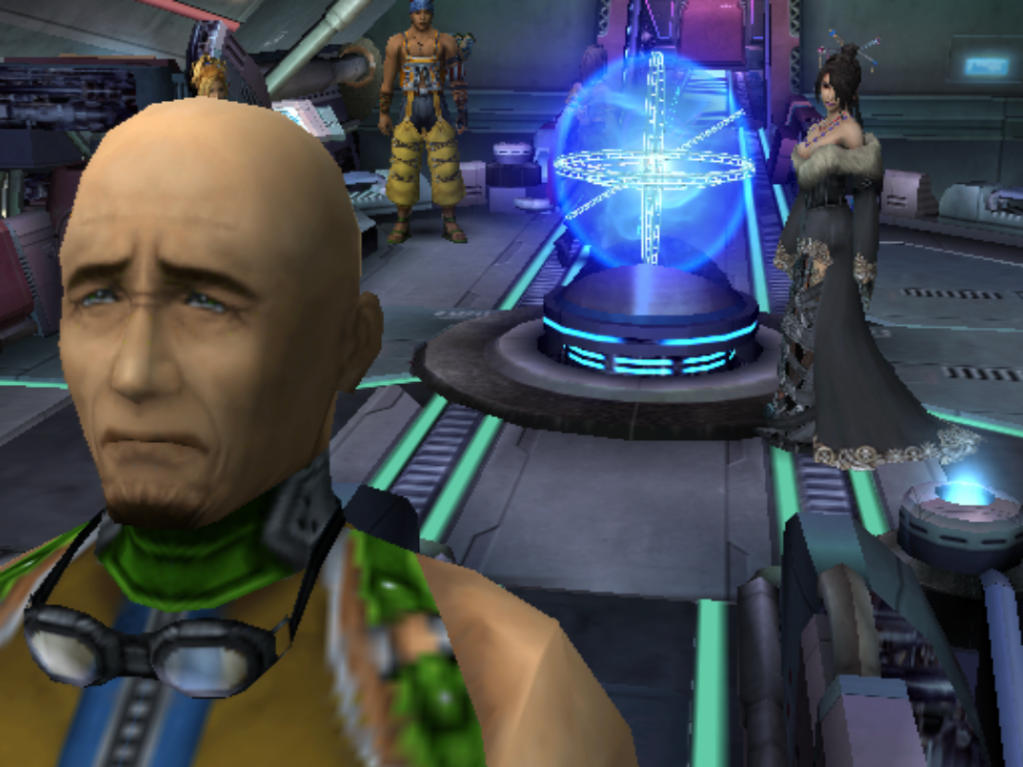
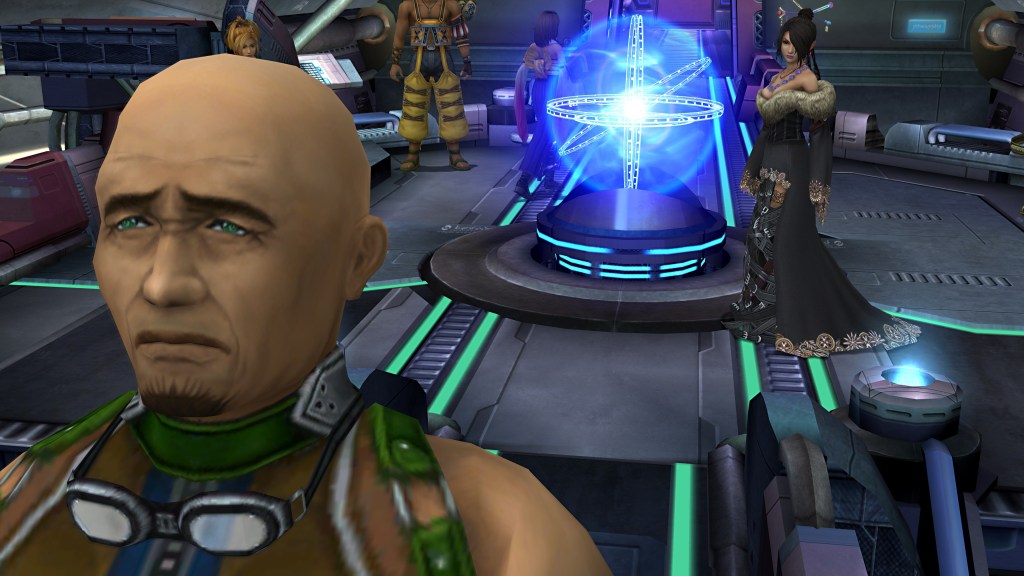
One final thing. I don’t think the Al Bhed character Cid is deep enough for his own character section, so let me cover him briefly here. Like most Cids, he is an engineer with ties to an airship. He also is Yuna’s uncle. I don’t really think Yuna’s half-Al Bhed heritage plays a factor in X’s narrative at all, really all of the race-relations stuff gets handled by Wakka and Rikku’s interactions.
I think they tie Cid to Yuna in order to explain why the Al Bhed want to save her so badly, but truly I felt the Al Bhed wanted to save EVERY summoner really badly. The leader just happens to be related to the most famous summoner in the world. Since that part of Cid’s character isn’t terribly relevant in my opinion, he really just exists to provide the party an airship (the only one in the world, remember technology is at something of a standstill) so they can finish the game and revisit old areas.
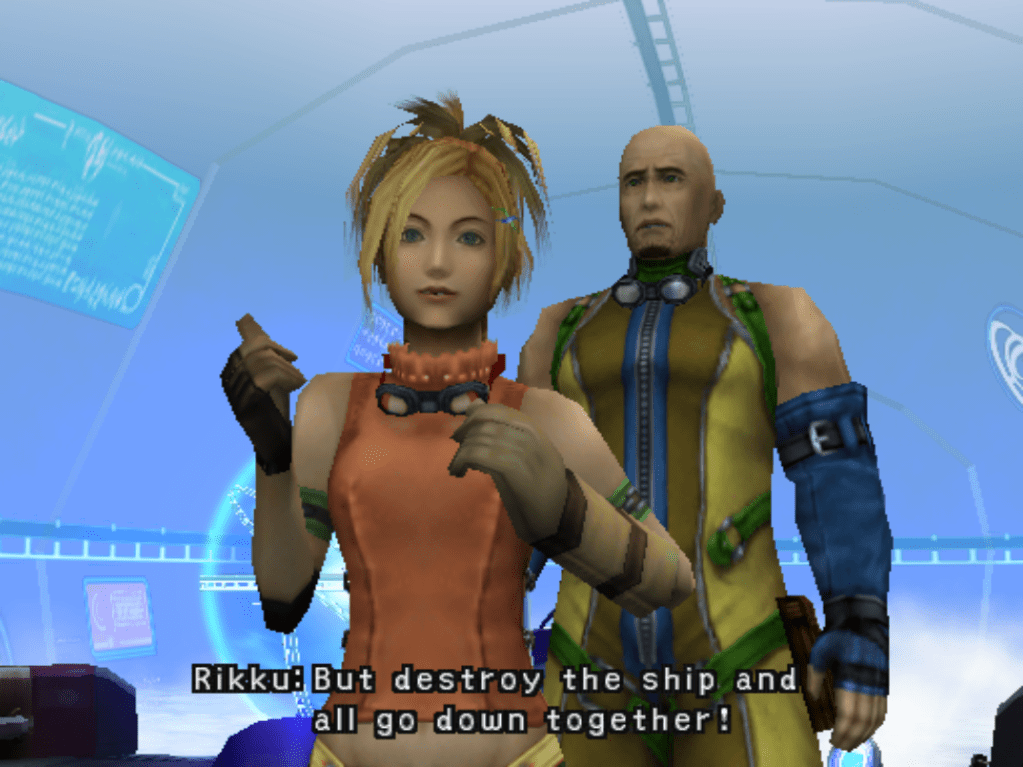
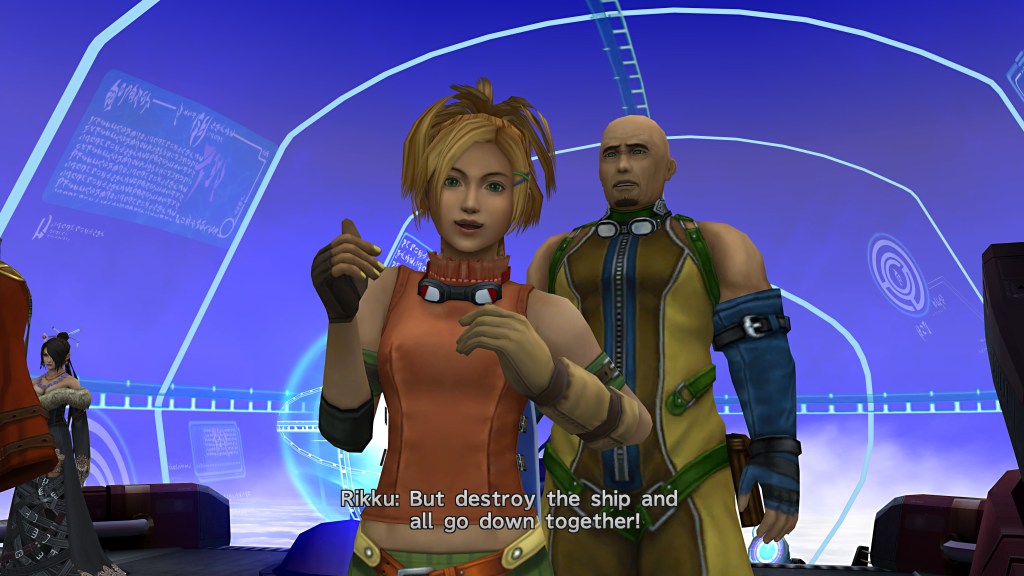
Nothing wrong with that. Lots of Cids just existed to give the party an airship. He gives the order to self destruct the Al Bhed homeland once the Al Bhed realize the situation there is hopeless, so there’s that at least. He probably gets a character section in the sequel, so look forward to that!
English voice actor report: Perfect. Tara Strong voices Rikku and if you’re looking for an upbeat spunky sounding character, you really can’t do much better than her. She’s a pretty famous voice actor and I think her performance lives up to her experience. A
Wakka
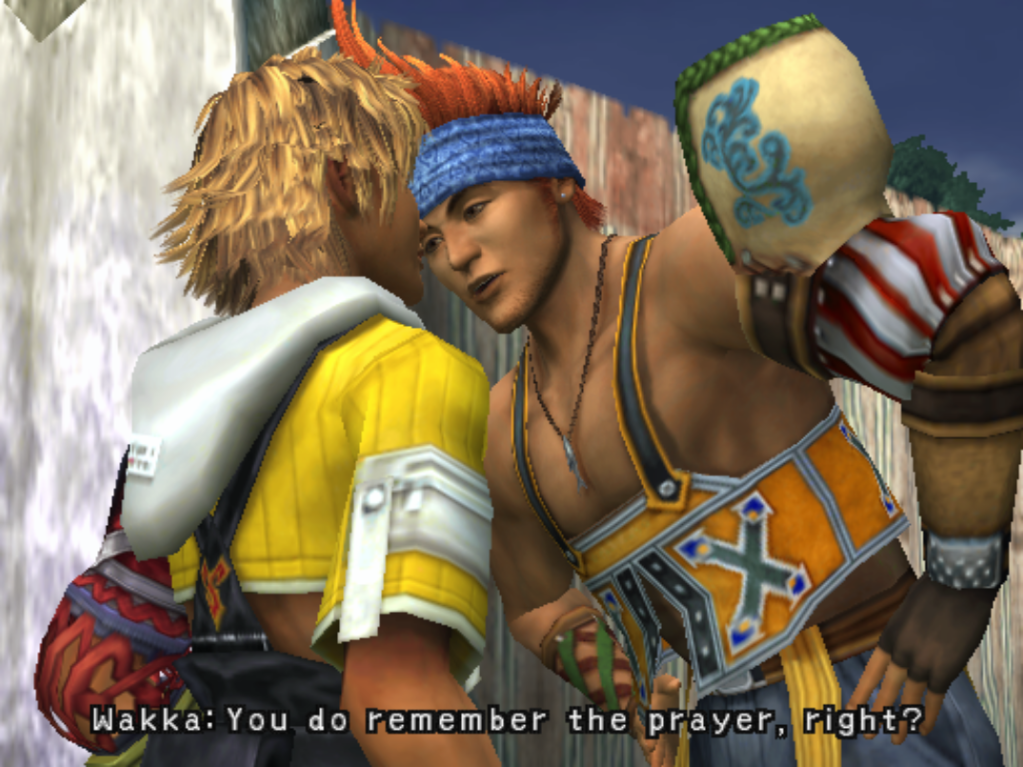
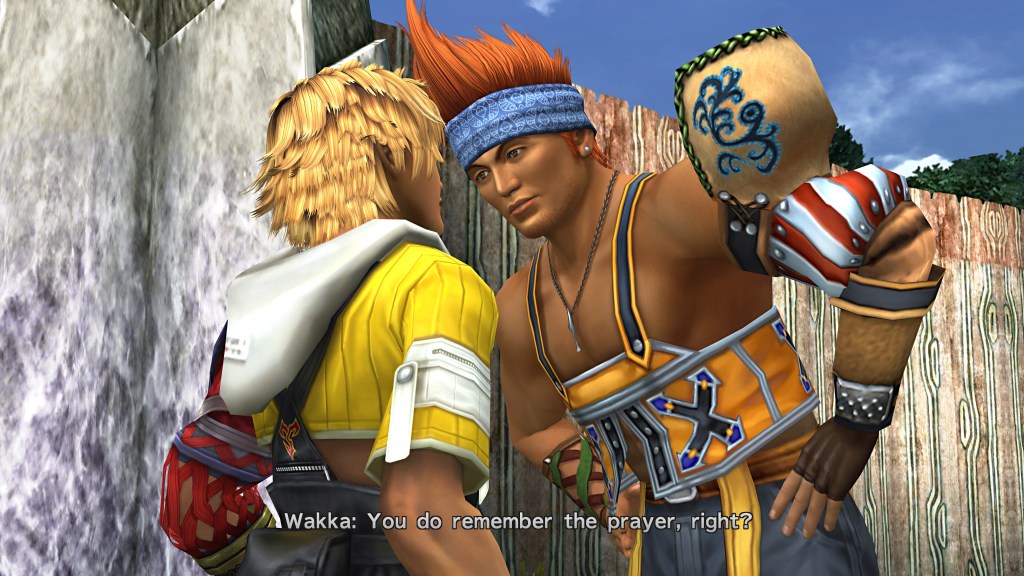
Wakka is the second person in Spira that Tidus forms a relationship with. He notices Tidus’s blitzball skills and tries to recruit him onto his team, the Besaid Aurochs, which leads to a gamelong partnership. Wakka feels like your typical ‘protagonist’s best friend’ character at first, though there’s a little more going on here.
The blitzballer here takes a shine to Tidus because he reminds him of his brother Chappu.
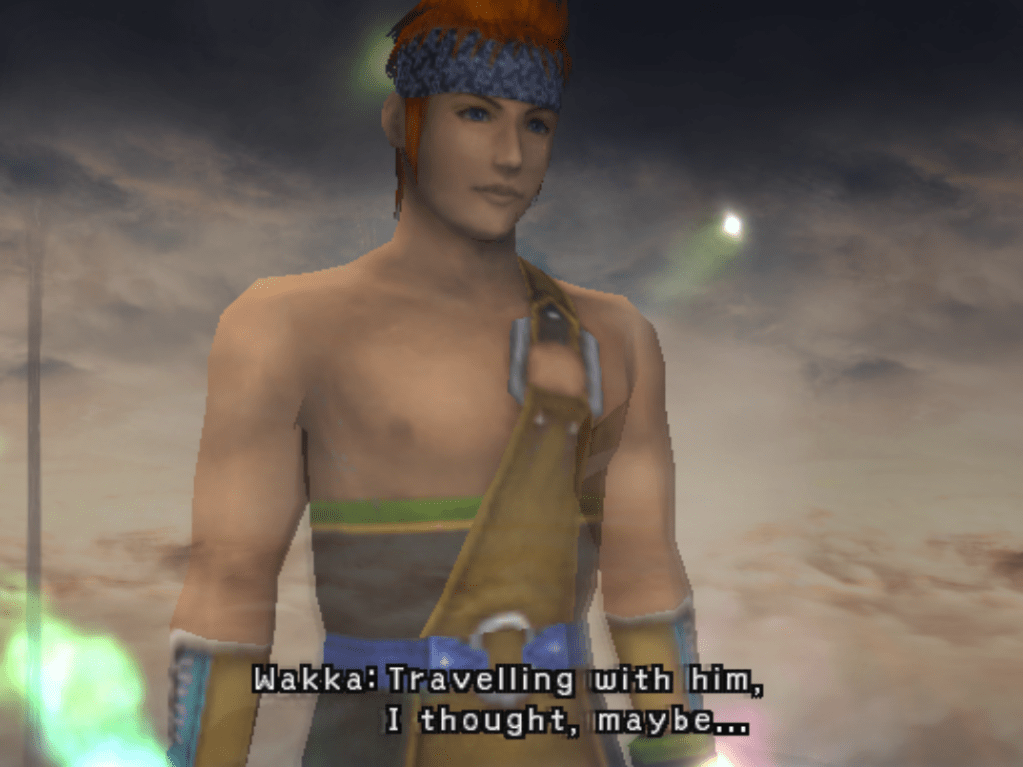
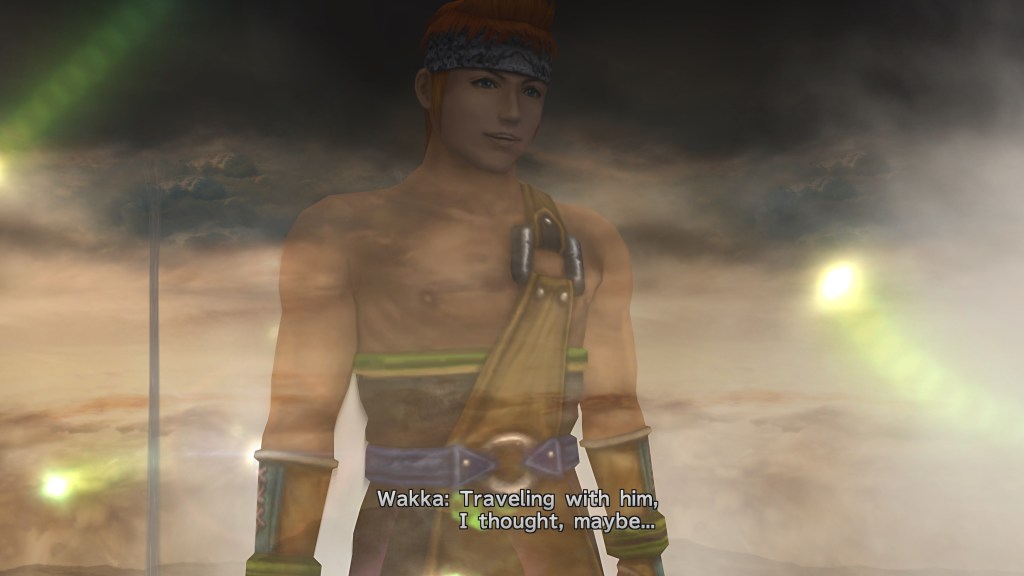
Chappu was killed by Sin before the start of the game and seeing Tidus there, a guy who claims to be from 1000 years in the past and has survived an encounter with Sin, gives Wakka some hope. If Tidus is here, perhaps Chappu is around too? Another party character immediately calls him out on being delusional, but you can tell the hope sort of remains.
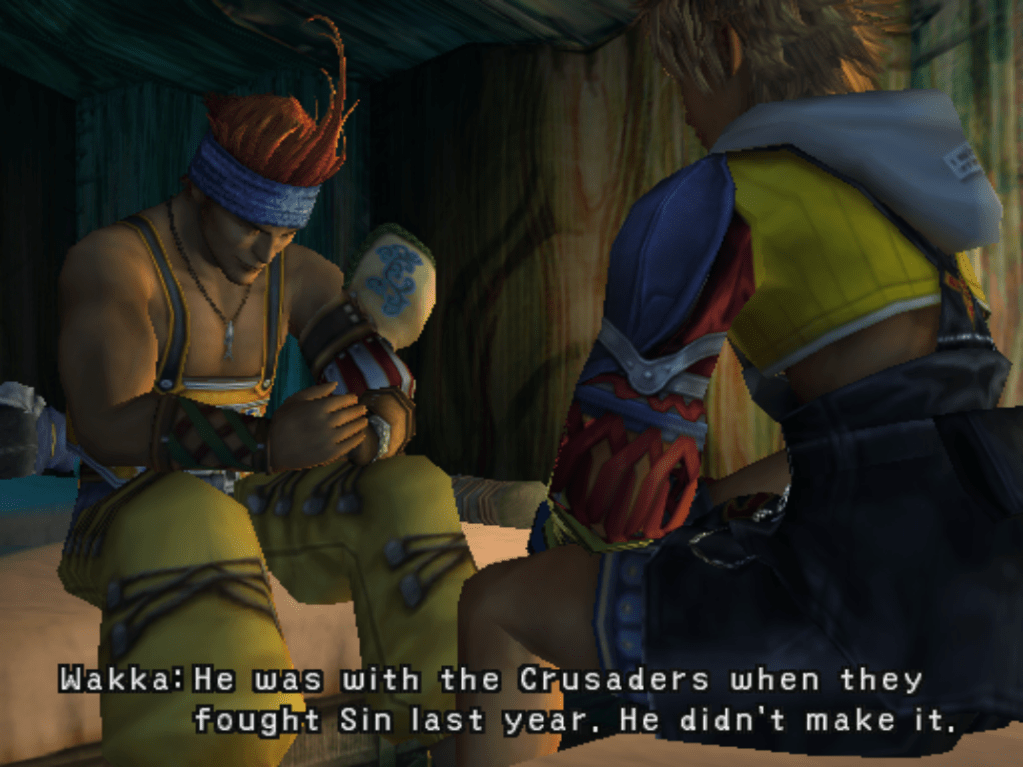

This leads to Wakka taking on something of a brotherly relationship with Tidus. They form a pretty tight bond very quickly. The signature sword of Final Fantasy X, Brotherhood, was originally Chappu’s sword that he left behind. That water sword had a previous owner, who knew!
It’s also revealed that Wakka is an extremely religious person, constantly harping on about the teachings of Yevon and how, if people keep the faith and change their ways, Sin will eventually vanish and peace will be around forever. The key phrase is ‘change their ways.’ As stated above, the teachings of Yevon strictly prohibit machina usage and the Al Bhed don’t agree with that specific passage. This has led to severe hatred of the Al Bhed from Wakka.
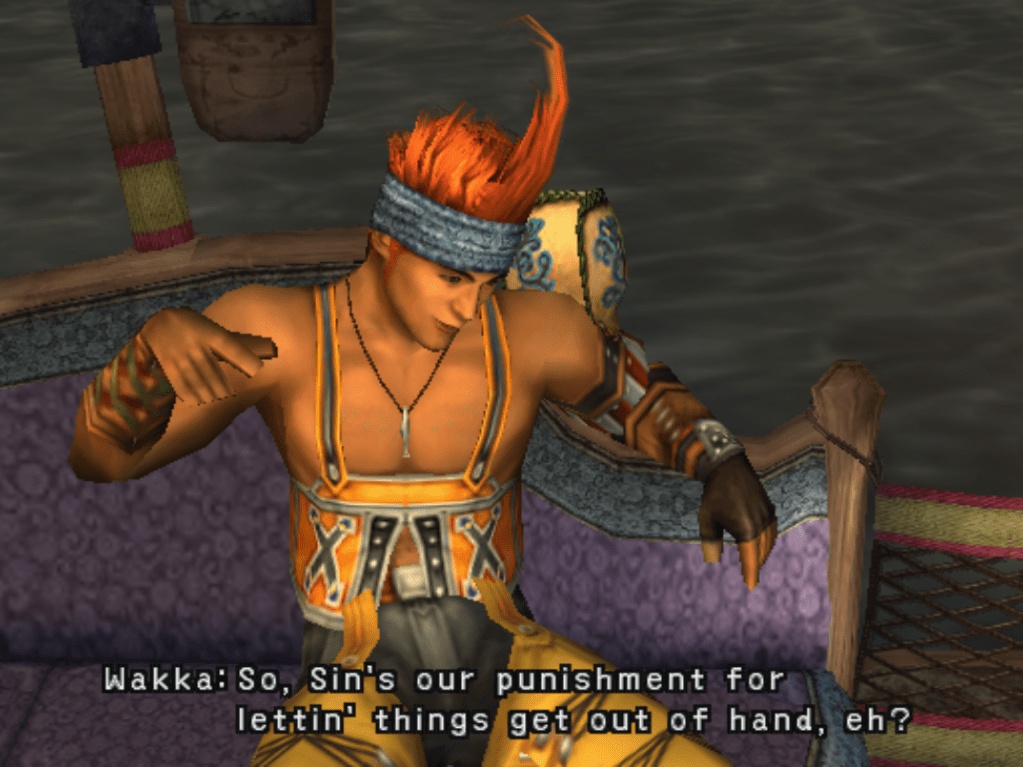
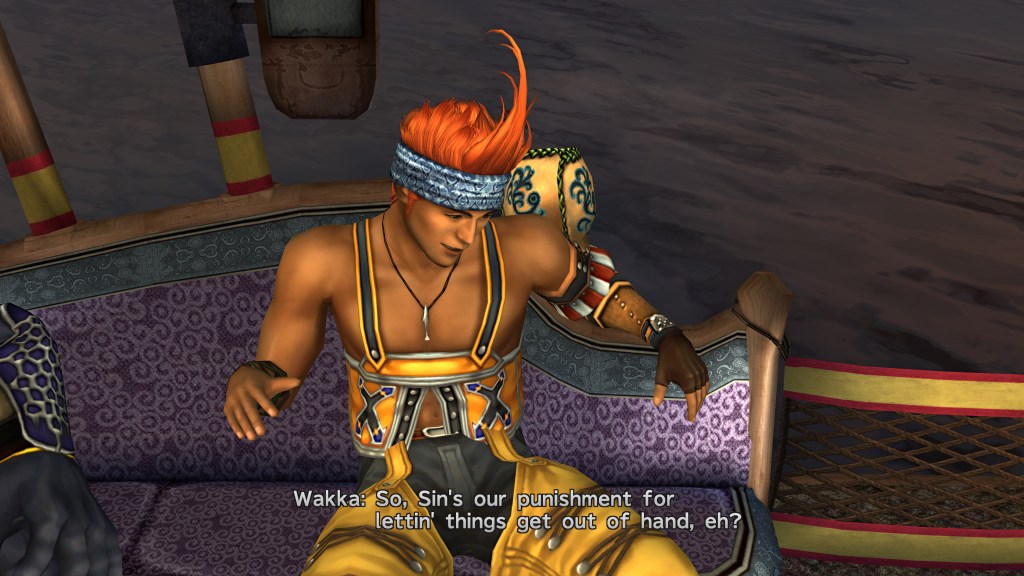
It’s not even subtle. He constantly talks about them negatively and views them as less than human. He looks at them as preventing humanity from stepping forward and getting out from under the boot of Sin. He thinks if only they saw the light, all of this would be over. It doesn’t help that his brother Chappu was killed when he elected to take a machina weapon over the sword he gave Tidus.
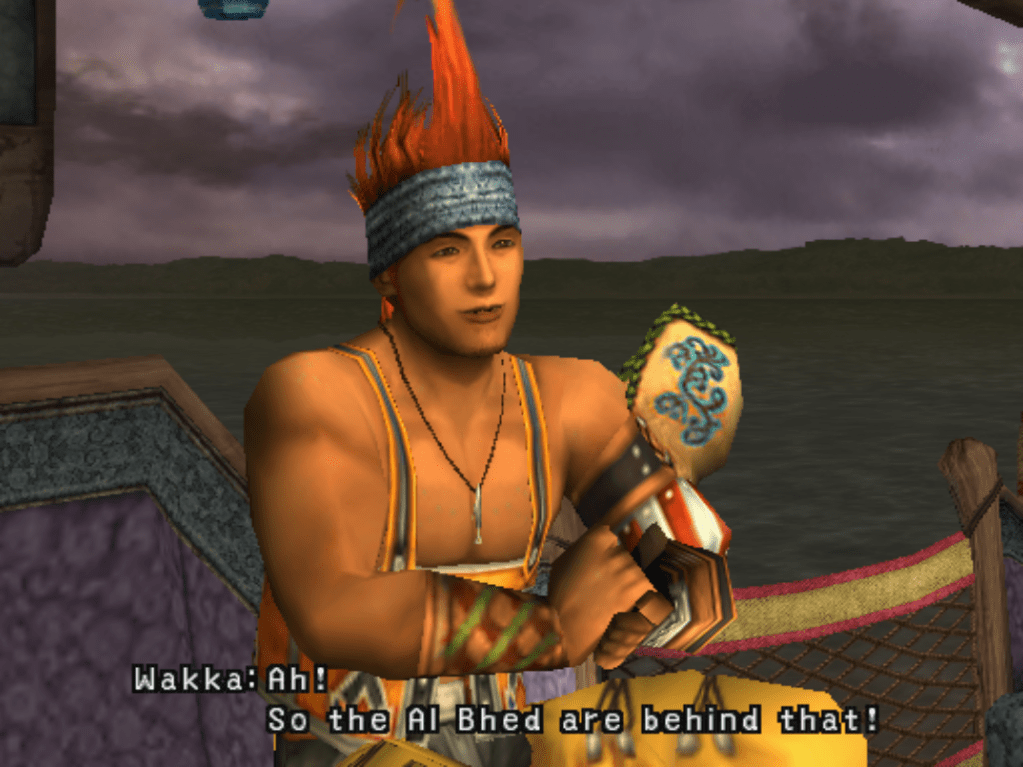
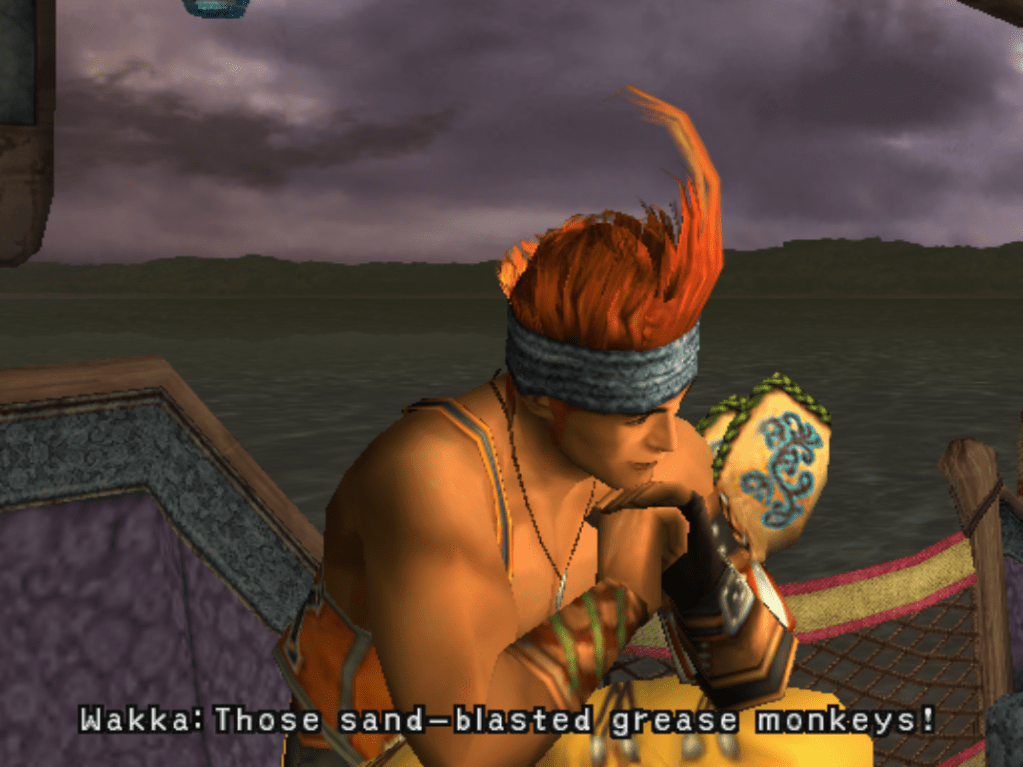
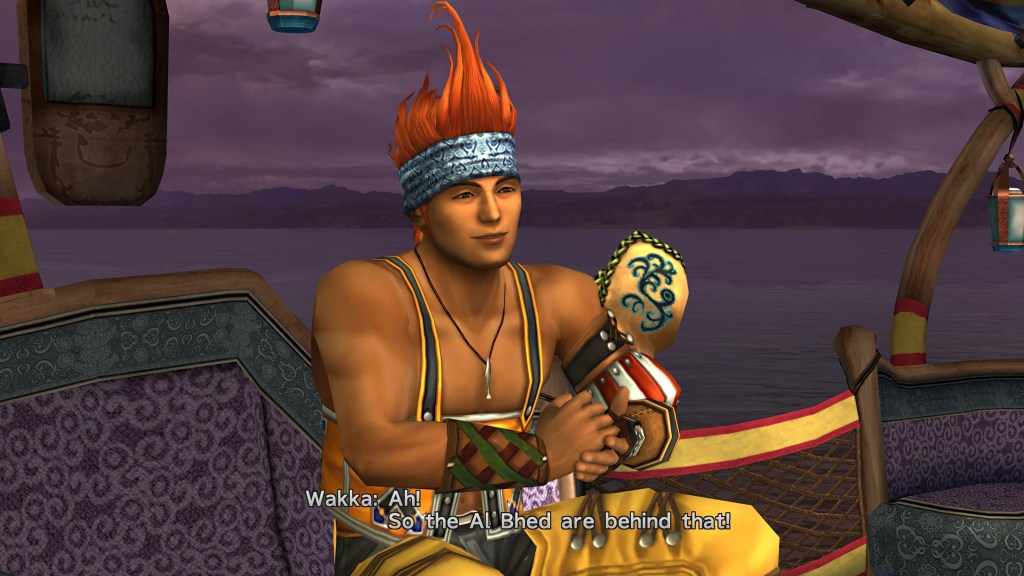

You don’t often have a main party member in an RPG just act openly racist towards people. It’s not a common trait and it’s handled with a lot more nuance than you might expect a game from 2001 to have. I feel like a lesser script would point out time and time again how Wakka is wrong and he’s an idiot for feeling the way he does, but instead Final Fantasy X doesn’t do that at all. They give you the reasons Wakka feels the way he does and they show you the Al Bhed side of things in an attempt to indirectly tell the player “this guy isn’t really seeing the whole picture”
His racism is treated more as a bit of naivety. His sheltered and faith-fueled life never had him dealing with the Al Bhed, most of his hatred from them comes from other people telling him the Al Bhed are wrong. This is evident in his dealings with Rikku. Wakka seems to really like her a lot, treating her almost as a little sister, but he never realizes the truth about her heritage. When he finally DOES learn, it’s right before the homeland of the Al Bhed gets destroyed, so he gains a lot of understanding quickly.
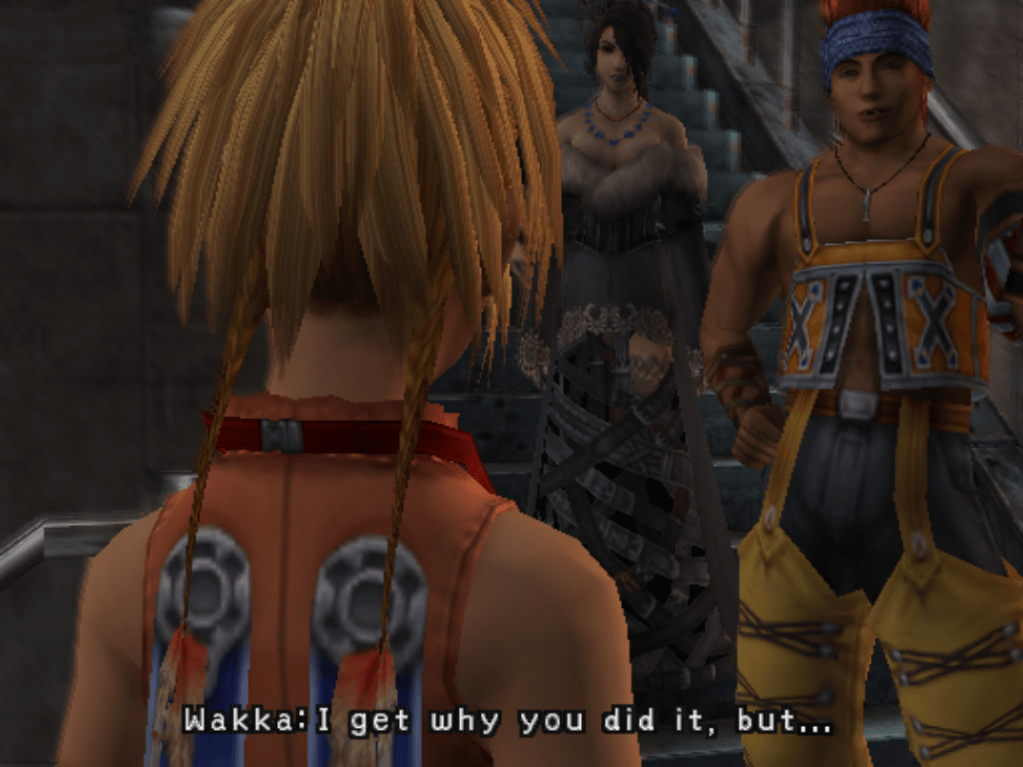
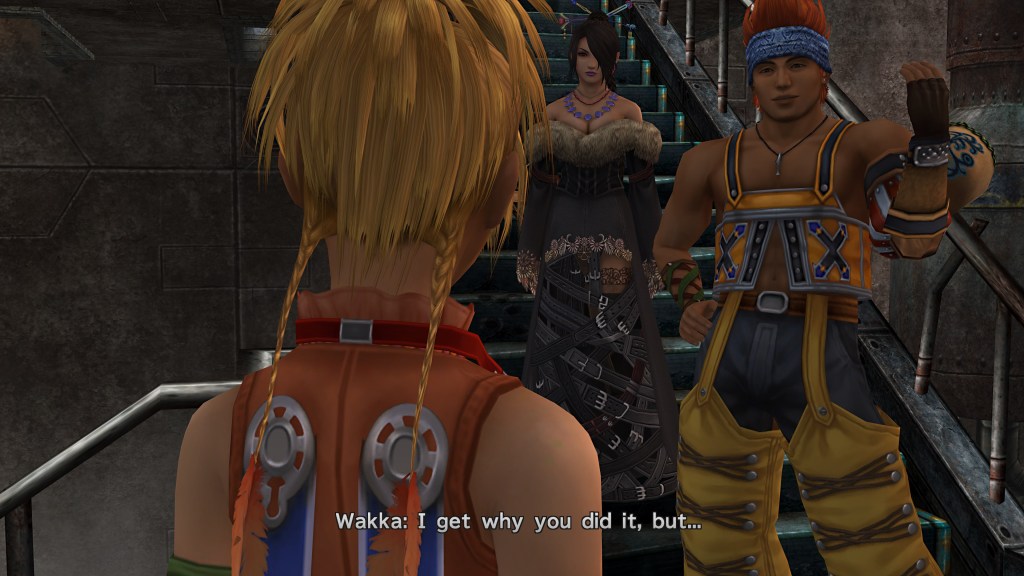
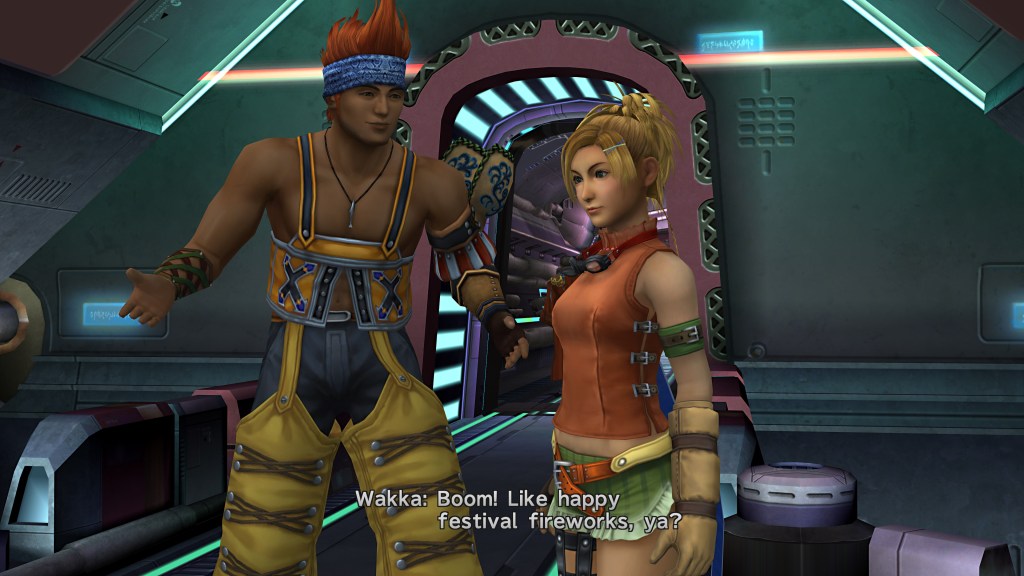
This culminates in him referring to the destruction of the Al Bhed home as ‘happy festival fireworks, ya’ which is one of the most insane lines in a video game ever. Especially because the INTENT was to cheer up Rikku, who just saw her home destroyed.
However, as stupid as it sounds, I think this scene works. It shows Wakka, awkwardly, trying to move on from his past ways because he’s gained a new perspective. He worded it horribly but his heart was in the right place.

I don’t really like when games get really heavy handed with telling you how to feel. For instance, at the start of the Last of Us 2, you encounter a bigot fairly early on. Instead of just letting his line linger with the listener, multiple NPCs go on to call him an idiot bigot, which just tells the player what to think.
And hey, I agree with the message, but I think it’s a little on-the-nose. I don’t need everyone in the game telling me Wakka is wrong. I know he is! But the party only ever calls him out on it like one time and it’s more like “hey take it easy buddy” instead of a big condemnation. You even have a character you’re supposed to like (Lulu) making excuses for him. Realism!
I just like that FFX doesn’t feel preachy about it. The player discovers for themselves that Wakka is a close-minded idiot. They also see the close-minded idiot grow as a person and change their ways. I think this would be a lot harder to pull off if people shat on him left and right.
Gameplay wise, Wakka has a lot of good status effects in his arsenal and, on the main path, is probably second only to Auron in physical strength. He also is able to hit flying enemies a lot easier than the rest of the party since his weapon is a ball he can throw. Since status effects are more useful here than they are in some other final fantasies, the third fight with Seymour practically necessitates using silence and there are several fights where blind is crucial, I find Wakka very handy.
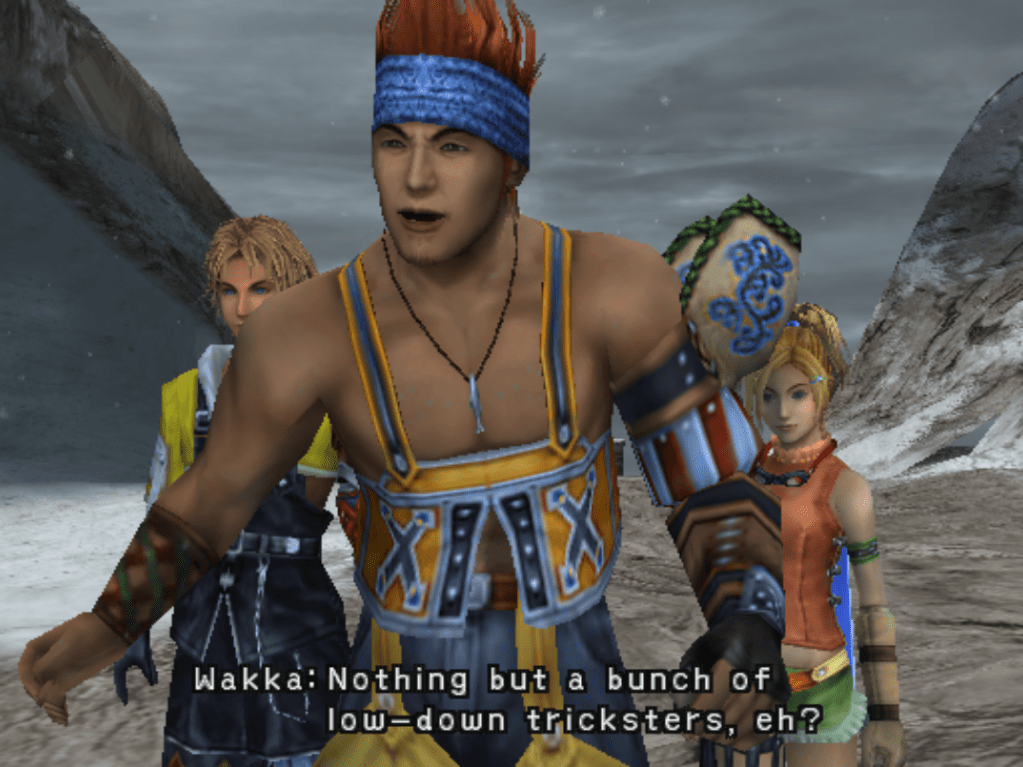
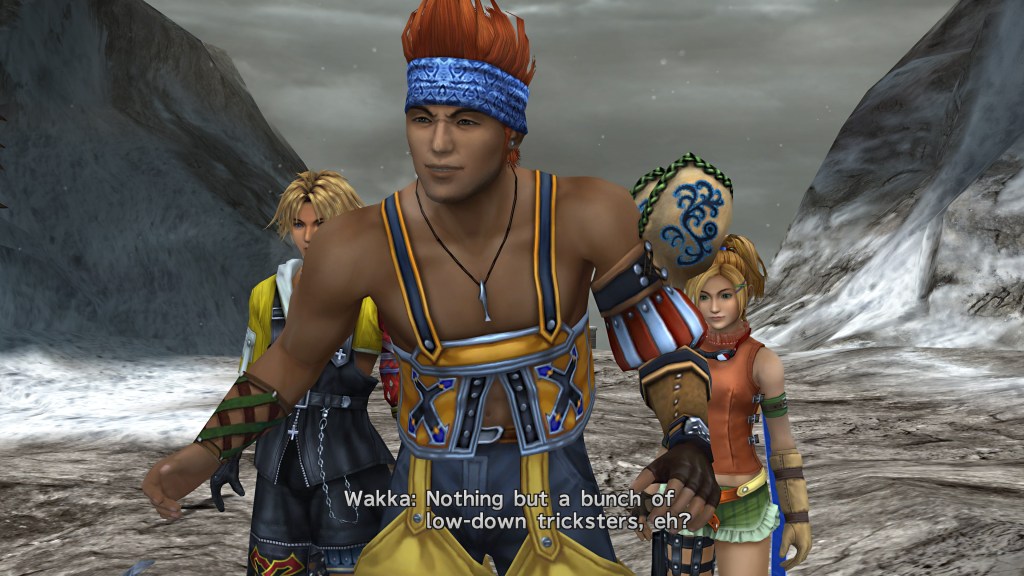
For his overdrive, Wakka is your designated slots user. However, the slots are less fast and random feeling than in previous games, so all of his moves are pretty useful. Like Tidus, he has four total moves, but three of them are locked behind blitzball, which ensures a lot of players will never see them. The final overdrive he learns, when paired with a weapon that can break the damage limit, is the best single move in the game. It hits enemies an absurd amount of times and if the player has max stats, you’re gonna see a lot of five-digit numbers pop out.
As a result, Wakka is probably the best party member overall.
English voice actor report: Wakka also has a pretty famous voice actor taking the reigns, with John DiMaggio doing his best Caribbean accent. Unfortunately for Wakka, this isn’t as effective as Tara Strong’s Rikku, and most of the time he just sounds off. Some scenes that would require emotion, like when he’s telling Tidus about his brother Chappu, just don’t feel like they have the proper weight.
DiMaggio is most known for voicing Bender from Futurama. And unfortunately, I can hear Bender come out in a lot of his lines and it takes me out of it. However, in the voice drama that is included in the HD remaster of Final Fantasy X, DiMaggio’s performance is pretty solid. So I might have to blame direction on this one as well. D+
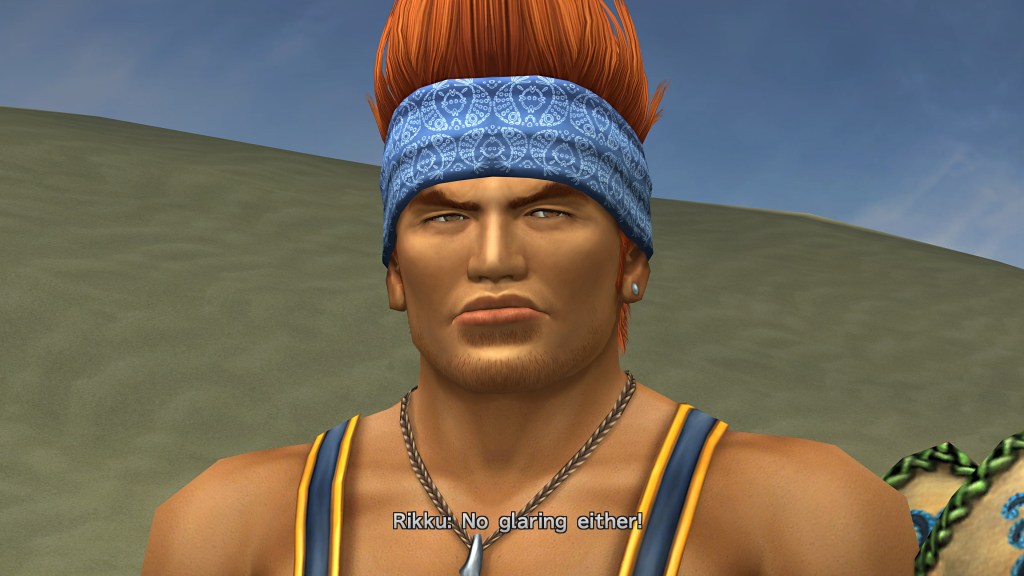
Lulu

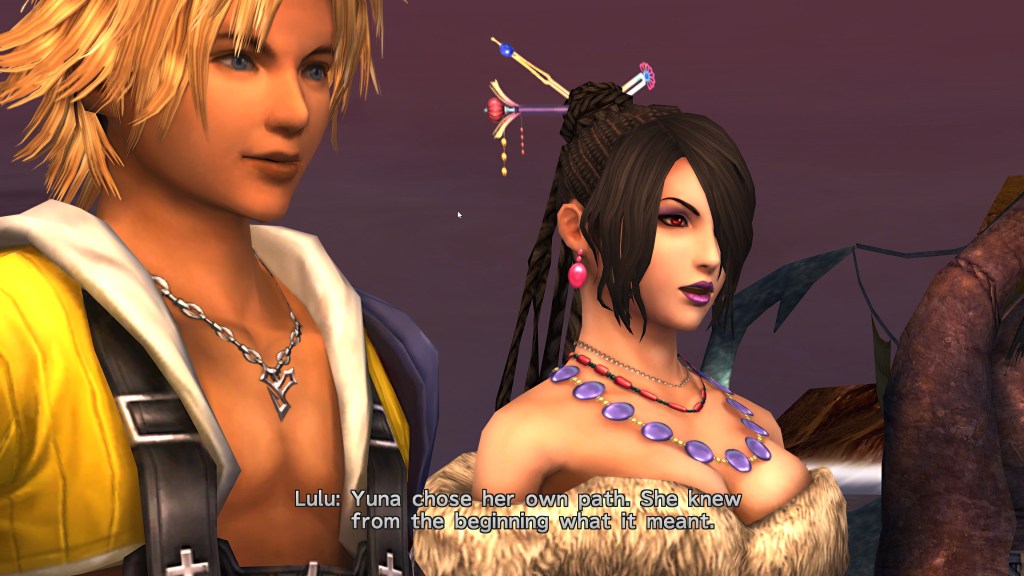
The final female member of our main crew. She lives in Besaid alongside Wakka and Yuna, with the three coming across as some sort of big family. She also used to have a bit of a romance going with Wakka’s deceased brother, Chappu.
Lulu’s character early on appears to position her as a realist. If someone, typically Wakka, has their eye in the sky, she can rather coldly bring them back to reality with some harsh words. Wakka is especially bad about comparing Tidus to Chappu and given that Chappu and Lulu used to be something of an item, well, the comparison doesn’t sit well with her.

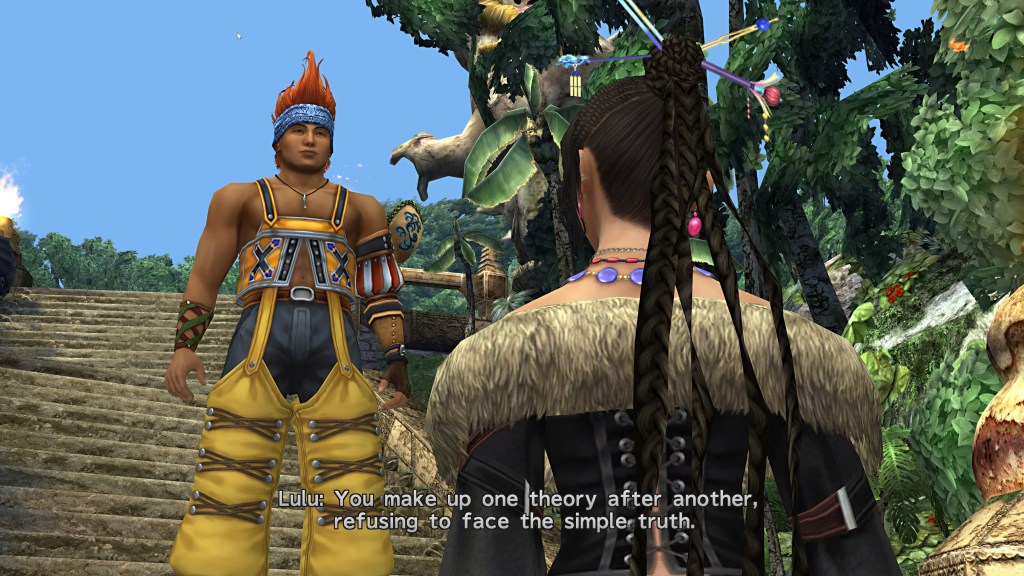
To me, her character design makes her seem like a dour and depressed individual, a real goth look about her. But that never really comes across on screen, as she is probably the most motherly and caring person in the party. She’s cold at times, sure, but I think it’s pretty clear she views the party as kind of a big family.
She spends a lot of time providing lore about the world to Tidus. For instance, the first time Yuna performs a sending, she explains in detail what that is. If you enter a new place, she’ll give you some factoids about it. Tidus even remarks at one point that he doesn’t even have to ask, she just provides exposition.
It is handy to have a character like that in your midst, often times a narrative doesn’t have an excuse to subtly tell you some specific lore. But from an individuality perspective, I don’t think Lulu really pops. The most interesting thing about her is the relationships she keeps.
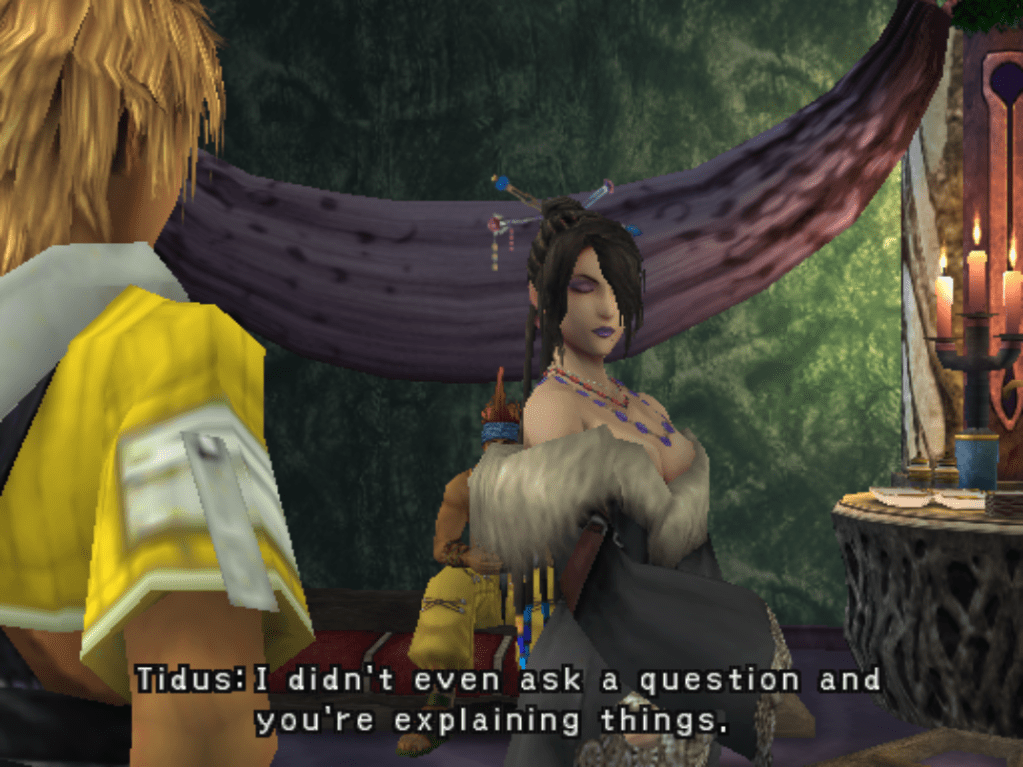
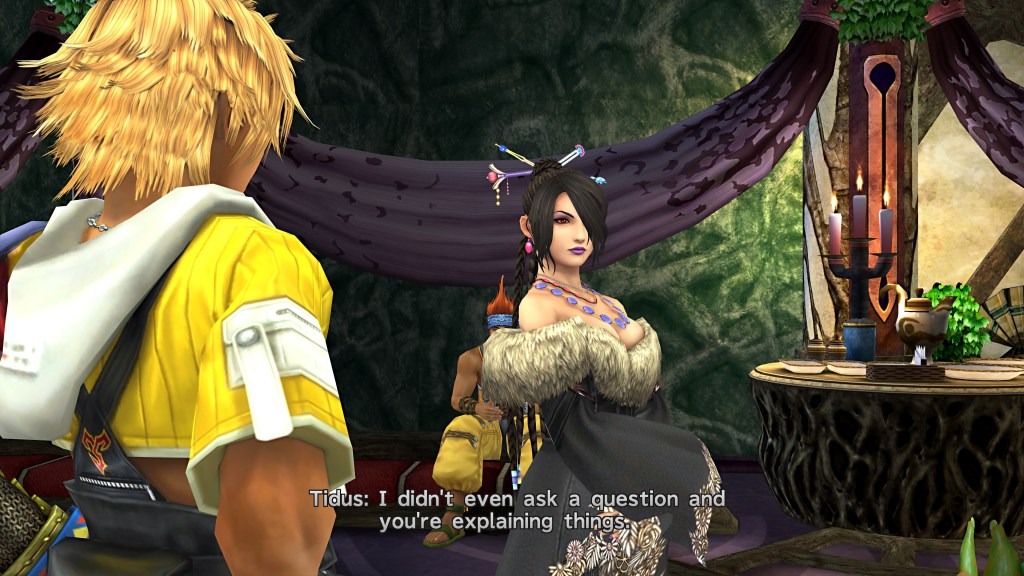
For instance, the game hints a lot that there’s something more than a ‘familial bond’ between Wakka and Lulu. It’s never outright stated in the main course of the game, but it’s pretty obvious. Little things like Wakka getting beat up during blitzball and remarking to Lulu that ‘she wasn’t supposed to see that’ or Lulu thanking the party for not judging Wakka for being racist. Stuff that might extend beyond what a typical ‘just friend’ might do.
Their history together goes back before the course of the main game. There’s an optional dungeon just off the main path where you learn details of a past pilgrimage she and Wakka went on that ended in failure. The summoner they were protecting fell right at the finish line, so they aren’t exactly rookies, but they do have a lot to prove. Unfortunately, I don’t think their previous experience actually comes into play in any meaningful way over the course of your adventure, so it just feels more like a neat factoid than anything.

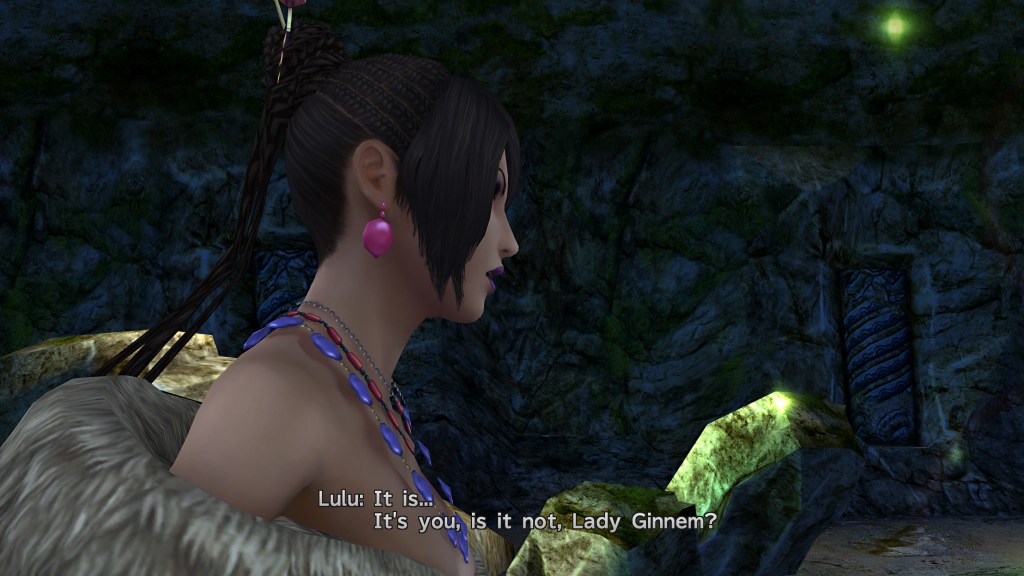
In the sequel, Wakka and Lulu marry (off-screen) and are expecting a child. Whenever I get to X-2, I sincerely doubt Lulu will get her own character section in that game (she has like five lines of dialogue,) so I just want to point out how hilarious her character model is in that title. We are told she is due to pop at any moment, but ya look at her and she looks the exact same. Like, I get that they’re just reusing assets, but couldn’t ya have found a way to hide the lower half of her body?
One final thing I want to mention is the sexuality aspect of her character. As you no doubt can tell from the screenshots provided, Lulu is probably the most revealing character the franchise has seen to date. Her victory pose is definitely one I remember reading about people ‘lingering’ on back in the day. I almost wonder if a goal with Lulu was to replace Tifa? A new babe for a new generation!

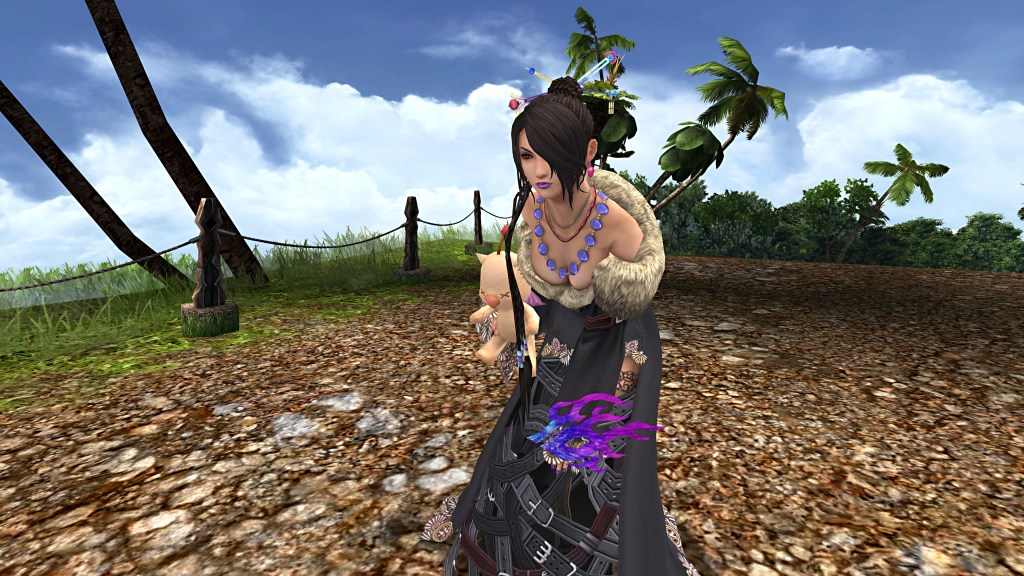
This mostly comes into play when the game flat-out teases the player by asking them ‘so who do you prefer, Yuna or Lulu?’ at a point where it’s pretty clear who Tidus the actual character prefers. If you select Lulu, she’ll comment that she’s adding you to her list.
What does she mean by that!? This is the only time the game even hints a romance with Lulu would even be possible, so I’d like to think this is a little winkeroo to the teenage boys in the audience.
Well, I guess there was hints of something, Tidus stole some binoculars at one point and lingered a little long on a particular area
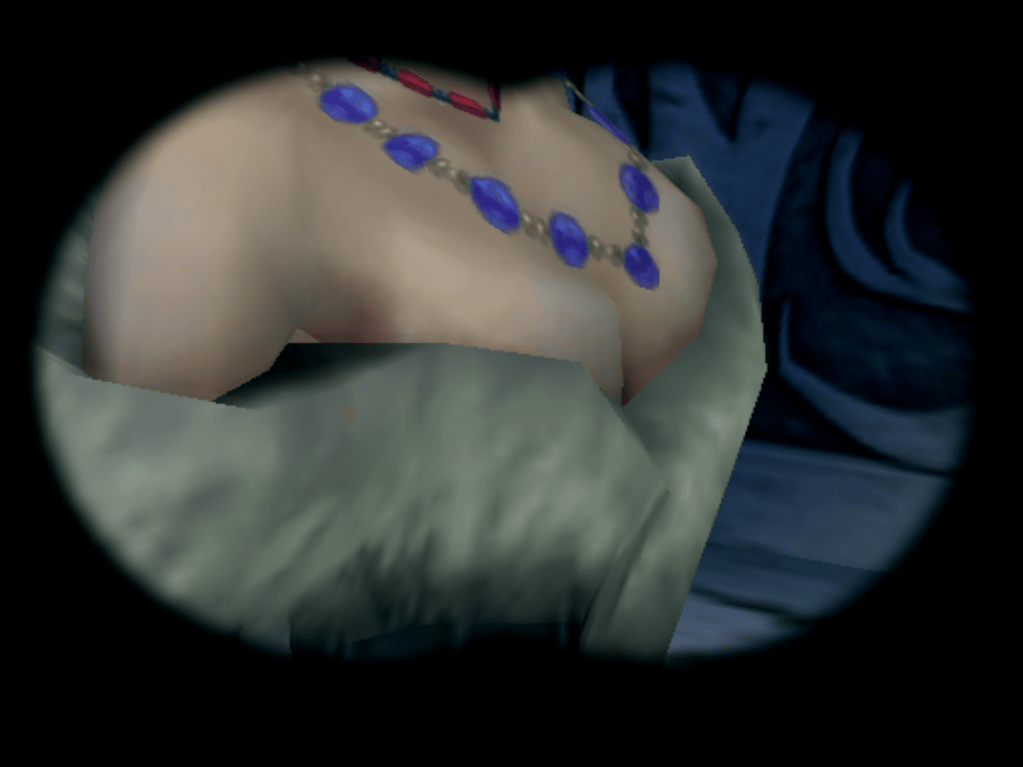

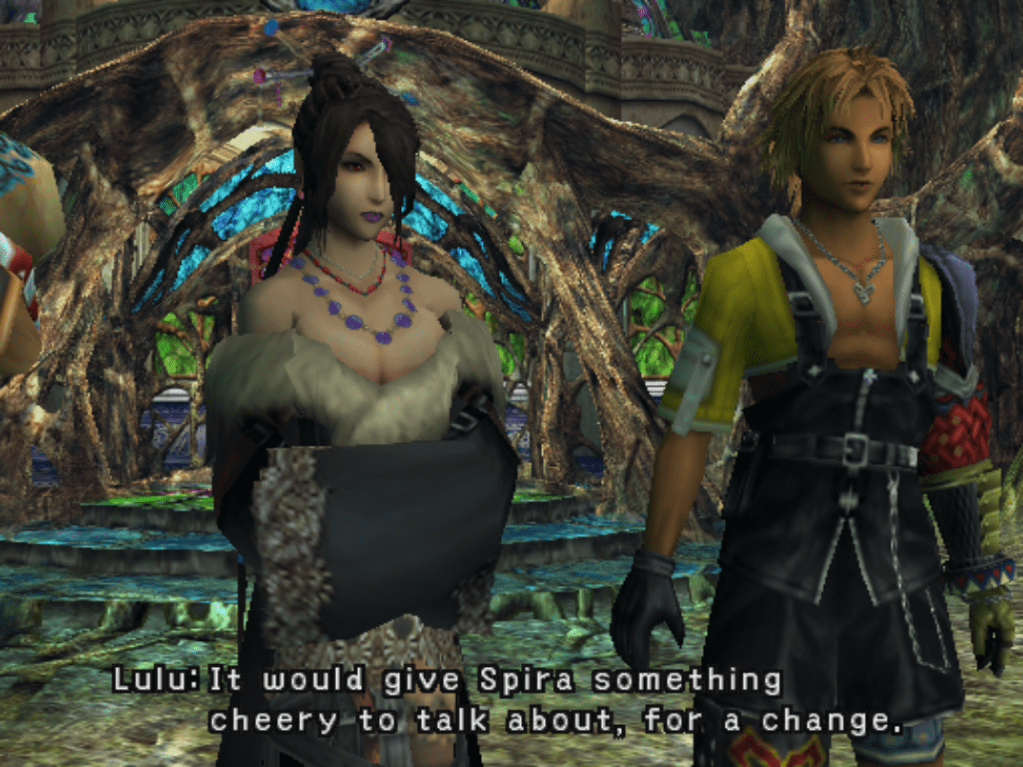
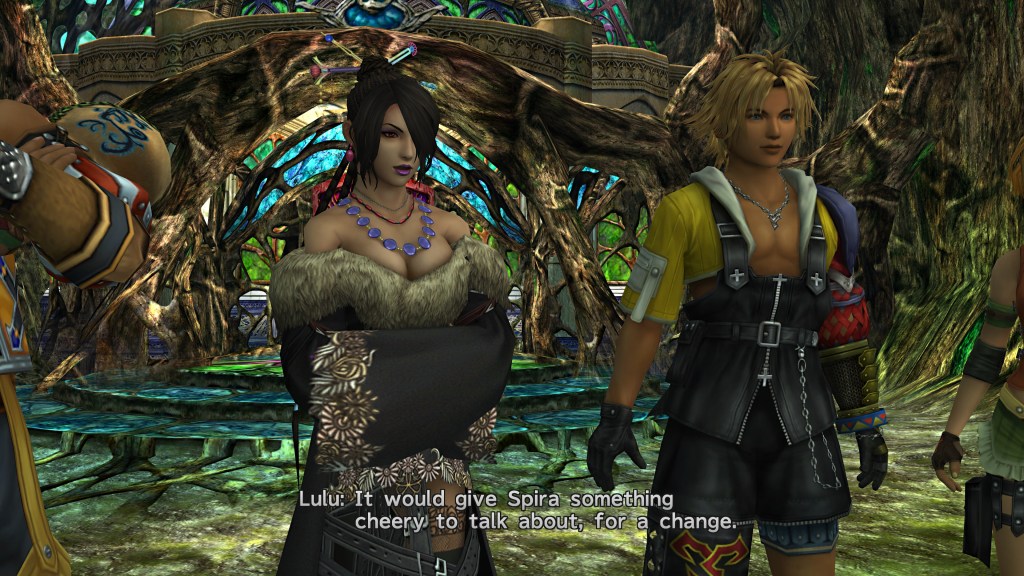
I also named my dog after her. You see, she’s a little black dog. Lulu is a black mage. It just goes together, I guess!

Speaking of her being a black mage, let’s discuss her gameplay. Would you have guessed that she’s your primary spellcaster? On her route of the sphere grid, she mostly learns abilities that amplify her magic or simply new spells. Not much thought needs to go into using her, just think of a spell you want to use and then use it!
Her overdrive lets her cast multiple black magic spells in one go, however the attack power of these spells is reduced. So even if you pull off six flares, you really only have the attack power of one and a half or so. You also need to twirl the analogue stick to fling spells off and if you’re not a seasoned Mario Party expert, you might have issues with this. The time before this playthrough, I think something was up with my controller because I could only get a spell or two each overdrive, which made her supposed best move damn near useless.
This playthrough was a bit more standard, averaging about six spells per usage.

I feel like Lulu is a lot less useful in combat than your previous black magic specialist, Vivi. It’s a lot easier to hit the soft damage cap of 9,999 this go around and I still found Lulu struggling to hit that point until she learned flare.
On top of that, her overdrive doesn’t hit that hard, so even if you go through the pain-in-the-ass process of getting her an ultimate weapon while maxing her stats out, the overall effectiveness of her attacks still lags behind other multihit experts like Tidus or Wakka. Unfortunately for the super bosses, I usually bench her. Shame.
English voice actor report: Lulu is voiced by Paula Tiso, who does a pretty good job. I feel like this character would be really easy to overplay either in a dark or sultry way, but she never really crosses that line. Since I think Lulu is the second least important party member behind Kimahri, her performance probably isn’t that memorable to many, but that’s okay. She does well with what she’s given. B


Auron
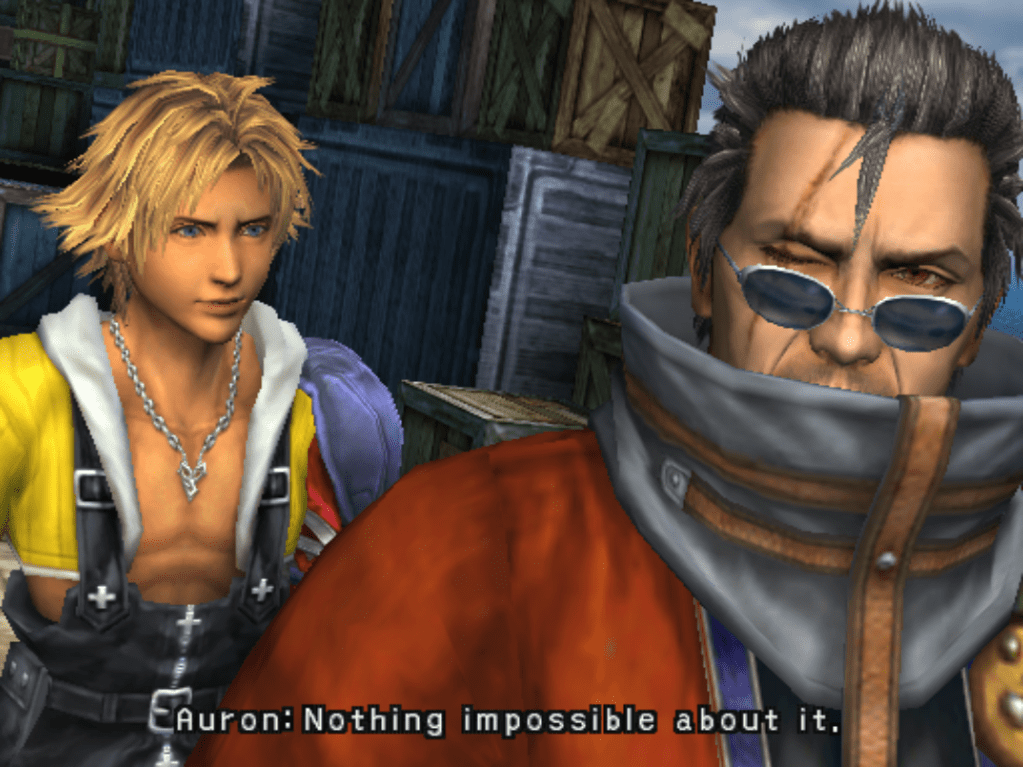
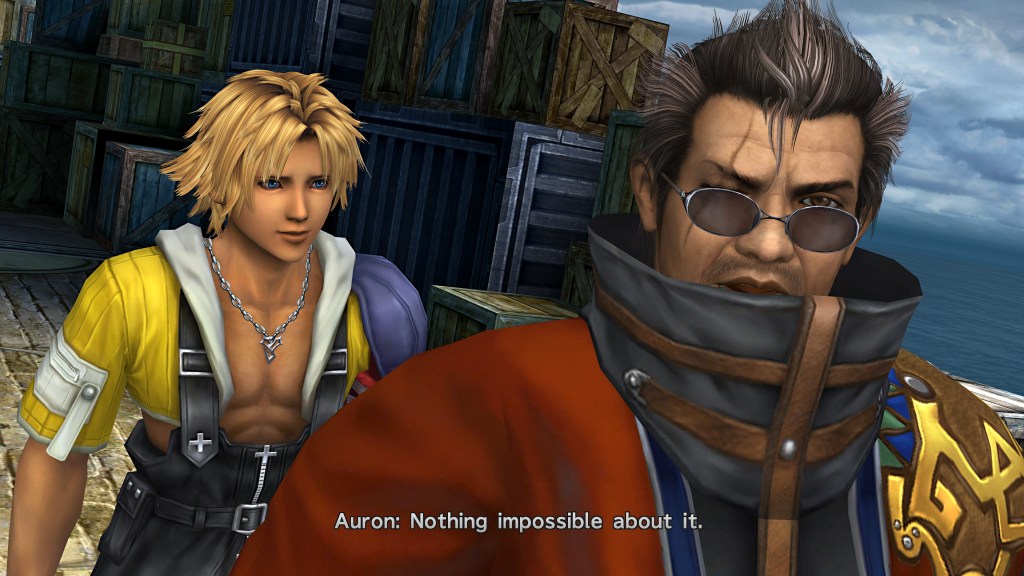
Auron is the second main character you meet in the game, appearing to Tidus in ‘dream’ Zanarkand as sort of mentor figure. He is mysterious and rugged. The game starts with him grabbing Tidus’s hand and helping to guide him into the world of Spira. The protagonist has no idea what’s going on, but figures seeing Auron might help him understand a little more about the world.
In Spira, Auron is a famous figure, most known as the guardian for the last successful summoner, Braska. Braska also happens to be Yuna’s father. When the party encounters Auron, he almost immediately offers his services up to Yuna. This all ties into his previous adventure. He promised Braska that he would look after Yuna. Braska had two guardians though, with the other being Tidus’s father, Jecht. Jecht also wanted his brat watched after, so Auron is just tied to the two leads going forward.
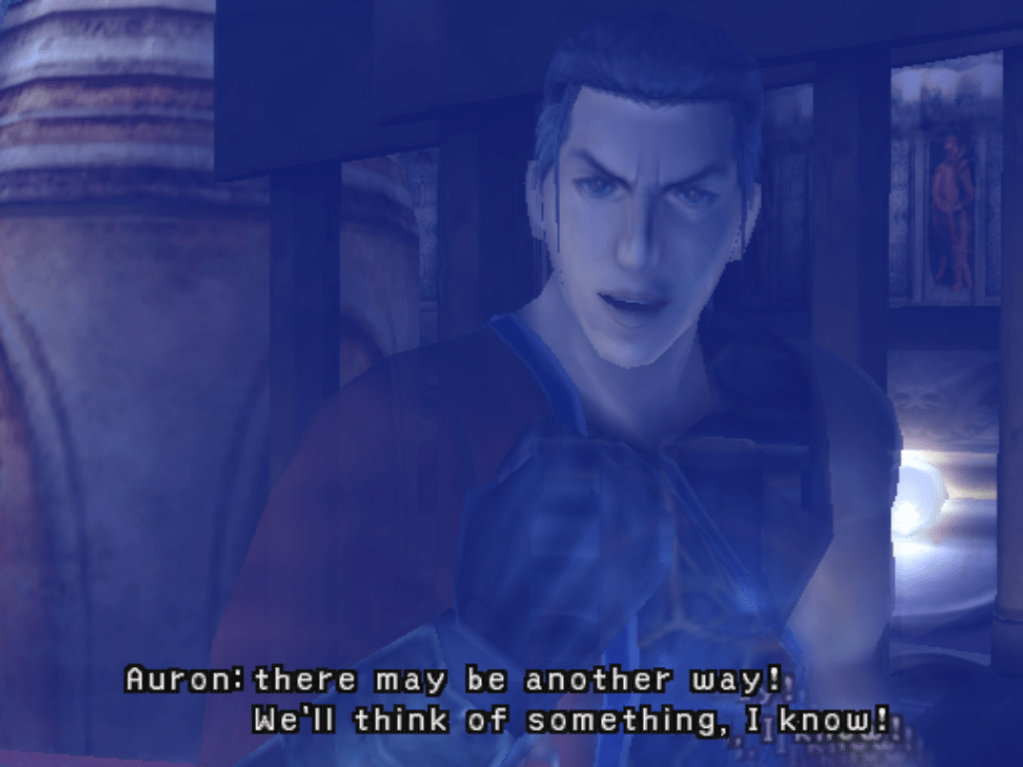

Immediately after joining the party, Auron takes Tidus aside and tells him the truth about Sin. Sin is Jecht. He doesn’t elaborate on HOW this happens, but he states it as an absolute fact.
Auron also happens to know a lot about this journey, but he remains tight lipped. It appears Tidus constantly saying it’s ‘my story’ has rubbed off on him, because he wants the crew to experience the pilgrimage for themselves and make decisions based on what happens to them, not on what happened to him.
The big twist with Auron is revealed pretty late in the game. His original pilgrimage ended when Braska, Jecht and Auron reached Zanarkand and Lady Yunalesca, the first summoner to vanquish Sin. The twist unveiled to the party is that the final aeon, the method used to beat Sin, required a guardian to sacrifice themselves to become that aeon. This is how Jecht became Sin, he elected to sacrifice his life to aid Spira and Braska.

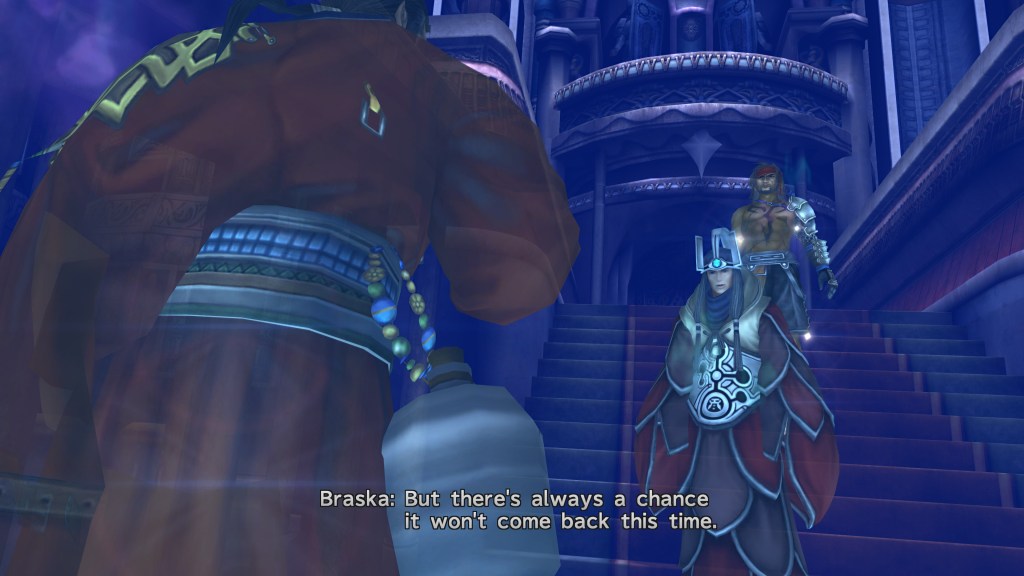
Unable to come to grips with the fate of his friends, Auron confronts Yunalesca about the hopelessness of it all. What’s the purpose of doing this over and over again, did his friends die for nothing? In his rage, Auron attacks Yunalesca and dies.
In a sixth sense like twist, one of your party members has been dead the whole time. In the world of Final Fantasy X, death isn’t the end of everything. If a person is not sent and they have unfinished business in the world, their spirit lingers. A lot of the upper crust of society has been long dead. You actually encounter so many dead people over the course of the game that the revelation that Auron has been dead all along doesn’t hit quite as hard as it might otherwise.
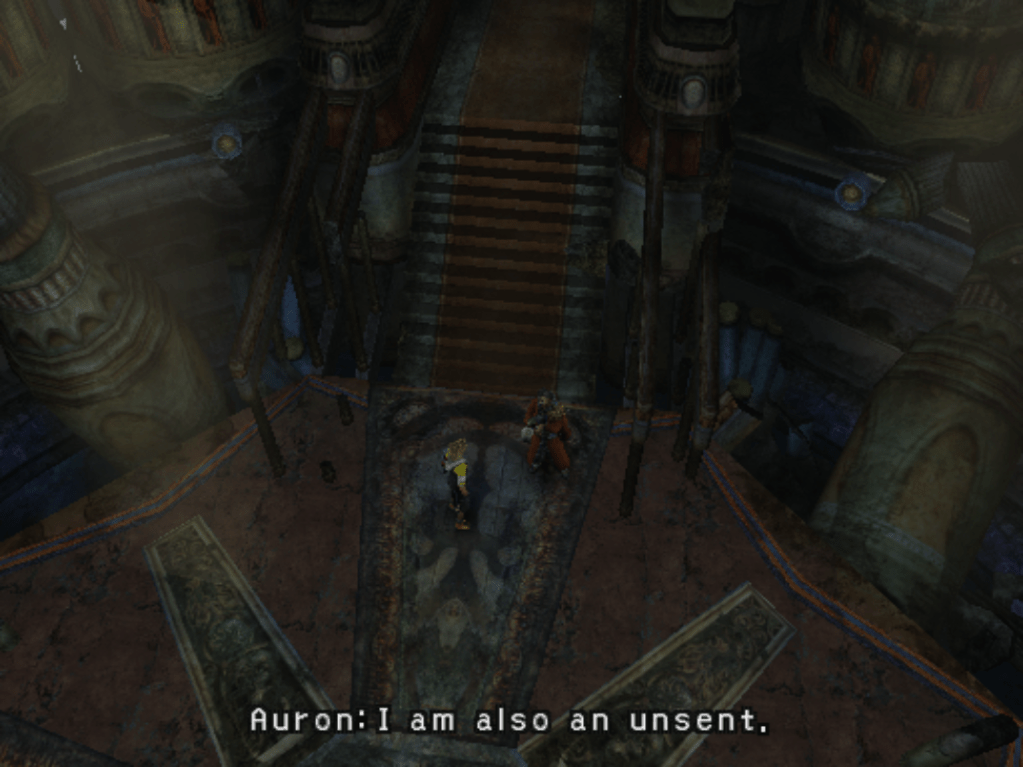
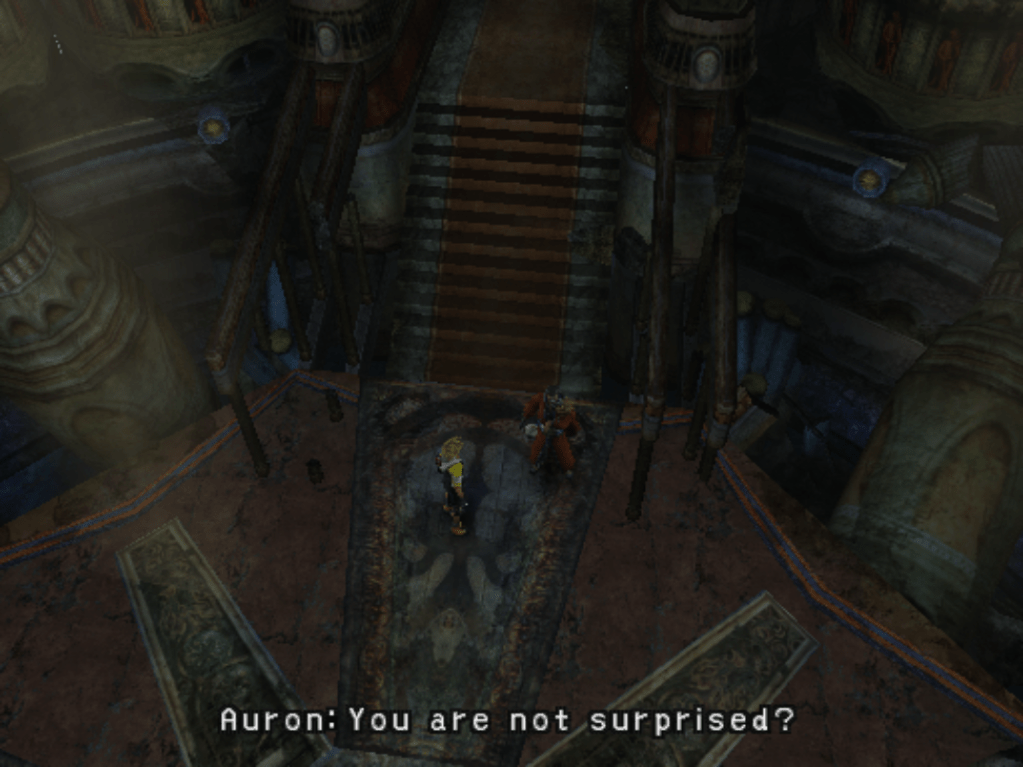
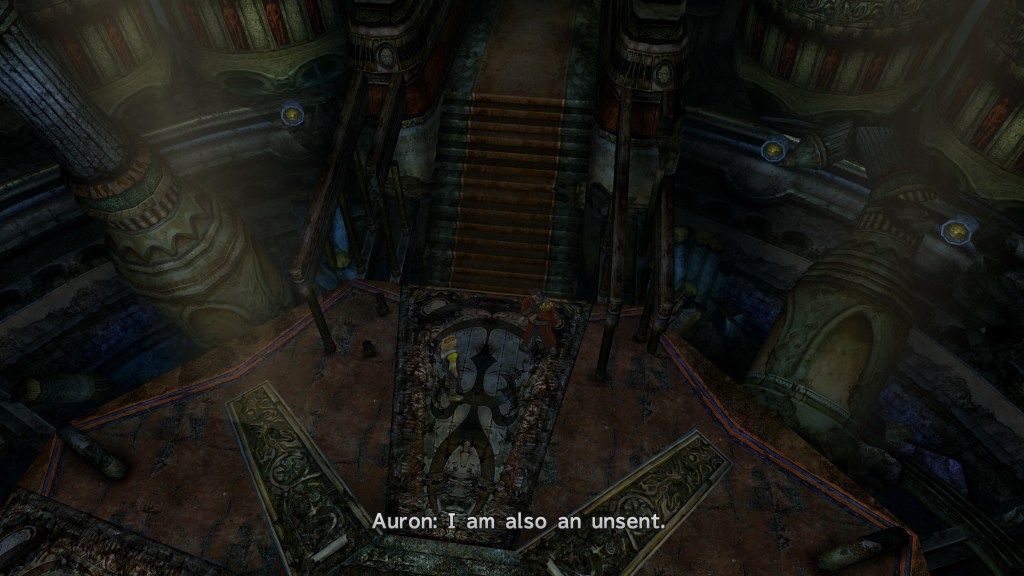

Despite being a relatively late game twist, this moment is hinted at a fair deal. When Auron encounters Seymour, the maester asks him “what are you still doing here?” and then adds “I’m sorry, the Guado are keen to the scent of the farplane.”
And then later, when the party actually visits the farplane, Auron sits out and stays behind. To help mask this, Rikku also stays behind, which the player might just assume is an example of an Al Bhed being against the main religion of the world. There’s also a moment where someone gets sent and Auron reacts as if he’s being punched.
These are all things you don’t really notice the first time you play, but when revisiting the world of Spira they really leap out at you. Little details like this help give X some replay value, because you can see the breadcrumbs laid out for you. And every time I replay the game, I ask myself ‘how the hell was I surprised by this twist?’ because they really do make it obvious.

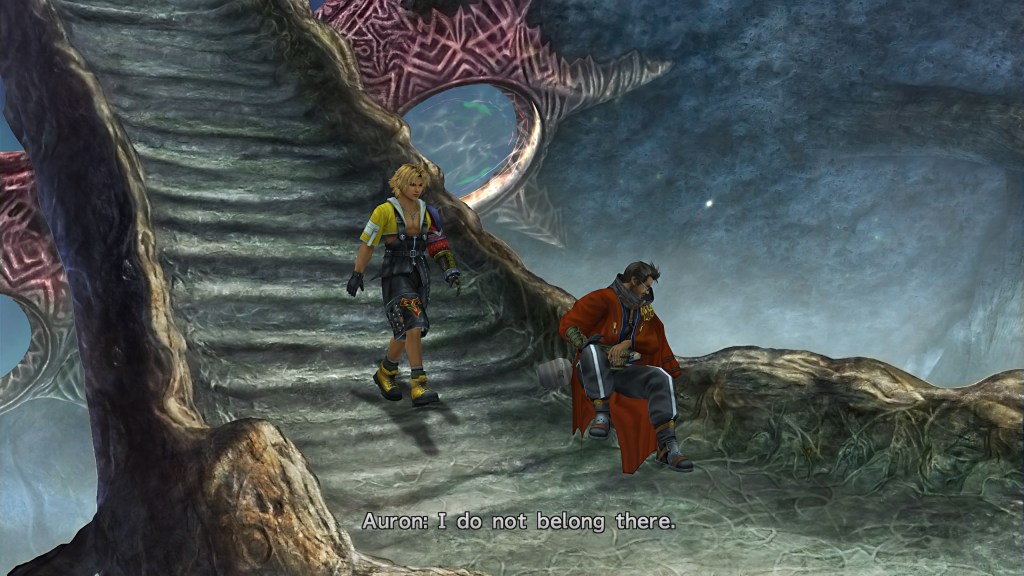
But I can’t deny, I was fooled. So good job on them.
Auron is a pretty interesting character and hearing old stories about his previous adventures with Braska and Jecht is always exciting. It’s interesting seeing how the reveal with Yunalesca jaded him and turned him into a hardened and sort of difficult to approach person. It should also be noted that Auron doesn’t seem to think too highly of Yevon, which is a sharp contrast to how the younger version of him is portrayed.
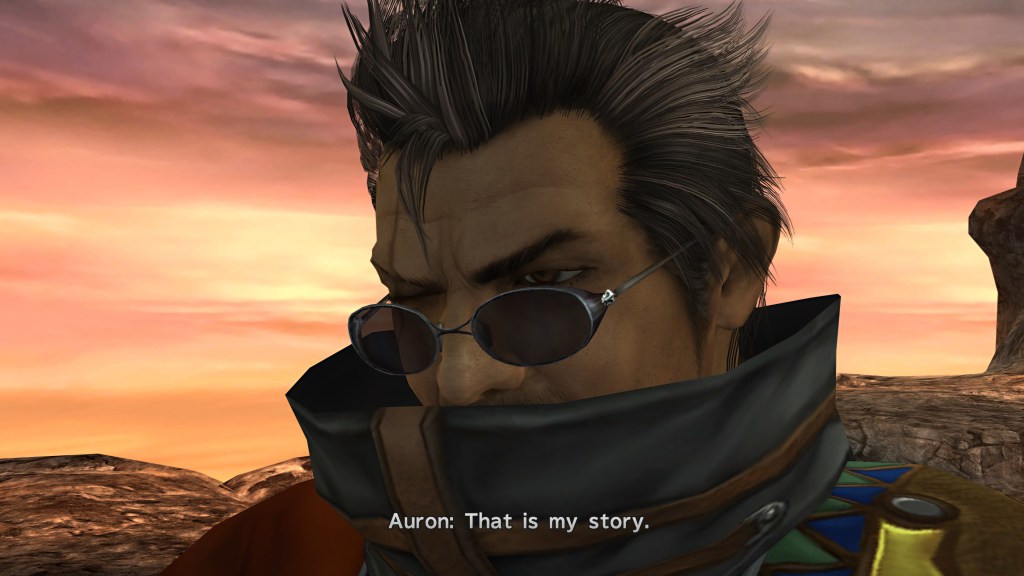
Combat wise, when Auron joins up, he feels like every bit of the veteran you were told he was. He hits extremely hard and has the ability to pierce the armor of really dense opponents. Odds are there will be a good chunk of the game where he’s your strongest fighter.
However, I would like to point something out. In both the remaster and PS2 versions of this playthrough, I used the original sphere grid, not the one that places everyone towards the middle. When I first got Auron in the PS2 version, he was hitting every bit as hard as I remember, but in the remaster, he was being outdamaged by Tidus and Wakka. By the end, it evened out, but was there some balancing done behind the scenes that I just missed? Maybe I just got lucky with all my PS2 version hits? Unsure, but felt it was worth noting.
I think one of the reasons Auron is so popular is that he makes a really strong first impression. He’s immediately wrecking monsters for you and, what can I say, people like a winner. So it’d be a shame of the remaster tinkered with that.
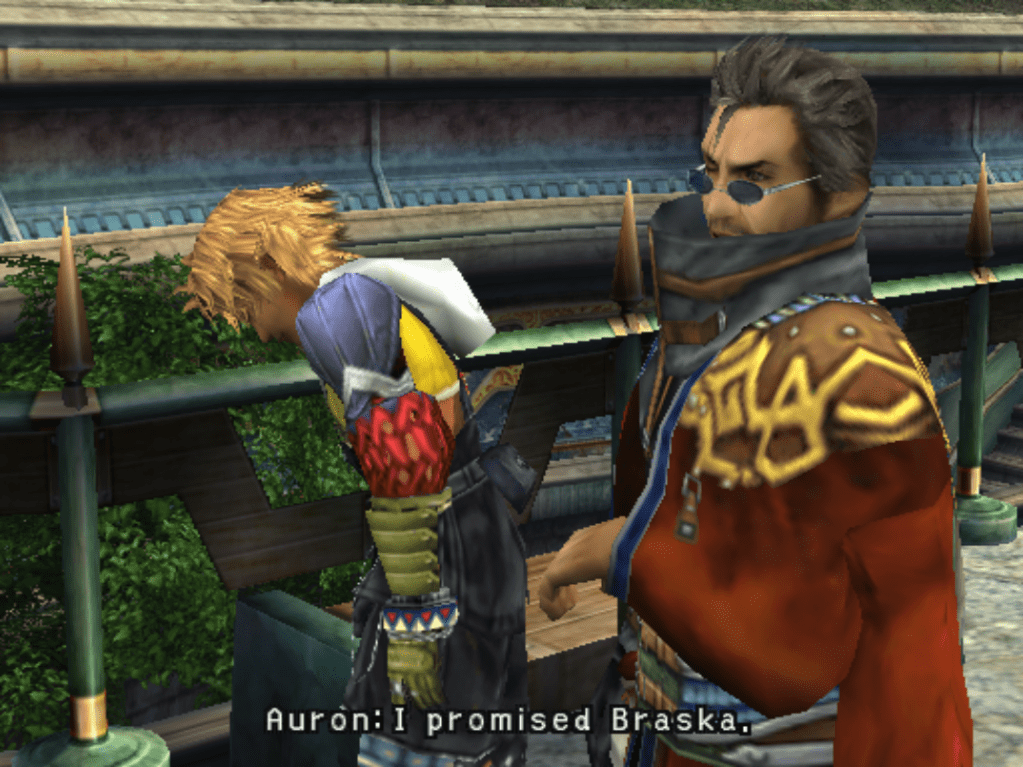

From an overdrive perspective, Auron’s moves involve putting in a button combination to cause heavy damage to enemies. He has four different moves with two targeting one person and two targeting the entire enemy party. You unlock different overdrives by getting more spheres showing the adventures Braska, Auron and Jecht went on back in the day. However, these are only useful for standard gameplay. None of his moves hit multiple times, so unfortunately, Auron is right by Lulu for most useless party member for postgame content.
English voice actor report: Matt McKenzie probably has the strongest performance in the game. I know I mentioned how his initial strength probably helped spark his popularity, but his gruff and mature voice definitely helped cement it. He just sounds cool, I don’t know what to tell you. A+
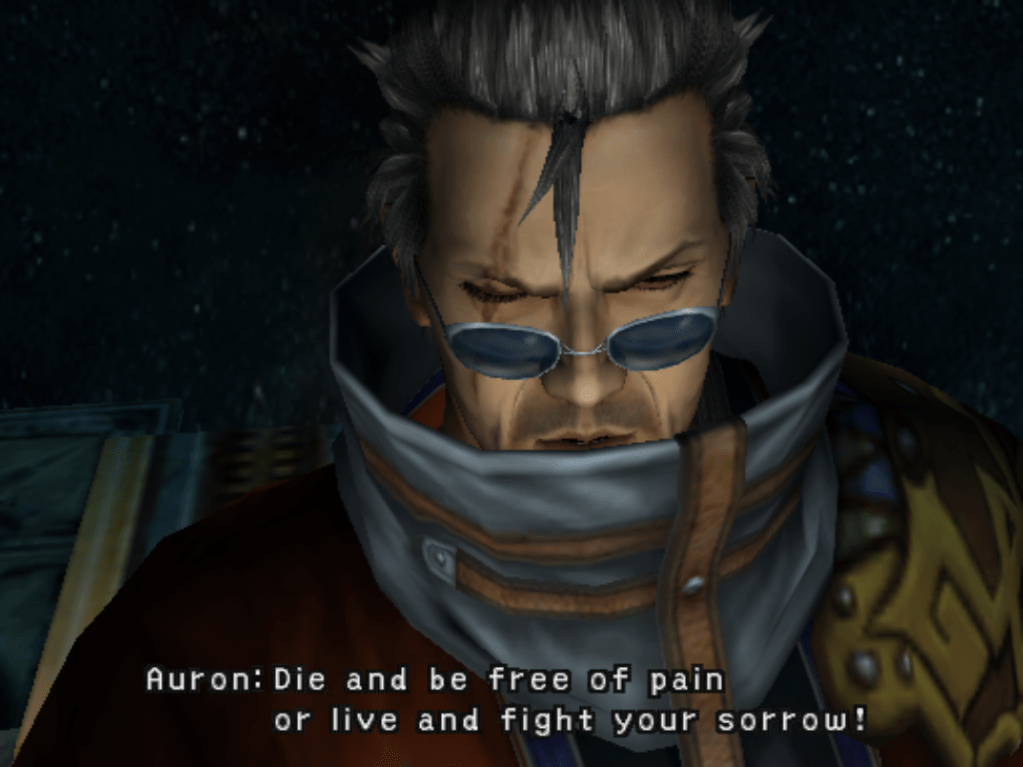
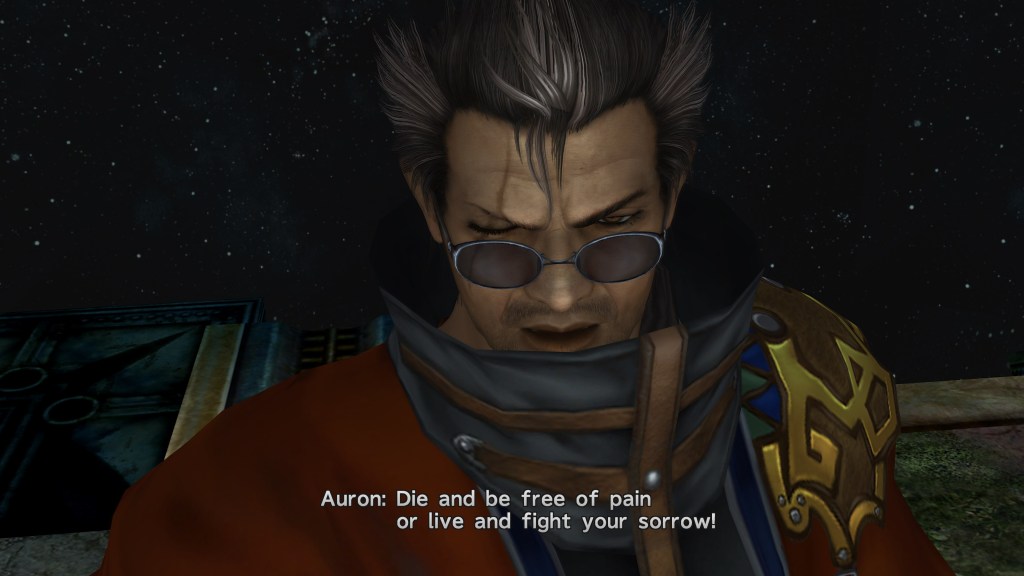
Kimahri Ronso
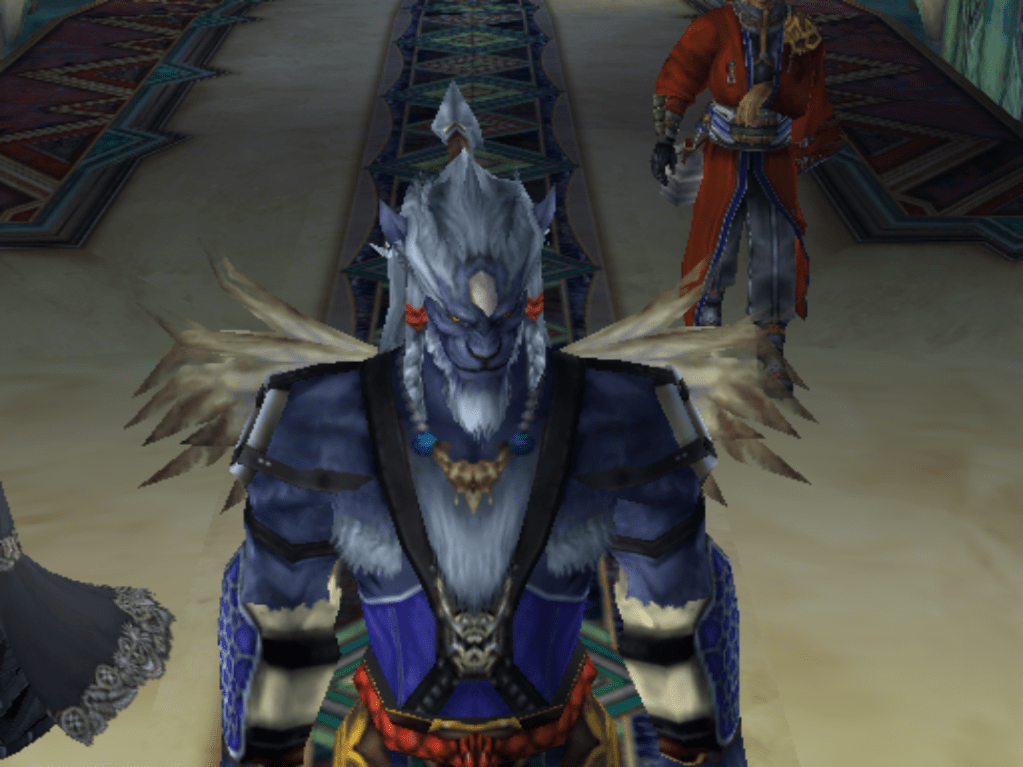
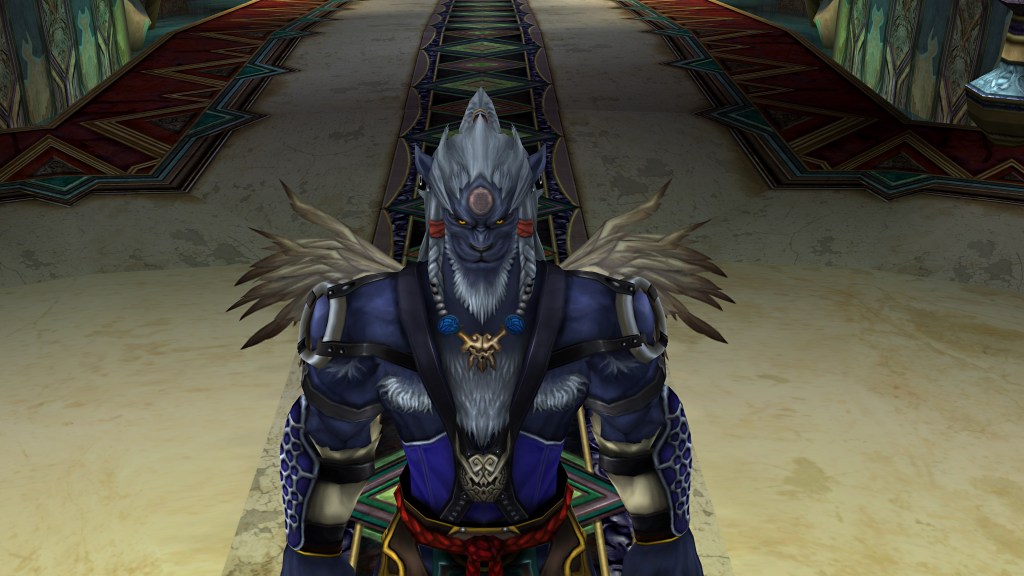
The seventh member of your crew. Kimahri came to Yuna as a child when a dying Auron asked him to go protect the young kid. And he did exactly that, Kimahri stuck with Yuna from her childhood all the way up until pilgrimage time. He’s the most fiercely loyal member of the crew and it’s pretty clear that Yuna loves this beast man. He’s a man of few words, but they seem to understand each other.
Unfortunately for Kimahri, the slot for ‘stoic’ party member is already pretty well held by Auron. So Kimahri just feels like a silent bodyguard for most of your adventure. There’s nothing wrong with a character like that, but it’s hard for me to get very attached to a guy who seemingly has no motivations beyond ‘protect Yuna.’
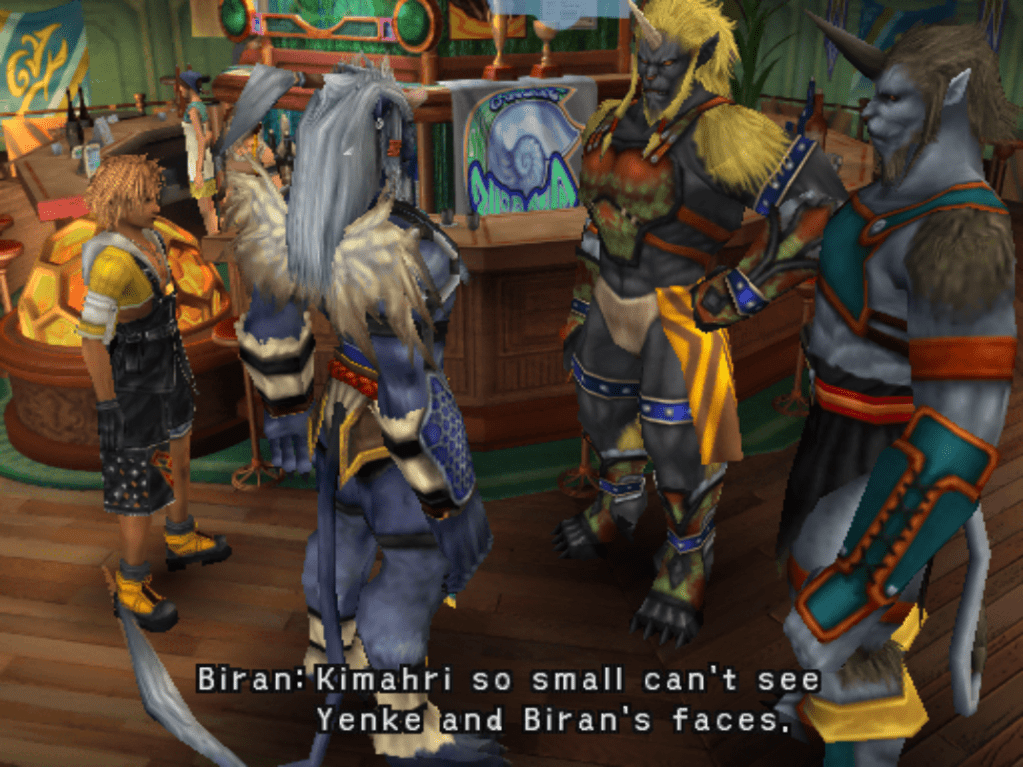
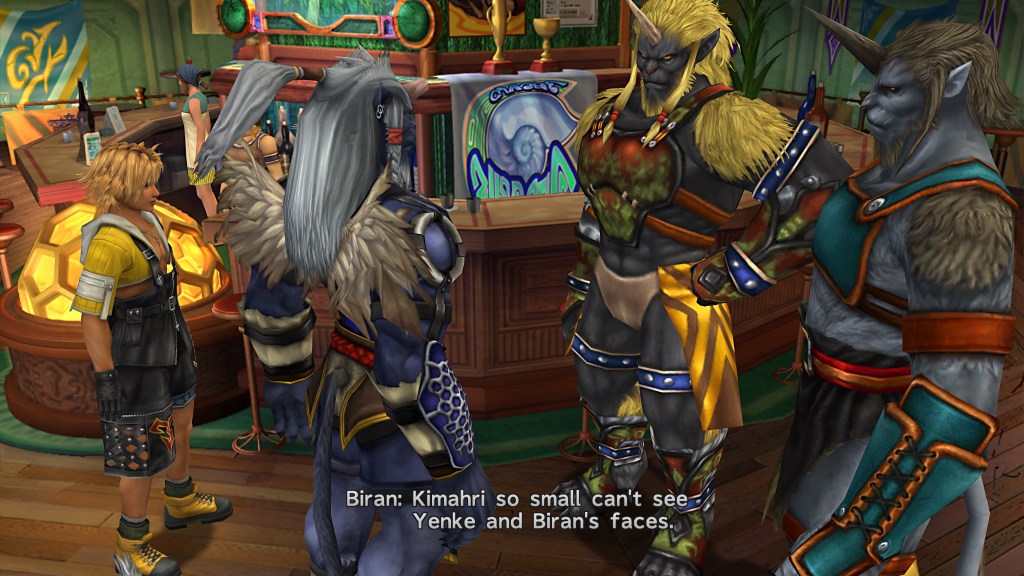
That’s not to say he doesn’t have some backstory. Kimahri grew up on Mt. Gagazet as a member of the Ronso tribe. Ronsos all have a big horn in the middle of their forehead, but something happened to Kimahri early in life where his horn got cut off. So he is something of an outcast to his fellow Ronso, which leads to him getting bullied whenever he encounters too fellow beastmen from his past, Biran and Yenke.
Given that Kimahri is physically the most intimidating member of your posse, it is a little weird to see him belittled by people of his own race, but it still doesn’t make him particularly interesting to me. The encounters don’t happen frequently enough to make me really itch to see the next one.
Kimahri also has a pretty insane thing happen to him that isn’t really touched on by the story at all. Seymour (allegedly) kills every single Ronso EXCEPT Kimahri while the party is climbing Mt. Gagazet. There are TWO genocides in this game. But there are no happy festival fireworks to be had here. Kimahri just gets really mad and it’s never mentioned again. I don’t know if the party gets extra mad FOR Kimahri or if they’re just mad because it’s Seymour. Maybe both?

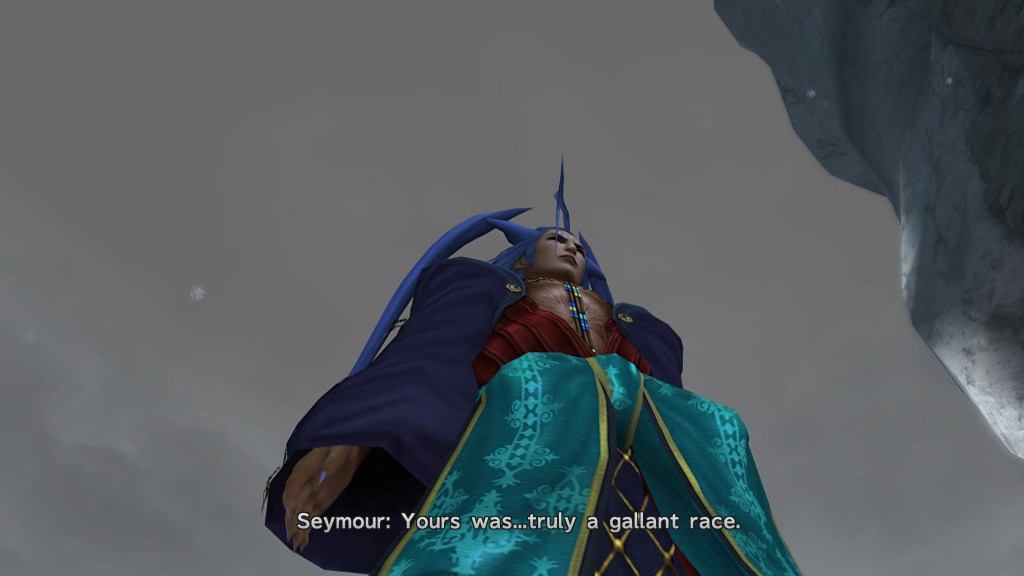
On top of that, all the Ronso aren’t even dead, there’s a whole bunch palling around on Mt. Gagazet in the sequel. It’s just a strange moment.
That said, I do have some Kimahri moments that have stuck out with me over the years. The first is when your party is in Guadosalam. For some reason, the usually silent beastman feels the need to tell you outside of a store that “Guado potion good.” I have said that phrase so many times to my wife that it probably annoys her to death. I don’t know why it brings me joy, but it just does. First time I heard it, I actually bought a bunch of potions only to find out there wasn’t anything special about them. Guado potion AVERAGE.
The other one is after the famous makeout scene between Tidus and Yuna. At its conclusion, for some unknown reason, the camera pans to Kimahri as he watches on with a weird expression his face. Why do you look like that? Why are you WATCHING? Did they sneak you in a cuck chair or something while I wasn’t paying attention? It’s strange. But I find it endearing.
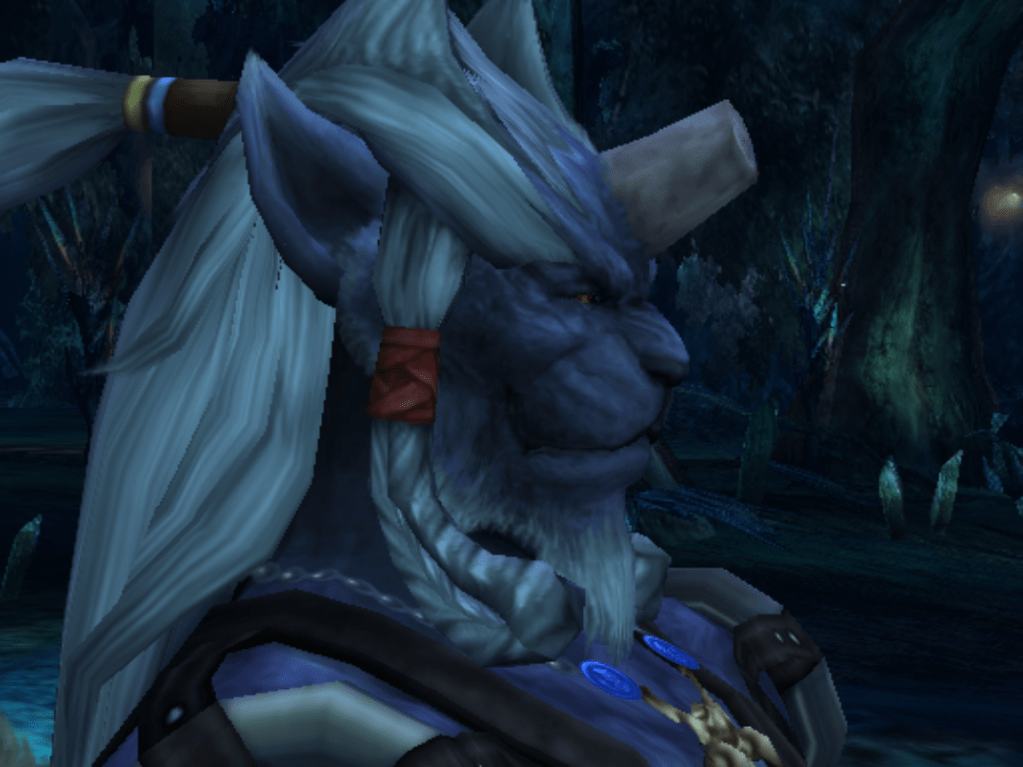
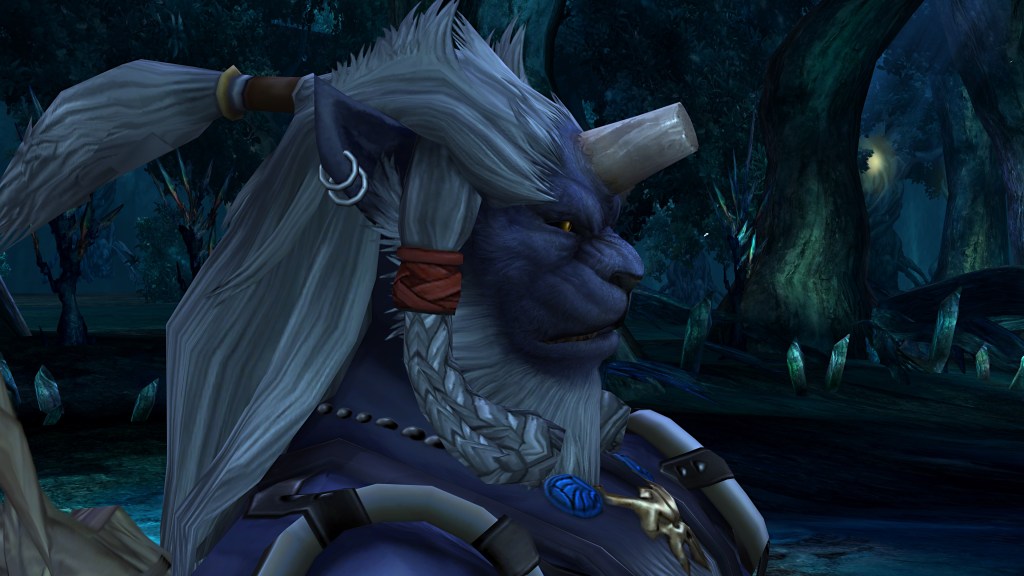
Kimahri is something of your blue mage replacement. In every version of the game, he starts in the middle of the sphere grid, so you have agency to build him however you wish (I usually just make him Tidus 2). This pairs well with his overdrive, which is ‘ronso rage’ – a fancy way of saying blue magic. If you use lancet on random enemies throughout the game, Kimahri will occasionally learn some enemy magic and add it to his arsenal.
Just like with all blue mages, it’s not really my style. However, since you have to have every character perform an action if you want them to get EXP, I typically get all of his overdrives anyway just because I switch him in and have him use lancet. Gotta be honest though, I think his moves all suck. In this playthrough, there were a couple of overdrives I would use late game that would cause like 500 damage. Not 5000, 500. Pathetic.
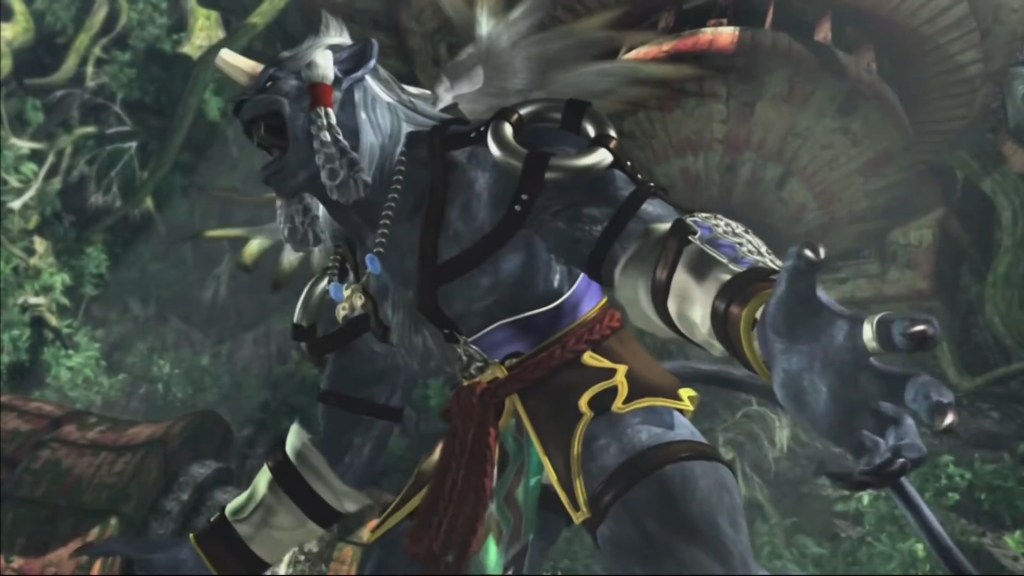
Definitely my least favorite party member. Sorry Ronsos.
English voice actor report: John DiMaggio also voices Kimahri. I’ll give him credit, it’s hard to tell it’s the same guy. However, Kimahri’s voiced lines are pretty dull and unmemorable. I get that it’s the character and not DiMaggio here, but maybe I’m just anti Ronso. C.
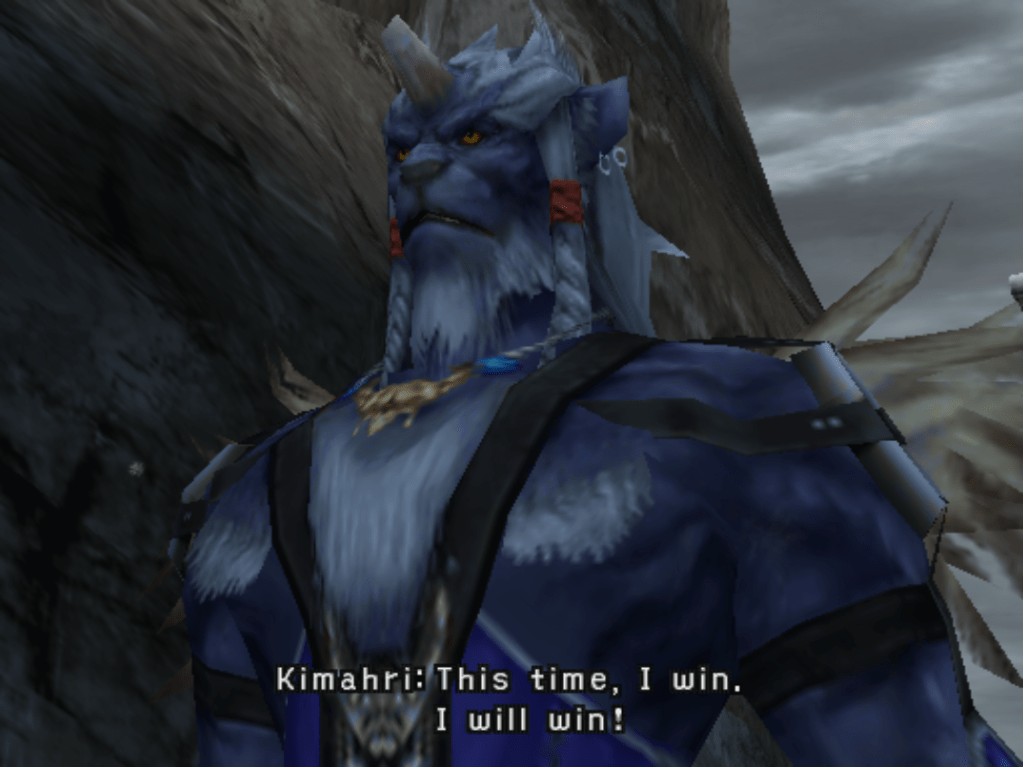
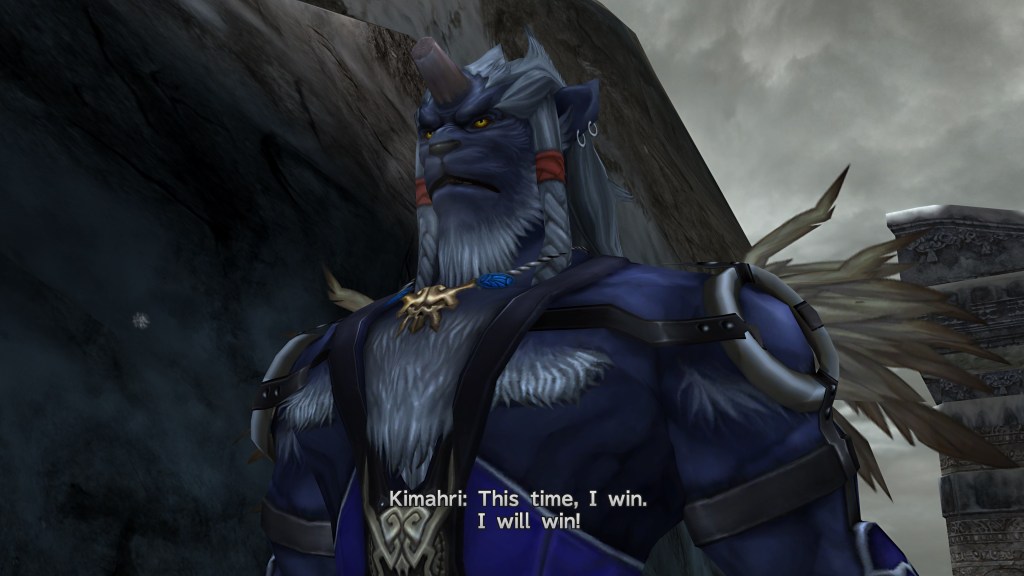
Seymour Guado
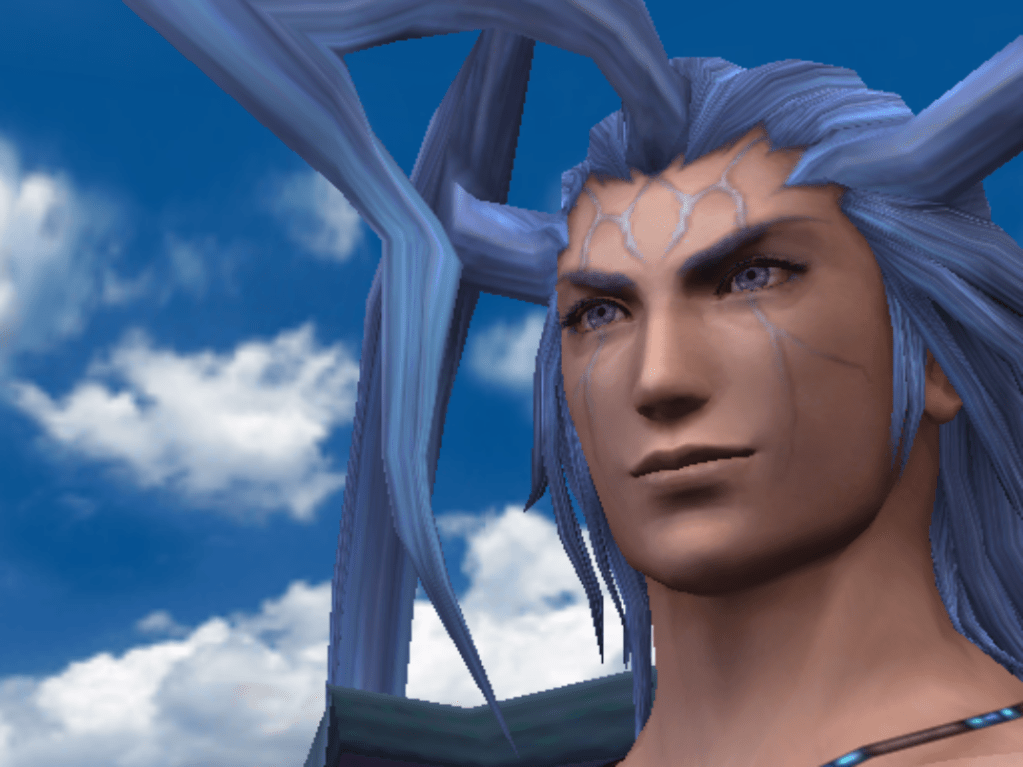
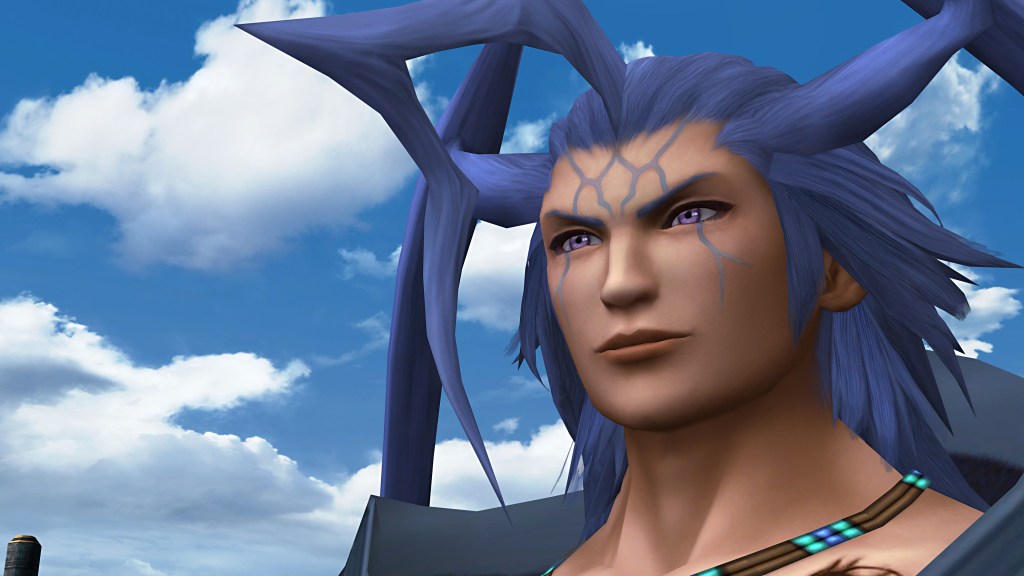
Sin is a giant otherworldly creature that doesn’t get dialogue. So, the party needs a secondary antagonist to carry a lot of the weight in the middle of the game and this here is your man. Seymour holds the position of maester (think bishop) in the church of Yevon. He appears to be fairly charismatic and has a large following of people, however, all is not as it seems.
Seymour was born into the world as a mixed-race child between a human and a guado. Guados are kinda like humans except they have really long fingers, they sort of remind me of a more humanoid version of the Shumi tribe from Final Fantasy VIII. While the union was meant to bolster relationships between the humans and the guados, it really just resulted in Seymour being ostracized and tormented.

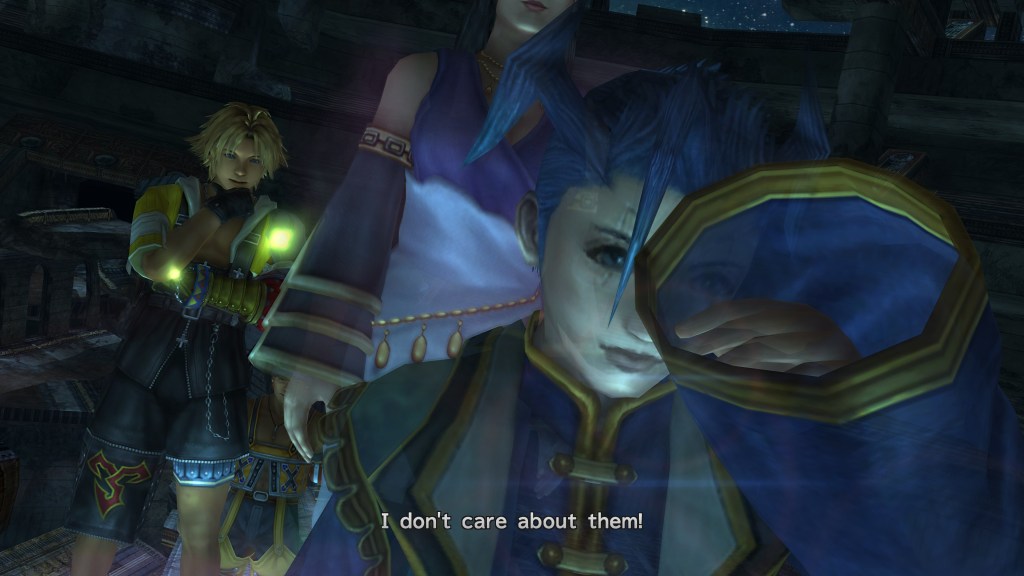
So at a young age, Seymour went on a pilgrimage with his mother in order to defeat Sin. Seymour’s mom sacrificed herself to become the aeon Anima, with the idea being that if the young mixed-race Seymour brought about the Calm, it would bring people to his side. Instead, Seymour resented having his mother having to die for him and moped for years and years while turning isolated and weird.
Seymour grows to hate humanity and ultimately has the goal of becoming Sin and destroying everything. If the world can’t accept him for who he is, then what does he need the world for?
The first sign that Seymour might be kind of an asshole pops up during an ingame event called Operation Mi’hen. This was a joint effort between a group of warriors named Crusaders – a group of men who guard villages from Sin, hoping to steer it away and save lives – and the Al Bhed. Wakka points out that a maester of Yevon shouldn’t be cool with this wanton waste of human life and the usage of forbidden machina, but Seymour responds with “just pretend you didn’t see it.” Very church like behavior, I suppose.
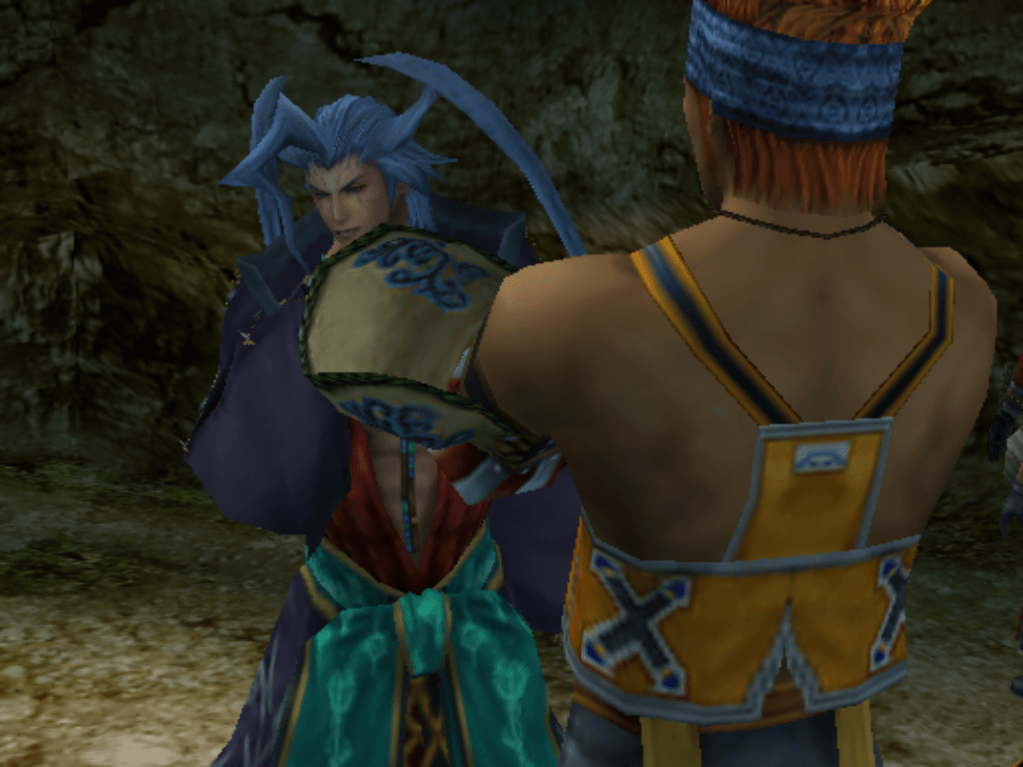
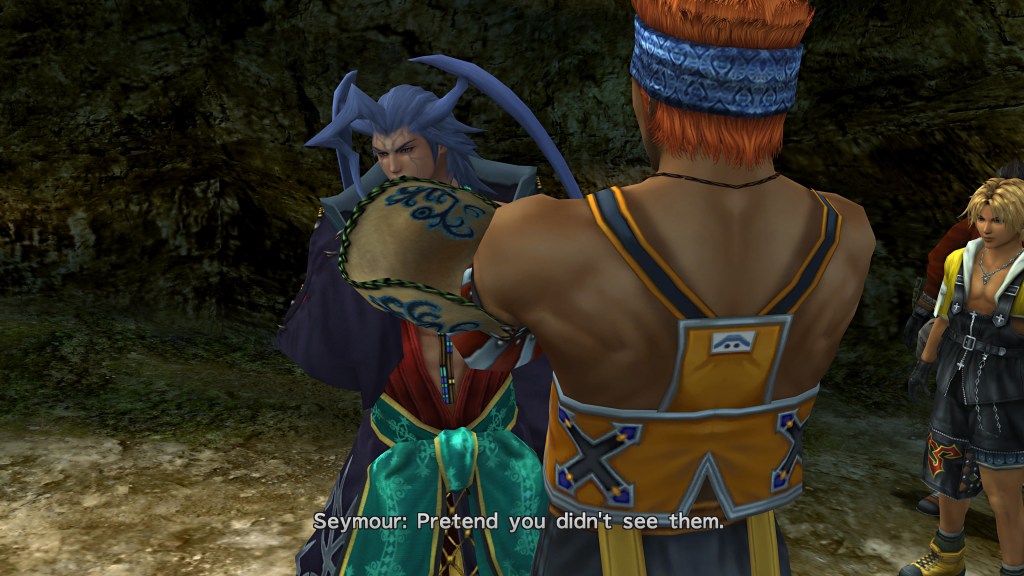
Operation Mi’hen ends in absolute disaster. Lots of people die. Seymour is an opportunist though. One, he wants everyone in the world to die so the loss of life here means nothing, but two, he knows he can manipulate Yuna here in order to further his goals. Yuna just witnessed a lot of people die and has to put on this cheery facade, but you can tell she’s dying on the inside.
So what does he do? Invites her to his place and asks her to marry him because it would unify the people of Spira.
This is playing to Yuna’s selfless nature. She doesn’t necessarily love the maester, but she does feel a sense of duty to the people of the world. If something as simple as a wedding would bring a bit of joy to these doomed people, why not do it? In Seymour’s mind, the purpose of this is to eventually have Yuna select him to become her final aeon.
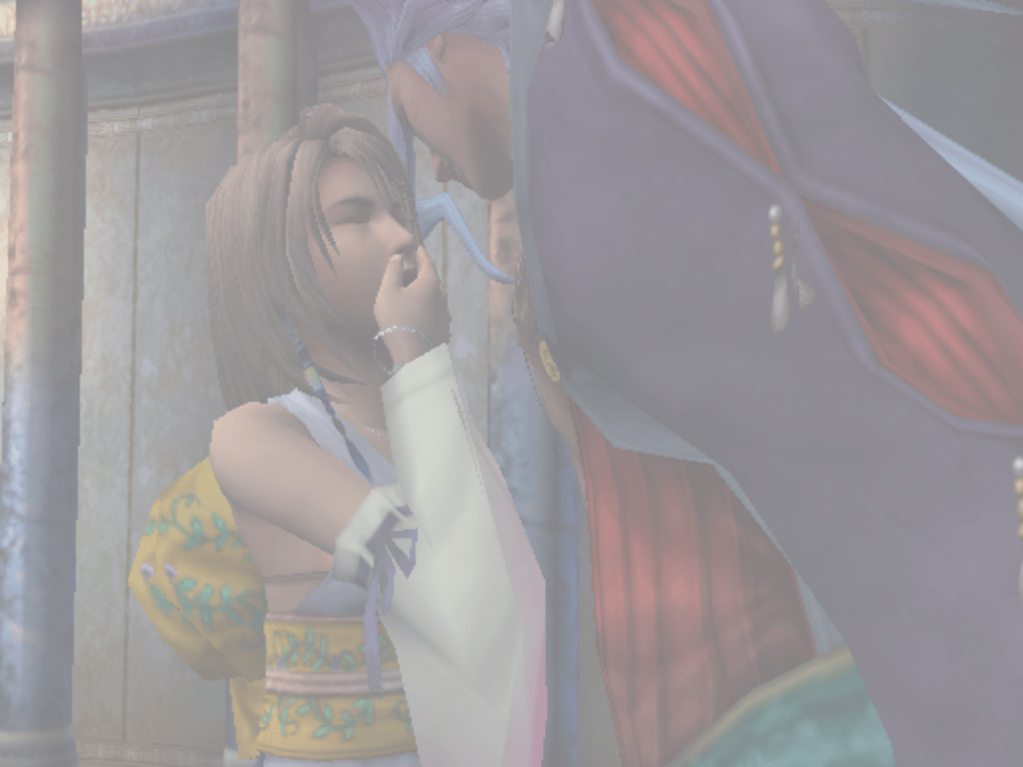

However, Seymour is his own worst enemy with this gambit. Before the events of Final Fantasy X, he kills his own father, which is discovered by Yuna and the party. No longer is “final aeon Seymour” on the table, now it’s time to ‘take care’ of the maester. And thus, the maester of Yevon becomes a recurring foe for your party for the rest of the game.
Any nobility Seymour might have had before this fades away and his true nature of a man who craves endless death and destruction takes the center stage. He is absolutely ruthless. He makes a deal to spare Yuna’s friends in exchange for marrying him but he immediately reneges on the deal and tries to have them all killed. Jackass.
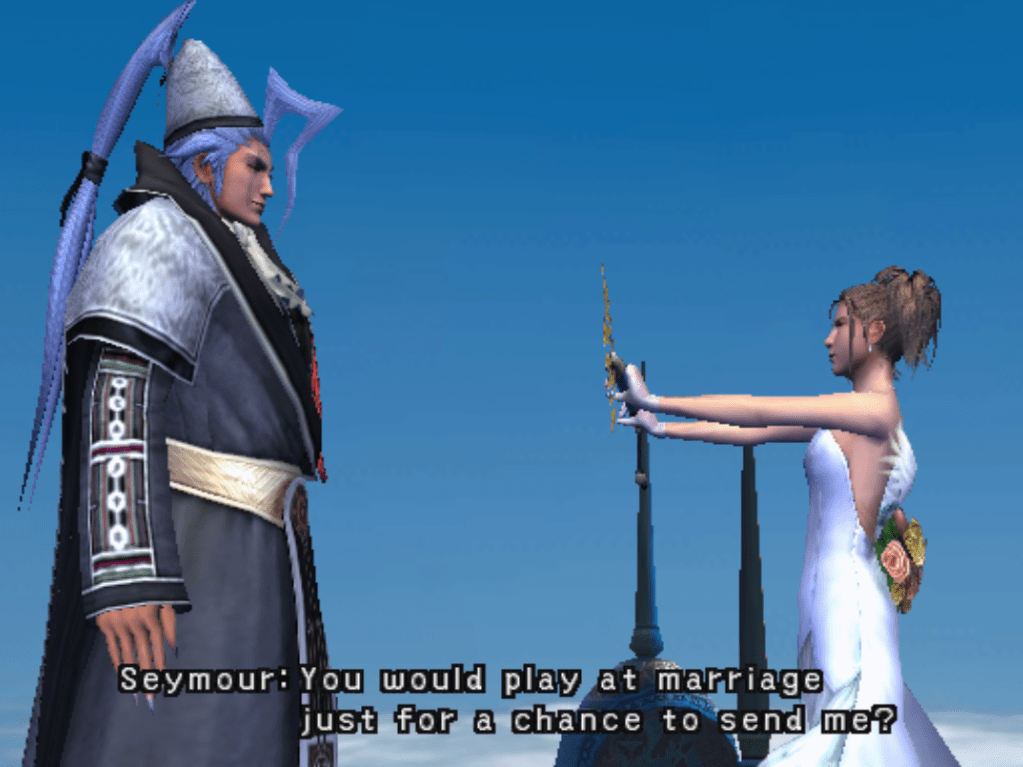
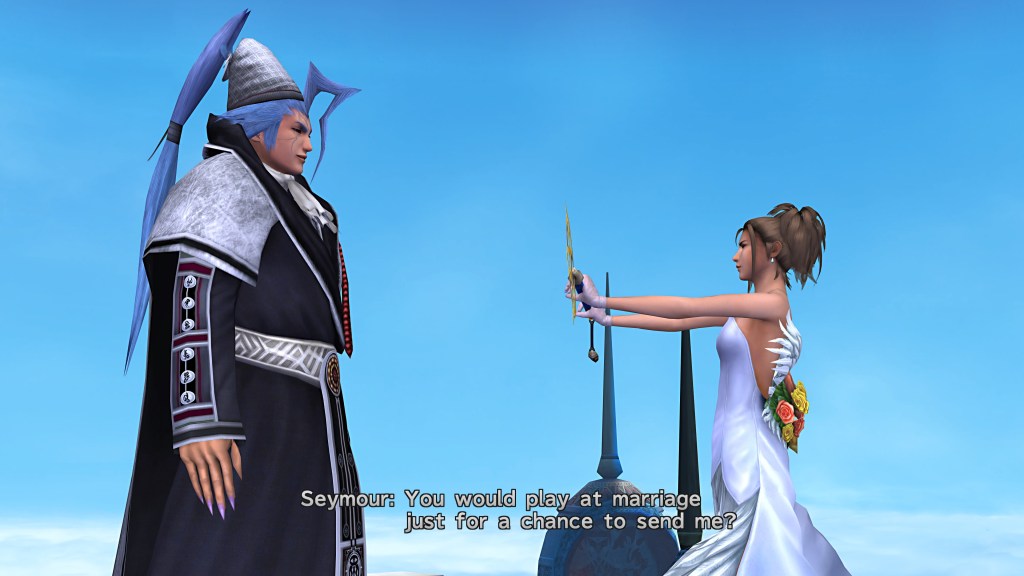
Yeah, he’s a bit one dimensional compared to someone like Kuja, but who cares? You know what, sometimes it’s nice just having an absolute asshole be one of the main bad guys. Shades of gray don’t need to be everywhere! All your “well I don’t feel so good about this fight” feelings can be funneled towards Sin and Jecht. Seymour DESERVES to be killed.
So let’s talk about his boss fights. I would say they act as a wakeup call to players who might not be putting much strategy into the game. Three of Seymours battles have a gimmick where any aeon you summon will immediately be killed, so if you’ve been relying a lot on summons, you better find a new tactic.
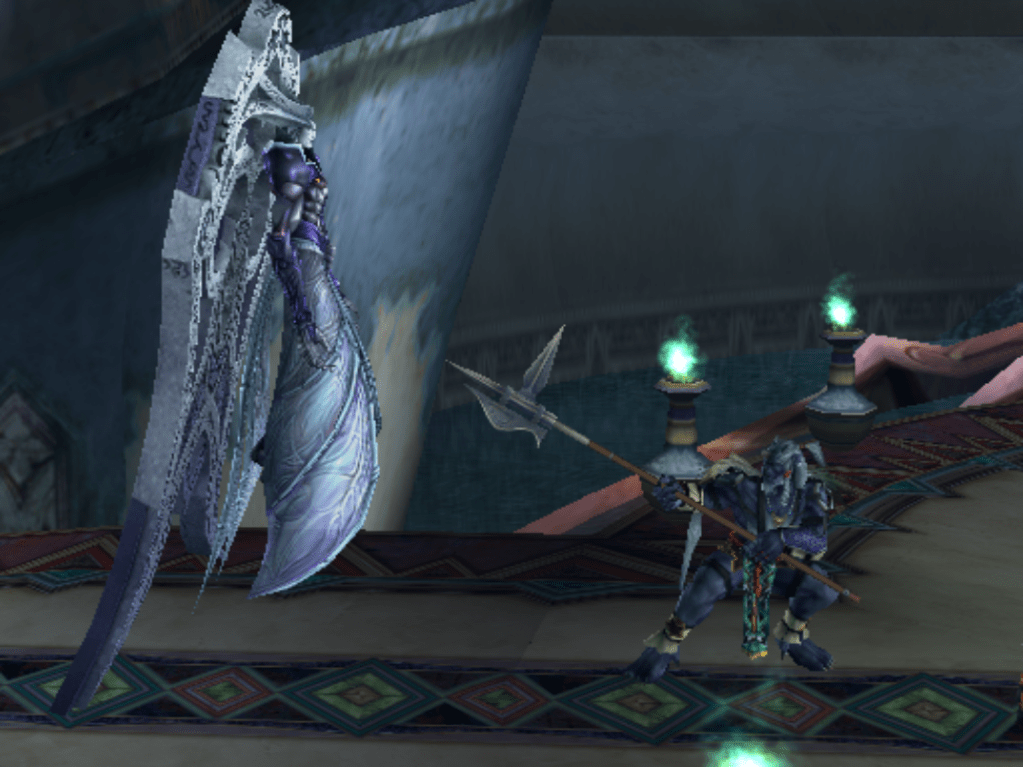
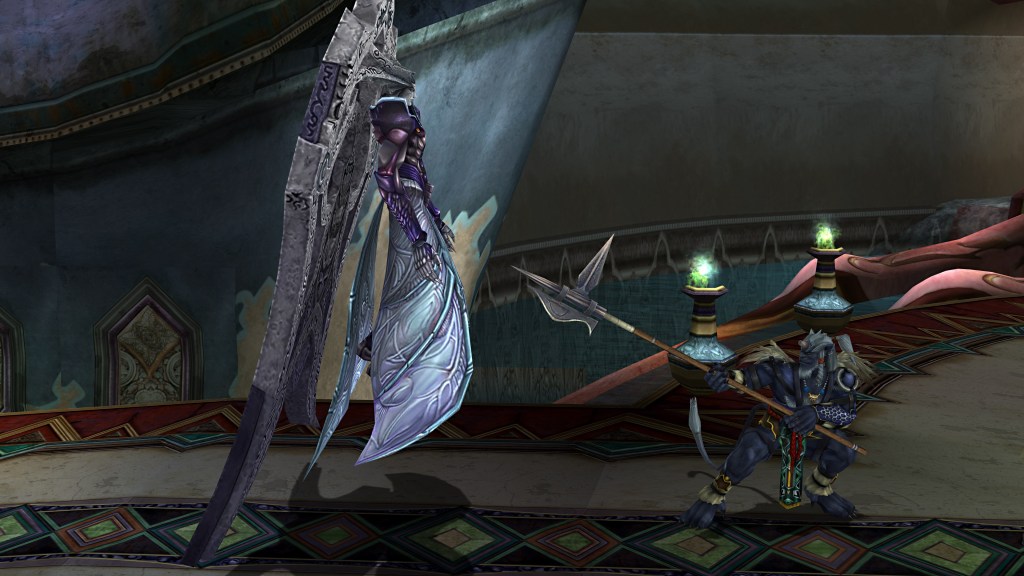
That said, the first two aren’t TOO hard as long as you’ve been paying attention to basic tactics to use in battle. Also, having certain characters use a turn to talk to the maester will boost their stats, which makes the going a bit easier.
However, the third Seymour fight is when the gloves come off. Seymour technically dies after your first boss fight and he’s just wandering the world as an unsent. The church will not let Yuna send him, so he just lingers as something of a pain in the ass. As your party climbs Mt. Gagazet on their way to Zanarkand, he pops up, declares all the Ronso have died in a pretty lengthy cutscene, asks Yuna to let him kill Kimahri so he can be reunited with his brothers and then…it’s on!
This is either the hardest or second hardest fight in the game depending on who you talk to. It’s crucial to pay attention to the action bar here, you need to use protective magic to survive Seymour’s ultimate attack and you need to constantly silence the Guado to ensure you’re not slammed with negative status effects. It’s an incredibly tense and trying battle and one that serves as a wall to a lot of new players.

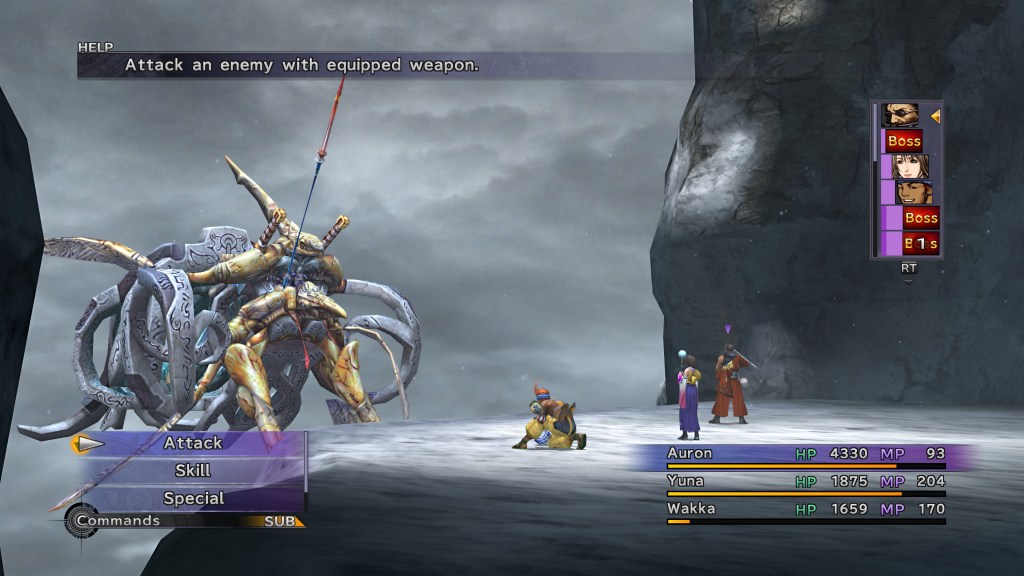
I remember talking about this fight with people in high school and giving advice on how to get past it. It doesn’t help that there’s a really long cutscene beforehand either. I would argue that Seymour 3 is the hardest non final boss in the franchise to this point. He’s just a pain in the ass. But you know me, I like the challenging fights that demand you engage with the game’s mechanics, so I love this.
You fight him one more time after this and it’s nothing too bad. He just has high defense. You can use summons all ya want though! It’s a bit of a letdown after Seymour 3. It also occurs inside Sin somehow. How he gets there ahead of the party is unknown, but I guess rules are probably different for the deceased. Hey Auron, why can’t YOU turn into a giant evil monster thing with four spinning wheels behind you?
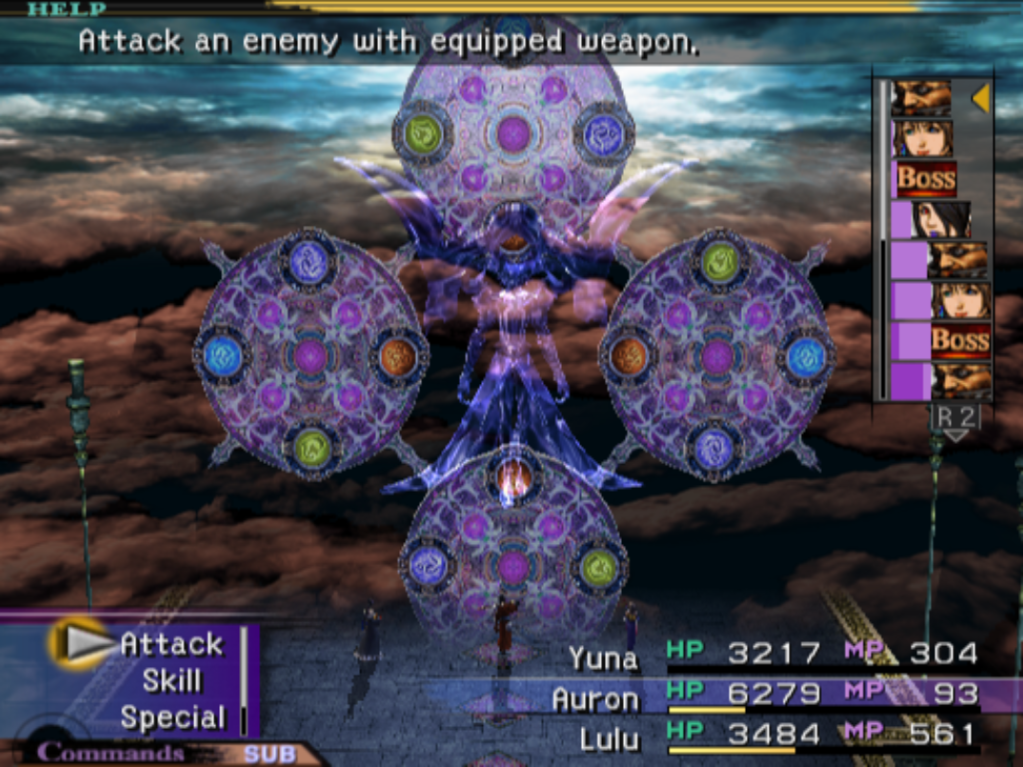

I used to write little short stories back in the day on a site called 1up.com, where I’d stick me and my Internet friends in weird comedic adventures. Seymour was my recurring villain in these things because of all the times he popped back up in this game. He would get easier and easier to defeat each time he’d pop up and his excuses for coming back kept getting zanier and zanier. It’s stupid, but it makes me smile at least.
English voice actor report: Alex Fernandez does a sensational job of voicing Seymour. He always has a ‘cold’ tone to his voice, even when he’s acting friendly. It makes Seymour sound really menacing and intimidating and it does a good job of making it seem like he’s hiding something. When Seymour goes unhinged, I think he gets even better. He sounds totally remorseless, almost matter-of-fact about the things he does.
Seymour has always endured in my mind as a strong villain, and I think a lot of that has to do with the performance Fernandez gives. He sounds absolutely sociopathic. A+
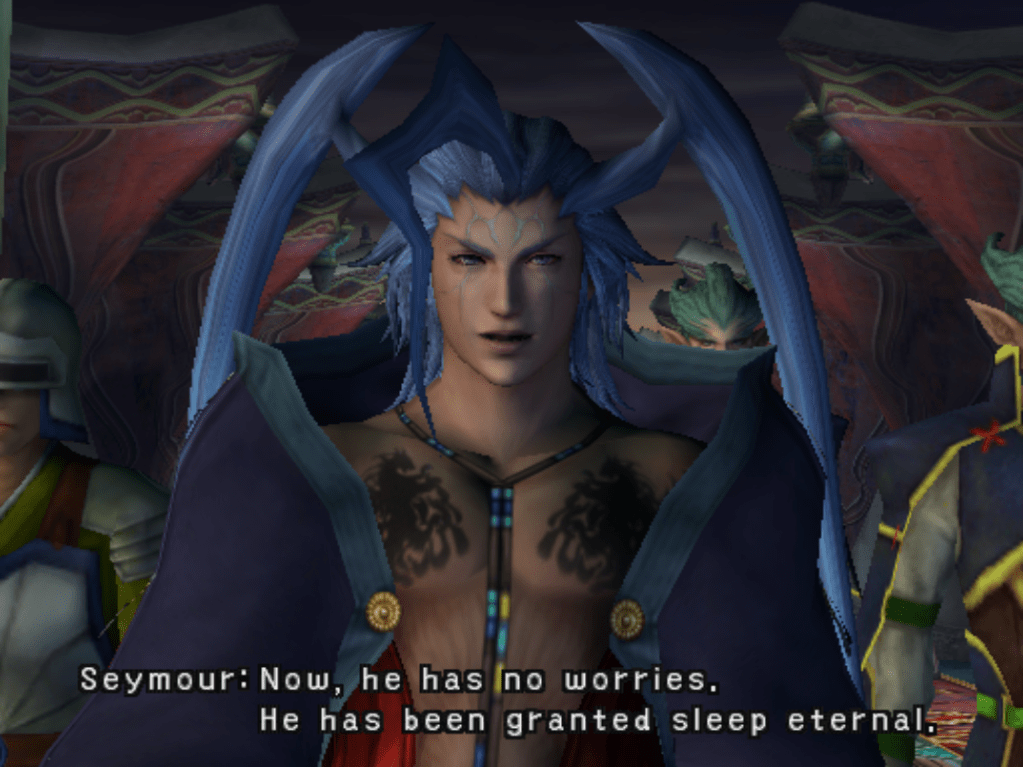

The church of Yevon
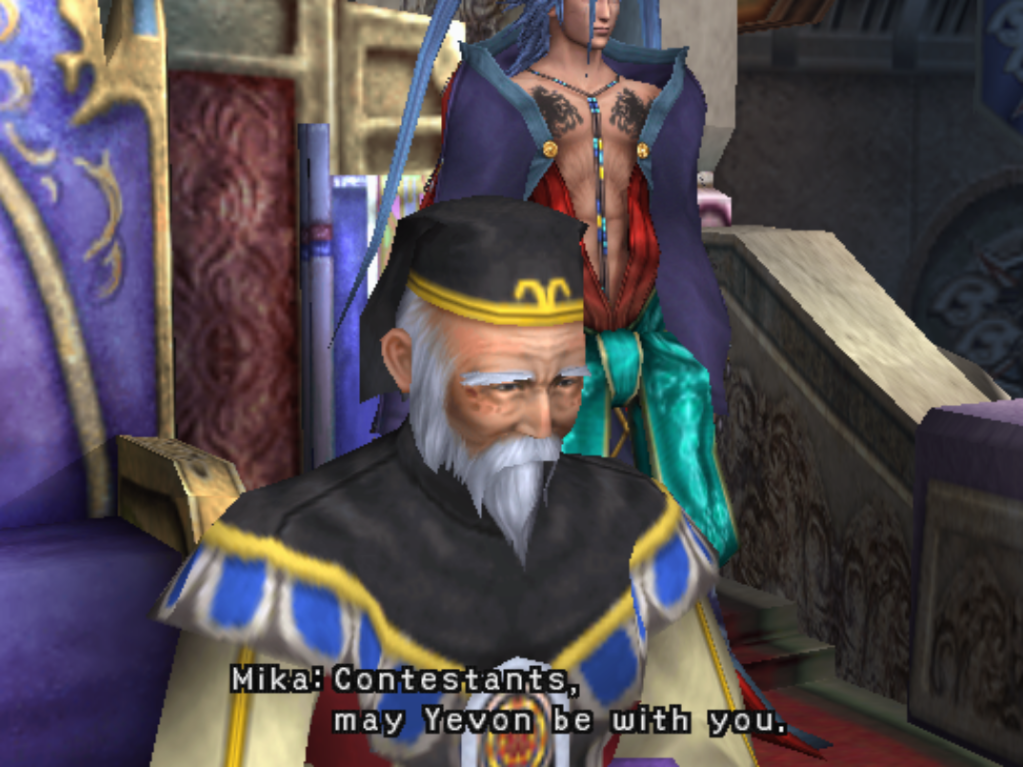

I don’t typically do an entry on entire factions (please ignore the Tactics retrospective), but the church of Yevon has such immense pull on the world of Spira that it warrants a little bit of discussion.
There doesn’t seem to be any sort of recognized form of government in Spira. It’s a doomed world after all, what’s the point of electing more officials? You die by Sin in a slightly less gruesome way? So the Church of Yevon acts as something of a replacement for a traditional government. They prop up the pilgrimages to Sin as well as pass along the teachings of Yevon.
The teachings of Yevon are your typical ‘religion is abusive’ sort of thing. One of the main teachings of Yevon is that machina is forbidden. They point at humanity’s prior excesses as the reason why Sin is running around the world, but in reality they too rely on Machina, they just bury it deep underground in places most wouldn’t think to look. This is a means to control the populace, if they’re the only ones that have any ‘power,’ they can never truly be supplanted.
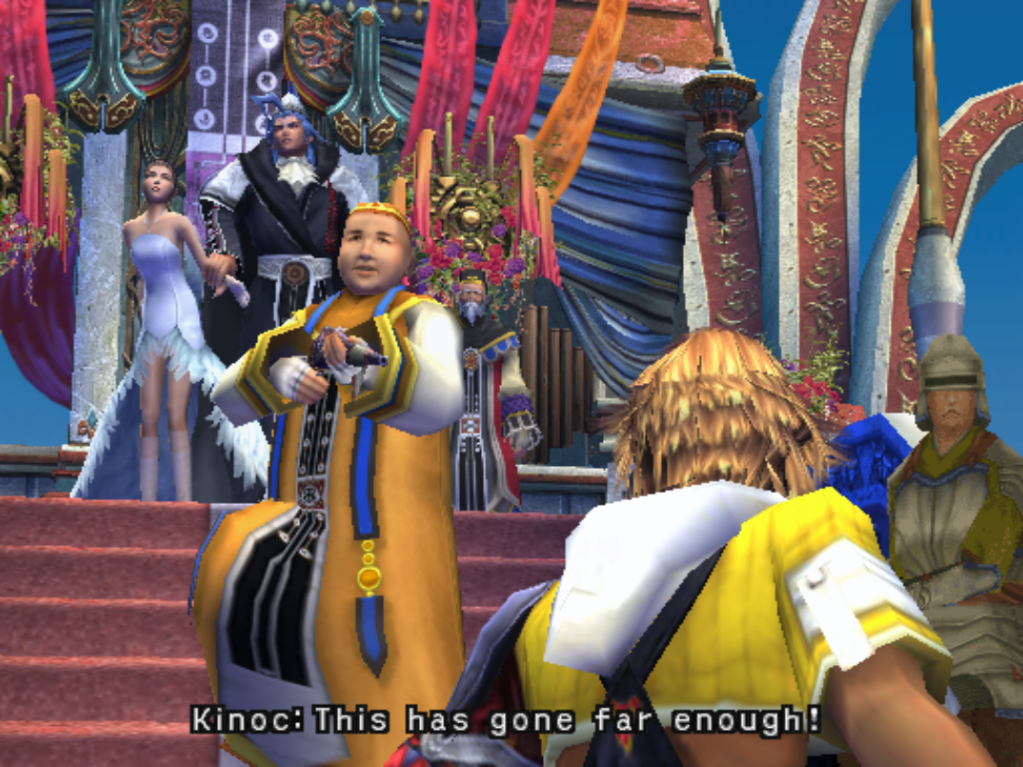
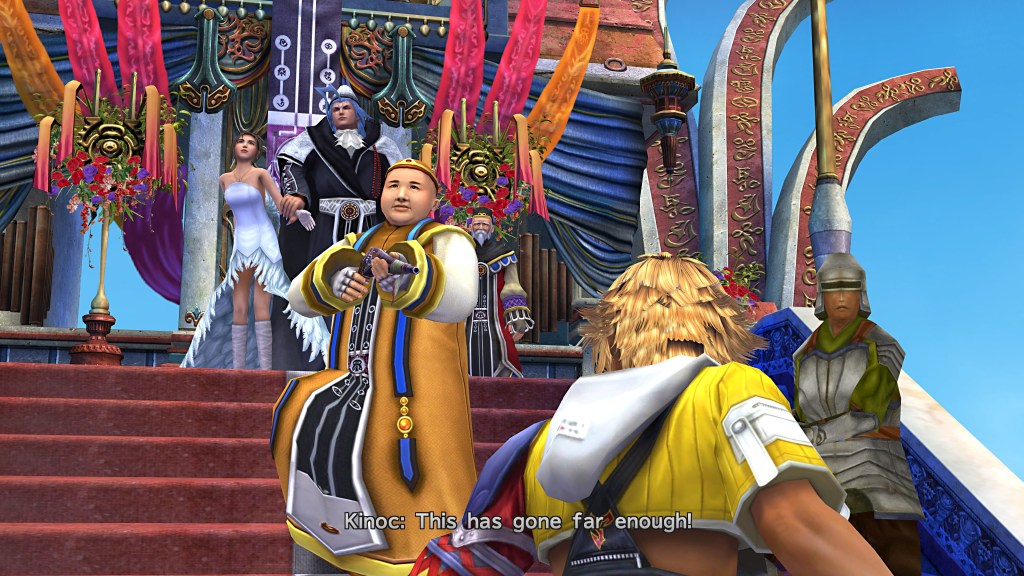
Well, except by the Al Bhed. Who they constantly demonize and try to genocide. Power is a drug!
The deepest secret of Yevon is that their lust for power is so intense that it often extends beyond mortal life. After the party kills Seymour, they confront Yevon about it and state that he is an unsent, only for the leader of the whole church, Grand Maester Mika, to reveal that he is dead. Whoops! The reasoning behind their acceptance of it is that “who better than a man with lots of experience to lead us? Who cares if he’s dead?”
There are true believers high up in the organization though. The most notable of which is Maester Kelk Ronso, who abandons the church when the truth about Seymour and Mika comes to light. He later gets killed by Seymour, fitting for a man who knows so much.

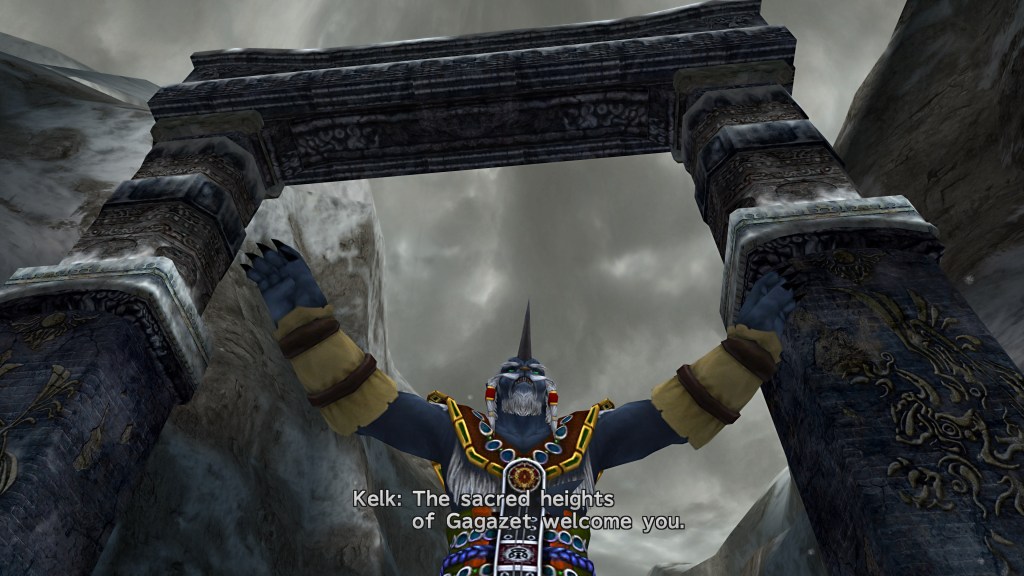
Mika and the church paint Yuna as a villain to the public for a while after the truth about the organization is learned. I suppose the tactic here is similar to the tactic against the Al Bhed, if a hated individual spouts off something, why would you believe them? They’re a heretic!
However, the people of Spira yearn for a Calm and with the church losing power, Mika changes the narrative and frames a different (also deceased, also killed by Seymour) Maester for spreading bad rumors about the summoner. Fitting for someone desperate to retain their position.
Hilariously, Yuna and company end the means to complete the pilgrimage and call about the final aeon. Mika viewed that as the one hope Spira had for any peace ever, showing that even though he was jaded and corrupt, a small part of him believed in a small part of the teachings. When he hears this news, he grows furious and then proceeds to perform a self-sending.
That’s right, Mika commits what is essentially on-screen suicide when he views his situation as hopeless. Not going to lie, it’s kind of a funny moment.
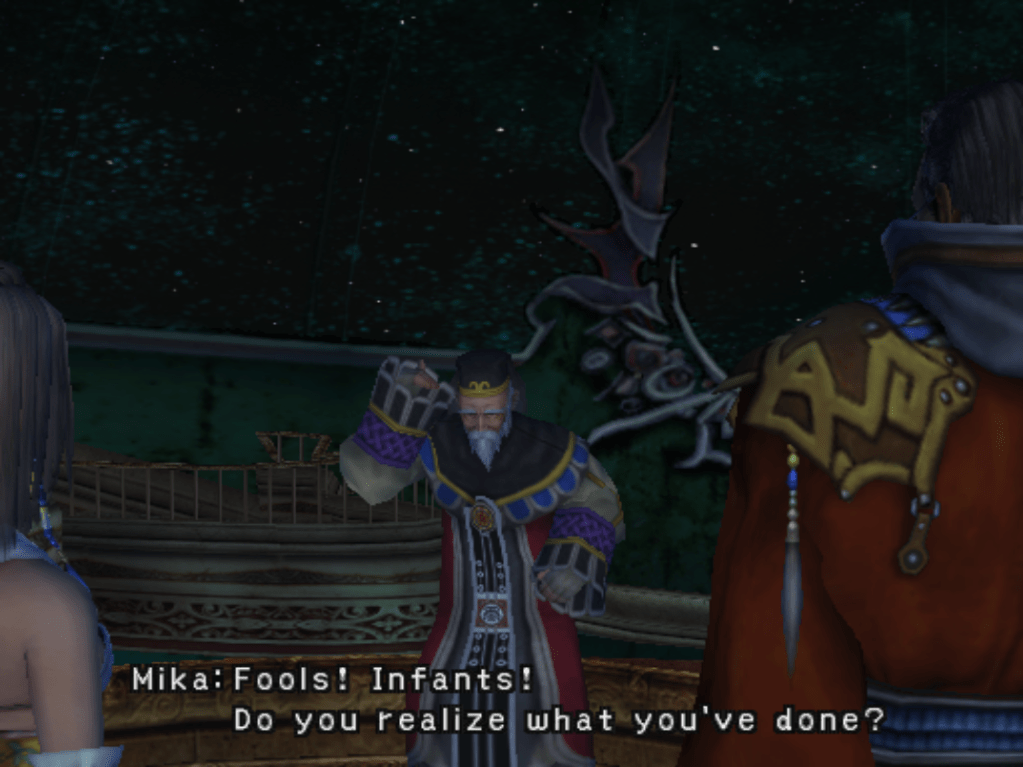
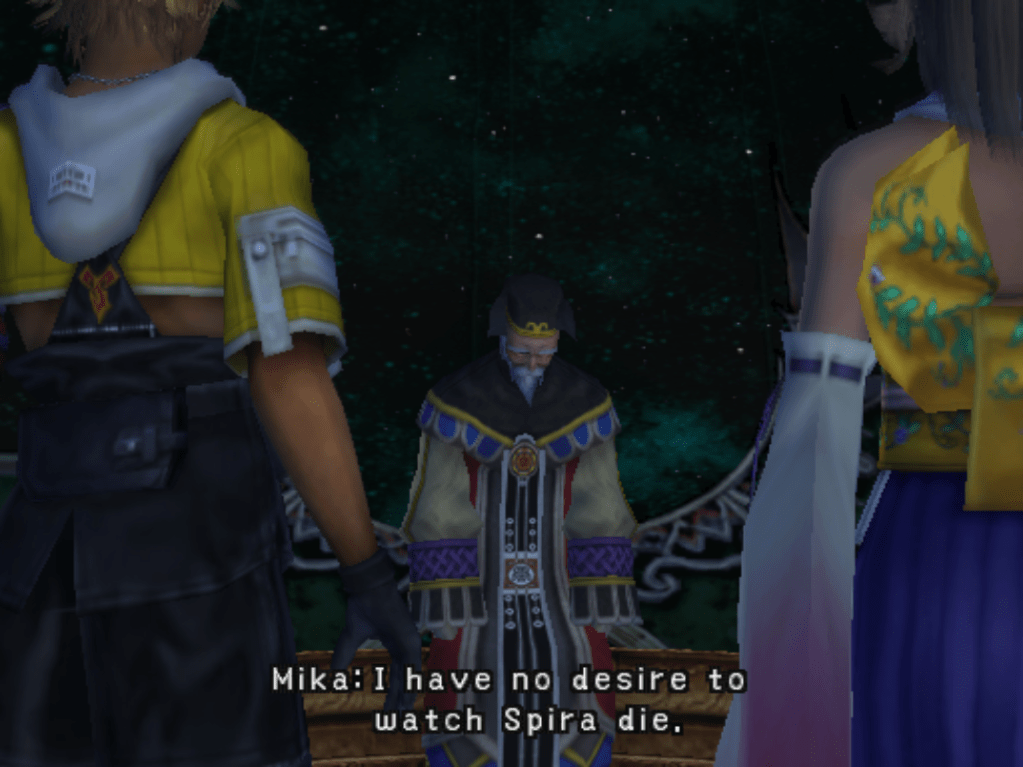
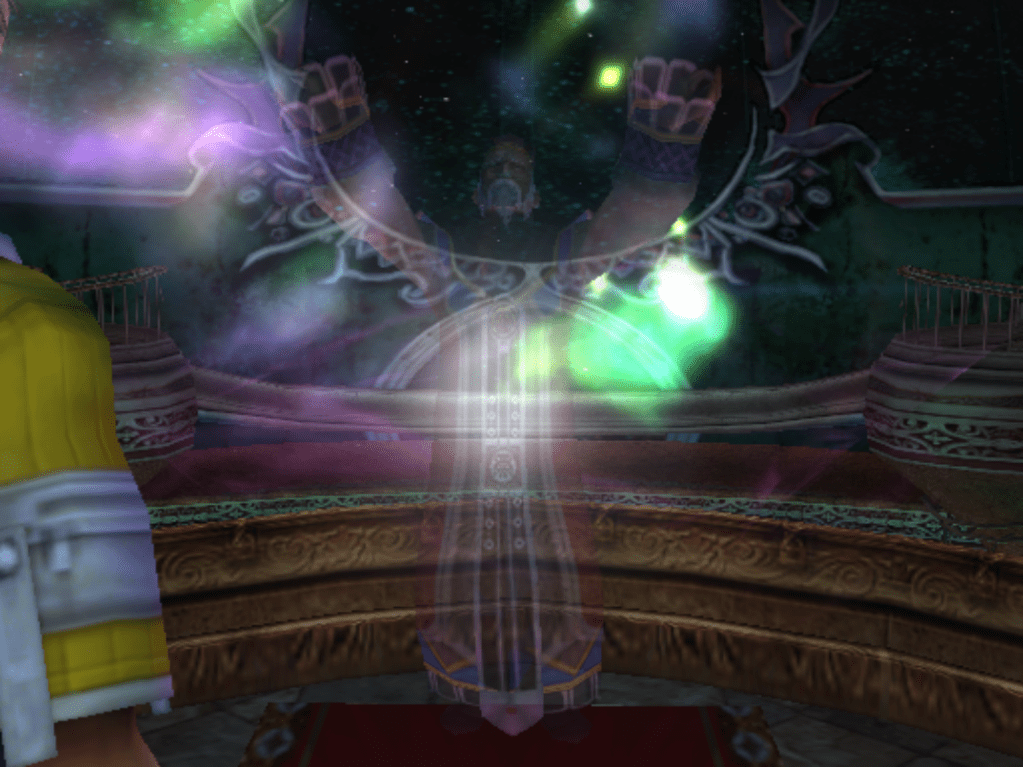
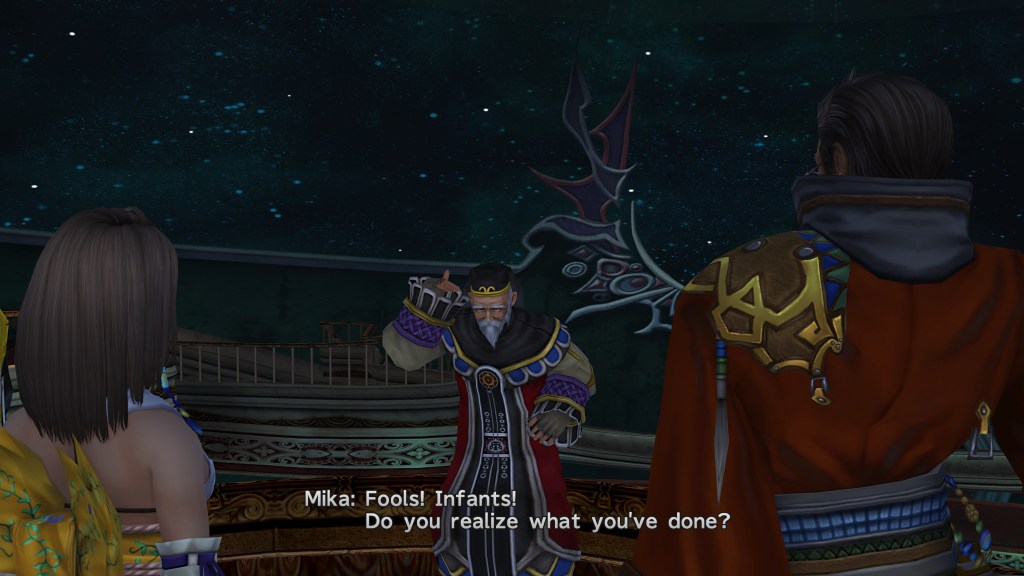
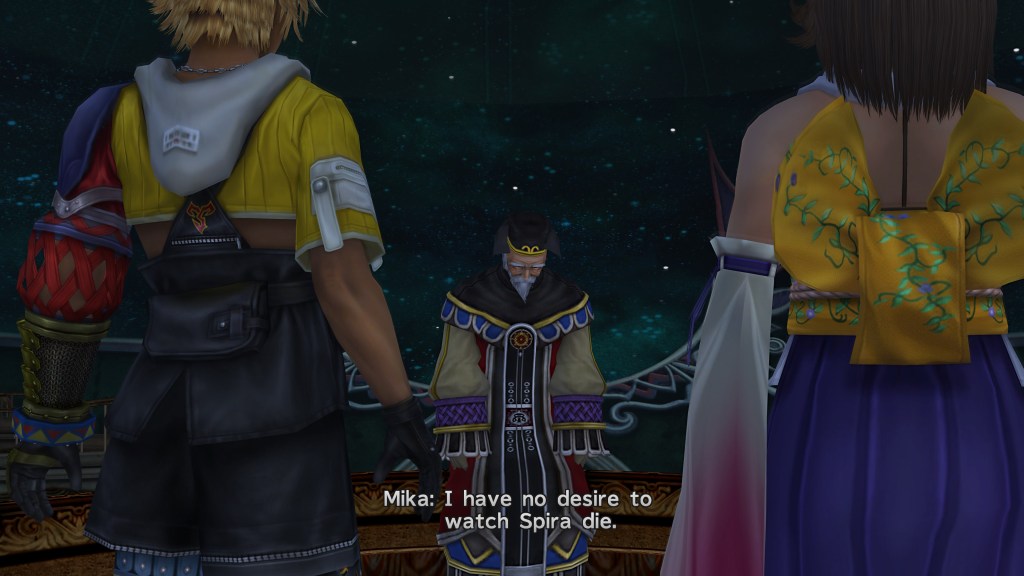
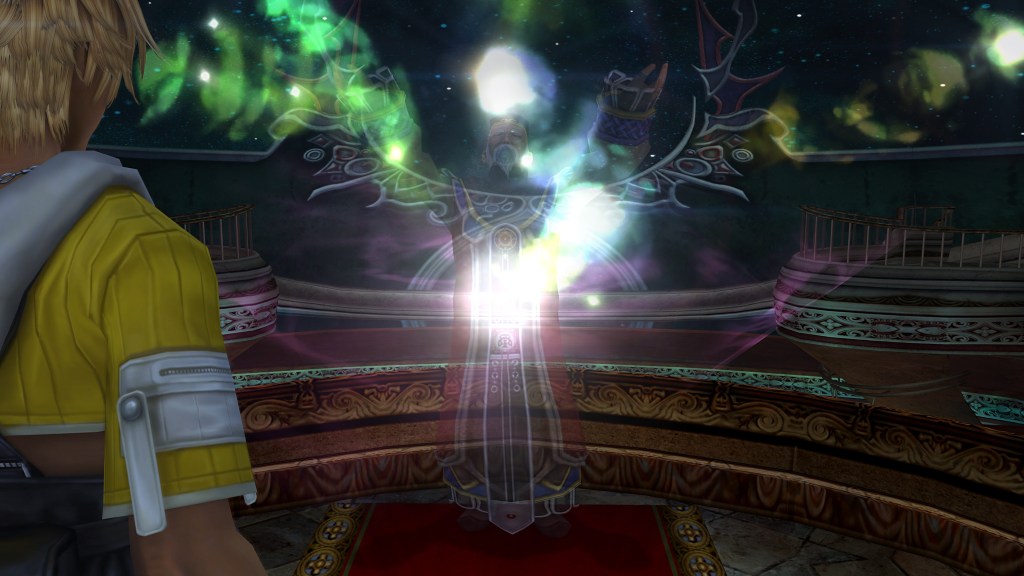
I think FFX has a pretty by-the-books RELIGIOUS ORGANIZATIONS ARE EVIL message. The people who believe earnestly in the teachings aren’t really vilified, but almost every high ranking church official is. This is hardly new territory for video games and it’s something that gets examined in detail in a later Final Fantasy title, XIII. I think the church is an important aspect of the world and shows why Spira is all messed up, but the commentary generally does nothing for me. I am far more interested in the character-to-character relations in this game than the broader subjects.
For whatever reason, this church that everyone hates gets reborn as a faction in the sequel that half-the-world just decides to blindly follow. Yeah, I don’t get it either. We celebrate the Youth League in this house.
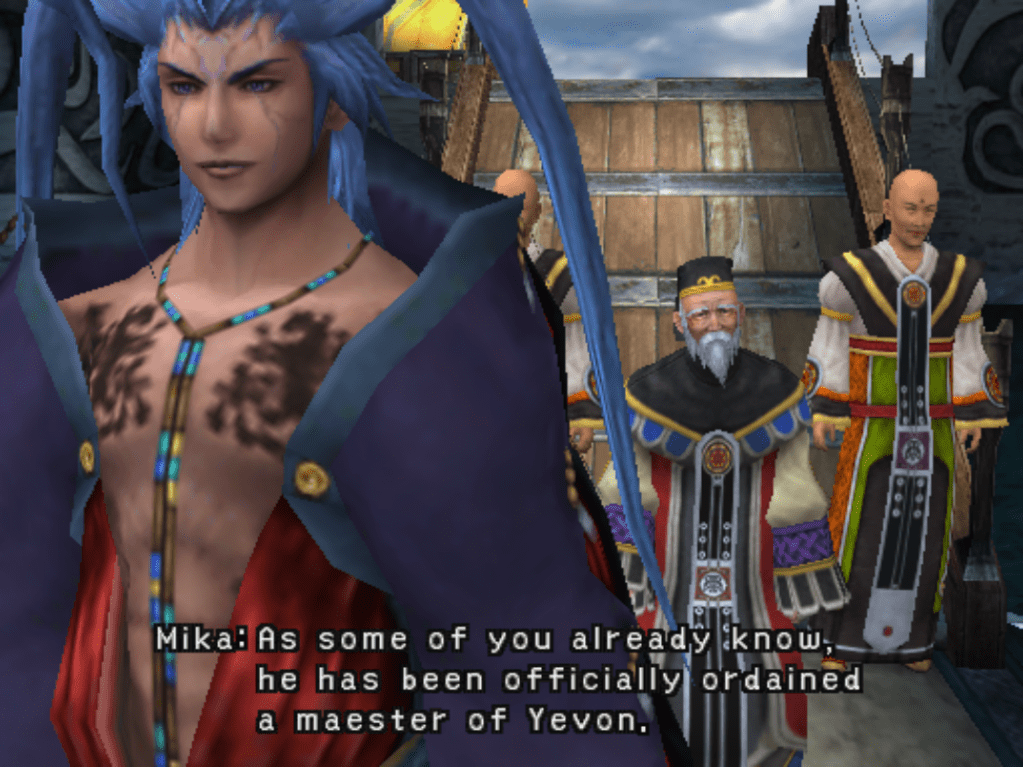
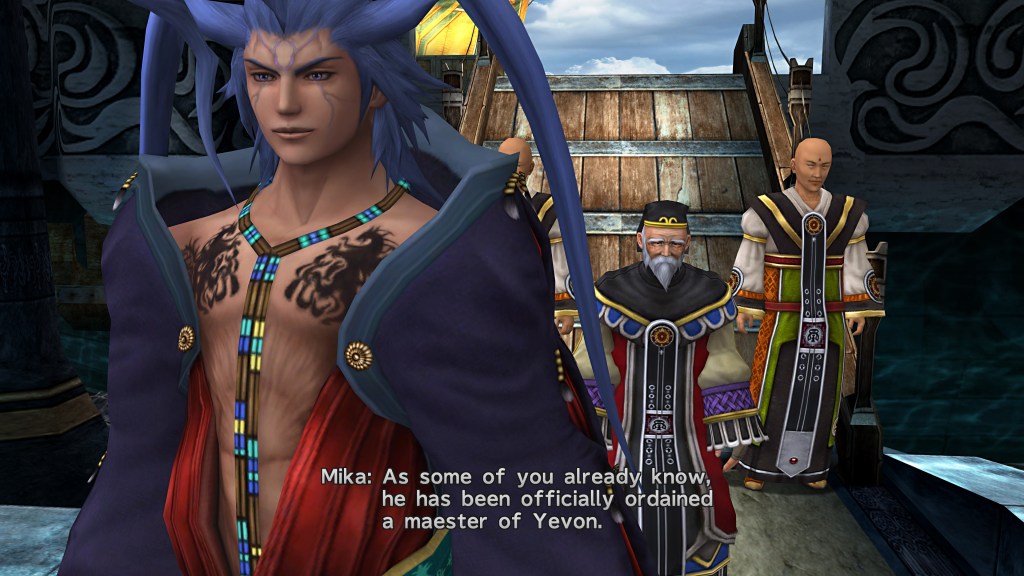
Yunalesca
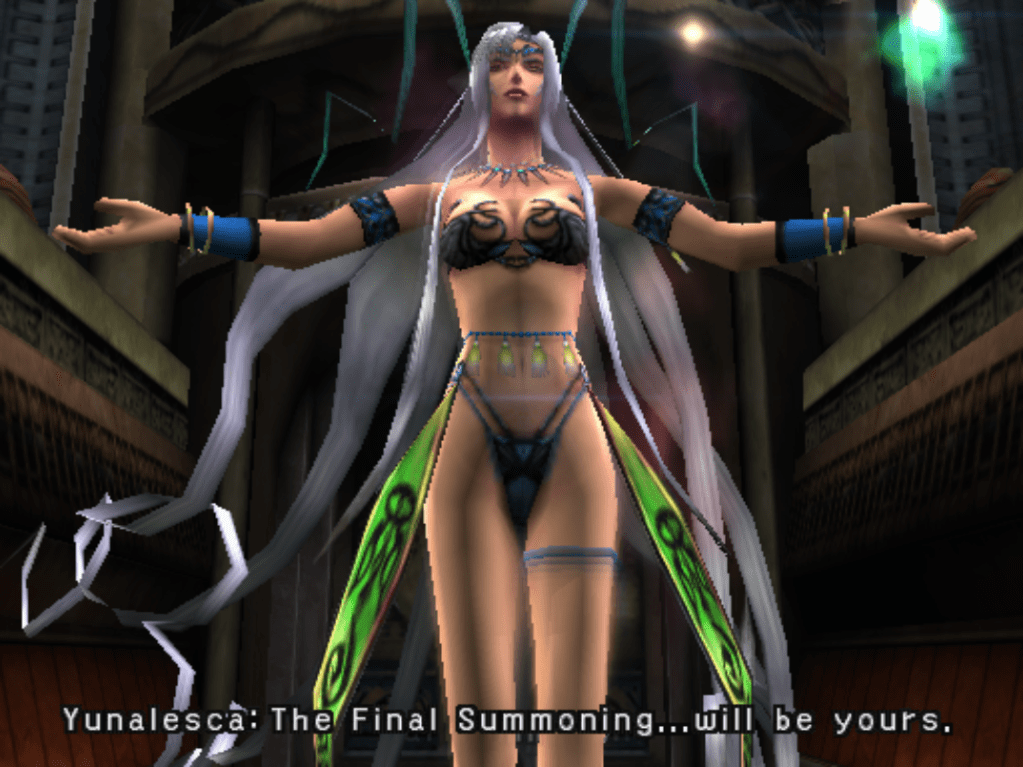

The first summoner to successfully defeat Sin and the originator of the holy pilgrimage to Zanarkand. Also Yuna’s namesake. Yunalesca used her husband Zaon as the original final aeon to defeat Sin. Like all other summoners who defeat Sin, this resulted in the lady’s death, but like so many other people in Spira, Yunalesca lingers, providing the power to kill Sin to all those who successfully make the pilgrimage to Zanarkand.
Yunalesca is a character with a unique view of the world. She sees Spira as already gone, basically beyond saving. The pilgrimage to Zanarkand is often framed as a church of Yevon idea, and one of the tenants of the church is that if humanity ever fully rejects modernity and embraces the teachings, Sin will stop appearing.
Yet Yunalesca offers no such promises to parties that reach Zanarkand. It’s flat out told to the party that it’s temporary and that, like always, Sin will be reborn.
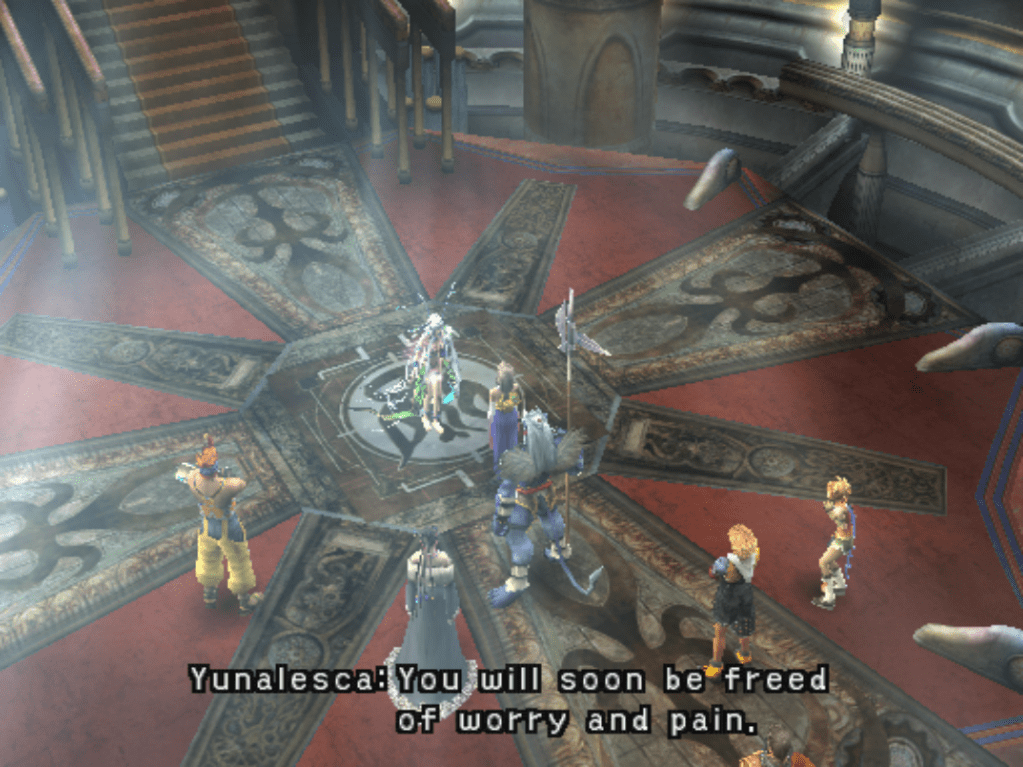
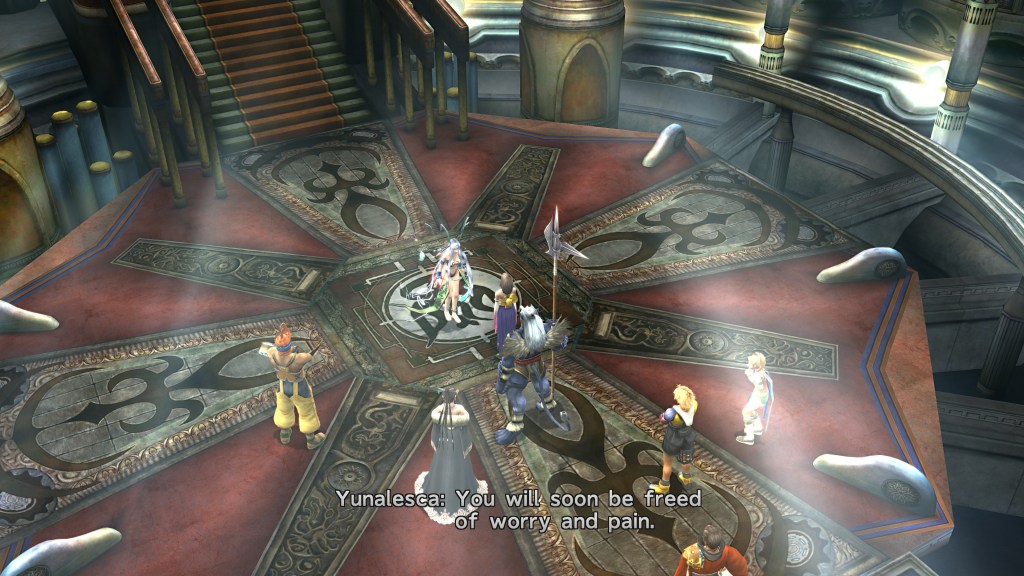
The legendary summoner views the pilgrimages and the calm as a bit of false hope for the people. The world is doomed, so why not give everyone a little bit of hope every once in a while, even if the whole thing is pointless? Given that Grand Maester Mika permanently kills himself when word that Yunalesca is gone reaches him, it’s safe to say the church thinks like this too.
Right before matching up with Yunalesca, the party sees the memories of other parties that have reached this point of their journey. They see mothers separated from sons, lovers separated from each other and friends making the ultimate sacrifice. At that moment, they decide that tossing lives away for essentially nothing, a fake promise, was a waste. They would either look for a permanent solution to the problem or waste away with the world.
Yunalesca doesn’t let the party just end this ritual free of charge. You think Yuna can just dance and send her to the farplane? Yeah right! You instead get a three-phase boss fight, which I detail a little bit above. That’s right, this is the boss that makes you pay attention to the Zombie status effect.
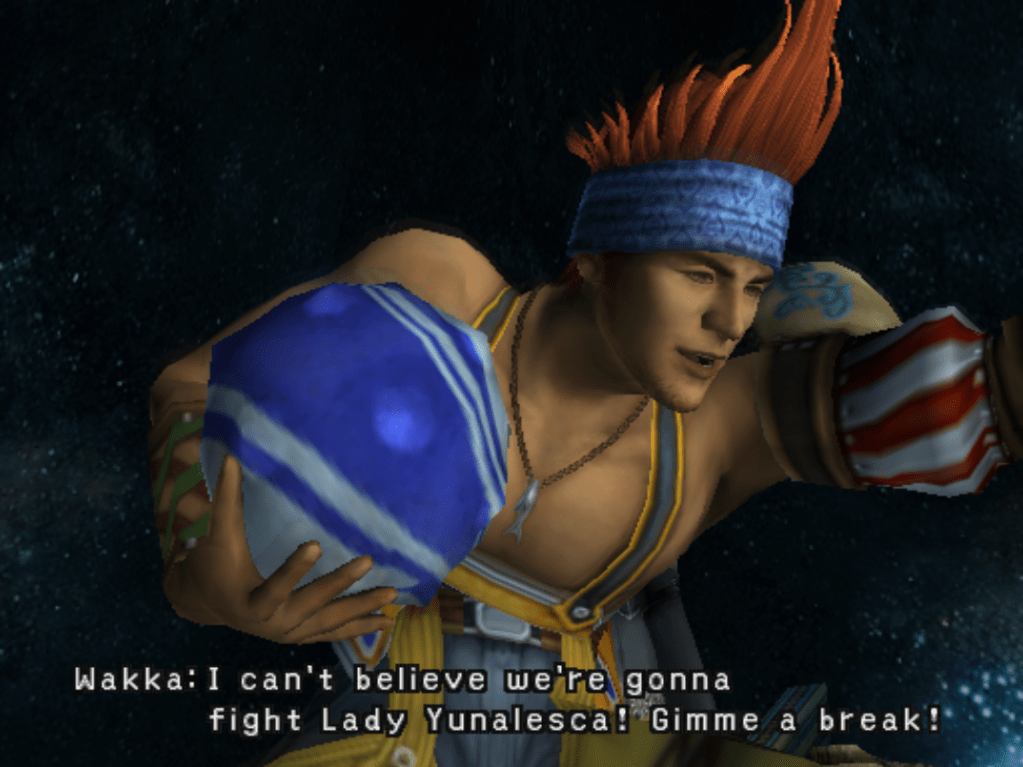
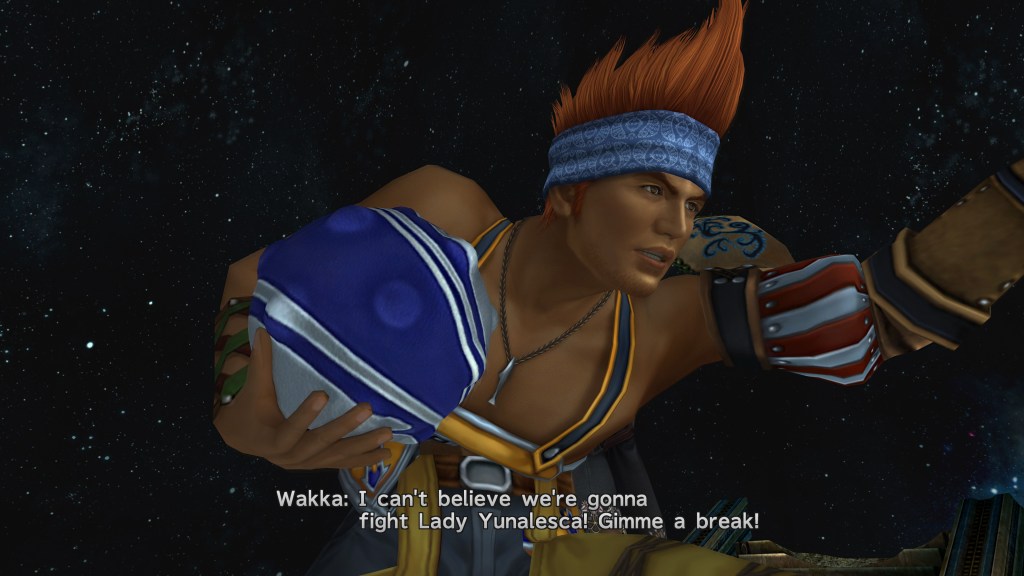
It’s arguably the hardest boss (between her and Seymour 3 anyway) that the player fights in the main narrative and, as is tradition it feels, a gigantic cutscene takes place beforehand. The cutscene has all sorts of cool cinematic effects to it, but first time players who have to fight Yunalesca three or four times probably grows sick of it.
I view this as a very fitting finale to the ‘linear’ portion of the game. After this fight, the player immediately gains access to the airship and can go visit past areas. If a player does any side questing at all, such as gathering monsters in the Calm Lands or hunting down ultimate weapons, by the time they actually try to finish the game, they will likely be way stronger than the true final boss.
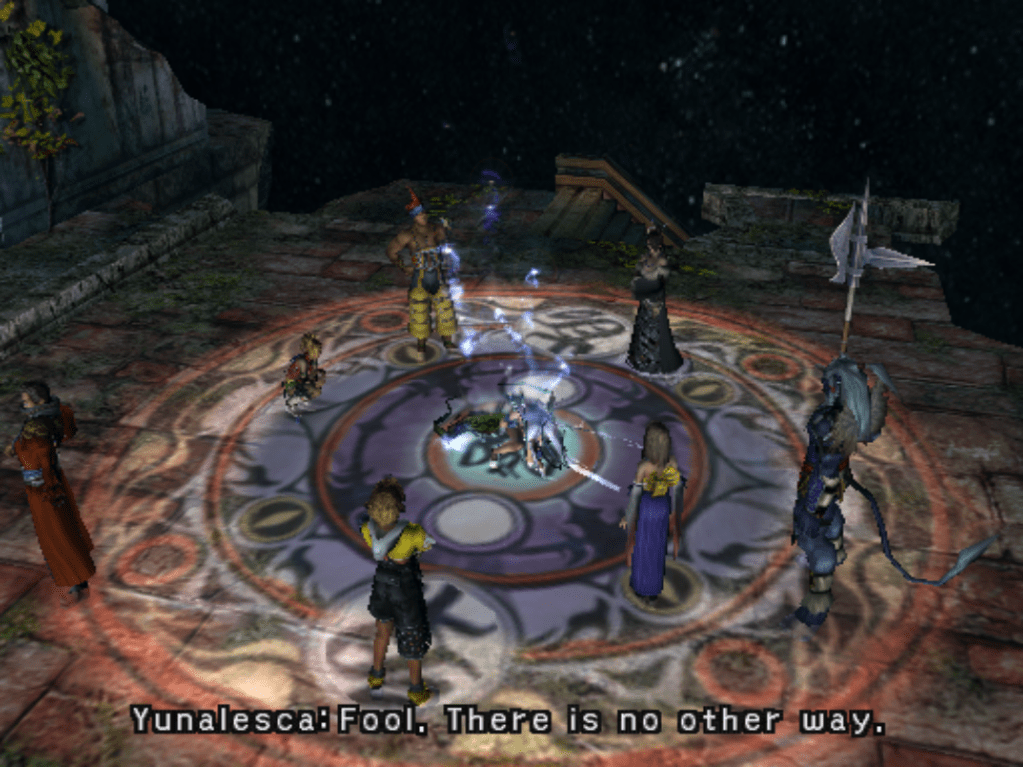
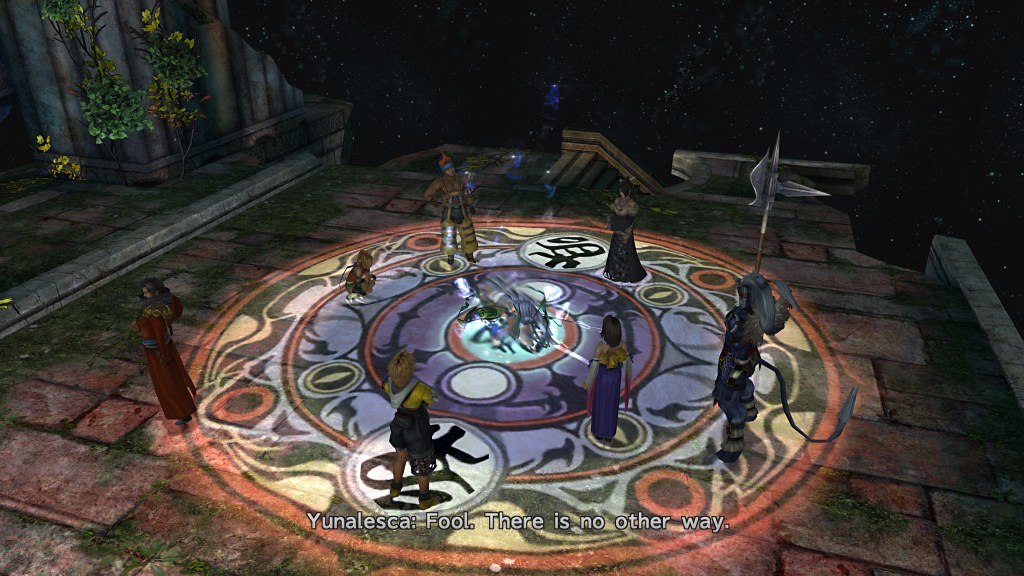
I have beaten FFX probably 20 times over the years and I don’t think I’ve ever fought the final boss on equal footing, I’ve always been pretty overpowered from doing side content. Even in playthroughs where I don’t go for 100%, which is the vast majority because 100%ing FFX sucks ass, my party is able to wreck the last encounter in a few hits. So as a result, Yunalesca always feels like the true final boss for my journey. It’s the best fight in the game!
English voice actor report: Julia Fletcher does fine in her role. She comes across as both benevolent and cruel. She doesn’t have a lot of lines, but I do feel the character comes across as it is intended to. B.
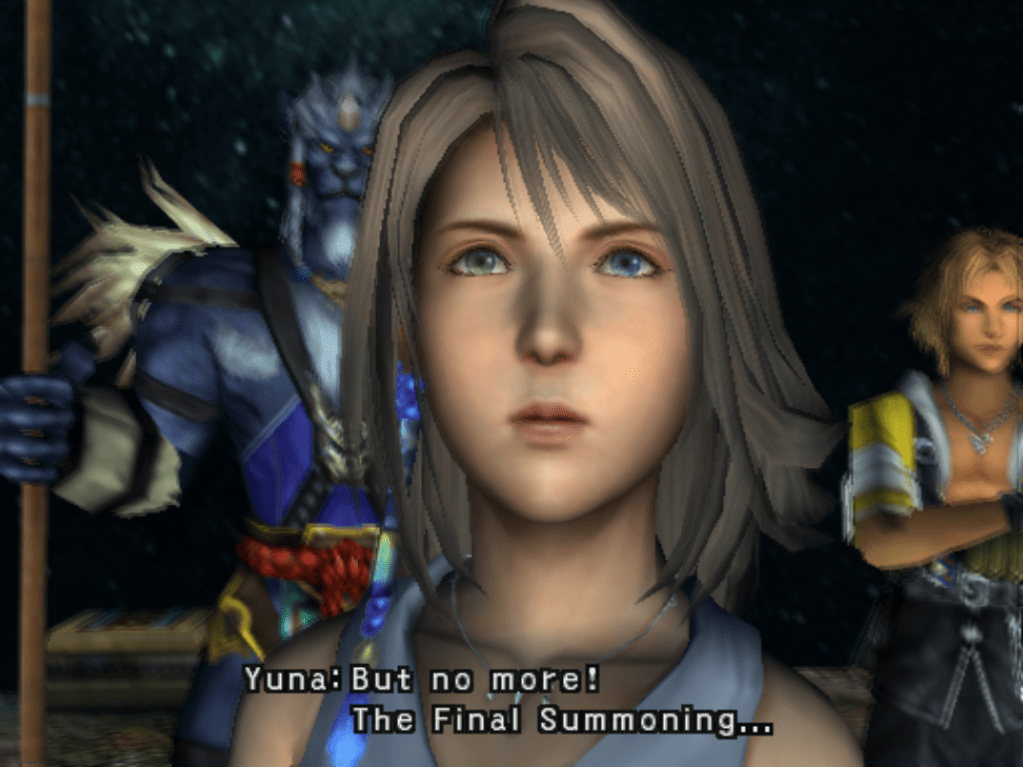
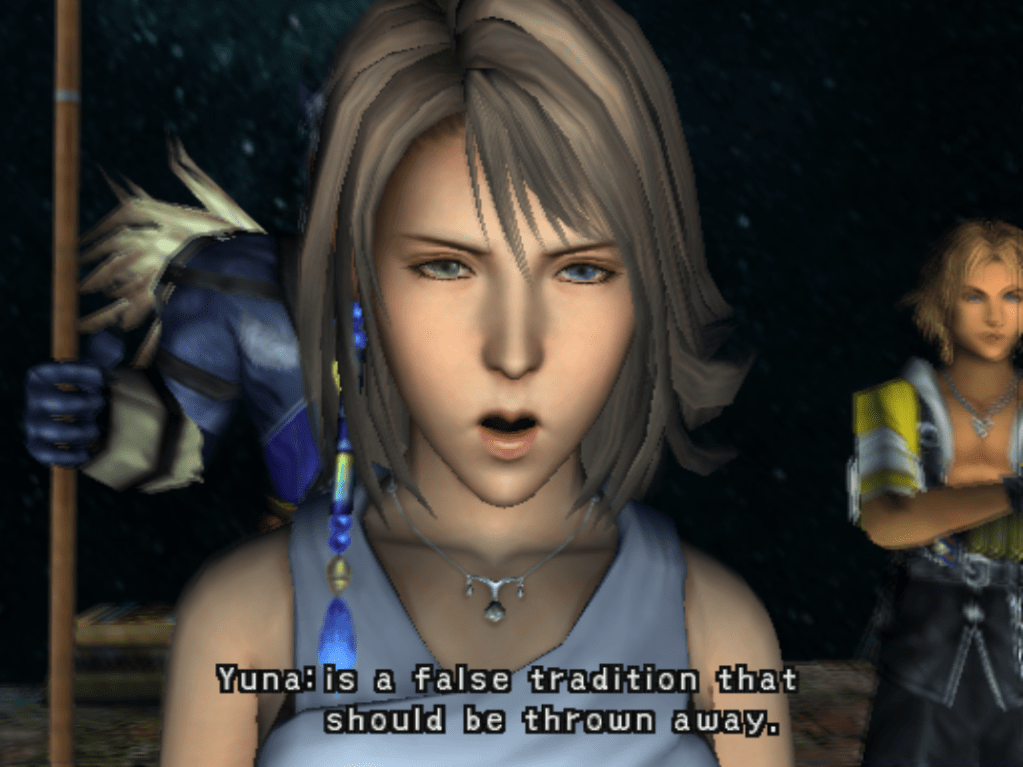
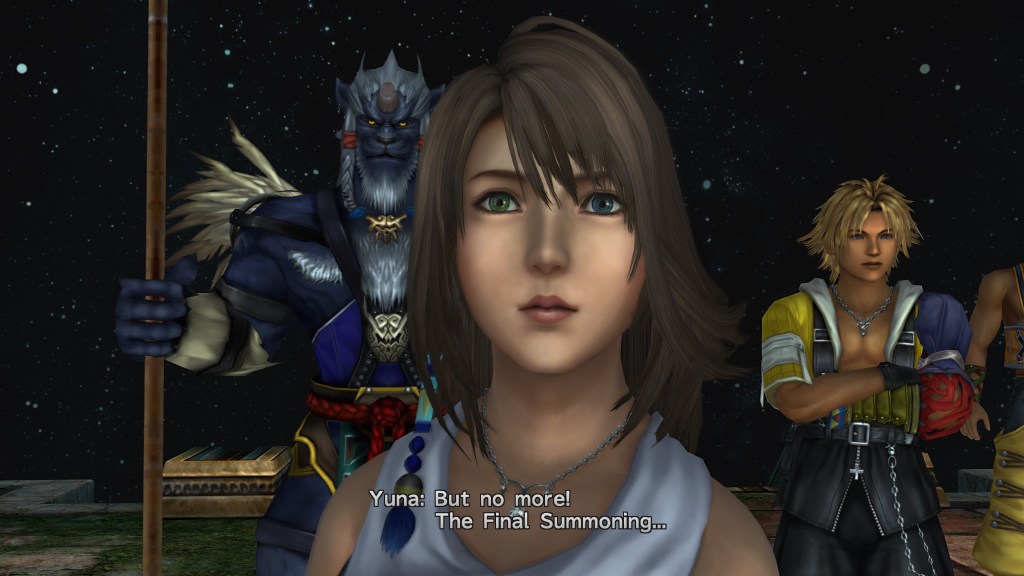
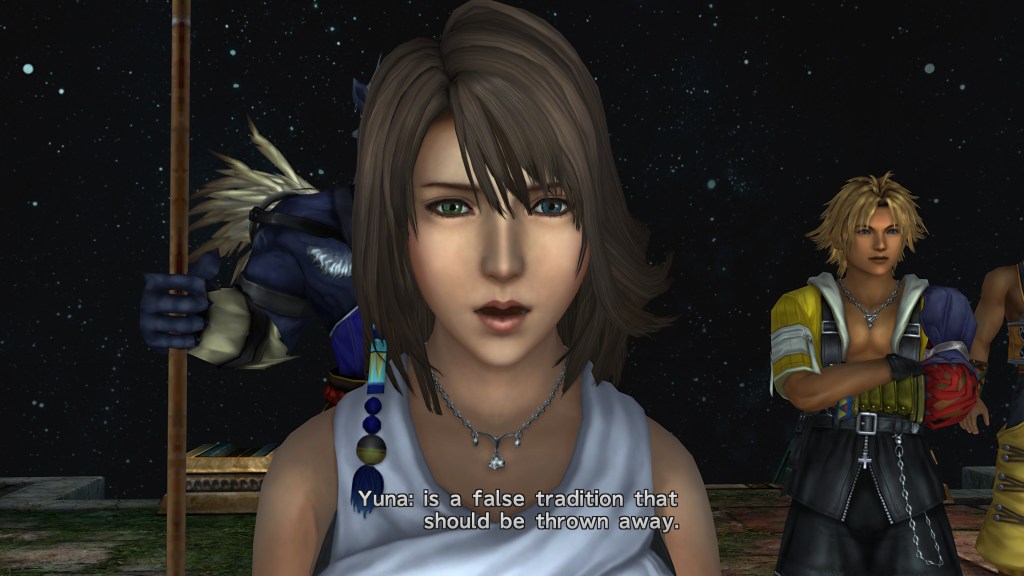
Sin/Jecht
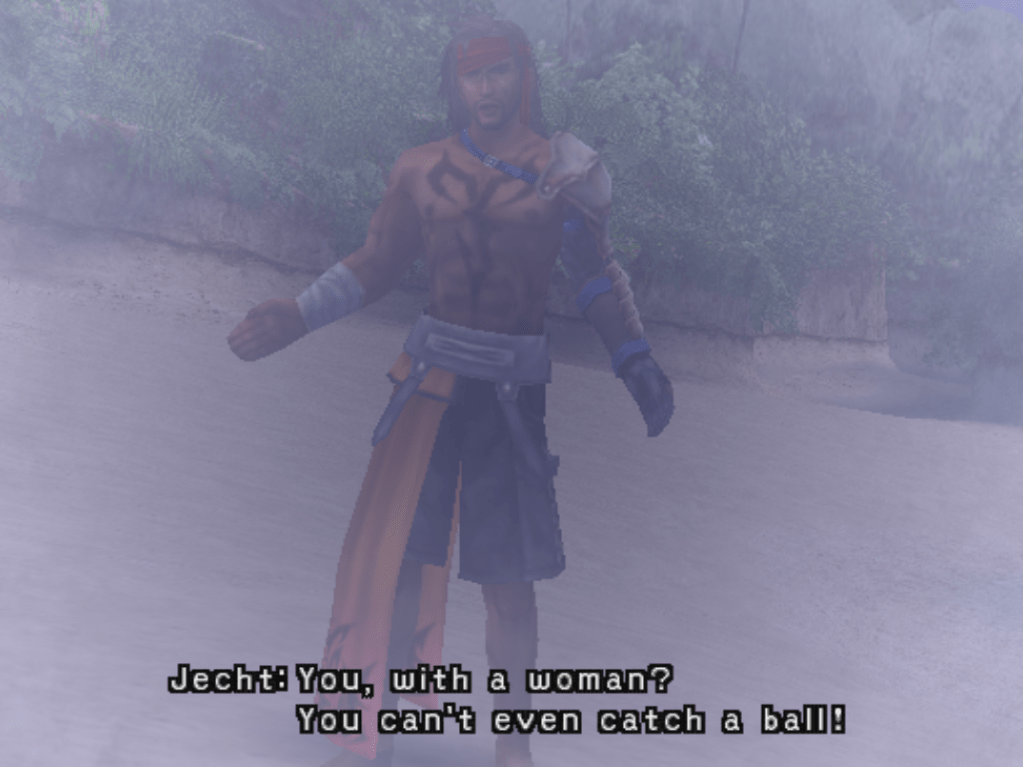
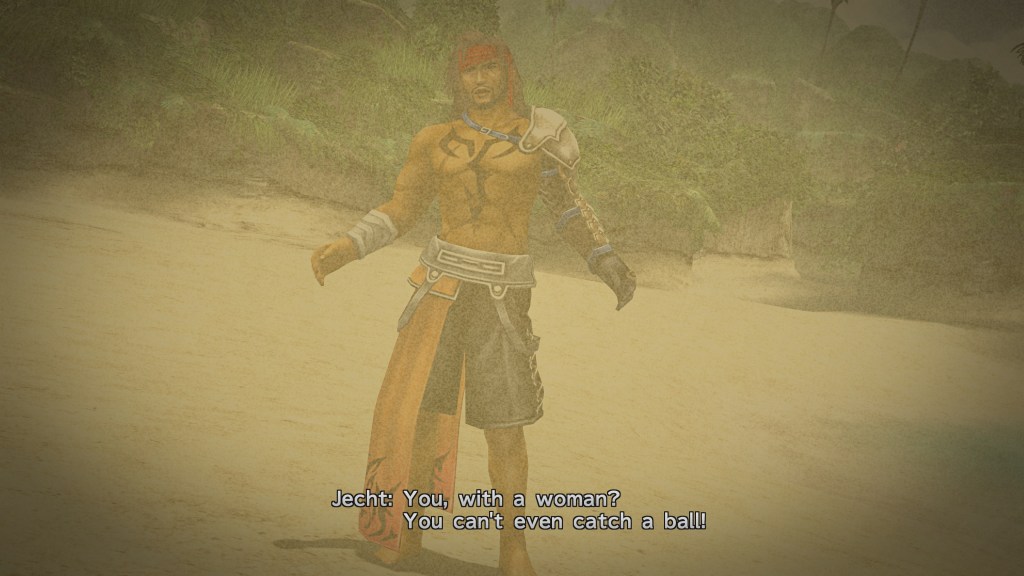
Tidus’s father, the star player of the Zanarkand Abes and the guardian to Braska. Jecht is probably my favorite ‘villain’ the franchise has seen to this point just because it’s hard to know what to make of him. As mentioned at length above, his relationship with Tidus is complicated. Some players might read into him as an abusive absentee father that is not worthy of redemption. Some players might see him as a guy who just doesn’t know how to express his feelings.
A big part of the journey through Final Fantasy X is learning of the previous journey of Braska, Auron and Jecht. While Tidus’s dad starts the journey out as something of a wild drunken lunatic, he calms down over the course of the game. He is portrayed as fiercely loyal to Braska and Auron, to the point he even offers to help with Braska’s fight against Sin.
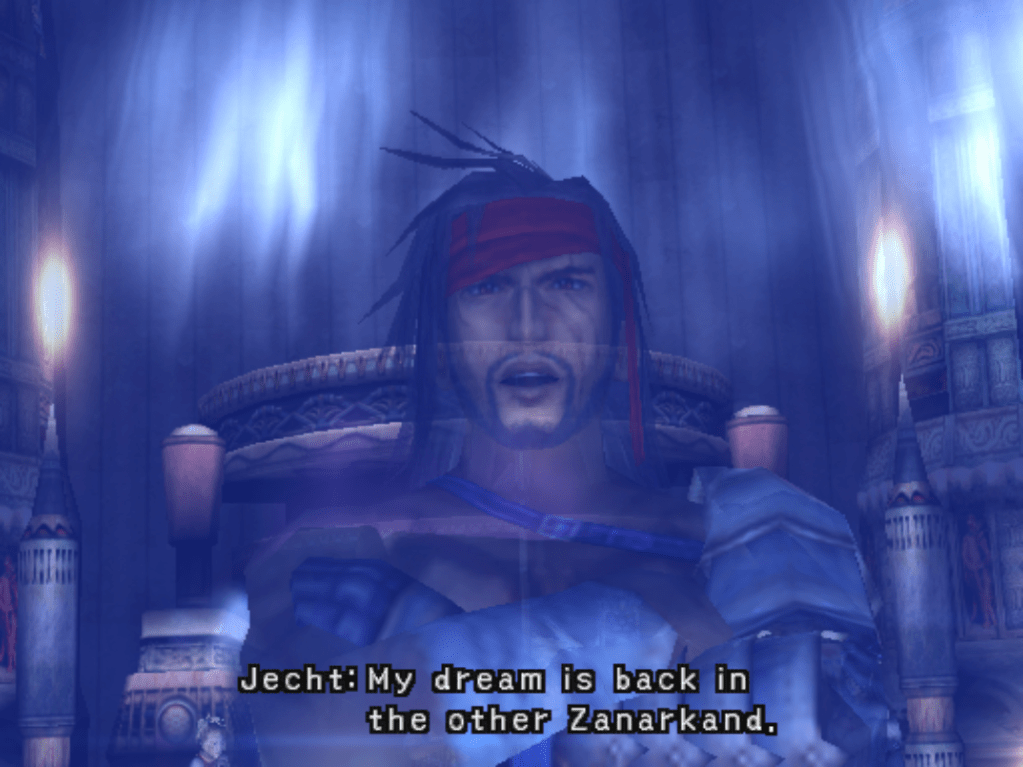
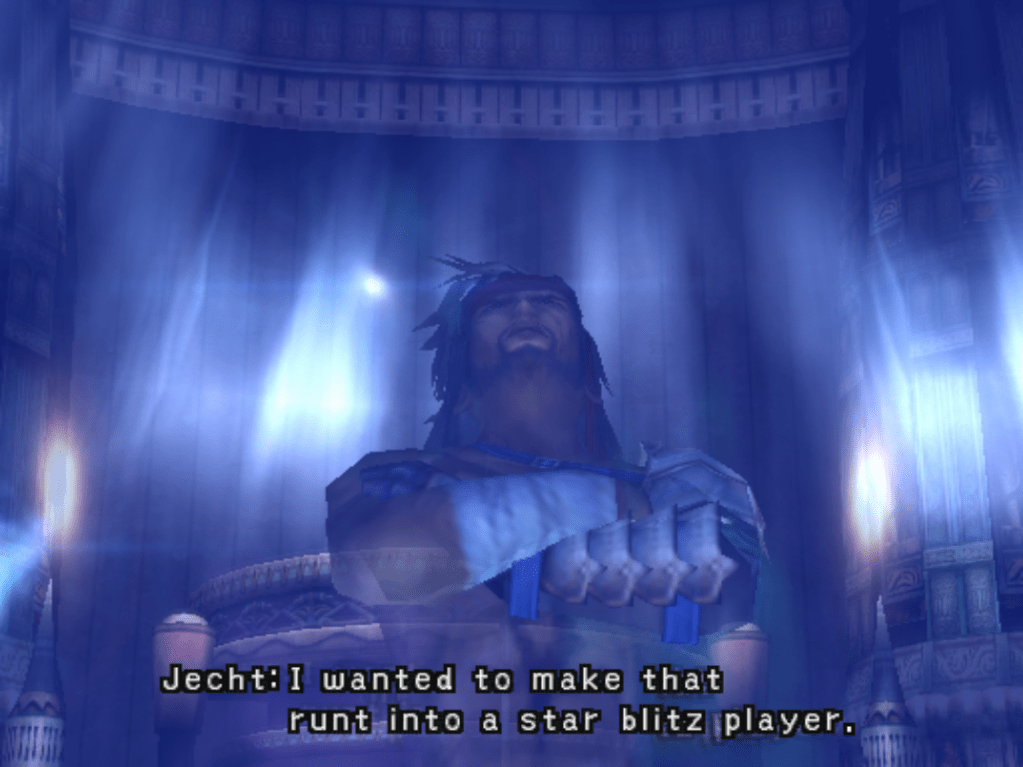


He is also portrayed as oddly loving to his son. Just like Tidus, there are stretches of the journey where Jecht is adamant that he’s going to get to go home. During these scenes, he talks about getting a souvenir to his son. It’s a small gesture, but to me it communicates a dad who just doesn’t know how to communicate that he cares and wants to take the ‘here is a gift’ shortcut to being liked.
You also get a glimpse of spheres where Jecht sort of leaves a living will for his son, where he leaves some advice and makes it pretty clear that he loves his boy even though he doesn’t say those exact words. Auron does though, he straight up tells Tidus that Jecht loves him.
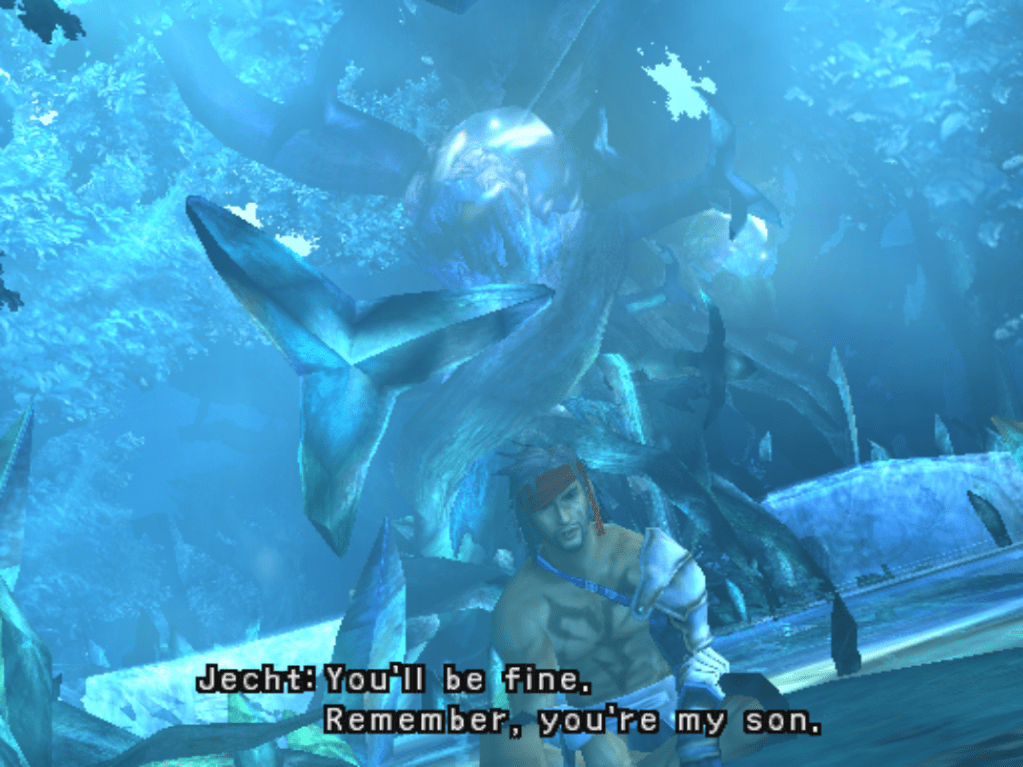
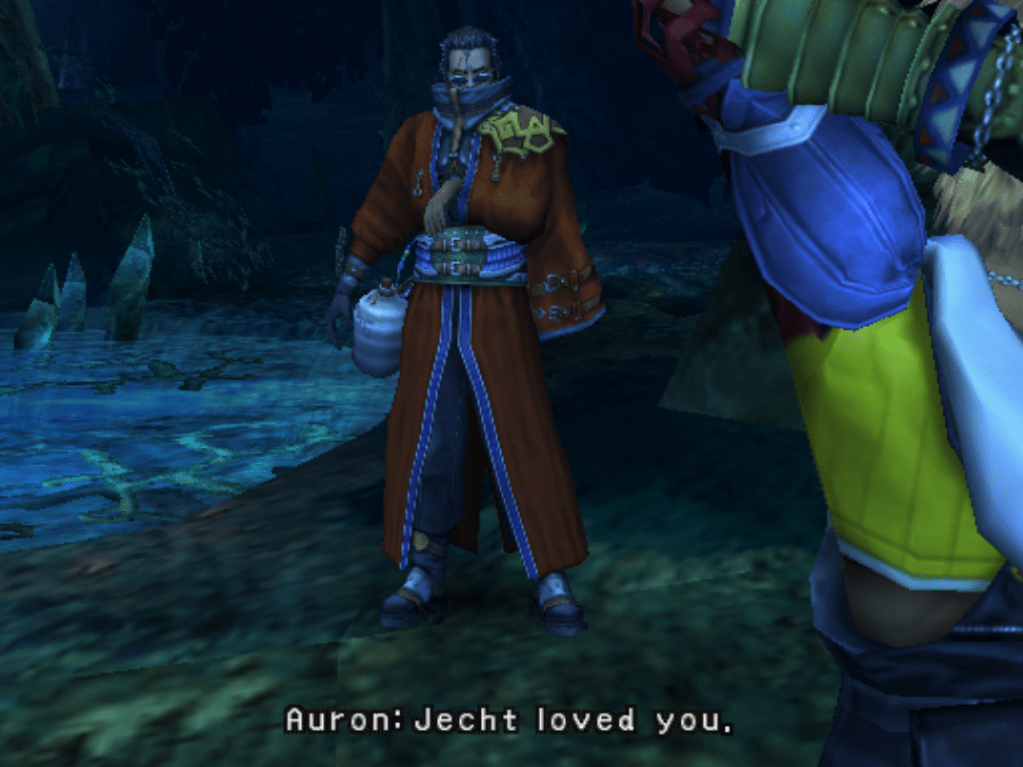
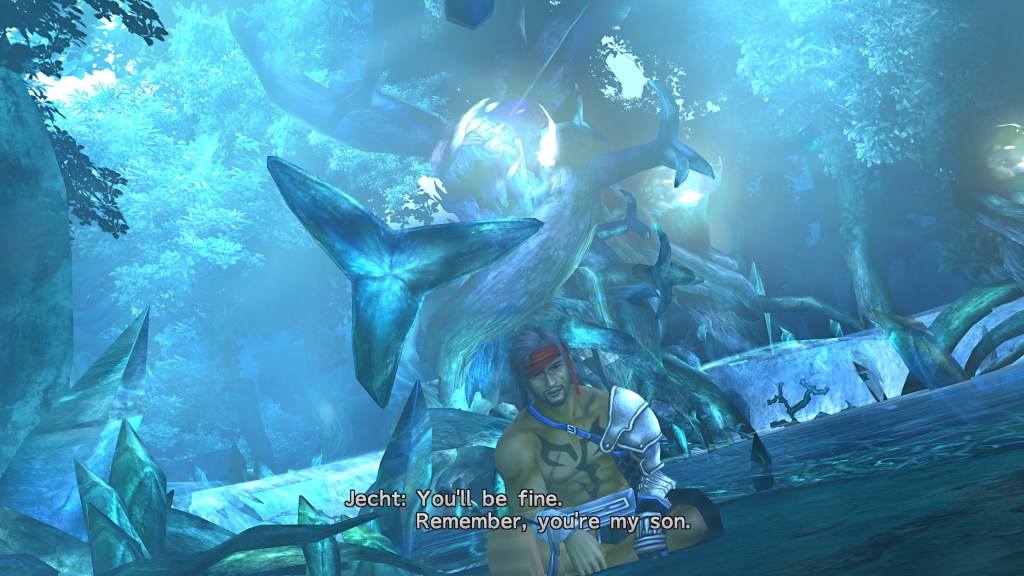
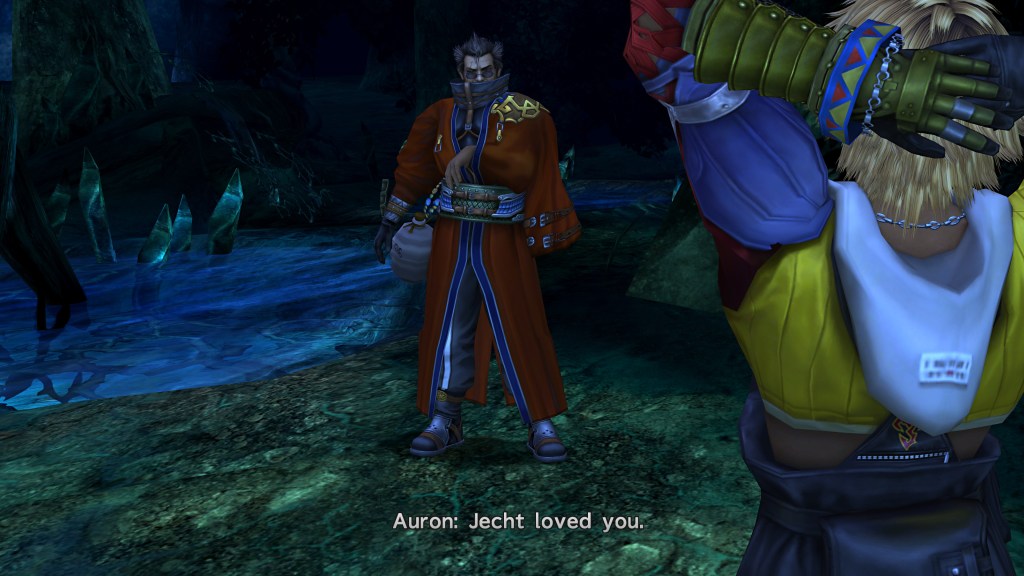
I think Jecht was a little immature as a father, he probably didn’t know how to balance fame and a family. He was emotionally abusive with the ‘don’t you cry’ stuff he expresses towards his kid, but I always read that as a man who doesn’t understand how harmful he’s being. He just wants to raise Tidus as best he can, and in his eyes, it’s through being stern.
But the journey through Spira mellows him out. He starts to see that there’s nothing wrong with being a little softer. It’s why he leaves behind kind words and advice for Tidus. Hell, when he’s about to become Braska’s final aeon, he reaches out to Auron to ask him to look out for his kid.
If he didn’t do a little bit of growing, the old parental version of Jecht would have requested Tidus ‘figure it out for himself like I did’ but instead, he wants to guide his son to a path that will likely have him succeed and grow as a person.

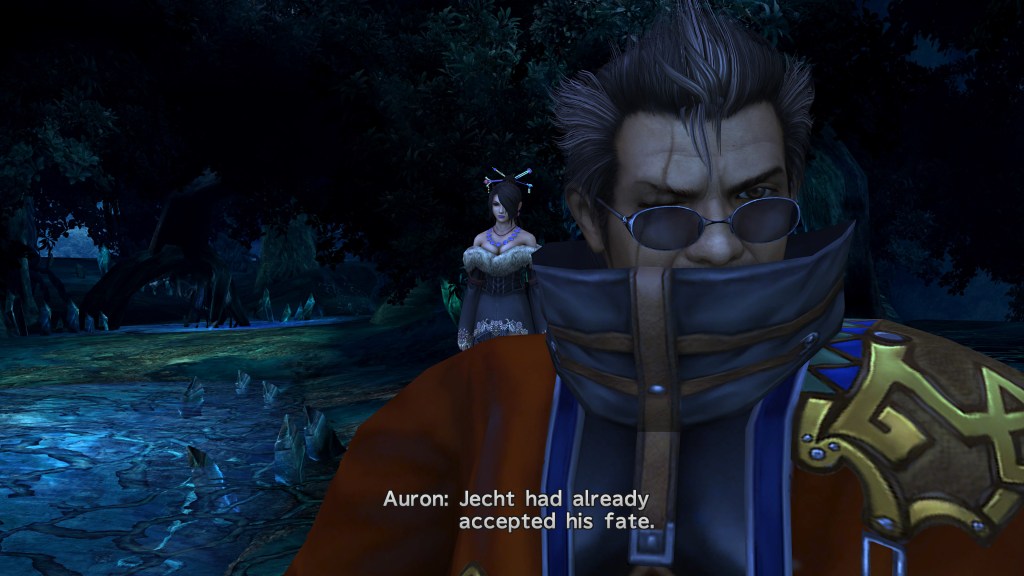
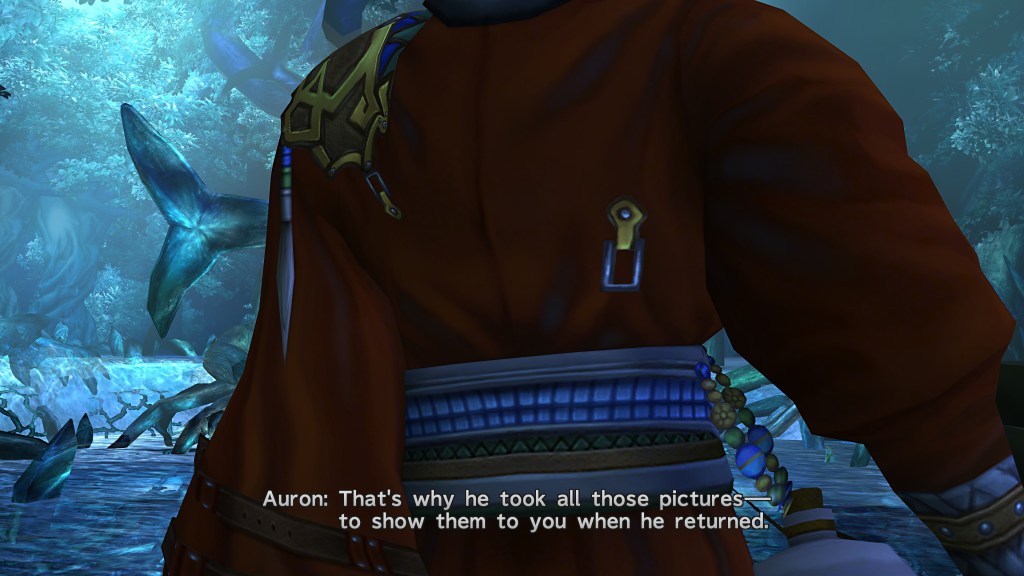
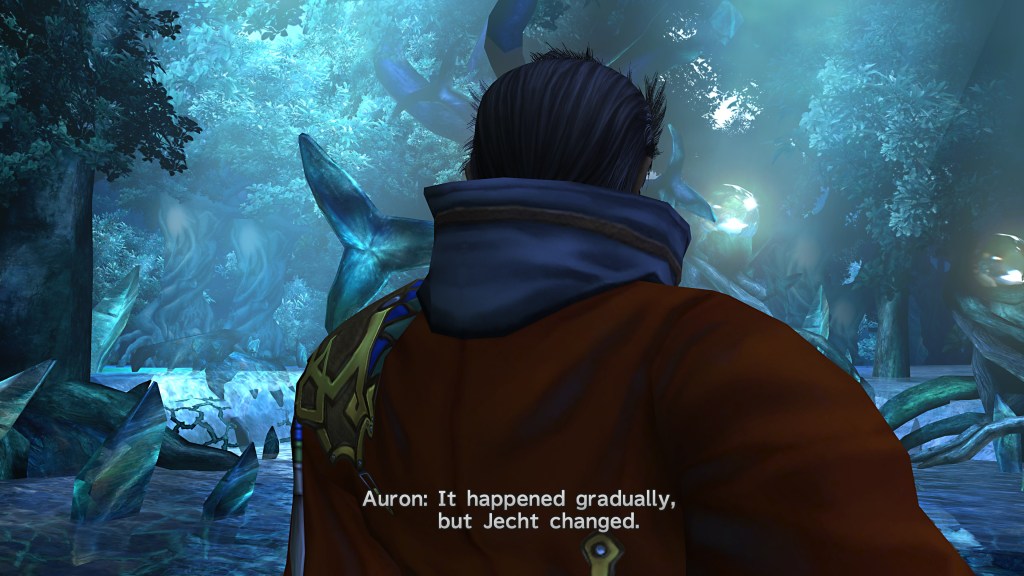
When Jecht becomes the final aeon for Braska, he successfully defeats Sin. As is tradition, the final aeon becomes the new template for Sin and for some reason, this iteration of the baddie has memories of the past. It appears Sin goes out of its way to visit see Tidus and check up on his journey. For a beast that indiscriminately kills thousands, the protagonist sure has a lot of non-fatal encounters with the being.
The most notable personality trait Sin has is that it seems to like the hymn of the fayth, a song the player hears a lot throughout the course of the game. While the song is playing, Sin becomes docile and much less chaotic than usual.
It appears to be listening to the song. The change in personality is so harsh that the plan for beating Sin without the final aeon revolves around the hymn of the fayth. The lone airship in the world will blast the song as it flies through the sky and, when the population of Spira hears it, they will sing along. With the whole world singing, Sin will be at its most docile, which opens it up for attack.
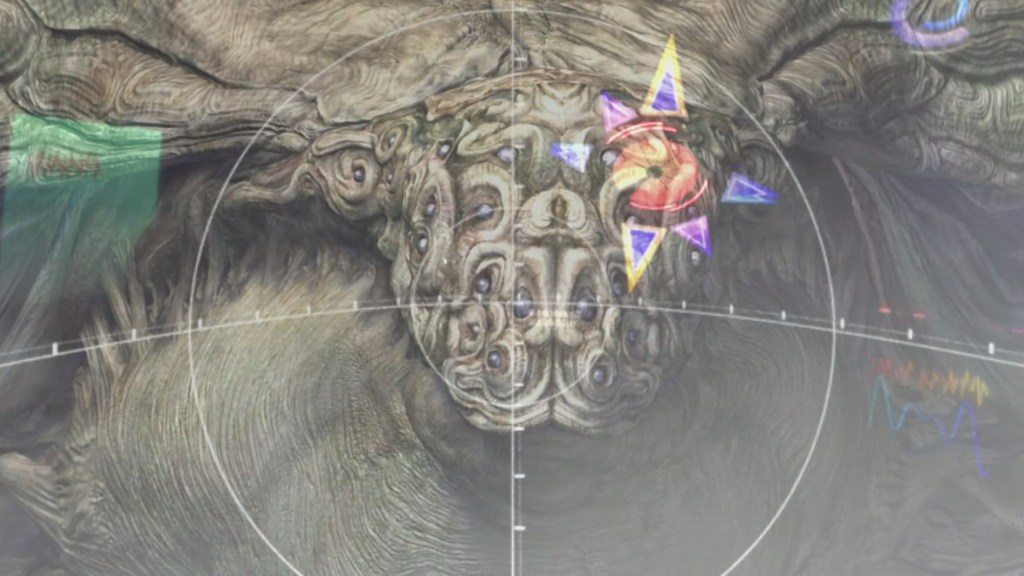
…There’s really no subtlety to the attack, they basically just rip a hole open into the beast and go inside. Sin itself is a shell for the final aeon, the beast that rampages in the world is simply armor. The party must go inside Sin to end things once and for all!


The creature waiting for them inside of Sin is the true being at the helm, the true form of Braska’s final Aeon.
However, before that, the game makes you fight several forms of Sin first. These are mostly easy battles that sees the player pick off small parts of the creature’s body. The most difficult part is probably when the party fights Sin head on. This is a timed battle where the behemoth itself doesn’t actually attack, but instead every turn is spent building up its overdrive meter. If it launches its overdrive at the party, you lose. So it’s essentially a DPS battle against time, it just tests how quickly and efficiently the player can deal damage.
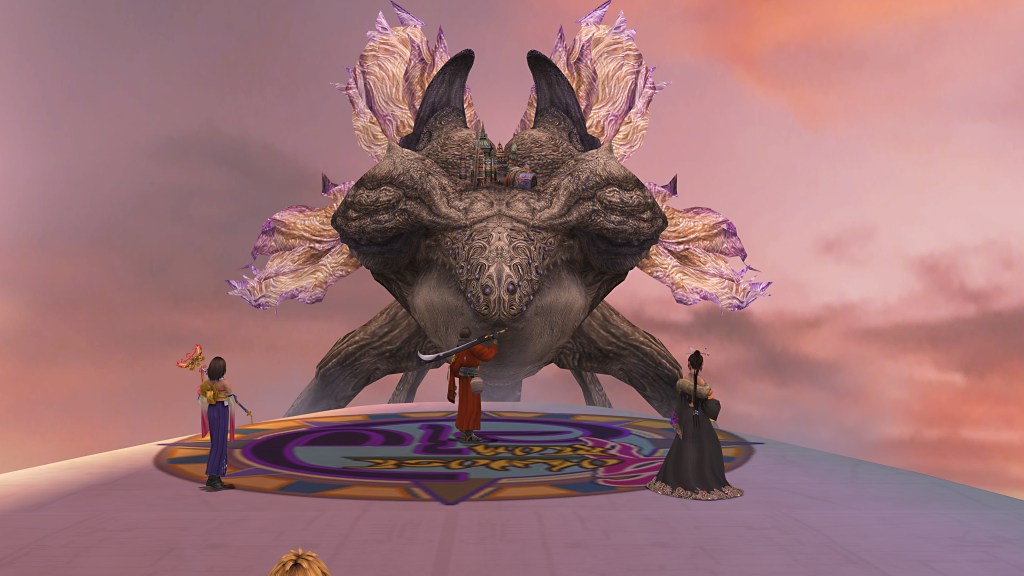
(I forgot to capture this fight on the PS2 version, what’s my problem man?)
If you have decent stats, access to hastega or simply just the hidden aeons Anima or the Magus Sisters, this is pretty easy to overcome. However, I remember a lot of first time players back in the day struggling with this.
Inside of Sin itself, the final boss fight is against the aeon version of Jecht. This fight is made difficult by a couple of enemies called Yu Pagodas, which will constantly heal and build Jecht’s limit meter.
If a player goes into this fight at an appropriate level for it, success is dependent on their ability to balance damage between the Pagodas and the aeon. If you simply leave the pagodas alone, Jecht will constantly build meter and heal, making success very unlikely. Characters like Wakka, Lulu and the summons are especially useful here.
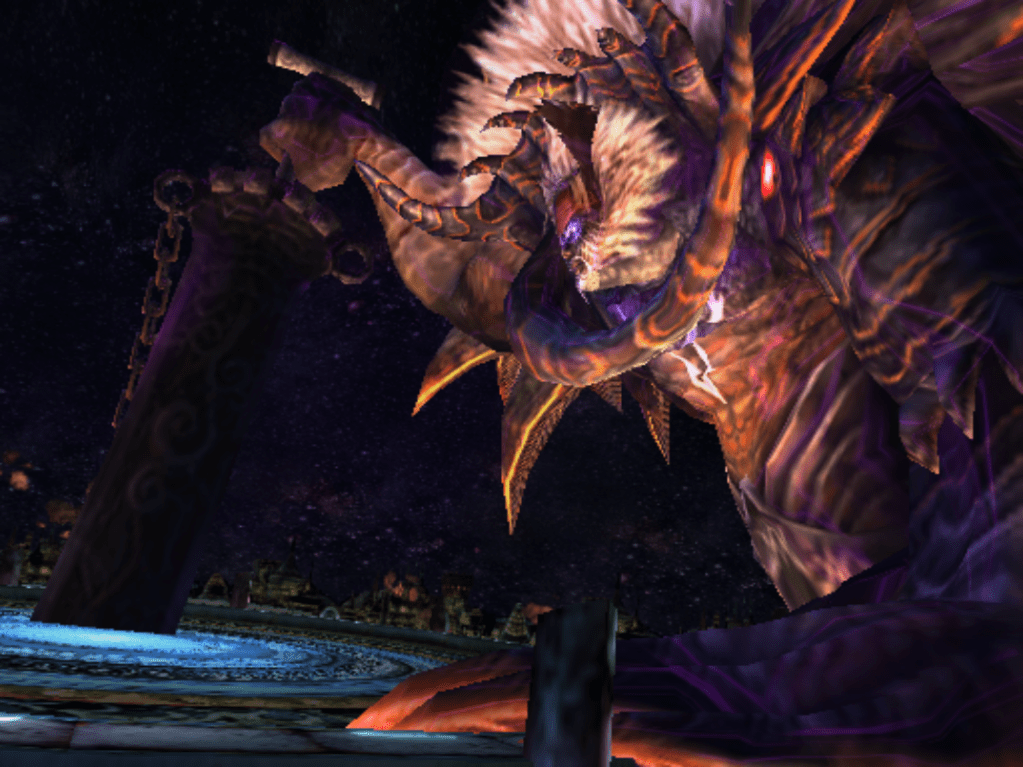
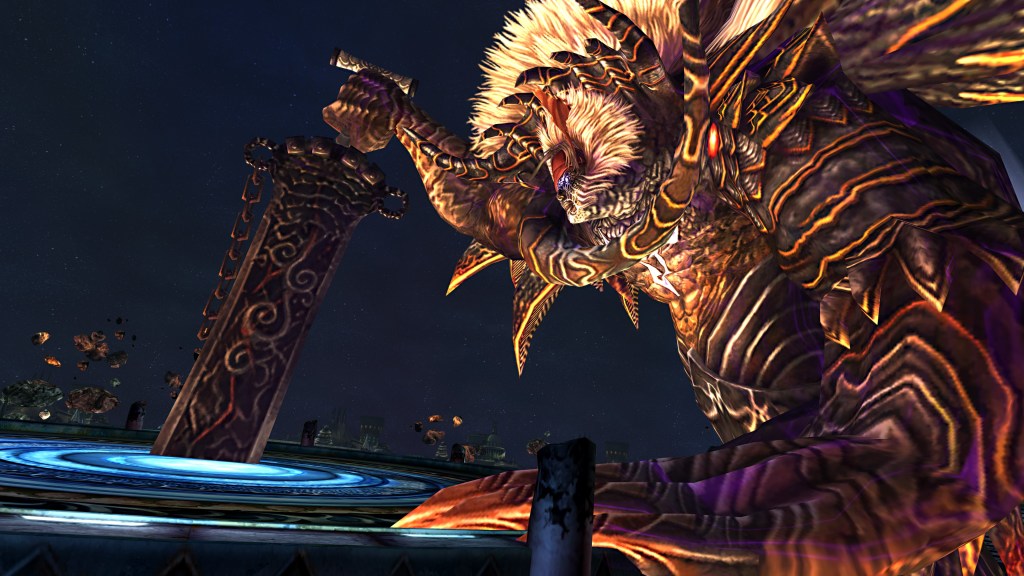
It’s a two-phase battle. The second phase starts when Jecht pulls a giant sword out of his gut. It doesn’t feel like this form is any more difficult than the first one, but he does have a lot more HP and if you have to constantly deal with the pagodas, it becomes a bit of an endurance battle.
That said, almost every time I’ve fought this battle, it’s after some severe leveling up elsewhere in the world. On top of this, the battle doesn’t have the ‘summon banishing’ mechanic that other difficult bosses like Seymour 3 have, so bringing out Anima or Magus Sisters can go a long way here.
Your journey doesn’t stop when Jecht goes down though…
English voice actor report: Gregg Berger does a fantastic job. He sounds like a gruff asshole. That’s how Jecht should sound! However, when it’s time to be a little serious and tender, he pulls that off as well. Fun fact, he voices Eeyore of Winnie the Pooh fame in a lot of media, including Kingdom Hearts. I never would have guessed! A.
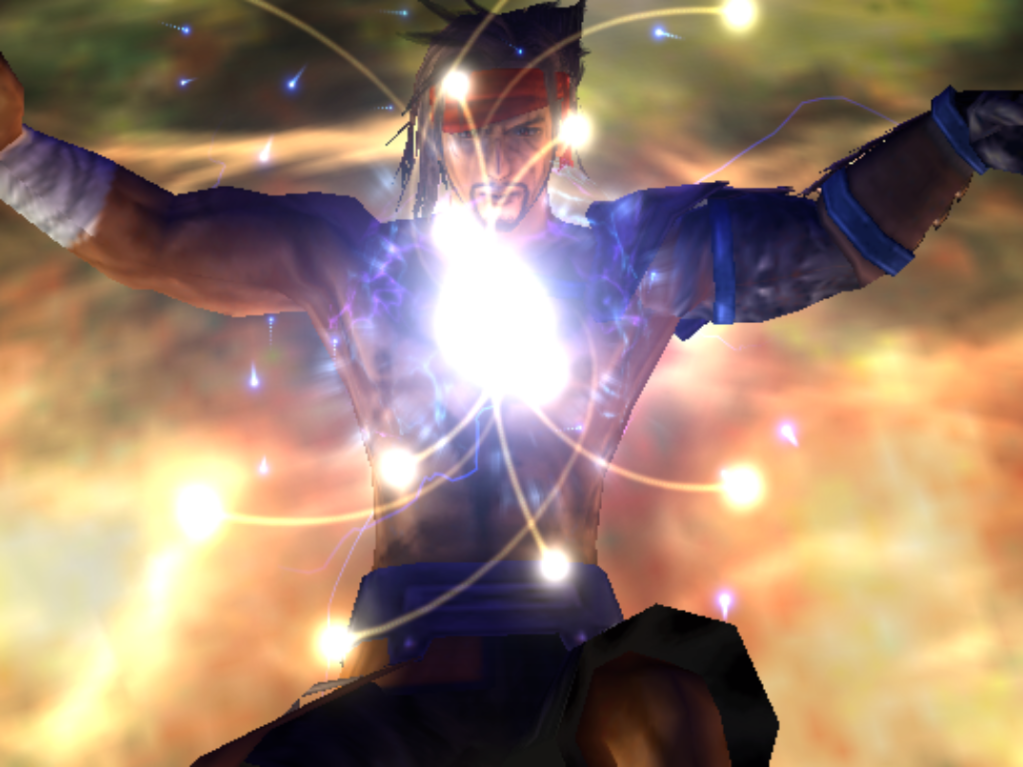
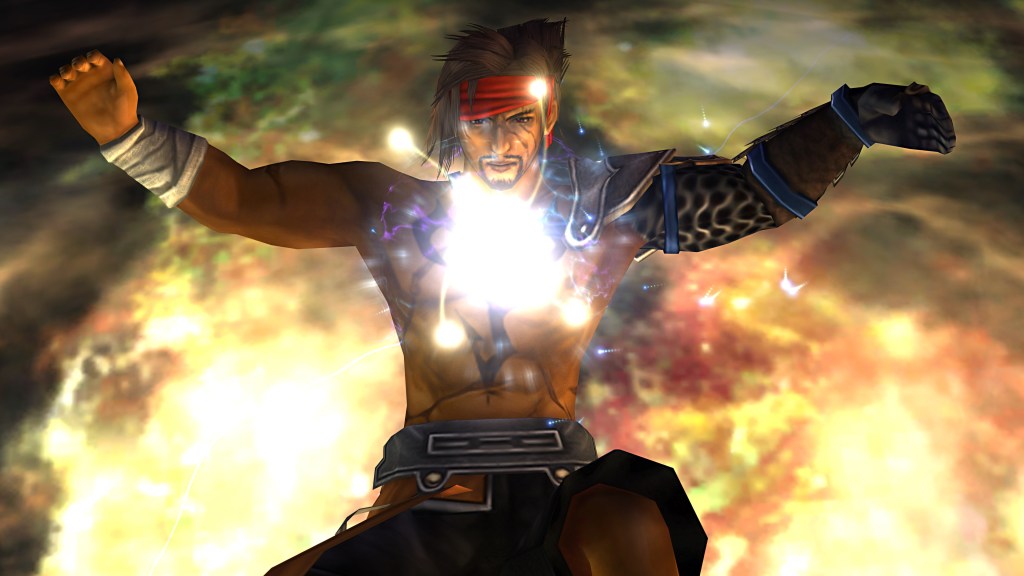
Yu Yevon
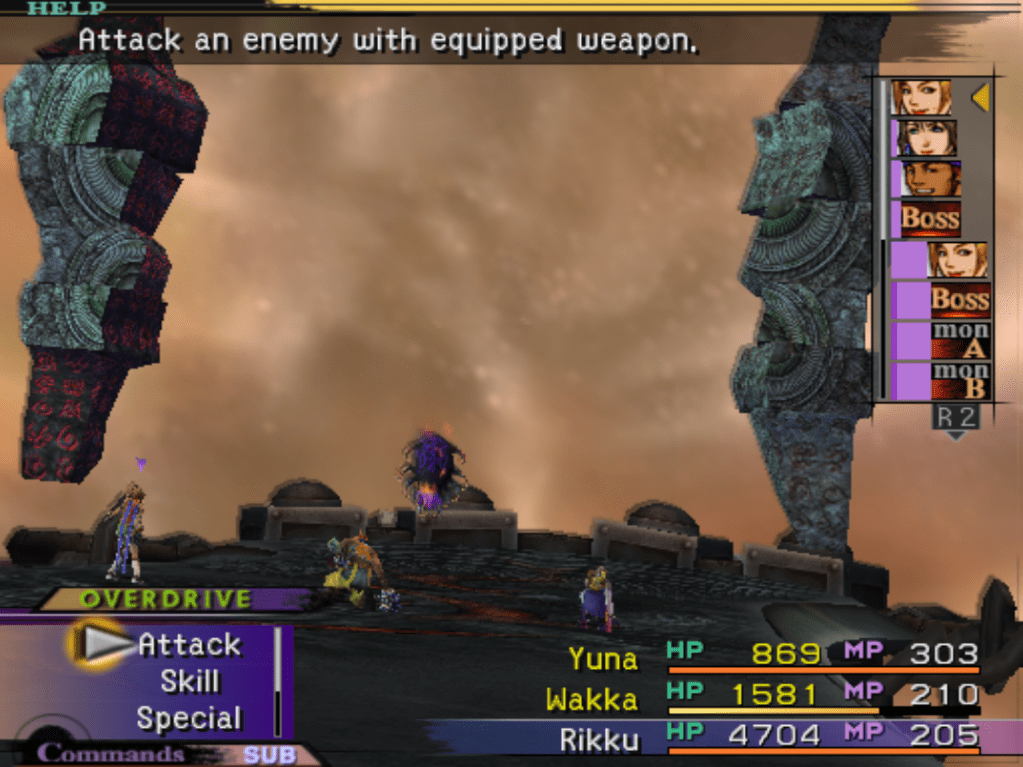

The being inside of Sin and the reason why Sin is immortal. Not a lot is known about Yu Yevon as a character, except for that he came from the long-ago version of Zanarkand.
They say that Sin originated during an ancient war between the city of Bevelle – notably a holy city in modern Spira – and Zanarkand. It was a war where machina was used in great deal and it is said that Sin was summoned as a means to end the war. So I’ve just intuited that Yu Yevon was a powerful summoner who either called Sin on his own or had other summoners aid him in calling forth the beast.
What we know for sure is that Yu Yevon lives inside of Sin and every time Sin is killed by the final aeon, Yu Yevon possesses the aeon and that thing becomes the basis for the new Sin. The transfer of power happens instantly, which I will explain in a moment, but the process of building up the armor that surrounds the aeon takes some time. The period that Yu Yevon is building power is the Calm.
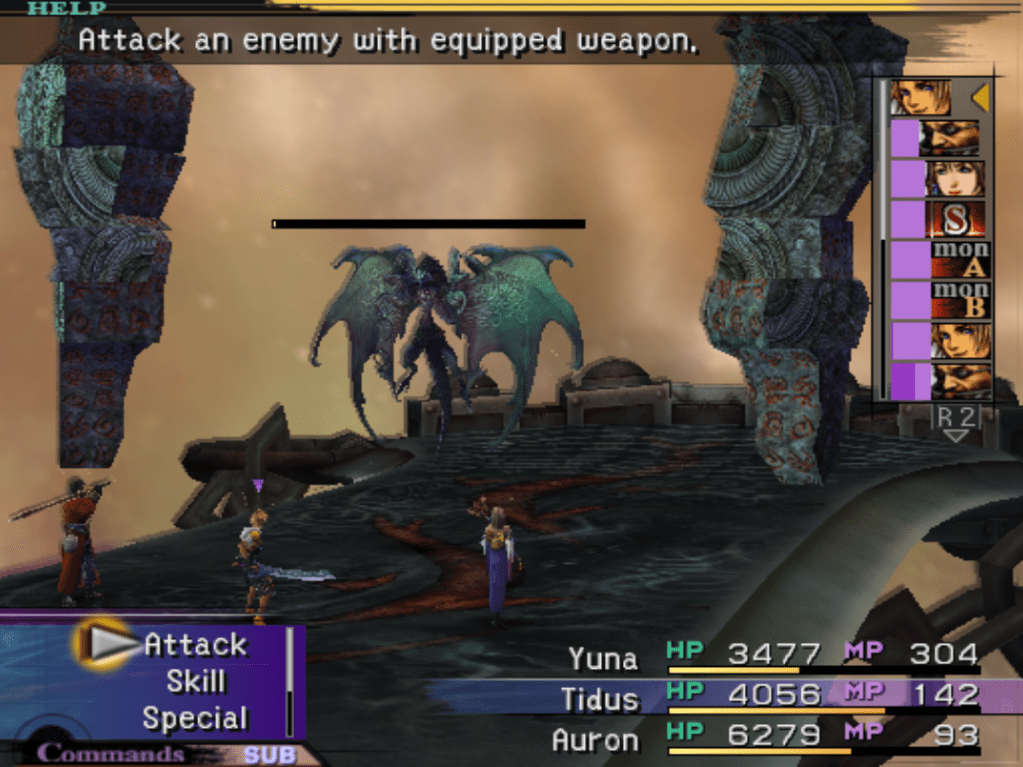
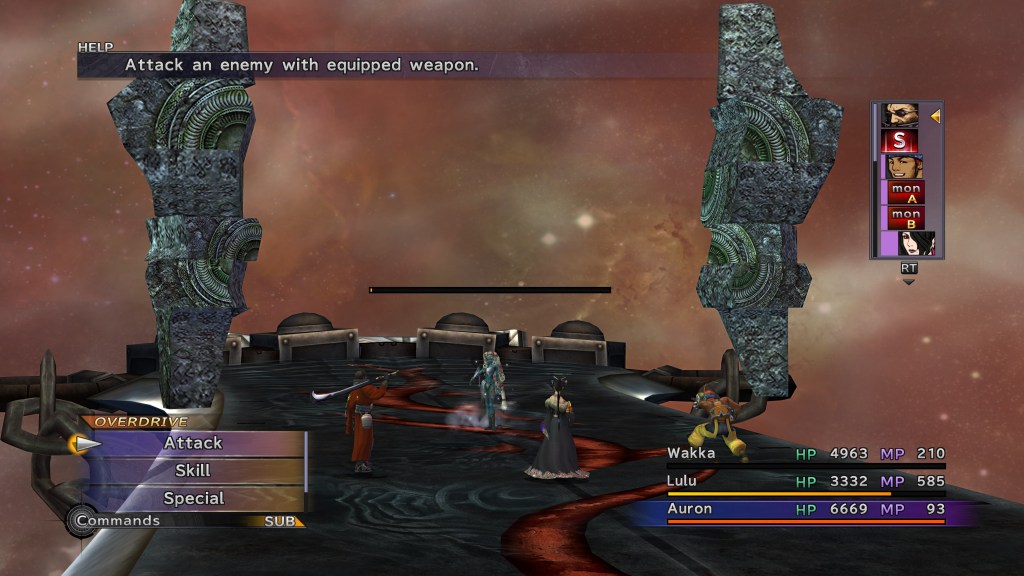
The game never outright states what happens, but instead does a little bit of the ‘gameplay telling the story’ bit that I have expressed much love for in this series. The party is aware of the existence of Yu Yevon during the fight with Jecht, so after Jecht goes down, Yuna starts calling out other Aeons which then immediately get possessed by Yu Yevon.
What this tells us is that the actual process of summoning the final aeon doesn’t kill the summoner. Remember how Seymour’s mother became his final summon?
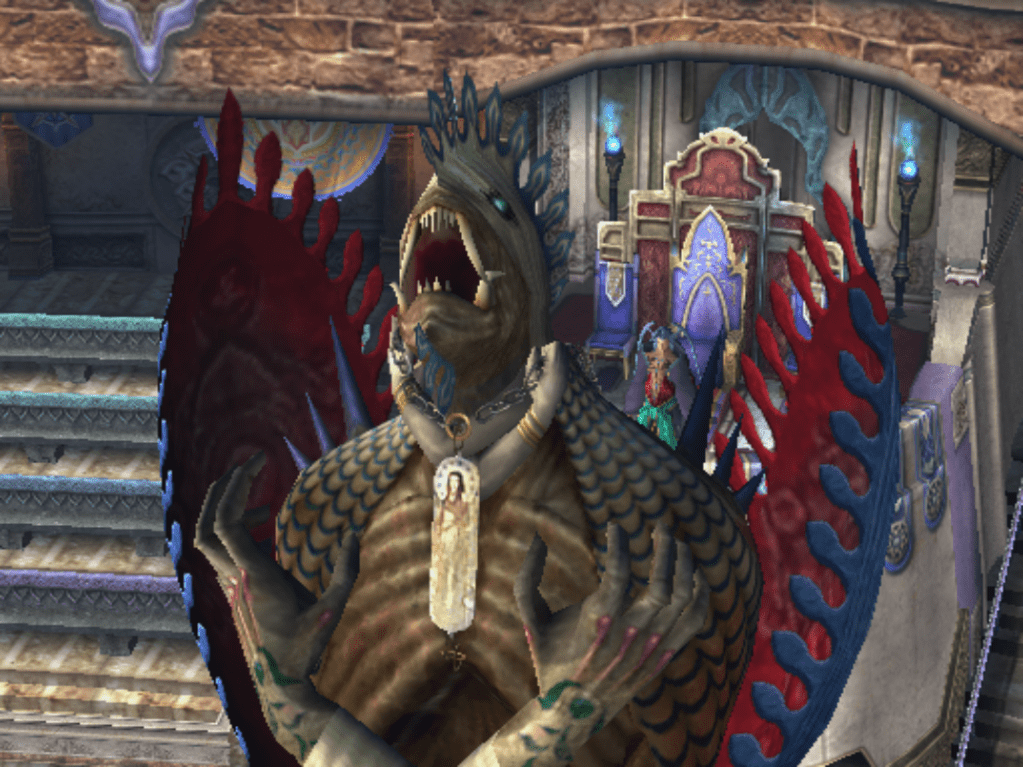

That’s Anima and he was able to summon that without losing his life, so we can intuit that the summoner doesn’t lose their life until the final summon is possessed by Yu Yevon and starts attacking its master. Yunalesca tells the player that their life is over as soon as the final aeon is summoned, but I just don’t buy it. It doesn’t explain Anima.
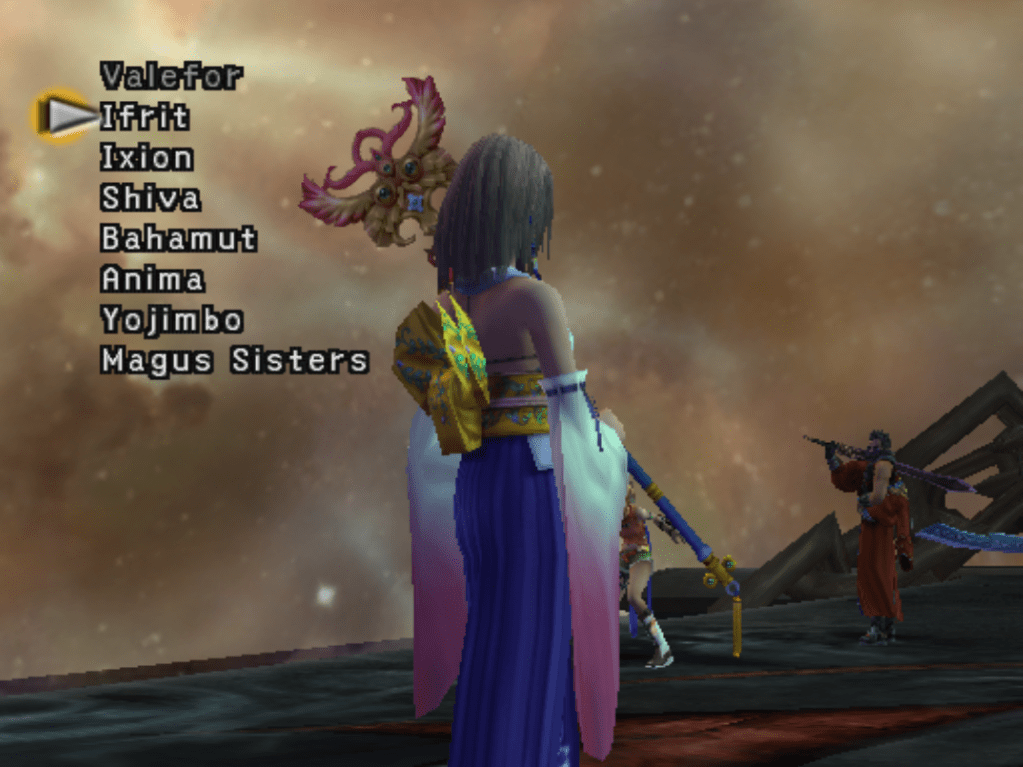
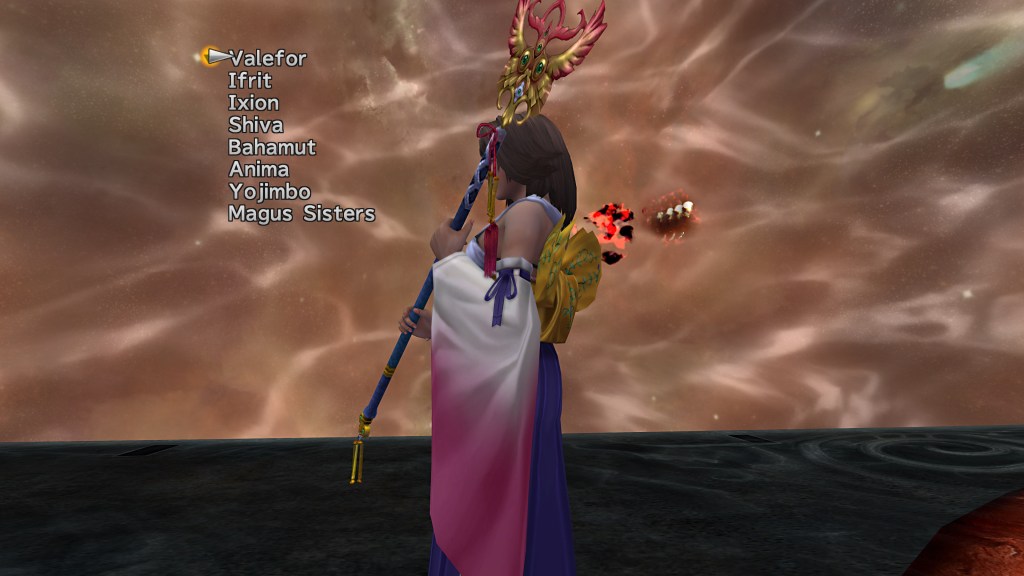
So the final boss fight itself involves calling each of the summons you’ve earned along the way, having Yu Yevon possess them, and then killing the possessed aeon.
It’s an extremely somber battle because you’ve spent probably 40 hours using these creatures and maybe even forming bonds with them in your head, but you’ve gotta slowly kill each one to save the world. Yuna’s face between each battle is extremely pained and adds emotion to the scene, it’s pretty well done.
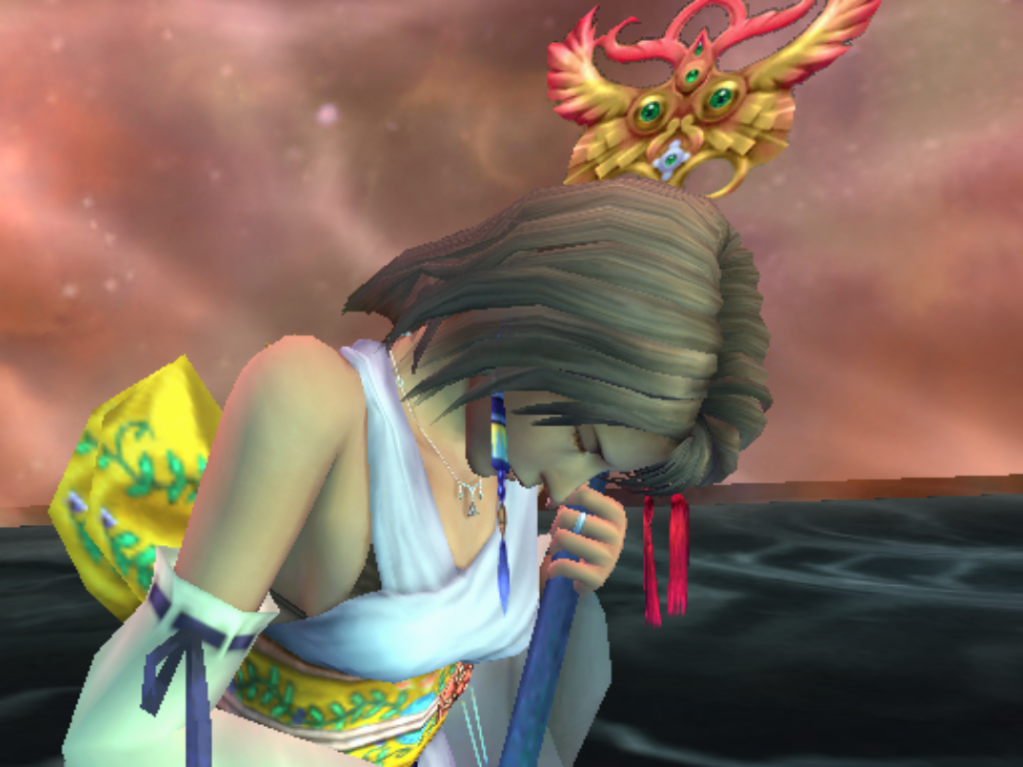

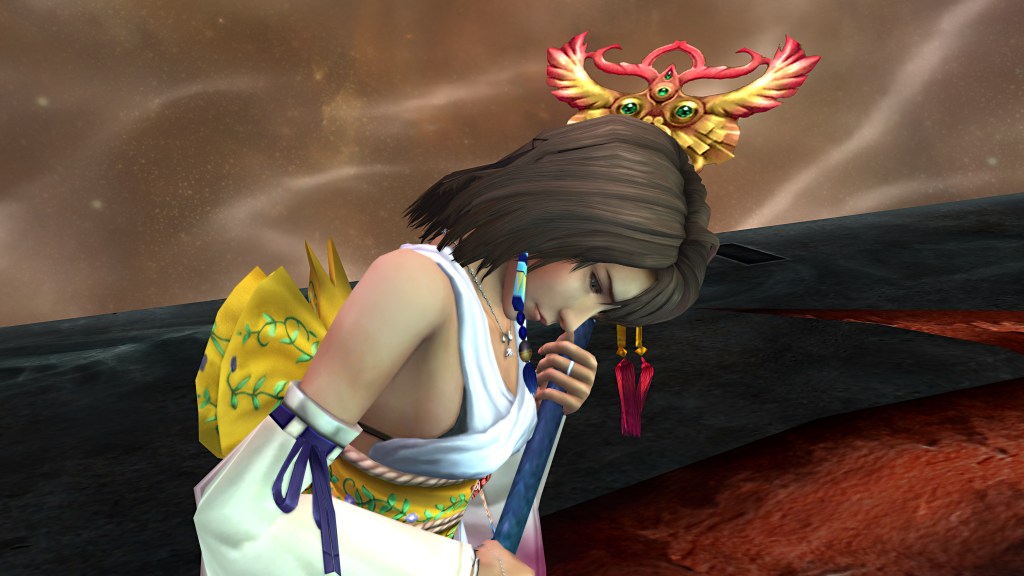
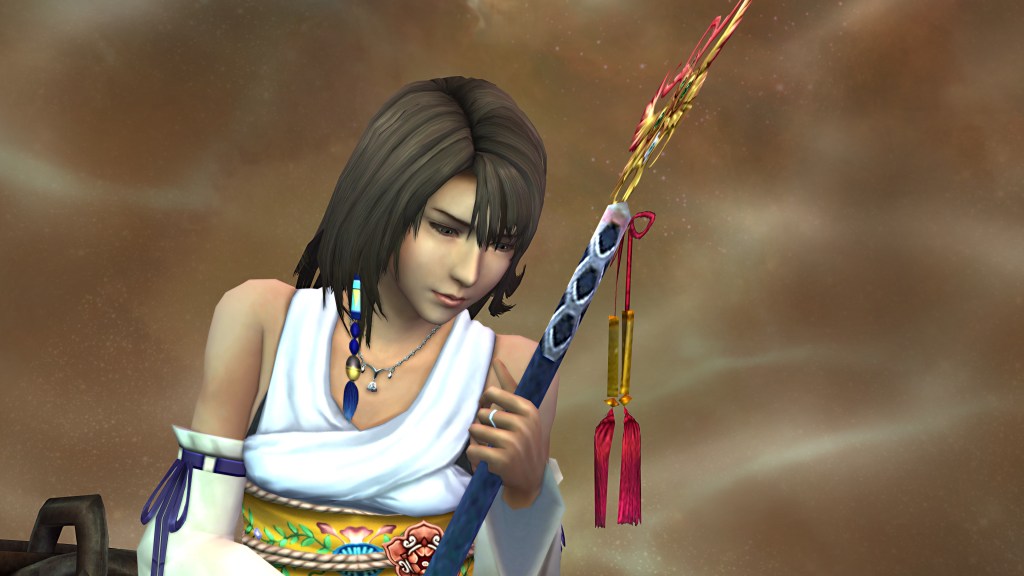
There’s no actual way to die during this fight though. Your entire party is given re-raise before the start of the battle, which instantly revives you if you run out of HP. And the spell just keeps coming back. The only way to lose the battle is if you purposefully ‘stone’ the entire party, which nobody that is playing for the first time will go out of their way to do. I don’t know WHY everyone is gifted with reraise, it’s stated that the fayth that have been dreaming of Tidus are providing extra help through this battle but why wouldn’t they just give you reraise the whole game? Whatever, it’s there.
This effectively turns the last bit of combat into a purely emotional story driven affair. There is no challenge here, the true final boss is Jecht.
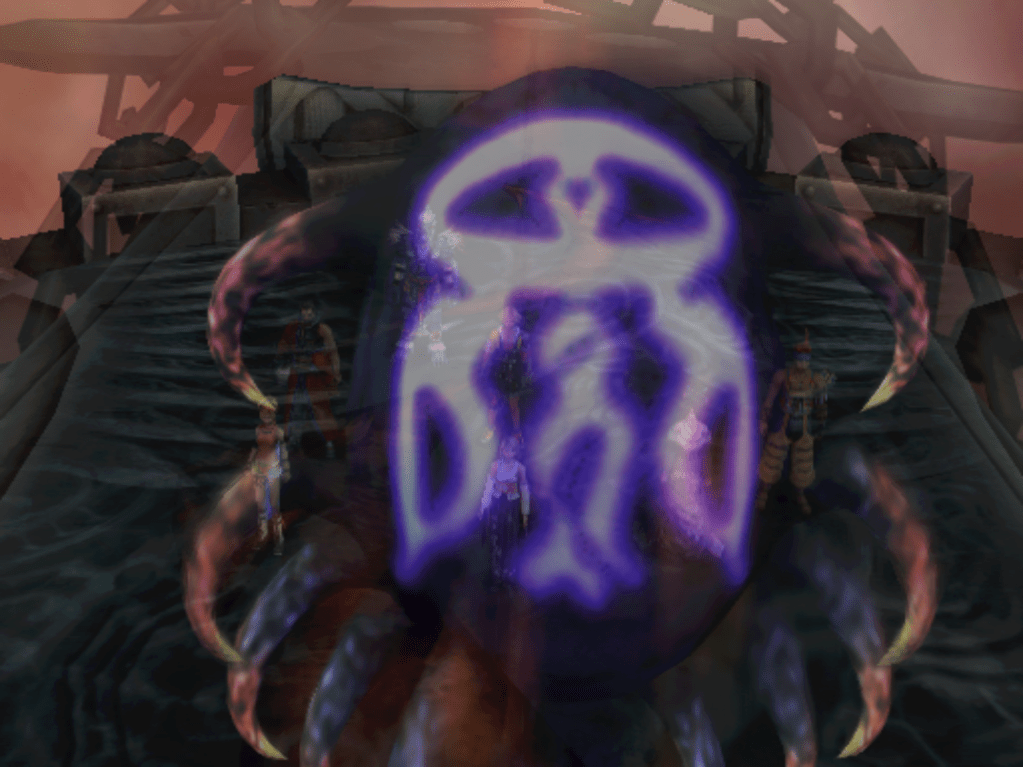

(Note: These are different scenes, but it’s the closest shot I could find of Yu Yevon up close in the remaster. I got real sloppy towards the end of this journey!)
After you finish off the aeons, Yu Yevon has no further beings to possess and thus shows himself for the first time. He takes on the appearance of a parasite, which is pretty fitting I guess, but has no resemblance to anything human. It’s just an existence for clinging onto beings for additional life.
This is a similarly unlosable battle, though every hit causes Yu Yevon to counter with a heal that restores 9,999 HP. So you need to cast reflect or uh…break the damage limit. Notably Yu Yevon has 99,999 HP, so it’s possible to one-hit him if you’re strong enough.
I’ve seen some criticism of Yu Yevon as Necron like and I definitely see where they’re coming from. It’s a being that isn’t even hinted at for a wide portion of the game. However, its existence perfectly explains why Sin keeps coming back and how new beings take up the mantle of Sin. I also like the unique nature of killing your comrades during the final battle, it feels like a suitably depressing ending to a game that closes on a depressing (with a hint of hope) note. Sacrifices actually had to be made to save the world.
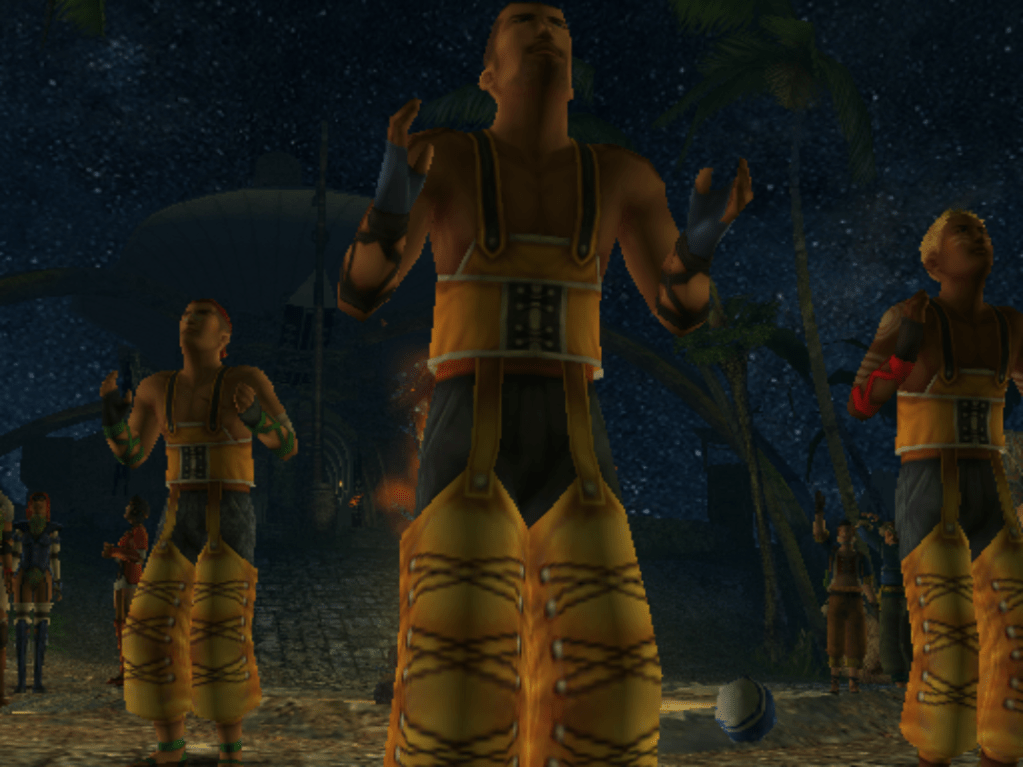
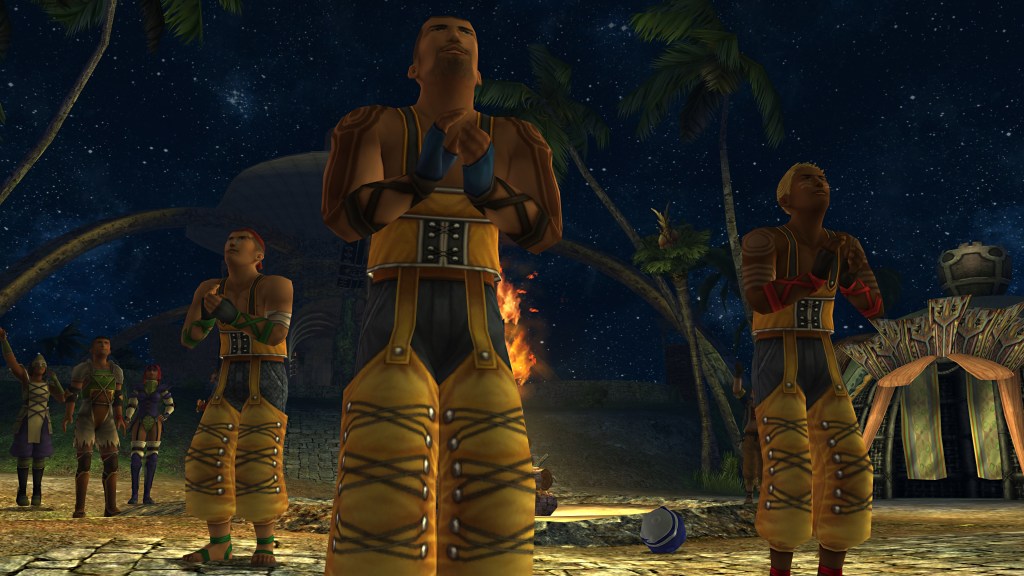
I view this fight as more of an epilogue than a true final boss battle. To each their own, but I guess that’s how I rationalize Yu Yevon bothering me less than Necron.
Aeons are brought back in the sequel. There isn’t really any explanation as to why they’re back, they just kinda show up as boss battles. I really enjoy X-2, but the aeons coming back is one thing I wish they would have held back on. I think saying farewell to them permanently was a pretty important part of Yuna’s character and bringing them back with no explanation really just feels strange. But that is a topic for another day.
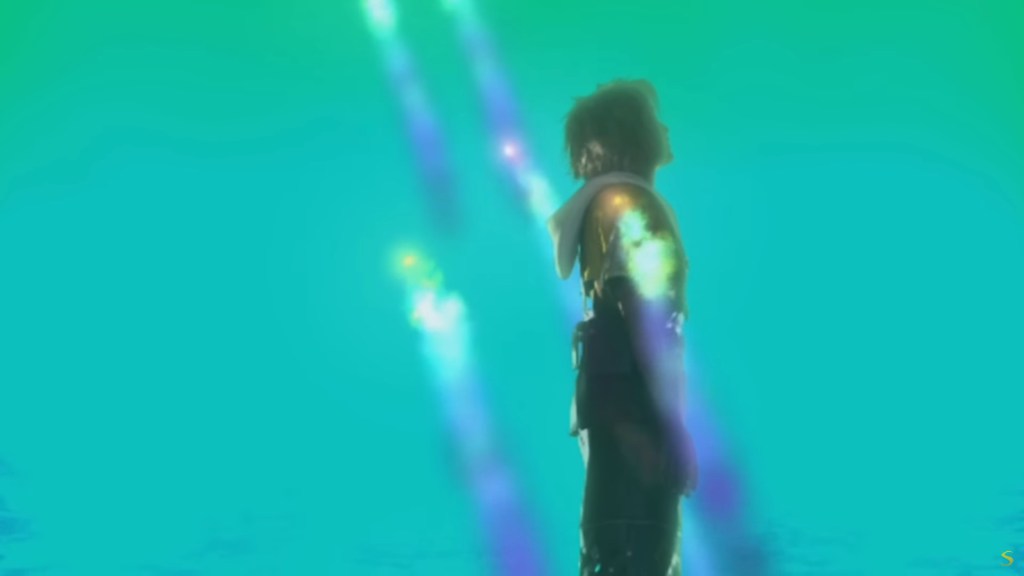
(Thanks again Shirrako)
In conclusion
Final Fantasy X is a bit of a statement game. This is the first title of the franchise to appear on more advanced hardware and Square takes every opportunity to pound in the Final Fantasy tradition of shaking things up.
Graphically, the game is unreal to look at when compared to the previous generation of titles. From a story telling perspective, character voices and facial acting have helped this narrative feel more alive and from a gameplay perspective, ditching the ATB meter and traditional experience points feels like a totally fresh start.
While some of the new features, such as voice acting, required some ironing out, it’s hard to think of this game as anything other than a success. The characters are enduring and memorable and the battles are the most intense and strategic the franchise has seen since Tactics and V.
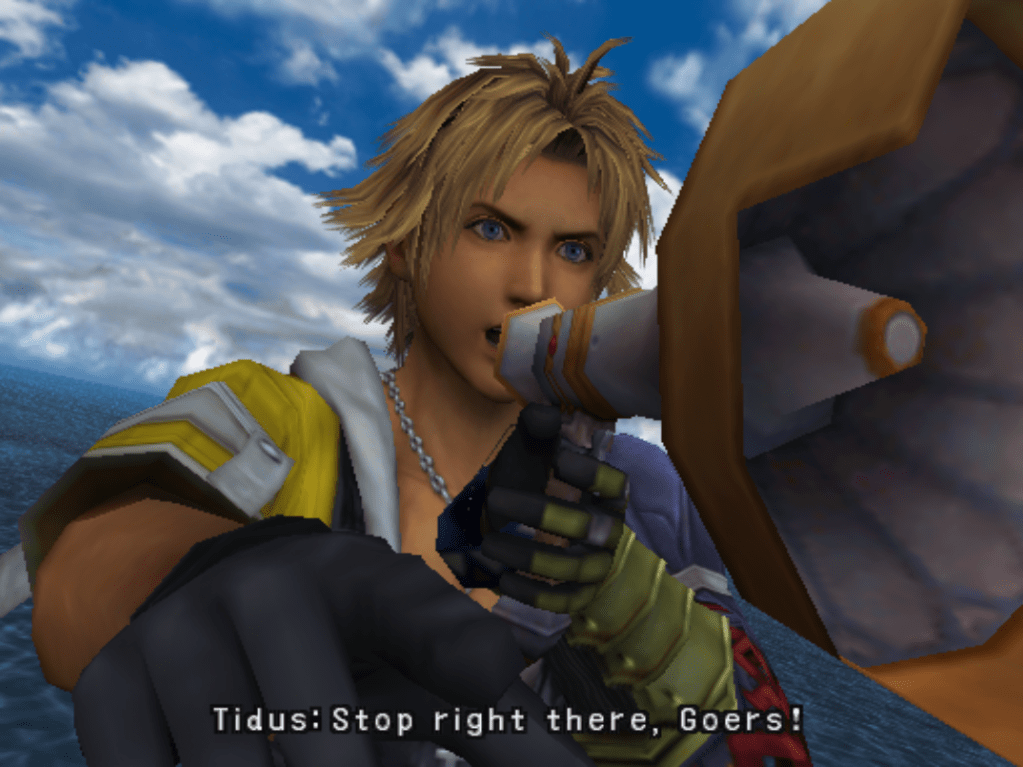
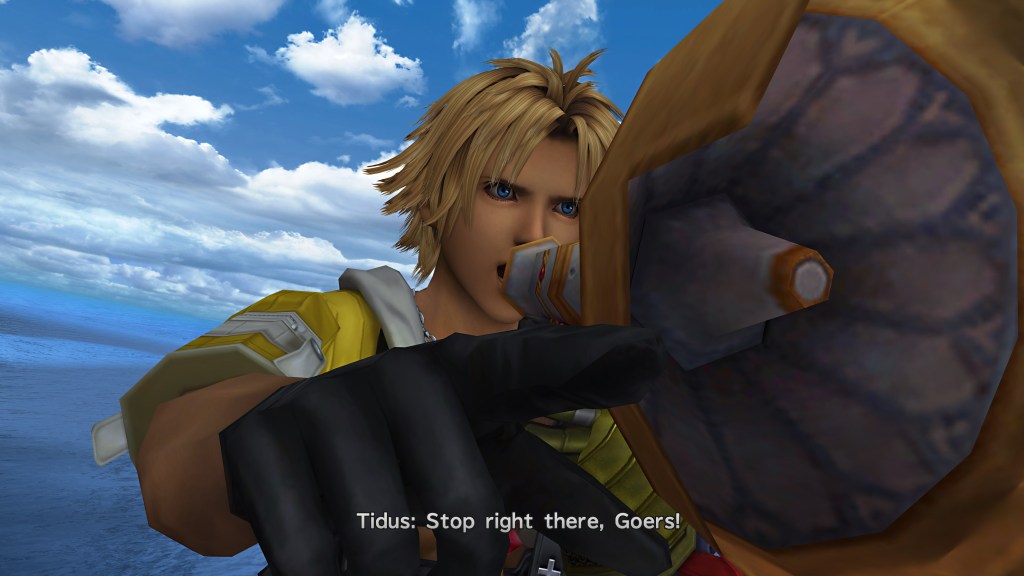
The amount someone will enjoy this game depends purely on how tolerant they are of linearity. If someone comes into Final Fantasy X hoping to craft their own unique adventure or to tackle scenarios in unique ways, they probably will come away disappointed. X feels like a game meant to be played in a specific way and in a specific order. They have crafted an experience for you and it’s up to the player to determine whether that works for them or not.
As someone who enjoys crafted experiences like this, Final Fantasy X is a home run. I will not deny that I am incredibly biased towards this game, but even still, even thinking as hard as I can, there really isn’t anything I would change about it. I even love the inconsistent English voicework. It’s a game that came out at the right place and the right time for me.
My score: 5/5
Game rankings to this point
1: Tactics
2: X
3: VII
4: V
5: VI
6: VIII
7: IV
8: IX
9: III
10: I
11: II
12: Mystic Quest
Up next
(Eventually) Wait, these aren’t single player anymore?
But first…
And also…

What can I do for you?
 Vidya Thoughts
Leave a comment