
- Background information
- Narrative focused discussion
- Gameplay focused discussion
- Job breakdown
- Notable characters
- In conclusion
Hidden treasure
When I finally got my Playstation in the year 2000, there was a sort of buzz around Final Fantasy Tactics. Yes, Final Fantasy VII got all the awards and accolades, but those in the know were aware of something even greater. It just so happened that this game was also really hard to find.
Every single time I’d be in an electronics store, I would hound the Playstation section hoping to discover gold. For whatever reason, it seems like Tactics had an extremely limited print run and basically nobody could find it. The ‘aura’ of this game reminds me what Sonic CD once had. Because it was the hardest title to play it also was conveniently the best one. Are they wrong? Have YOU played it?
I never got to play it until a greatest hits version of the title was released in 2001. At that point, Tactics was something of a white whale for me. The world might have moved on to the Playstation 2, but I had just gotten my Playstation in 2000. I needed to catch up with all the great games I missed. Tactics was number one on that list and Xenogears was number two.


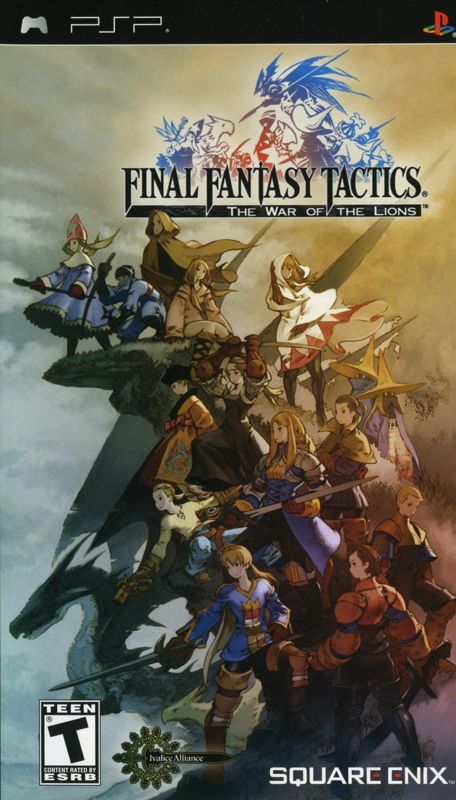
I somehow found both of these titles at a store in Arkansas called Hastings. Here’s my Tactics copy! A little dinged up on the case but still looks mostly fine.
This little place is also where I randomly found God Hand for sale, so it was something of a good luck charm for finding those ‘hidden gem’ style games back then. Of course, since the march of time is cruel, the store is now closed. Now I just have to find all my hidden gems at used game stores that sell them for like $200 a pop. Bah!
Xenogears absolutely lived up to the hype I’d heard over the years. It’s currently one of my favorite games ever. But what about Tactics? Was the hype worth it? Was it the secret best entry in the franchise?

Dessert
For people who were paying attention, Final Fantasy Tactics released in Japan on June 20, 1997 and North America on January 28, 1998. About five months after the launch of FFVII for Japanese players and four months for North American players. Essentially just enough of a difference where players of VII might be feeling the itch for more content.
Despite the fortuitous timing, the making of Final Fantasy Tactics was not an overnight attempt to keep the hype train rolling from Final Fantasy VII.
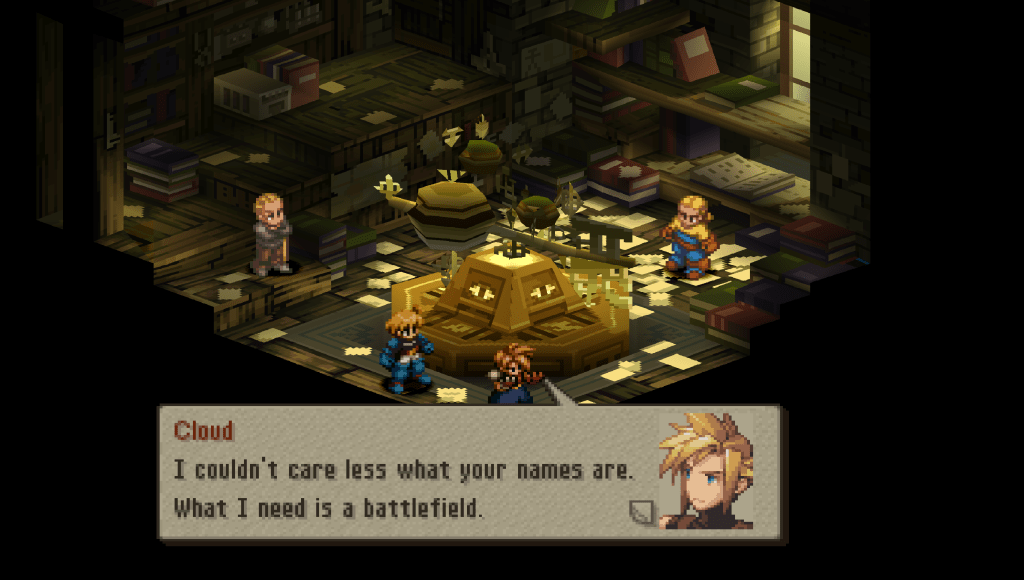
In fact, the concept for Final Fantasy Tactics goes back to before the release of even Final Fantasy VI. Series creator and (at the time of the release of Tactics) Series Producer Hironobu Sakaguchi told Famitsu in a 1997 interview that he wanted to make a game like Tactics for a long time.
“The title ‘Final Fantasy Tactics’ was actually something I thought up four years ago. We even took out a trademark on the name. I’m a strategy game fan myself, and I had been thinking about what Final Fantasy would look like as a strategy game. I’m the type of person who comes up with a name first, so nothing much else had been concretely set down, but there was a ‘“’Final Fantasy Tactics’ design document that I had made then,” Sakaguchi said. “Unfortunately I was caught up in the development of the main FF series—so my plans for FFT remained unrealized. But it is true that the kernel of the development goes back 4 years, to 1993.”
FF Tactics would go on to be a grid-based tactical RPG, a genre that isn’t exactly new. For instance, the long running Nintendo RPG series Fire Emblem uses such a style. But more on point, there was a competitor to the Final Fantasy franchise at the time was a series called Ogre Battle by Quest Corporation. While the original title, Ogre Battle: The March of the Black Queen, isn’t quite a grid-based tactical title, the sequel is. If you’ve played 2024’s Unicorn Overlord, the gameplay of March of the Black Queen is a little bit like that.
Tactics Ogre: Let Us Cling Together is seen as one of the most revolutionary and important games on the Super Famicom. It places a heavy emphasis on dialogue, player choice and world lore to deliver a pretty complex bit of video game storytelling.
The director of those games, Yasumi Matsuno, would leave Quest to join SquareSoft in 1995 and would immediately be put in charge of Square’s take on the tactical role playing genre. While this may feel like a case of Square headhunting competition, Matsuno said his movement to Square was pioneered by ambition.
“As a child in elementary school, I looked up to people like Shigeru Miyamoto, Yuji Horii, and Hironobu Sakaguchi. I wanted to be like him! I’d always had that dream,” Matsuno said. “Then, after finishing my previous game Tactics Ogre and leaving Quest, I was talking with some acquaintances and trying to figure out my next move when I saw a job advertisement for a position at Square. I decided I’d go and take their entrance test.”
The Tactics director would go on to say that making a tactical RPG set in the world of Final Fantasy had been a longtime dream of his. When he came into the company and saw the (only 5-or-6 pages) design document for Tactics he immediately asked to take charge on that product and the rest is history.
FF: Tactics would be the first spinoff title designed to be released for a Japanese audience. Mystic Quest did receive a Japanese release, but that was designed to be a North American game first and foremost.
Hard to parse
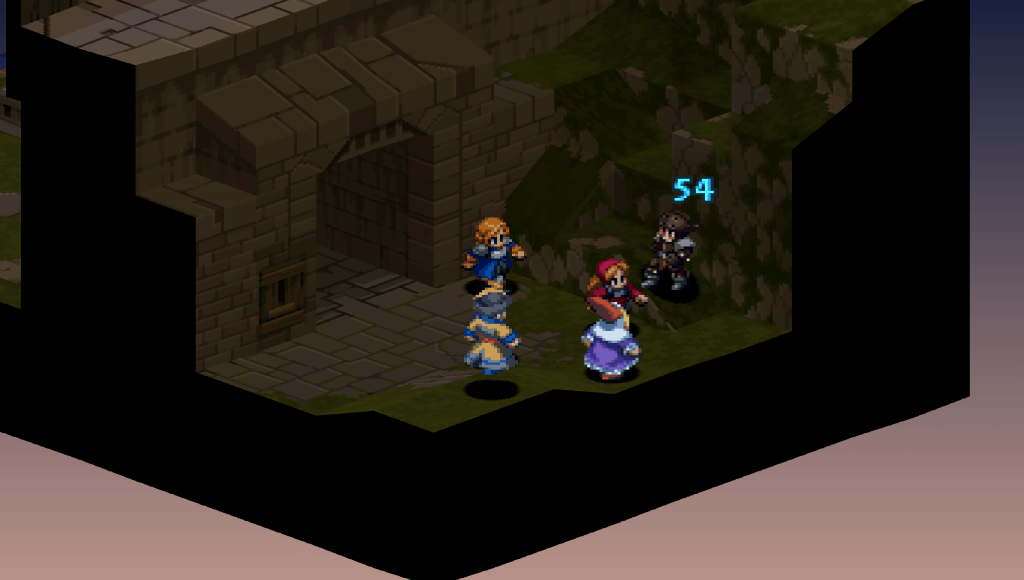
Speaking of North America, the original translation of the game is notoriously butchered. I don’t think it’s that far off of the similar mess that is FFVII’s localization, but Tactics has a plot that requires a lot more communicating of character motives and world history and not having that properly portrayed hurts the narrative experience a lot more than VII’s translation hurt it. I think a fair deal of people who played Tactics on PS1 have no idea what the plot actually is.
The game was retranslated for the Playstation Portable in 2007, now being called Final Fantasy Tactics: War of the Lions. The retranslation uses a faux-Elizabethan style prose. It can come across as overly flowery at times, but it definitely gets the point across better than the original game did.
One downside is that I think a lot of the characters end up sounding alike when using this style of writing – everybody has a cutting wit for instance – but I don’t think it’s so bad that I’d start confusing who said what.
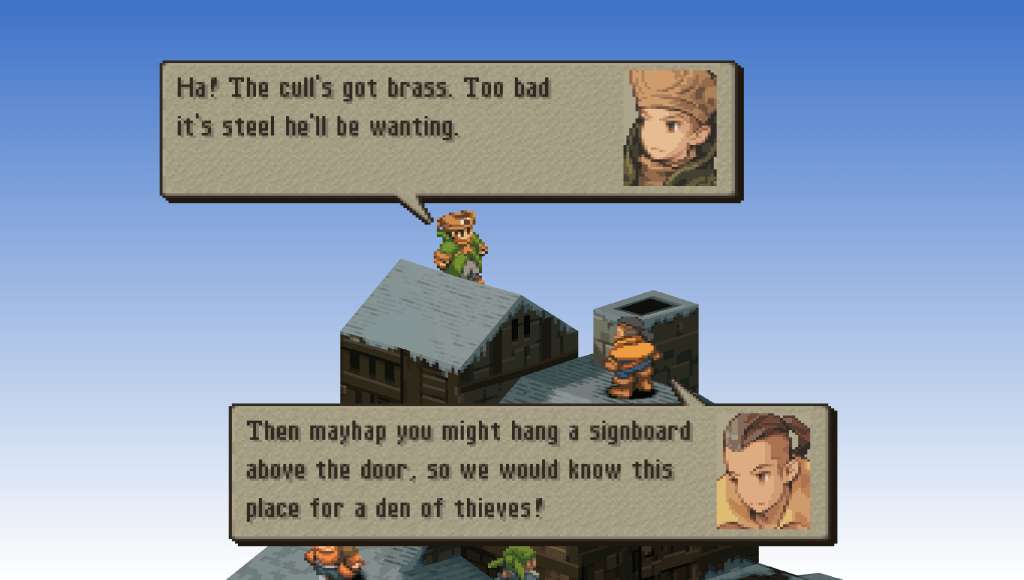
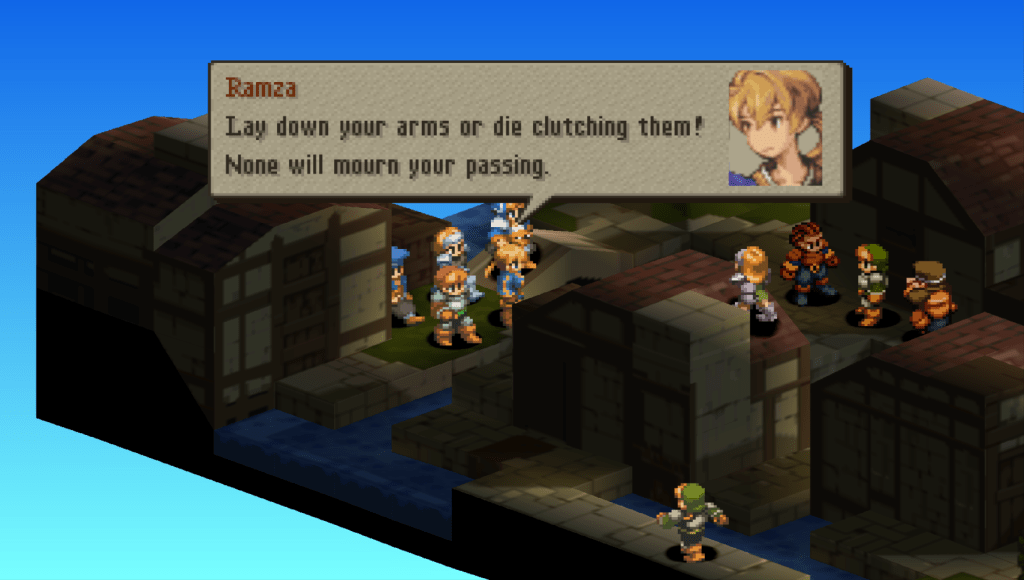
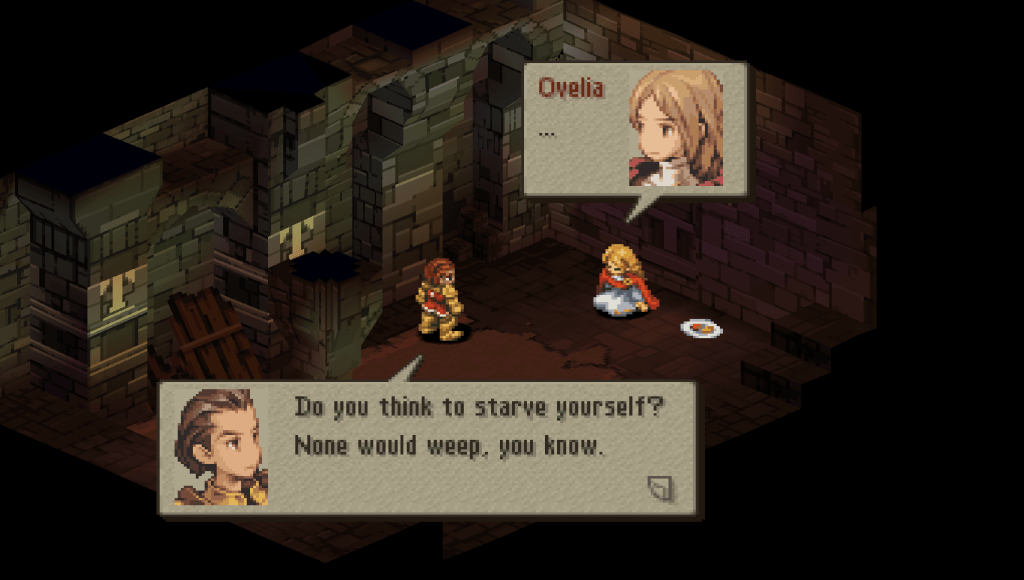
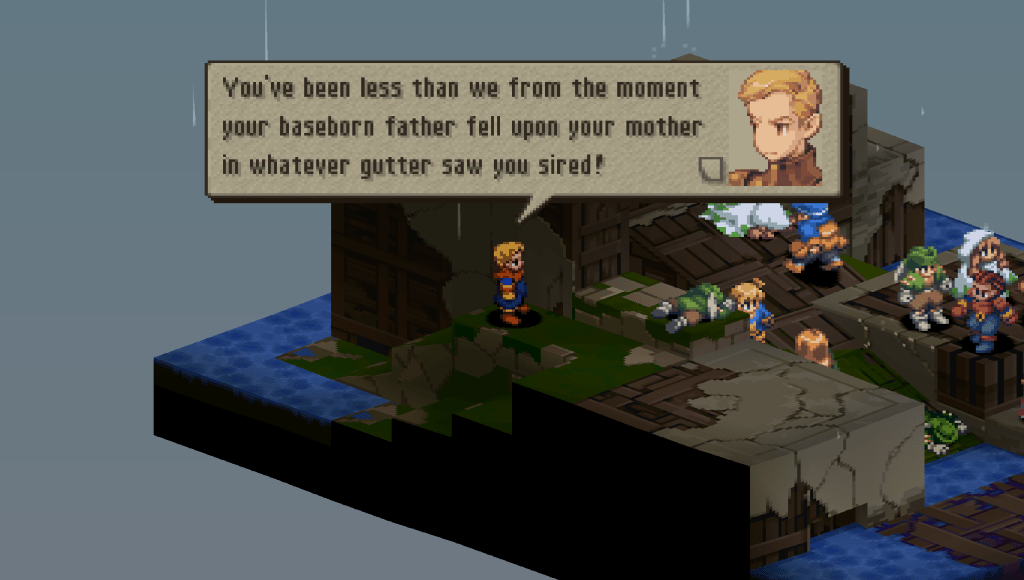
For the longest time, I vastly preferred the original translation. Upon replay, I decided this feeling was rooted in nostalgia. The localization effort to make it sound more like classic fantasy fits the world of tactics far better than the utter nonsense the original delivers. My favorite line in the entire game “Tough, don’t blame us. Blame yourself or God” got changed between the two versions, but there are so many ‘fierce’ lines in the new translation that it almost doesn’t even matter.
I would say the average person should play both. Try PS1 Tactics and then wait a couple of years and try War of the Lions. See which one you prefer and don’t let anyone tell you not to bother playing one or the other. Form your own thoughts!
The big downside to War of the Lions, at least the PSP version, is that there is a huge bit of slowdown after you use certain moves. It’s extremely noticeable and makes playing the game on PSP or Vita a tall order. However, there is an easily accessible fan-patch that removes this problem, which makes the game far easier to handle.
For this playthrough, I used War of the Lions with this very patch. I imagine when Tactics inevitably gets remastered or remade it will probably also use that translation. Let’s hope that they get rid of that slowdown too, eh?
Familiar yet new territory
Graphically speaking, to some, this might seem like a bit of a step back. I think this could be why supplies were a little more limited for this title than Final Fantasy VII. We were entering a full-fledged 3D era and VII was the posterboy for what that era looked like.
It had a vast sprawling world with revolutionary graphics and looked like a millions bucks. Tactics on the other hand uses 2D sprites with 3D backdrops and has a more ‘level-based’ world map. It doesn’t feel as much like there are endless things to discover. It didn’t have the same mass market ‘aesthetic’ that VII had so it wasn’t pushed as that sort of game.
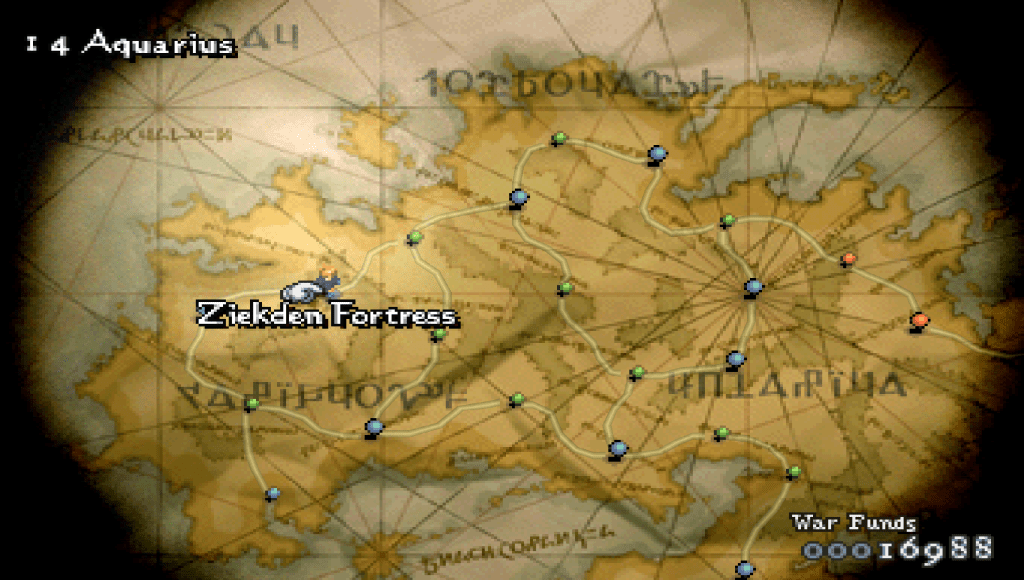

Personally, I adore the way this game looks. I think the combination of 2D sprites with 3D backgrounds is a really striking aesthetic. A trend in gaming lately is remaking 8 and 16 bit titles in a style known as 2D-HD. This style was introduced to the world at large in Octopath Traveler and I think the principles behind it are basically the same as what you see in FF Tactics. More simplistic sprites surrounded by more complex environments. Xenogears and countless other PS1 RPGs use this pretty effectively too.
So it’s weird to go from a game where graphics are at the heart of storytelling to another one where they don’t really matter as much. But that doesn’t make Tactics less effective at telling a deep and complicated story, it just approaches it from a different angle.

Grand scale
The core of the narrative of Final Fantasy Tactics is to show the heroics of one person that was erased from history. The lead character, Ramza, had been labeled a heretic, so his name was wiped from the books. The one guy who tried to spread his gospel was burned at the stake.
It also shows the rise of his good friend who the history books anoint as a true hero, Delita. Outside of these two characters and a couple of the major antagonists, you don’t delve too much into individual personalities or motivations. Instead you look into group goals.
All of these groups have a clear hierarchy but I found myself less interested in singular characters this go-around. There’s just so much ground to cover that it’s hard to focus on individuals it’s much easier to look at (for instance) the church as one nebulous villain. They keep sending more high-tiered church people at you and you must cut them down. Some people are clued in to some dark stuff going on in the background and some aren’t. It’s complex.

It all feels really grand in scope, something that has a whole bible out there showing how characters and factions are related and interact with each other. It’s extremely deep for a 1990s console RPG and should be commended for it. A Final Fantasy title hasn’t had a narrative anywhere near this complex before.
To get the most out of the tale Tactics tries to spin, you need to do a fair bit of reading. You need to look over character profiles and rumors at taverns to learn background information that helps tell the story. One of the central characters to the overall plot to the game is a young prince that is aged like 2 or 3 and his mother who would do most anything to see him anointed as king.

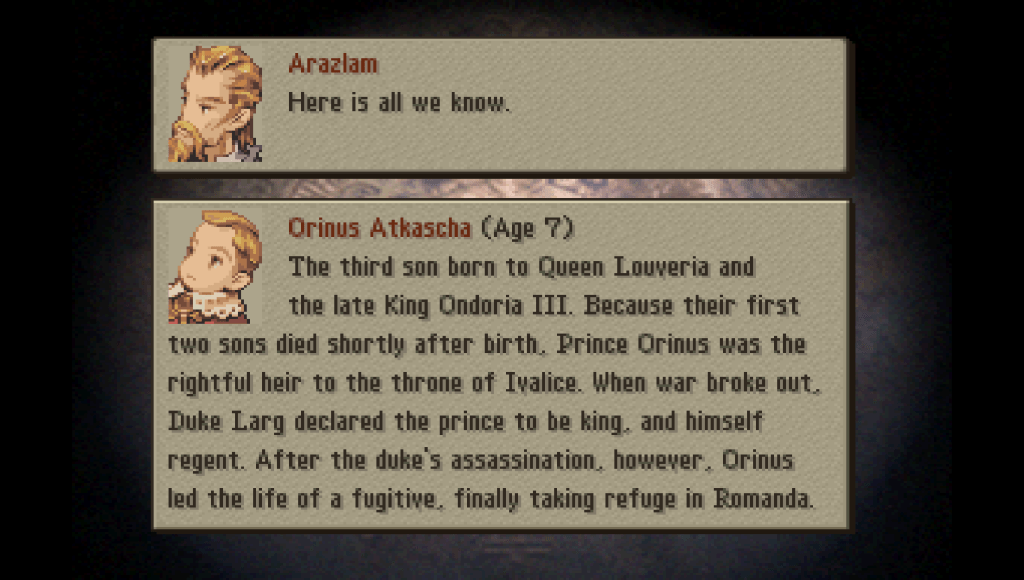
These two characters don’t have a single line of dialogue in the game but do have character bios and portraits. You don’t need to know who they are to follow the plot, but taking an extra second to read a few things can help the player feel more immersed.
The simplest way to approach the narrative is to look at people in groups, but if you truly wish to dig, you can find info on anybody. The only reason I know anything about the crown prince is because I dug for it. You get out of this game what you put into it.
In a modern lens, I don’t necessarily love having to dig through the background to find out more about the story. Souls games are pretty famous for being vague up front but detailed when the player goes hunting for information. I don’t usually go spelunking into item descriptions to find out lore though, so I usually don’t have any idea what I’m truly fighting for.
I prefer the way Tactics handles it. You have a story that you can follow but if you want more details on the state of the world, they are easily accessible.
Real politicks
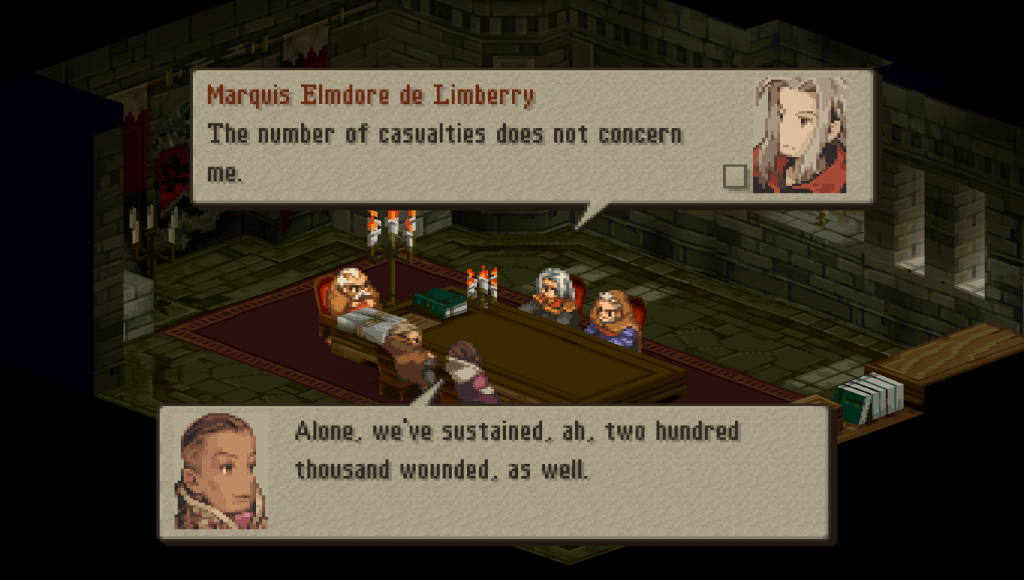
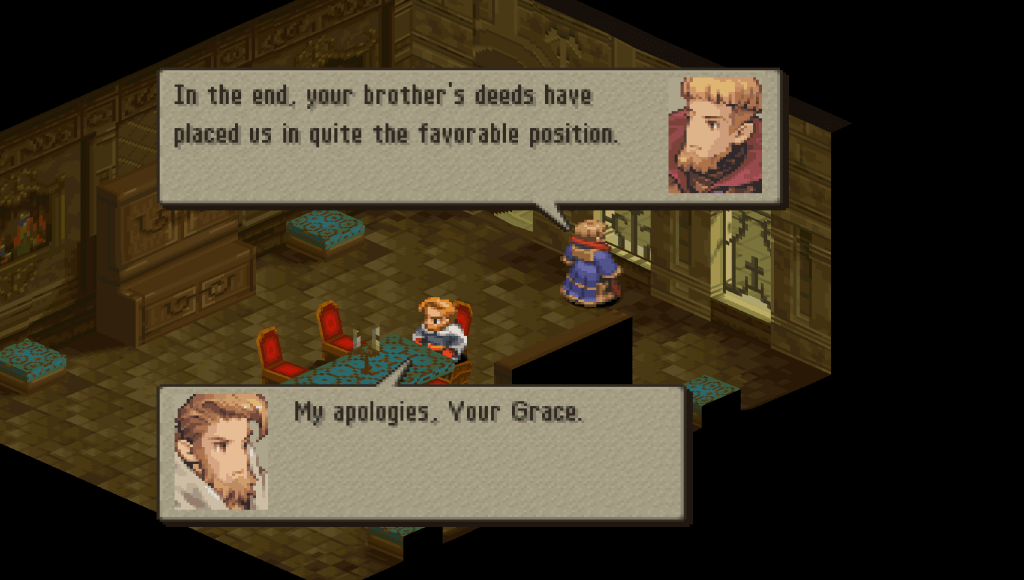
The story delves deep into the politics of the world. It talks at length about class disparity and inequality. The main conflict of the game sees the church trying to bend two factions against each other in order to force their will on the people of Ivalice, the game’s country.
Ivalice is a land coming out of a period called the 50-year war that sees a lot of its populace starving and unable to make a living. L I T T L E M O N E Y as the original translation so laboriously points out.
The constant plotting and politicking are definitely the most interesting parts of Tactic’s narrative. I think the writing is solid enough to make each of the game’s three main factions – the Order of the Southern Sky, the Order of the Northern Sky and the Church of Glabados – have comprehensible motivations. It might feel convoluted at times, especially in the church’s case, but you get it.
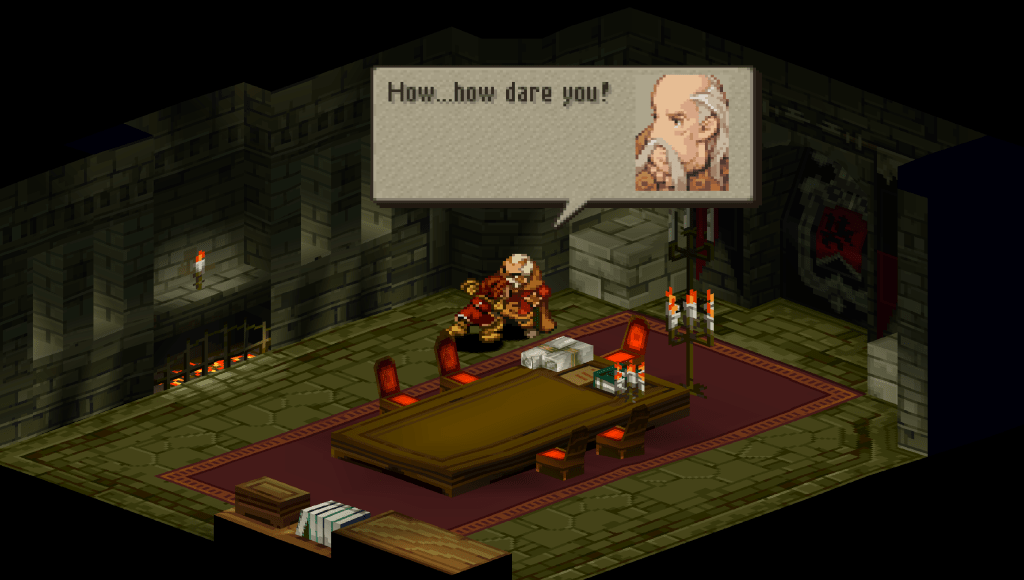
Having light shades of gray in a narrative may not seem like a big deal, but stories in Final Fantasy games haven’t exactly been the most nuanced up to this point. The evil empires are always straight up evil and the outcast rebellious group is always good. So having factions of evil characters and being able to see where they’re coming from is a step forward.
I do say light shades of gray because the church is very clearly supposed to be the bad guys here. This is in part due to more fantastical elements being introduced into the narrative.
I think I prefer the story before it does this. About halfway through the game, the church starts making use of devices known as zodiac stones in order to turn into deadly demons known as Lucavi. These are hands down the most difficult fights in the game, which is consistent with how they are portrayed in the story, but I also think bringing them in makes things less interesting.
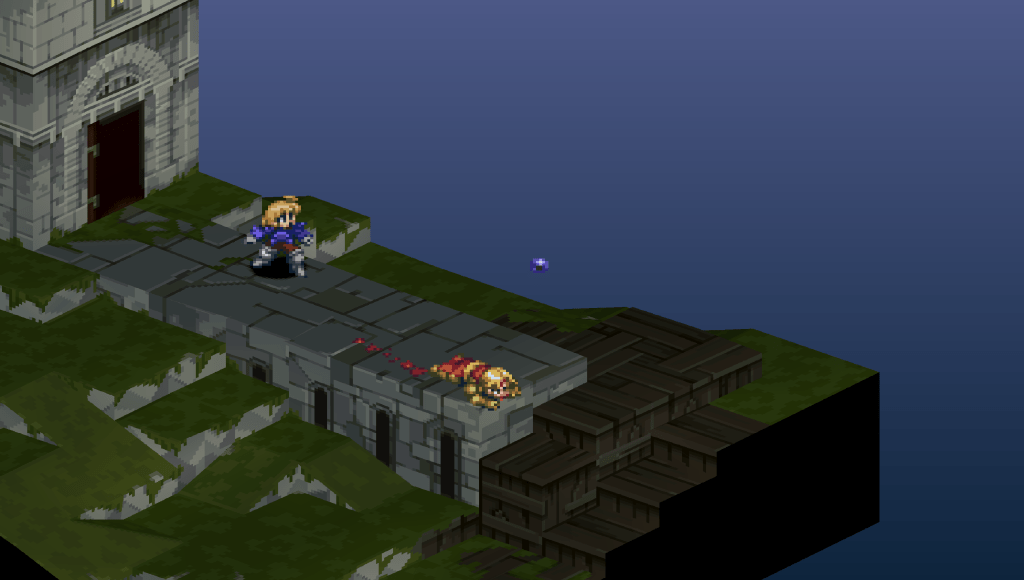

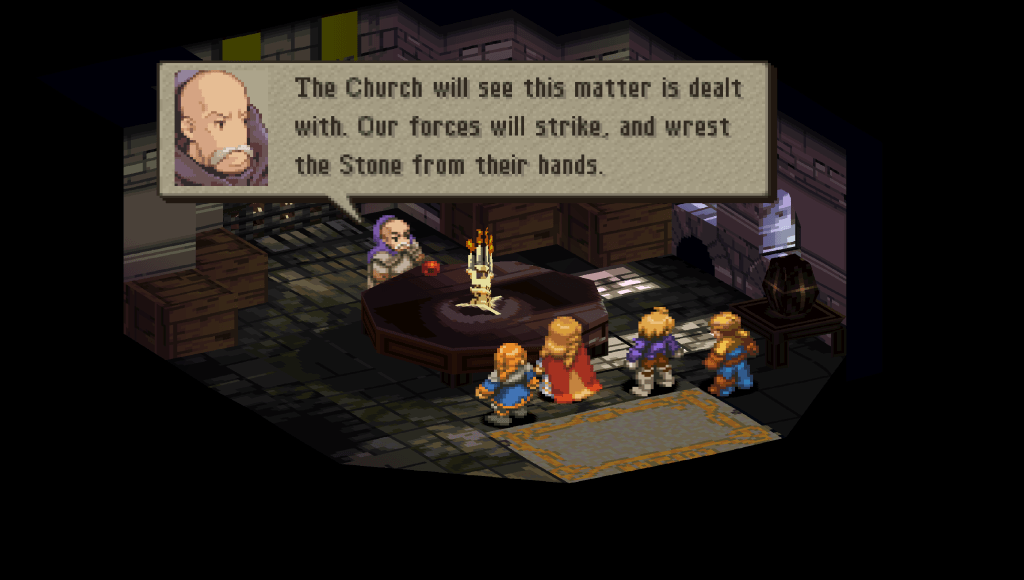
The idea of the church running things behind the scenes and being the true manipulators of war is compelling, but making their ultimate goal the resurrection of some ancient evil feels weak to me. It feels like something they stuffed into this title because it’s a Final FANTASY title and they need something Fantastical in there.
The narrative is at its best when it’s deep in the politics of Ivalice but when your church templars start turning into spooky demons it just becomes less interesting. It’s less shades of gray and more “SHINRA IS BAD AND KILLING THE WORLD, DEFEAT THE SHINRA!”
Essentially, I like when Tactics is talking about class disparity, privilege and racism. I like the plotting behind people’s backs, the constant backstabbing, the guessing over allegiances. I think Delita betrays about 800 people. Give me more of that. STICK TO THE POLITICS, essentially.
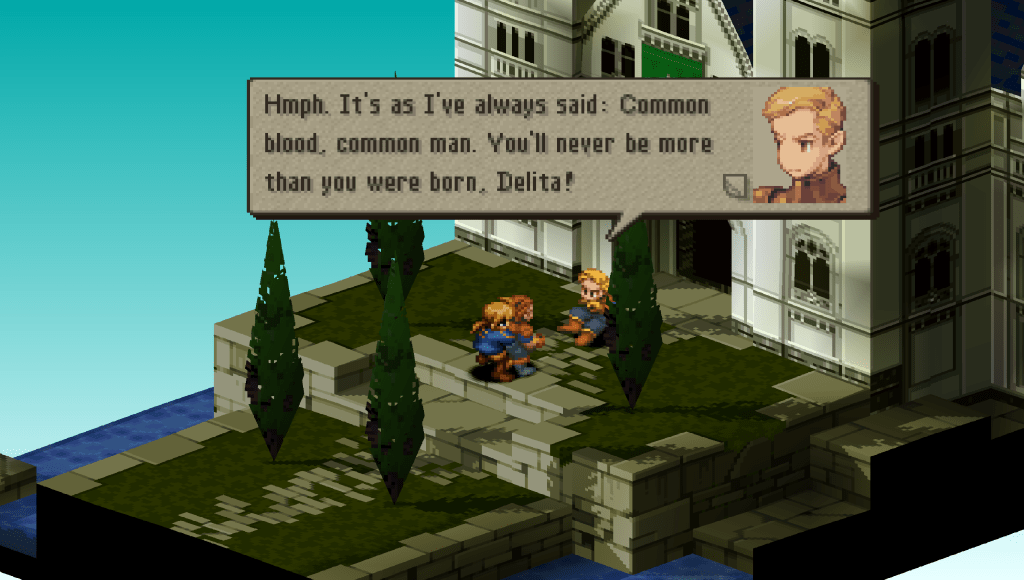
The game also has some very slight player choice, which hasn’t happened very much in the series to this point. In my experience, this really just changes a couple of lines of dialogue – there aren’t too many choices with actual consequences. And sometimes, there is a clear ‘correct’ option to pick because the goal is too ridiculous otherwise.
An early battle gives you the option to prioritize saving an NPC or killing the bad guys. I tried to save the NPC. But he would routinely get killed before I could even act. It felt totally impossible. They reference this specific choice later in the chapter, so I think they WANTED the player to choose this option but also wanted to give you the illusion that it was your choice. I could also just, like, really suck at the game.
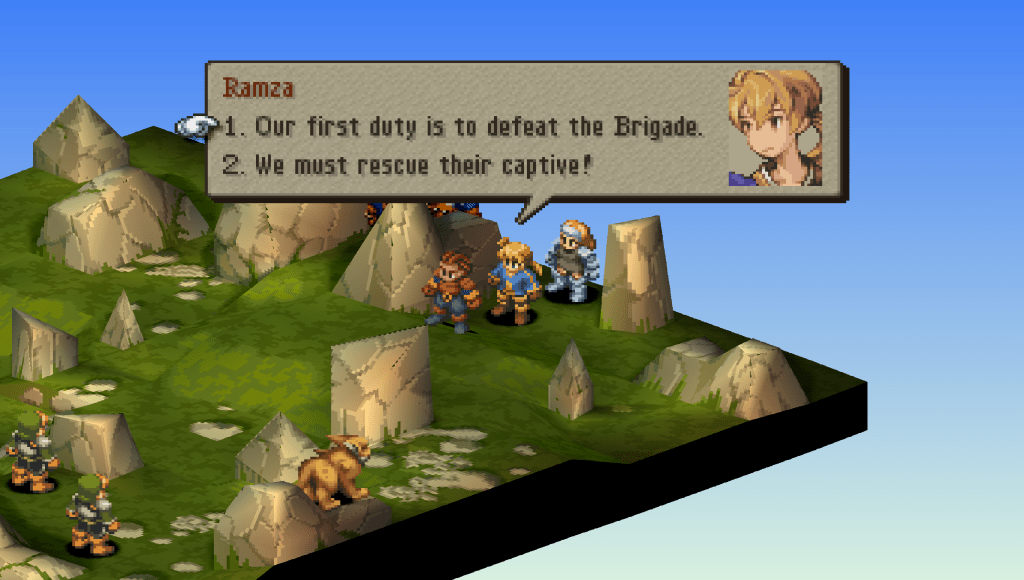
The Kingmaker
As mentioned, the original translation of Tactics left some questions open. A lot of people who haven’t played War of the Lions might not even know some key motivations. This is a dense game with a sometimes hard to follow plot when it’s translated well. And the original translation was a mess! So why is this game so well loved? Why was it briefly the Sonic CD of its time?
Because the gameplay is second-to-none. It is top of the genre. Almost 30 years later as I play through Tactics for the 80 millionth time, I still think it is top of its class in a lot of ways. You could touch up a couple little minor things and ship out Tactics for the first time right now and it would hang with Fire Emblem: Three Houses, Disgaea 7 or X-Com. It is one of the best feeling and playing games ever.
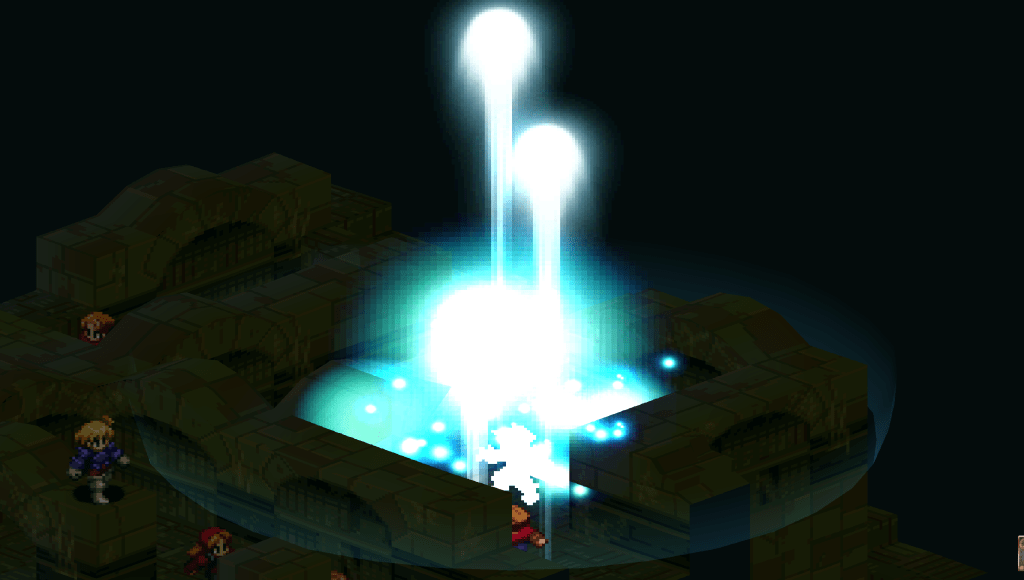
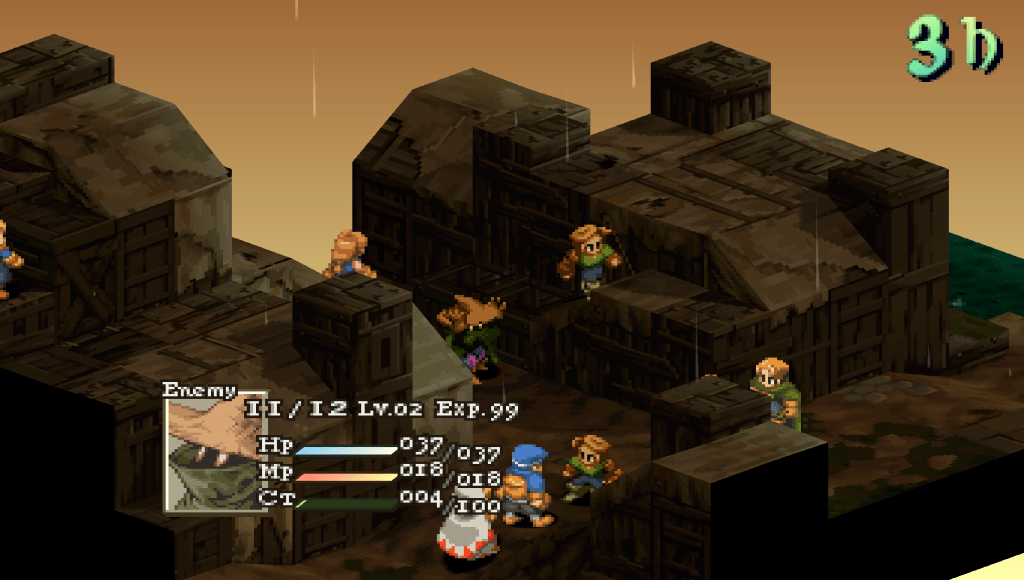
Every battle takes place on a 16×16 grid and your characters move one-at-a-time. Everything about that grid has an impact on your character’s abilities. If you are slightly higher than an enemy, they are less likely to dodge your physical attacks. If you are TOO high or low, you simply can’t hit an enemy. If you approach them from the back or the sides, your odds of hitting that character are different.
If you are in difficult terrain, moving to these advantageous positions can be harder. If you are casting a spell, it takes time to perform. There isn’t a Rydia here to just cast your magic almost immediately after telling her to cast it, there’s a charging process. You need to look at your turn order to see if you can pull off your spell in a satisfactory amount of time. Basically, where your characters end every turn matters. Every single action matters.

Going with this is the inability to walk back moves. If you tell your character to move to a certain space, that’s it, they move there after you finalize the move. In modern games, you typically have the option to call someone back, but Tactics robbing this from the player forces them to consider each move seriously. When they hit confirm, they need to make sure that where they move is actually advantageous to them. Are you too far from your opponent to hit them with a spell? Well, too bad, wait til next turn and try again.
It’s also important to know the strengths and weaknesses of your characters. Most battles let you choose five characters to use. Tactics brings back the job system from Final Fantasy III and V and knowing what each job is capable of can determine the outcome of battle.
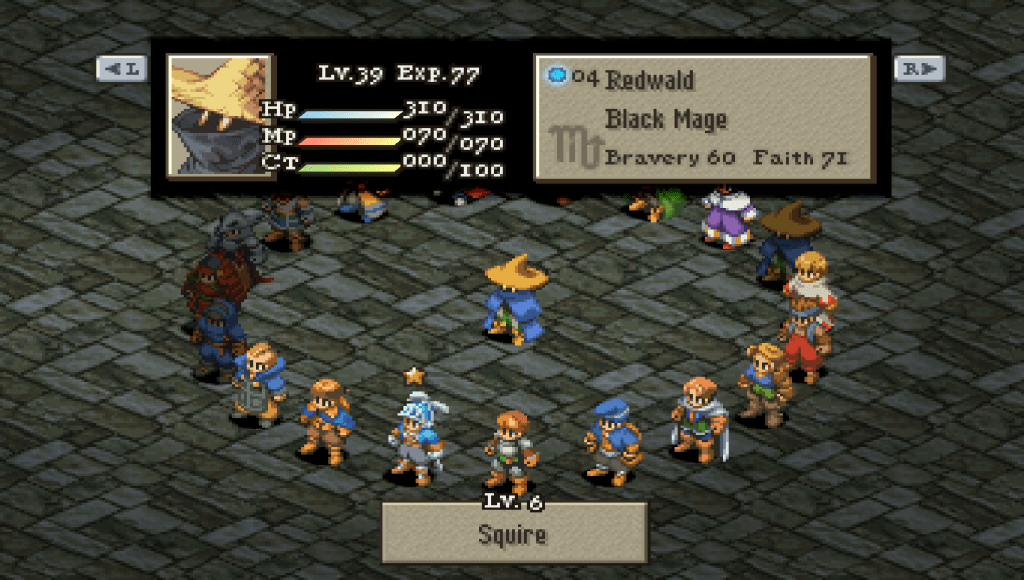
For instance, mage classes are not good at taking damage, so it’s always good to keep them far enough away from enemies as to not get hit very often but close enough so they can still nail them with spells. If you’re using a Chemist, you are probably working as a healer, so knowing the limits of how far you can throw items can be the difference between a party being swept off the field and victory.
Every action you take in battle gives you both general experience points and experience for the job you have equipped. Your jobs come to you pretty bereft of usable skills, so you need to use JP to both level up your classes and learn new abilities in them.
And you need to continuously make these jobs stronger in order to unlock new ones to mess with, so you’re constantly learning new things. It’s crucial to make sure you are actually doing things during your turn so you can level up nice and quickly. Hitting ‘wait’ without doing anything is an actual waste of time. The system takes a lot more thought than choosing your maneuver every time the ATB meter fills up.
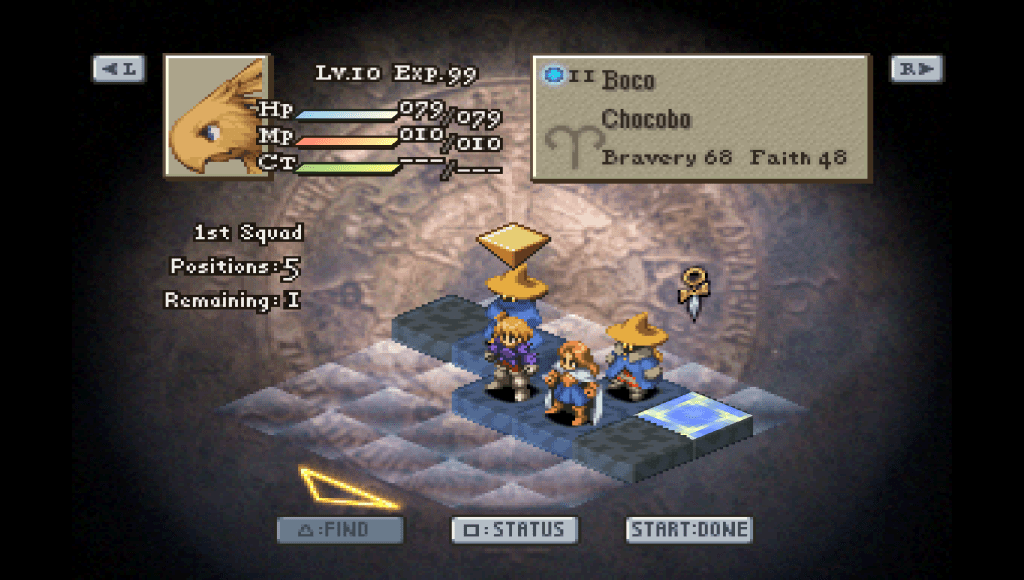
DNA of a fighter
Knowing and customizing your characters is quite thrilling. I said in my retrospective of FFV that most people playing will have drastically different party looks and tactics. Yes, your four man crew stays the same throughout your journey, but their abilities will drastically differ. Take this and expand on it for Tactics.
Your characters have four different slots you can equip different job abilities in. The first one lets you choose the main ability of one job and equip it to another, the second one is a special perk of some sort (i.e. throw item or dual wield) known as a support ability, the third one is a reaction command (counters) and the final one impacts your movement.
The tl;dr of it is that every job only has one mandatory action. Black mages will always have access to black magic. But what other job action they have access to, how they react to physical attacks, what supporting skill they use to bolster their abilities and even how they move about the battle field is chosen by the player. It takes the customization from V and runs with it.
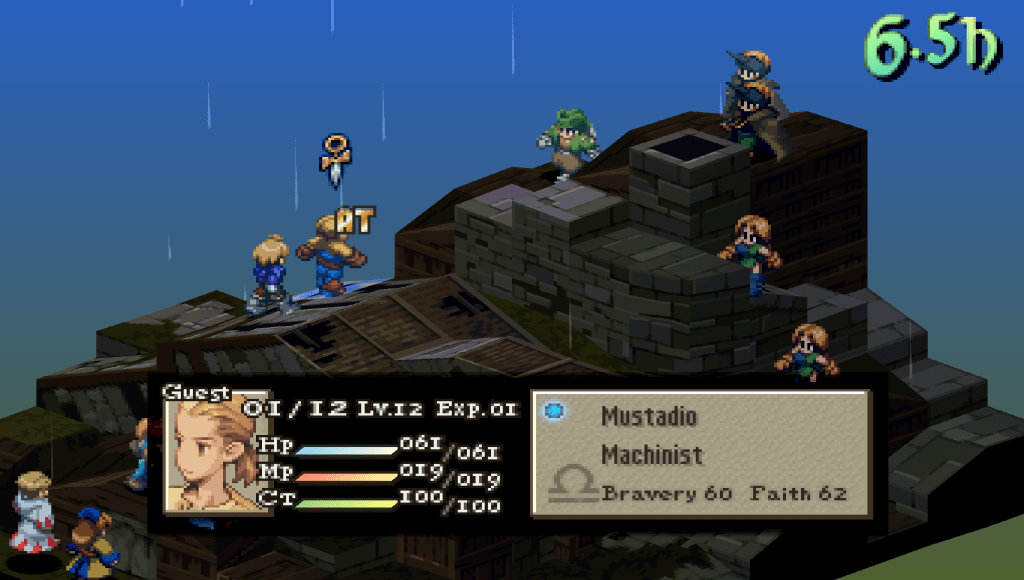
You will have both generic characters that have all of the abilities you’ve given them along the way and storyline characters that all have learned different things before joining up with your crew. Hopping in and winning a map on somebody else’s file without looking at character abilities would be really hard to pull off. Essentially, every save file will be slightly different.
There are four chapters in this title and customization is extremely important for the first three of them. You get one main character, Ramza, and then the rest of your party is composed of generic units that you need to build yourself. If you’re not constantly learning new abilities and experimenting with new jobs and learning their strengths and weaknesses, the game can get brutally challenging. You do get a couple of story units in this frame, but you’re mostly customizing your own army here.
The player really needs to think about the strengths and weaknesses of their crew and attack accordingly. Mages take time to cast spells, so you have to make sure they have time to cast them safely. If a fighter goes down, you need to make sure you have the means to revive them or you risk losing that character permanently.
Change of pace
You’ll notice that I said ‘first three chapters’ up there. In chapter 4, the game opens up a fair bit and gives you access to some really high powered units. At this point, most players will probably feel okay shooing off characters they have built the whole game for these high powered storyline units.
One of these characters, Cidolfus Orlandeau, colloquially known as T.G. Cid, is particularly egregious. He is hands down the most overpowered main party member in any of the Final Fantasy titles. He isn’t even a secret character, the game just hands him to you. When this happens, you practically win the game.
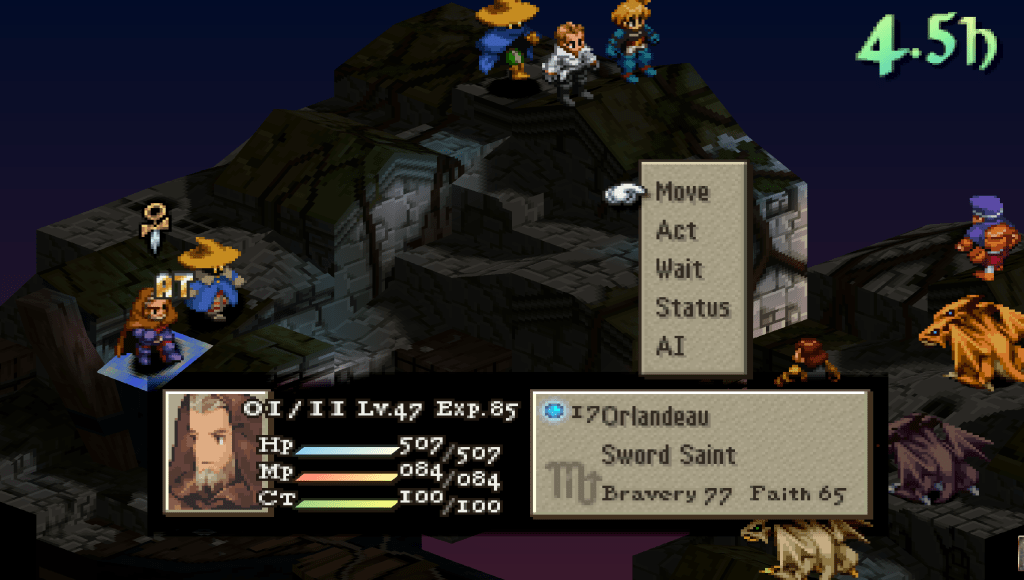
This late stage change is my one true beef with how Tactics plays. Five characters is not very many when your army can contain something like 20 units at a time.
For most of the game, I used three generic units. Any tinkering with jobs was done with those three fellas. When someone falls behind, it takes a lot of effort to bring them back up. I dropped one of my generic units in chapter 4 and before I knew it, she was 15 levels behind and damn near useless in combat. It feels very limiting for a game that’s so open.
If a player is devoted and stubborn enough, it’s extremely easy in this game to grind. Every action you take that has an impact on something will give you EXP and Job Points, so if I took my weak character into a random battle and just had her smack Ramza over and over, I could catch up to everyone pretty quick. Boring? Absolutely. But grinding has never been simpler.
You can also take up errands in game to give your generic units more job experience in order to beef up their abilities. This gets you money and can unlock more complicated jobs quickly, so it’s recommended you do these things. You basically just walk between points on the map until enough days have expired and the errand is complete.
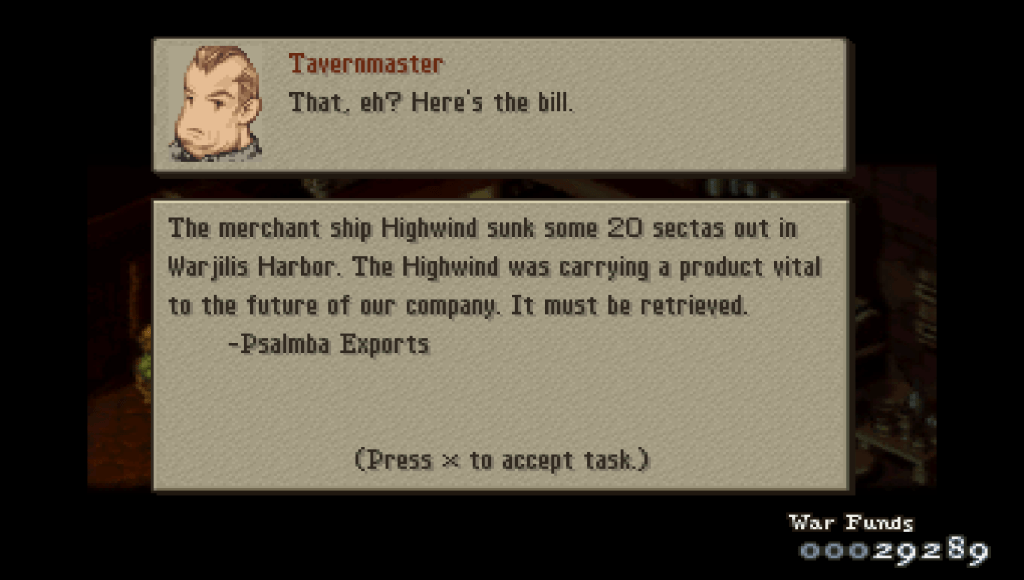

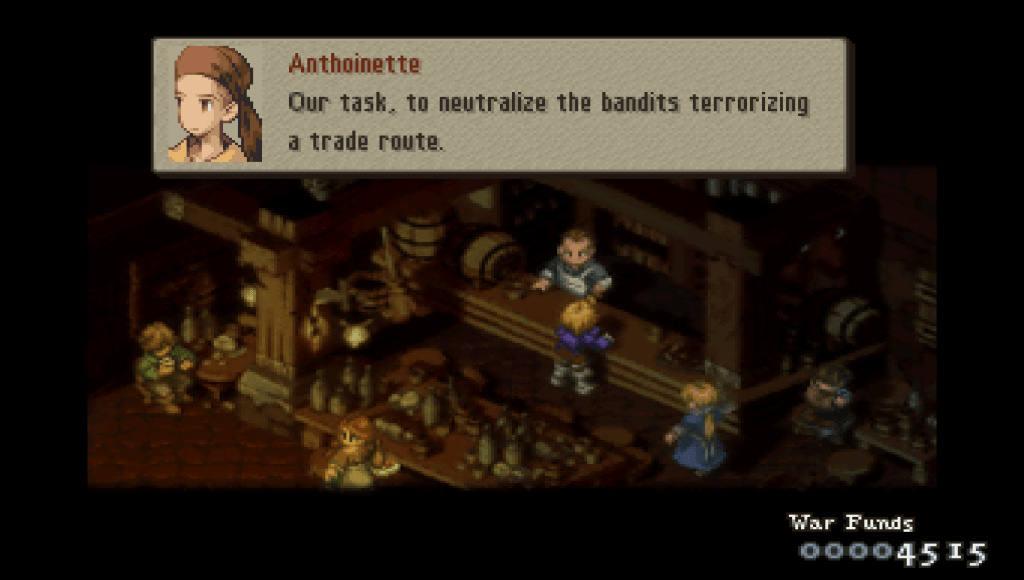
On the PS1, I would manually reset the game every time a random encounter popped up during these things. I only focused on generic units I actually use in combat so if I have some on an errand, I probably can’t win normal battles! This takes an absurd amount of time. Thank god for emulators and save states.
Of course, using characters like T.G. Cid is optional, but if a game gives me a nuke for free I am probably going to just use it. Most people are. If I were a snooty type, this could be further commentary on the game’s themes of haves and have nots. These new units come in and wreck shop with no effort while you had to WORK for your generic units to have the ability to blow up a small chunk of the planet. But really, this was likely unintentional.
This could be solved with making your party a little bigger. A lot of times you have guest party members. You can’t control guests, but with them included, you have six friendly units on the field sometimes. So I don’t see the problem in adding a sixth slot at the very least. More chance for experimentation! But the decision to keep your forces small was intentional.
“Yeah, I don’t think it’s a traditional war simulation, if I had to say. ‘War’ games makes me think of huge armies facing each other,” Matsuno said. “That wasn’t the direction we wanted to go in, though, because we wanted to make something similar in feel to the Final Fantasy series: a game you can clear with 5 individual, main party members that you’ve raised and developed.”

Harrowing times
It’s just a very weird feeling because you spend a lot of Final Fantasy Tactics feeling that you’re at a disadvantage. The first three chapters of the game are probably the hardest in the franchise as a whole up to this point.
I remember my first time through this title, I was stuck on the second main battle of the campaign because I couldn’t figure out how to maneuver around Archers and mages. I thought Archers were OP! Much play since then has revealed that not to be the case.
Every time you encounter a new unit in the field, it’s a process of learning what it can do, how it can kill you and how you can counter it. Seeing a new job can be slightly scary because you just have no idea what it’s capable of. The first time I saw a Summoner on the field, I was petrified because I know what Summoners in this franchise are capable of! I’m running out here with a bunch of Knights and Black Mages, I can’t hang with that!

A couple of the battles are just plain mean. The most notorious example is a chapter 3 showdown with a villain named Wiegraf. Wiegraf challenges the main character, Ramza, to a duel. He can easily kill Ramza in two hits, so you have to tinker around and find a way for your hero to overcome this obstacle.
This is also part of a series of fights where you don’t get the opportunity to return to the world map between them and the game prompts the player to save after each battle. There’s a chance they will overwrite their main save during this process and just be stuck in Wiegraf hell forever without the ability to go back and grind for beneficial abilities.
It’s wild. I go into more detail on this fight down below, but for now just know there are a variety of strategies you can employ to win the day but actually discovering them takes a lot of time and patience.
What I like about this difficulty is that you’ll often see a job the enemies have and wonder to yourself ‘how the hell do I get that?’ and then start trying to find ways to have one for yourself. It just involves leveling up jobs, but it’s still nice that you can see a unit on the field and go ‘I want that’ and then just have the ability to go and get it. This sort of gameplay helped the Pokemon franchise become a world beater, so it’s no surprise that I found something similar just as compelling.
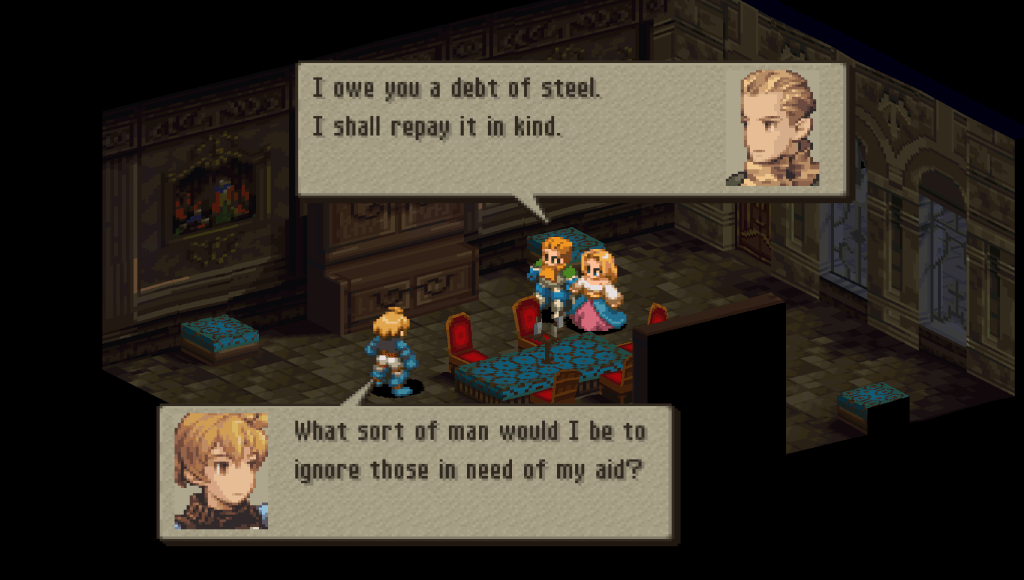
But once you emerge from Chapter 3, the game becomes considerably easier and the need to go out and grab these jobs feels lessened. The title builds and builds in difficulty until the dam breaks and it becomes extremely manageable.
It’s satisfying in a sense because there are some truly brutal encounters out there and finally approaching them from an advantaged position is cool but…it does feel strange having like 5 or 6 hours of gametime remaining with next to no difficulty. Why seek out that cool Ninja job you found if you can just have T.G. Cid nuke everything?
These are just minor nitpicks. A first time player is likely going to feel relieved at the game easing up during chapter 4. My frustration comes from simply wanting more of an already excellent experience. From a pure gameplay perspective, I think Tactics is the most satisfying entry in the franchise.
Job breakdown
Returning from my FF III and V recaps, it’s time to talk about jobs again! If you need a refresher, a job determines how a character fights in these games. It’s another way of saying ‘class’ essentially. Picture order is: Male unit profile picture, male unit battle sprite, female unit profile picture, female unit battle sprite.
In this writeup, I will only be talking about generic unit classes. There are several special jobs in the game, but those are better to discuss in the dedicated character section. I also will not be talking about monster units because of the 90,000 times I have played Tactics, I have never used a monster unit outside of a Chocobo.

I just think they are too simple for a game like this. I like learning all the abilities and customizing characters, monster units can’t learn anything beyond what their species can learn. So yeah, if you want to use a dragon, that’s cool…but don’t expect the dragon to suddenly start using or learning chocobo abilities.
I explained the job system a little bit above, but I want to breakdown all the customizable abilities each job gets to work with. The next paragraph is just a lot of explainer text – if you know the basics of the Tactics job system, go ahead and scroll down to the Squire.
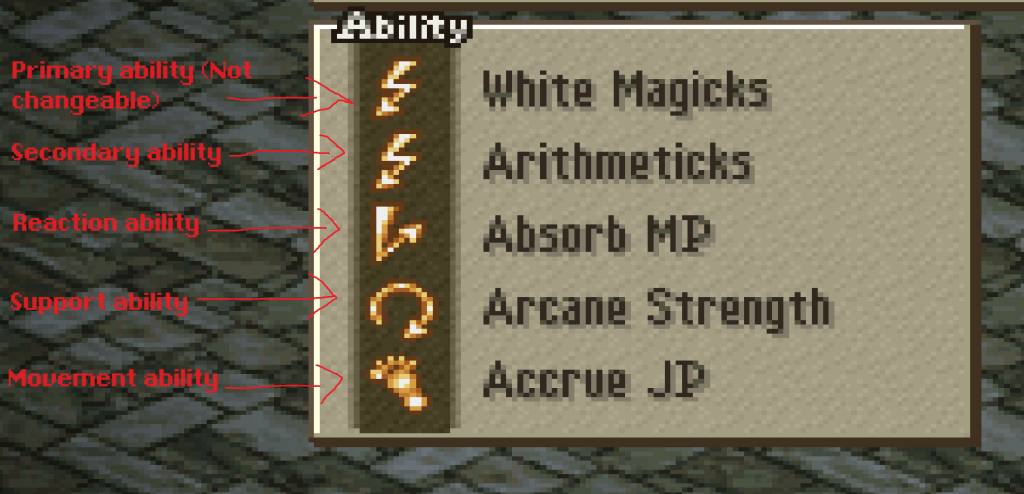
Each job can use five ‘abilities’ at once. The first ability is the default one for your chosen profession. It can’t be changed. This holds your job’s basic combat skills. So if you’re a Black Mage, your ability is black magic while an example of one of your skills would be Firaga. The second ability allows you to equip another job’s primary ability, which gives you access to their skills. White Mages can now use fire! Your third is the reaction ability, which is something your character will do after being attacks. Your fourth is support abilities, which are little combat buffs. MP up, stronger magic, etc. Finally, the fifth is movement skill. Wanna go farther? Wanna not get hurt by spikes? This area is for you!
Here is what the ability equipment screen looks like
Wait until my writeups of the Disgaea franchise if you want to see me write a lot about monster units and their utility.
Thank you to the Final Fantasy wiki for hooking me up with profile pictures and sprites. It would have taken me ages to cut them out myself for this.
Squire
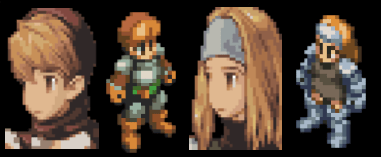
Your basic combat unit. In order to unlock more solid jobs down the line, you need to level the Squire up to at least level 2. Having the level barrier so low is a pretty sharp move because it immediately communicates to the player that the key to unlocking more jobs is through leveling up what you already have access to. An indirect way of saying ‘you should probably go experiment.’ Note: Jobs are unlocked on a per character basis, so unlocking one for one character does not unlock them for everybody.
The Squire is not the most adept at combat but they do learn some solid abilities that help get the player on their feet. It’s imperative that players at least pick up the JP boost skill because it allows you to level up other jobs faster. It’s also beneficial to grab things like Cheer (attack boost) and Tailwind (Speed boost) in order to give yourself an advantage. Move +1 is a rather cheap ability that helps out early too. Magic classes can’t move very far, so getting an ability early on to increase the distance you can travel is very helpful.
In actual fights, I mean, there aren’t many reasons to use a Squire. Use something else and equip the Squire’s abilities if you really want those stat buffs, but otherwise switch to something more interesting. Of note, Ramza has the ability to learn Ultima in this class – it might as well be hidden from the player because it requires using the Squire class in a late game fight and baiting the enemy to cast the spell on you. But hey, the most powerful spell in canon makes a return and I thought it was important to note that.
Fashion score: Both male and female units look like boring peasants. Very fitting for the job title, but still not exciting to look at. D.
Chemist
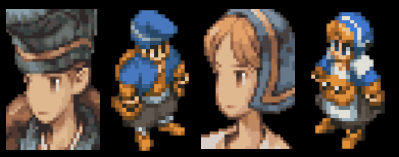
This is the other side of the basic combat unit coin. You need the Chemist to hit level 2 before you can start using magic professions. Your initial squad lineup comes with a fair mix of Chemists and Squires, so odds are even the worst player will accidentally level these classes up enough to see what’s beyond.
The Chemist’s schtick is item usage. That’s right, not every single character can use items in this game. It’s a job special skill, so if you want your units to be able to use potions, you can’t use any other job skill. While this might sound prohibitive, items are really handy in this game and, at least initially, work better in a pinch than magic at healing. The Chemist is an essential job that sees utility throughout the whole game. You’re much more likely to see an endgame team feature a Chemist than a Squire.
You might be curious as to why anyone would use items over magic to restore. In Tactics, White Magic can miss the target. You can cast Raise or Arise and it can just whiff on a dead body. Trying to heal someone with esuna and it just not working is infuriating. But items never miss. Phoenix Downs will always put someone back on their feet. So if you want total reliability, especially early on, a Chemist is the way to go.

The items have a high learning cost, so if you want to be effective at using them, you need to sink some time in as a Chemist. Initially most can only use potions or antidotes. I would recommend to, at the very least, grab Phoenix Downs, hi potions and x-potions. This will carry you through 99% of battles. You might be thinking you need a bunch of status effect stuff – I did mention Esuna above – but in this recent playthrough, it didn’t come up a whole lot for me. I think I had four, maybe five battles where enemies used status effects.
Chemists also have the ability to throw items. With just the item ability equipped, all you can do is use items right next to a character. With throw item, your ability to help out the team with your skills increases by a fair amount. It’s a good idea to have at least one item user who can throw stuff on your team because, if shit hits the fan, you’ll at least be able to get some people back on their feet.
Fashion score: I think the female version of the job looks kind of like a pilgrim, so that’s cool. The male version looks vaguely like he told Ebeneezer Scrooge it was Christmas day when he was a child. Not bad. C
Knight

This is the first true purely physical job the player will likely choose. Sure, some weirdo might go with the Archer (which unlocks at the same time), but distance is hard to figure and there aren’t many bows available early in your journey. But there are plenty of swords around for you to mindlessly whack your foes with!
Knights are primarily used for breaking equipment or nerfing enemies. You can break specific pieces of armor or, more traditionally for Final Fantasy, you can target individual stats like power, speed or magic. In the early game, the Knight doesn’t get a lot of usage out of these skills. Instead, this job’s utility comes from its ability to equip heavy armor and shields. This makes the Knight exceptionally more sturdy than a Chemist or Squire.
You can also learn the ability to equip heavy armor, swords and shields onto other jobs. These are extremely helpful if you want to make a magic user a little harder to take down or if you want to make a job like the Monk (which uses cloth armor) even more of a fearsome beast on the battle field. I would very frequently equip a Ninja Ramza with the ability to use heavy armor because it just made him a walking death machine.
Not the flashiest job and the ability to break armor is completely stolen from it by some special units you encounter later in the game. But hey, it’s solid enough and if you don’t know what to do with a given character, the Knight is a good place to waste some time at. They hit hard. A real meat and potatoes job.
Fashion score: I like the cape and I think the character portraits do a good job of making these guys look somewhat regal. C+
Archer

Your other physical job that unlocks when the Squire hits level 2. It fights exactly like you would expect it to. Since Tactics does not let you retract movement, it’s important for a player to figure out if a character will be in range of an attack before moving their Archer. This can take some getting used to.
Ability-wise, they’re kind of crappy. Their combat skills all involve charging up their moves for various lengths of time. I feel like the big benefit of physical jobs is that they don’t typically have to time out or think about their actions. It’s just press button, deal damage.
This one loses that feature but doesn’t hit hard enough to make charging worthwhile. I view Archer as a job you just level up to get better jobs. The other physical job I can think of that does this is the Dragoon, but that is for jumping and the Dragoon is invulnerable during that process.
Archers don’t even have any super useful other abilities to carry to other jobs. Why no, I don’t want to use a crossbow on my Monk, thank you. Jump +1 is an okay movement tool, but there are way better ones out there. So don’t force yourself to stay an Archer for too long. Get your minimum job requirements out of the way and get outta there.
Fashion score: Male Archer’s portrait looks too much like male Knight’s. I do like the female’s hair though, so I’ll give them that. On the actual character sprite, I love the big arm guards and boots. C.
White Mage (PS1: Priest)
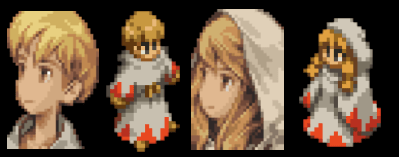
Wouldn’t be a Final Fantasy game without the White Mage, eh? Well, here they are! You’ll never guess what they specialize in! Curative magic! It’s always a good idea to have at least one party member who specializes in the, uh, light arts. I think I spent roughly 80% of the game having a character leveling up in white magic. You just can’t be too careful out there!
The other jobs up until now have featured a lot of abilities you can carry over to other professions, but the White Mage feels less useful in that regard. Yeah, you can learn a reaction ability that triggers regen upon being hit and you can lower damage taken against magic, but I never really found either to be particularly useful. The best defense against magic is killing the magic casters before they can cast!
The essential skills to learn as a White Mage are all the cures, raise, esuna and holy. The first three things I mention should be no duh, especially esuna for the rare times status effects do hinder you, but holy is the sole ‘attack’ the White Mage can learn. It’s one of the best spells in the game and has a relatively low JP cost as well. It deals damage relatively close to flare and costs a little over half as much to learn. Great spell for any magic user to have, even if you don’t want them to be a healing specialist.
Fashion score: Classic White Mage attire. I really love the way the female looks, she has some nice hair. Glad they don’t have the same piss stained robes that V’s had. Dodged a bullet there. B-
Black Mage (PS1: Wizard)
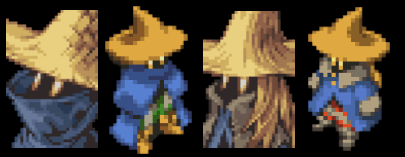
The other classic magic class is here too! You didn’t think the Black Mage would get to miss out on the fun, did you? Boring people who call all Black Mages Vivi, aka me, this one is for you!
Black Mage is the inverse of White Mage. It has all attack magic. Since you’re focusing on enemies, it takes a little more practice to get efficient with a Black Mage than with a White Mage, but it isn’t too bad. You just need to learn to look at the turn list and determine when and where it’s safe to use spells. Unfortunately, this can mean a lot of higher level magic is nigh unusable because it takes too long to whip out. A dead mage can’t cast spells!
This only applies if you’re only using the Black Mage and its abilities though. There are other things you can do to take care of this handicap…that’s the beauty of Tactics. Some jobs may have weaknesses, but if you use your abilities wisely, you can often overcome those.

The other abilities you learn are a mixed bag, much like the White Mage. Magic counter lets the player counter any magic with the exact same magic, provided they know the spell. Sounds good in theory, but in practice, most players aren’t going to learn every type of black magic spell so you’ll find yourself with a useless reaction ability half the time.
The other ability can increase your magic strength. Absolutely a must-have for any magic attacker on your team. When combined with other job types, you can wreck an entire level while barely moving with this equipped.
Fashion score: Black Mages always look the same and they always look cool. The female Black Mage sprite reminds me of the FFV lady Black Mage sprites, so I have no complaints at all. I feel like they stopped making girl Black Mages at some point. Am I crazy? Or did they just ditch the hair thing? B
Monk
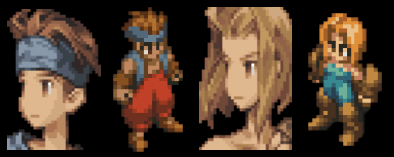
We have reached our next level of physical attacker! When a character reaches level three as a Knight, the Monk class gets unlocked. As is tradition, this job excels in fisticuffs. It smacks harder unarmed than most units do with a weapon. It also has excellent maneuverability. In the early game, the player might feel slightly overpowered when using them.
The abilities at the Monks disposal are pretty handy. You have stuff that can hit really hard and also things that can remove status effects, heal and revive characters. It’s a bit of a jack-of-all trades profession that never feels useless. I had my Ramza working as a Monk fairly regularly in the later portions of the game thanks to the job’s high maneuverability. Using either dualwield or equip heavy armor make this one tough customer.
Monks also learn the ability to counter attacks, which is one of the most handy reaction skills in the game. It’s exactly as it sounds. Someone smacks you, you smack back. The only issue is that you will also counter your own units, so if you like to grind by smacking Ramza in the back…be cautious! You could end up accidentally killing the unit you’re trying to build up.
Fashion score: Why the hell did the male unit change hair color only for this job? Did a new male unit sneak in and replace the blonde one? Peculiar. Looks cool though and I love the big pauldrons or whatever you’d call those on the female sprite. B-
Thief
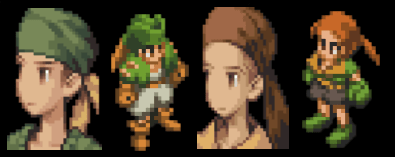
The Archer hits level three and unlocks the Thief. If you simply want to smack enemies around and get big numbers to pop up when you hit the attack button, this job ain’t for you. But if you’re trying to pad your coffers and make sure everyone else on your team is well equipped, well, you’re in the right spot.
Instead of simply learning a single steal technique that has something of an all-encompassing usage case, the Thief has to learn skills for each individual thing they want to steal. So if you want to grab weapons off of people and not just gil or exp, you need to work for it. I definitely think it’s worth putting in the effort for this, but personally, I don’t mess with a lot of thievery. If I miss a steal attempt, that’s a wasted turn. I’ll never miss a purchase attempt at the store…probably…
The Thief has some useful other skills though. It has improved move and jump abilities (+2 instead of +1), so if you’ve been carrying around the Squire or Chemist movement abilities, you can drop those now. You also can learn how to catch items thrown at you, which is a sort of counter against the Ninja job you encounter in the late game.
In order to unlock one of the best jobs in the entire game, you need the Thief to be leveled a bit, so while you’re here…might a well pick up that stuff!
Fashion score: The male one looks like a pirate, which isn’t a job in this series until Tactics Advance. The female one looks like a more traditional Final Fantasy Thief, vaguely like the Thief job in FF 3, but to me the character portrait looks kinda like she’s going through chemotherapy. I hope you get well soon, Thief-chan. D
Mystic (PS1: Oracle)
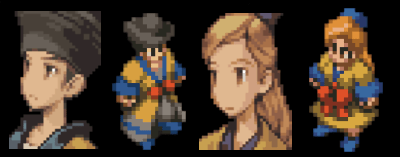
We are onto our next set of magic classes! Mystic is unlocked when you hit level three as a White Mage and…uh…it doesn’t inspire a lot of confidence in higher level magic jobs to be honest.
This is a status effect heavy profession and, I’m sorry, but this isn’t a Shin Megami Tensei title. I don’t find status effects that useful in Final Fantasy Tactics. So sure, the idea of making someone go blind with rage is pretty funny, but I’m never actually going to use it because the turn I waste casting a status effect is a turn I’m not battering my opposition into oblivion. I’m sure people who are looking for a bit of variety in their playthrough dig this sort of job, but it isn’t for me. Sorry!
It does have some decent other skills if you have a magic heavy character. Since magic counter isn’t super useful in my experience, absorb MP is a nice move to have in your arsenal as the unit will add the MP cost of any spell used against it to its own MP pool. You can also get a support ability to boost your physical defense and a movement ability to recover your MP. I don’t use a lot of MP with my magic characters, so I prefer to buff the power of my spells instead, but you do you.
Fashion score: I’m going to sound extremely stupid for a second, so please be patient. The male sprite outfit almost looks like he’s wearing a graduation cap combined with a traditional Chinese outfit. The female version looks like she swapped out the graduation cap for a flight attendant hat. It’s definitely just me. Never been a fan of these. F
Time Mage
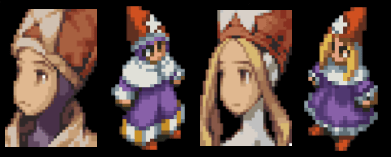
The other side of the magic coin, the Time Mage unlocks when you hit level three as a Black Mage. The ever useful haste spell is here, the FFV Time Mage signature spell quick shows up as well and our beloved meteor gets away from Sephiroth and into your hands. It’s crazy slow and hits too wide of an area to be practical, but you can use it!

Time magic is always fine by me. In a game where the turn order matters a lot, giving yourself a boost in that area is always a good idea. They also give this job access to gravity spells for some reason or another. Maybe they didn’t want to give all the cool magic to the Black Mage? They also get float, which is another mystery to me. Float can certainly help with terrain traversal, but isn’t that more of a White Mage thing?
If you find yourself casting a lot and don’t mind not having buffs to your attack power, the swiftness support ability reduces your charge time. If you’re a weirdo who uses Summoners, that’s probably a mandatory one to have equipped. You also get the theoretical best travel skill in the game, teleport. This lets you move wherever you want on the map, though it can fail if you try to go really far. That said, I don’t know if that counts really high vertically because I’ve never had an issue traveling a short distance that’s vastly different in elevation.
Like the Mystic, I don’t think this job is nearly as useful as the two ‘earlier’ magic jobs you learn. At least you can learn some neat tricks here!
Fashion score: I like how ‘priestly’ this attire looks. The Time Mage in FFV looked like they put a little too much starch in their launcry, these look more dignified. B+
Geomancer
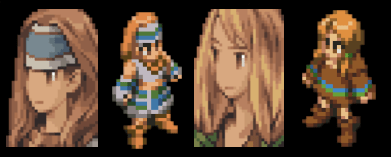
Get the Monk to level four and you unlock the Geomancer, a job worse than the Monk in every single way. Thanks!
The gimmick of these guys, just like in FFV, is that their geomancy skills vary based on what terrain you’re on. In V, this is fine because you just have access to everything. In Tactics, you have to individually learn every type of geomancy skill. If you don’t have the sandstorm skill, you just can’t use geomancy on desert levels. So you’re basically learning techniques for the ability to use the geomancy skill in more locations. But you’re probably not gonna equip geomancy onto another job, so it comes off as a waste of time.
I apologize to any Geomancer fanatics I have offended. If it makes you feel better, I really like this job’s movement skill. In V, Geomancers are able to traverse over tricky terrain (like lava) without getting damaged. So in this game, you can learn abilities to make it so you can walk like normal over any terrain and also go over lava without being damaged. This makes it so if you want to stall out a battle for whatever reason, you can just go to an area of the map nobody can access and just wait there.
Much like with the Archer, I use the Geomancer just long enough to level it up so I can use other, cooler jobs.
Fashion score: I love the way these fellas looks. The guy looks like Aztec royalty or something and the lady looks like…you know when a gal is wearing one of your shirts and it’s way too big but she is really cozy in it? I get those vibes. A-
Dragoon (PS1: Lancer)
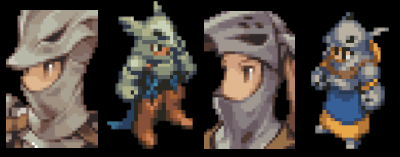
First time I played tactics, I was stunned that hitting level four as a Thief unlocked this class. You’re kidding me, right? The nimble Thief works hard enough and it can become one of the signature heavy armored jobs of the franchise? Was Cid Highwind a Thief before he took up the lance? Who can say.
This is a job that doesn’t start out super great but gets far more viable the more you use it. Just like usual, the signature ability of the Dragoon is jump. Unlike usual, you need to individually learn different jump distances. A fresh Dragoon can only use the jump ability right next to the opponent, A fully leveled Dragoon can use it practically anywhere on the map, making it one of the more deadly physical units. It takes some patience though and there are physical jobs (Monk, Ninja) that are just immediately excellent.
It has a couple useful abilities beyond that. As a reaction command, you can learn a free reraise as a counter to physical attacks. That’s nice! You can also learn a movement ability that lets you just ignore vertical movement costs entirely. For levels with a lot of mountains, this is really convenient. There are better versions of this ability elsewhere, but the jobs that host them are a little harder to unlock than the Dragoon is.
Fashion score: Typical Dragoon fare. I like that it’s difficult to tell which is the male sprite and which is the female sprite. Very fitting for this iron clad class. If I had to choose a favorite though, I guess I prefer the male sprite because it has a cape. I’m but a simple mind, capes are cool. B
Orator (PS1: Mediator)
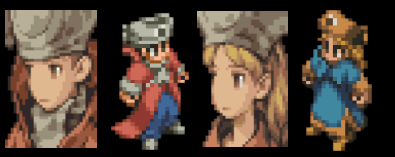
So you trudge through three miserable levels as a Mystic. You see the light at the end of the tunnel. Finally! A new magic job! You are then awarded with the mediator. A job that is useful to crafty players but one that a vast majority of players will just shrug their shoulders at and never bother figuring out. I won’t pretend this one is useless like Mystic, but it does require a bit of player experimentation.
The gimmick of this job is that it can buff or nerf opponents through talking to them. For every four points of physical attack increased (brave), the target gains one permanent physical attack that remains around after the battle. Same works for magic (faith). So if you’re very patient, you can buff your characters up permanently like that. For nerfing though, once again, I find that it’s more effective to simply hit your opponents really hard in this game as opposed to weakening them first.
They can also convince enemy units to join your party. This is a great idea in theory because when I play (for lack of a better term) WRPGs, I typically roll with charisma builds. I like talking my way out of jams and avoiding fights. In practice, you only get five character slots for battle. So after the fight, your new unit is probably going to be entirely useless. I guess if you don’t want to put the time into making one of the more complex professions that’s cool, but otherwise they just won’t get used.
This is also how you can get monsters. My assumption, and this is based on nothing, is that beast master was probably planned for this game. But they didn’t want to have two jobs where the gimmick is “you talk to the bad guys.” I don’t use monsters, but hey. It’s cool that you can recruit basically anything. Makes up for the other abilities being useless. Oh boy, I can negate speechcraft (Orator’s ability name)! How handy for the zero times it got used against me in this playthrough!
Fashion score: Paul Revere core, the British will never recover. B
Summoner
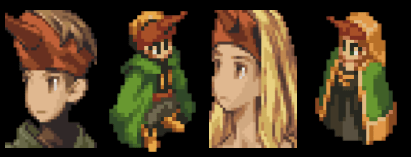
This is definitely the job I made a beeline for in my original playthrough of tactics. Summons were THE coolest part of FFVII and VIII, you’re damn right I wanted to have one of these horny fucks on my team. I believe I had two Summoners as my main magic casters in my original playthrough.
Which is unfortunate because summon magic is really hard to use in Tactics. It takes a very long time to cast, so it’s difficult to get off a spell in the area you want to while hitting as many enemies as you want to. Luckily Summoner spells are selective. If you use a physical attacking spell, it will not hurt your allies. Similarly, a healing spell will not heal your enemies. Black Mages do not have this luxury, so this advantage helps alleviate the pain of long casting times.
I think it shows how fun tinkering with this game can be though. In 2024, I consider the Summoner to be a relatively useless class. Its best spells are hard to aim and it doesn’t learn anything super useful to take to other jobs, though I guess half-MP cost is better than nothing. But in 2001, I successfully cleared this notoriously hard game while primarily using Summoners as my casters. It’s a beautiful thing. A good understanding of the strengths and weaknesses of a job can carry you to victory. It might be a little harder for you, but you can still do it.
It’s like you need to use tactics or something.
Fashion score: Hot take, but I’ve never been a huge fan of Summoner horns. The only variation of the Summoner horn I like is IX where they incorporate it into the lore that Summoners are born with ’em. III, V and Tactics just gives the Summoner little headpieces. I dunno. It does nothing for me. Rydia didn’t need that shit to summon monsters. I like the cloaks though! C-
Samurai
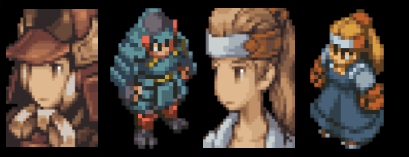
We have entered our advanced job stages. These require leveling up multiple professions whereas previous classes require only one job to hit a certain rank. This is how the game holds back the more ‘advanced’ jobs from the early game.
In III, you didn’t unlock the best jobs until near the end. In Tactics, you can unlock any job when you get the requirements, so making these so intensive to attain makes it more likely that the player will only have access to them towards the end. Different approaches to the same sort of goal.
Samurai requires a lot of physical job mastery. You need Knight to be at level 4 and Monk to be at level 5, which is simple enough if you’re traveling down the Geomancer path. However, you also need a level 2 Dragoon, which is the last job you learn if you went Archer instead of Knight. So you need at least some experience in every physical job before you can use this guy.
And this unit isn’t…really worth the effort unfortunately. Their gimmick is using the essence of swords to deal damage or benefit the party. Unfortunately, using this technique has a small chance of breaking these weapons and the stronger ones can get very expensive. You have to spend a fair amount of money just keeping every unit you have properly equipped, so it’s just a little hard to swallow the cost of this skill when there are more efficient ways to do a lot of these things.
It does have some useful abilities though. Samurais can learn a reaction command that lets it deal damage equal to their max HP when critically wounded. I had Ramza dual wielding as a Samurai at some point in this game and his max HP was around 400. So if I kept him in a critical state, he could theoretically smack baddies for around 800 damage. In Tactics that is an insane amount that can kill every non boss enemy. They also learn the ability to hold a one-handed weapon in two hands. You can cause a lot of damage with each attack, it’s almost a ‘bigger number’ version of the Ninja’s dualwield.
Fashion score: I love the way this job looks, but I think I’m just a sucker for Samurais in general. Are you really surprised? The male sprite looks cooler but I think the female sprite looks like she practices falconry on the side and that’s just neat. A
Ninja
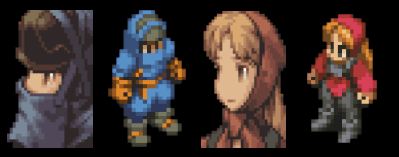
I almost feel like the Ninja profession is a mascot for these job-based games. They are almost always top tier late game classes and, sure enough, that’s the case again here.
The Ninja job requirements are essentially the inverse of the Samurai requirements. You need to focus hard on the Archer’s path on the job tree, so a level 4 Archer and a level 5 Thief. But then you also need a level 2 Geomancer, which requires some Knight and Monk usage. You need to dedicate yourself to the physical arts!
The Ninja’s main ability is throw, which involves lobbing stuff at enemies. You can buy shuriken or little bombs, but this also includes weapons. Of course, since this is FF Tactics, you need to individually learn each item to be able to throw it. That is irrelevant though because nobody cares about the Ninja throwing stuff. The real draw is in its support ability, dual wield.
Dual wield is hands down the best physical support in the game. It allows you to equip two one-handed weapons at once. You can also put the ability on the Monk and punch with both hands. This results in your Ninja being able to deal lots of damage every turn. Taking this to other professions lets you use better weapons (like swords) to really ruin some days. For a generic unit who specializes in physical attacks, your big goal for them should be to take them down the Ninja route. Once you get dual wield, go wild!
You get all this and a unit with really high movement and speed. The only mediocre thing about the Ninja is that it can’t equip heavy armor, but you can just equip that ability if you really want in order to negate that problem. I remember playing Tactics Advance a couple of years ago and feeling let down that the Ninja in that game kinda sucks in comparison. Might have to test if I still feel that way.
Fashion score: The blue clothing on the male Ninja feels classic and traditional, can’t really complain too much about that. The kunoichi attire, to me at least, could have worked better as a Thief. It’s not bad, but the Thief is so boring it could just really use the help. B
Arithmetician (PS1: Calculator)
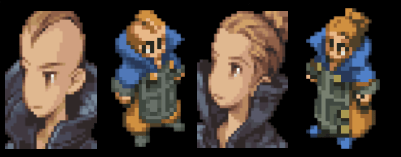
Let’s move on over to the advanced job for magic enjoyers! This one is a little bit more open with how they want you to use a little bit of everything because it has high level requirements no matter which branch of magic you prefer. You need to be at level 5 for both black and White Mages and you need to be at level 4 for Time Mage and Mystic. And for that, you get the Arithmetician! Is this colossally slow number nerd worth getting?
Oh hell yes. The Arithmetician can target large numbers of enemies in a single turn based on their level, their experience points, their height in the current stage or where they are in the turn list. You get four different options for targeting these factors, and they come in multiples. So let’s say you’re targeting someone based on level. You have the ability to target any unit on the field based on whether their current level is a multiple of 3, 4, 5 or a prime number.
This practice covers every unit that meets those requirements and it hits them with whatever spell you have in your spellbook from the four required jobs (there are exceptions, like you can’t use meteor or curaja) instantly and for free. The drawback to the skill is that it does not separate between friend and foe, so you’ll need to tinker around with it a bit to hit primarily enemy targets.
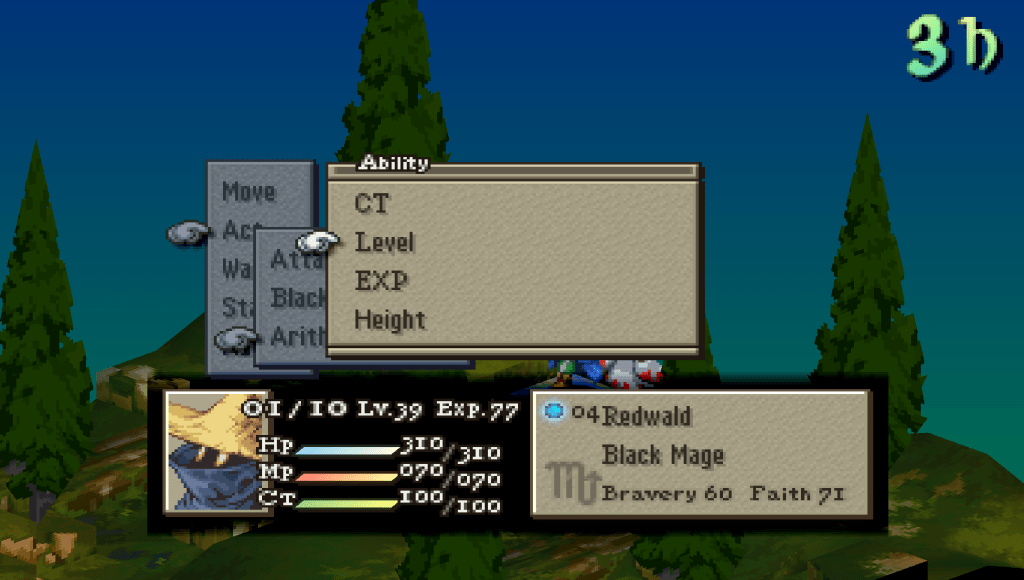
The Arithmetician itself is also incredibly slow, to the point that most units will act twice before it can act once, so the skill is far more useful when equipped to other jobs. When leveled, this is hands down the best job ability in the game. The difficulty just comes in leveling.
I simply used the errand system to take care of leveling this fella up. Since I’ve played this game before, I had a goal for each magic user to earn Arithmetician as soon as possible. In chapter 4, a whole bunch of errands open up, so I was able to learn every Arithmetician skill without being forced to actually used the job. Putting its unique ability, arithmeticks, on any other magic class will make them a total power house. It has some decent support and movement skills too, but the star of the show is definitely their primary function.
Best job ability in the game, hands down. As a quick aside, I prefer the PS1 name for this profession. Calculator. It sounds so stupid. When I was a younger fella looking up job guides, my mind couldn’t comprehend what a calculator could possibly look like. Does my unit transform into a TI-83 or something and start shooting graphs of flare at the enemy? Arithmetician is definitely a better translation, but it doesn’t make me smile as much.
Fashion score: Hate the male unit style. He looks like he might have a rat tail back there somewhere, I can’t endorse that. Female looks kinda boring but that’s preferable. You gotta trade some style for substance when using this job unfortunately. D
Dancer
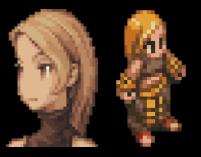
We have arrived at our gendered units! These have really harsh requirements, though if you have a Ninja or a Samurai at your disposal, you probably aren’t that far off from the requirements for Dancer. To do the tango, you need a female unit to hit level 5 as both a Geomancer and a Dragoon. Essentially, you need to have a lot of experience in all the physical jobs.
I’m a little confused by gendering this requirement. It encourages players who are aware of its existence to put female units down the physical path so they don’t miss out. The male equivalent does the same with a magic path. I think I would have just made Dancer and Bard available to all genders so you can get one of the two jobs unlocked regardless of what path you take. Or I guess if you’re a real sicko, you could just max every job out…but who has time for that?
This is a buffing/nerfing class primarily. It does have a cool move that can reset when enemy turns are, but it has a 34% hit rate so it’s not something that I’d recommend relying on. The main perk of this job is the excellent movement skills. They have access to the best jump increase in the game, though the Dragoon’s ignore terrain is probably more useful. They also have the ability to fly, which lets them soar over everything. Why the Dancer learns fly, I have no idea.
The requirements for unlocking the Dancer are so severe that I just don’t see why anybody would ever use one. By the time you get access to it, you have better options elsewhere. If you’re primarily a physical attack unit, as are the requirements for this role, why would you pivot to a buff/nerf machine? I feel like these sections make me look like a real casual because I just play the game in such a no frills way. I’m sure someone out there loves Dancers.
Fashion score: There are a couple of minor villains in the game who are dubbed assassins (they’re actually demons) who look just like the Dancer job. I always thought those were cool, so I really like this attire. I also think she looks quite fashionable in her character portrait. A
Bard

The male equivalent of the Dancer job. This one requires Summoner and Orator jobs to be at level 5. If a player sinks a lot of time into getting a character to be an Arithmetician, they probably won’t be too far off from having a Bard. Well, assuming that their magic user they raised is a male unit anyway.
Bards are purely a buffing job. I’m sure someone out there gets a thrill out of buffing characters in this title, but you really don’t need to. The ultimate skill of the Bard can instantly make friendly units act, but it only has a 50% success rate so it also isn’t something you should be overly reliant on. Better than the Dancer’s ultimate skill I guess?
The other abilities the Bard has access to are very similar to the Dancer. Instead of jump +3, they get move +3, which is preferable because it isn’t totally outclassed by a Dragoon ability that the Dancer might already have access to. This is a magic specialty class, you may not have any levels in Dragoon! They can also fly. If Edward from FFIV could fly, I bet he’d be a little more popular.
Fashion score: What’s the deal with the headband? I like my Bards to have big goofy hats, I’m less into Solid Snake cosplay. Also looks like the sprite plundered some Chemist ware. D.
Mime
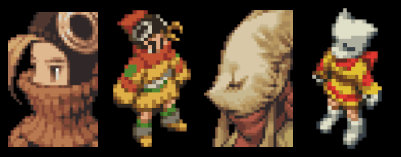
It’s so weird that “Mime” is often the ultimate hidden profession in these job heavy titles. You wouldn’t think a Mime would be this super badass elite unit, but it typically is. I certainly think the version in V is more useful, but skilled players can probably do a lot of cool things with a Mime too.
In case you forgot, the Mime in Final Fantasy V had no unique abilities on its own. Instead it could use more abilities from other jobs than other classes could. You might need to sacrifice the ability to use items or physically attack, but you can turn a Mime into a magical beast in V by giving it access to white, black and time magics. In Tactics, the Mime can’t learn anything or equip anything. They merely mimic every other action a human ally will take.
So if you physically attack someone next to you, the Mime will attack in that same direction immediately after. Same with magic and such. So on your Mime’s turn you need to think ahead about positioning. Sure, it might swing at the air a whole lot, but if you look at where it is at compared to other enemies on the field, you can effectively have OTHER units attack blank spaces only for the Mime to mimic that action and hit an enemy unit that’s nowhere near where the original attacking unit is located.
It’s a pure gimmick job. It can’t equip armor so it’s very easy to kill. That may sound bad, but if you have an Arithmetician on your team, you can cast a spell that hits most enemies on the map only for it to immediately be followed up by the same spell that hits the same enemies. A very powerful punch, but the set up to get to this point probably isn’t worth it. You need both Squire and Chemist to be level 8 (max level) and then the Dragoon, Geomancer, Orator and Summoner to be level 5. This is essentially your reward for having a unit that is good at everything.
Not worth the effort, in my opinion anyway, but if someone has played this game a billion times and are looking for weird ways to win battles…well, I’m sure they could have a fun time tinkering with Mimes.
Fashion score: What an interesting looking job. The male looks like a little brother in winter gear and the female looks like…I don’t know, a prototype nu mou from XII and Tactics Advance? She’s wearing a weird mask. It’s so different from everything else in the game that I can’t help but like it. B+
War of the Lions Exclusive 1: Dark Knight
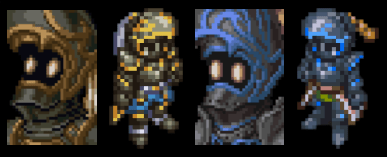
I normally don’t talk about stuff that gets added to these games in subsequent editions. For instance, in III I did not talk about the DS exclusive jobs. However, since I played War of the Lions for this recap, I feel it’s important to talk about these too. Since this game came out about 10 years after the original, they decided to add a couple of jobs and characters to the cast.
This one is the hardest job to unlock in the game and has such ludicrous requirements that most people will never ever see it unless they’re just grinding for the fun of it.
You need to have mastered the Knight and Black Mage jobs – this means learning all of their abilities and reaching level 8. You also need to have Dragoon, Samurai, Ninja and Geomancer at level 8. And finally, you need to have killed 20 enemies. This means knocking them out and letting three turns pass in battle before their corpse evaporates leaving behind some treasure. It’s an absurd requirement.
When I first got WotL in 2007, I was in that ‘oh man dark stuff is so awesome’ phase of my life and I really wanted to unlock this bad boy. However, I never did. A combination of the ludicrous slowdown between attacks on the PSP version and the steep requirements for unlocking it halted my progress. It seems to be a fairly traditional Dark Knight for the franchise though, specializing in moves that hurt itself but damage the foes even more.
It also learns the movement ability that the gendered units miss out on. So male Dark Knights can learn the Dancer exclusive jump +3 and female Dark Knights can learn the Bard exclusive move +3. Exciting.
Reading the FF wiki, they claim this is a powerhouse unit that is capable of one-shotting most enemies. I sure fucking hope so. You spend like 40 hours making one of these guys, it better be able to take on an entire army on its own.
Fashion score: Awful. I hate the way these things look. It looks KINDA like they’re going for the judge look from Final Fantasy XII – a game also set in Ivalice that came out a couple of years before this remake – but they don’t quite get there. Not a fan. F
War of the Lions Exclusive 2: Onion Knight
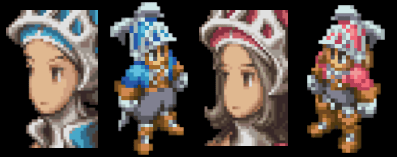
The other special job is a little less difficult to unlock. You simply need to hit level 6 as both a Squire and a Chemist to get it. The Onion Knight immediately shows up as mastered in your jobs menu because it has no abilities. It can equip none and it learns none. It also has pitiful stats right out of the gate, so I imagine most players will see the Onion Knight, try it out and then immediately forget it exists.
Of course, that’s not where the story ends. In FF V, the Onion Knight job gets stronger as other jobs get stronger. In Tactics, as you master jobs, the Onion Knight gets stronger. The FF wiki says that when you have 14 mastered jobs – there are 21 total jobs in the game, though only 20 are available based on your character’s gender – the Onion Knight has the best stats in the game.
It can also use every piece of equipment in the game. The PSP version has some multiplayer features that I couldn’t access because I was playing on an emulator nobody plays PSP anymore. In these modes, you can earn extra rare ‘onion’ equipment.
So if you master a bunch of jobs and equip that gear, the Onion Knight is near untouchable. The amount of time needed to get to this point for just one character is astronomical, but hey. The game has a super boss so if you really, really want to spend a lot of time building up to fight it, Onion Knight may be the best way to do it.
I think it makes sense for the PSP remake to add jobs like this. Making them so hard to unlock (or utilize in Onion’s case) ensures the player won’t be able to break the base game with them. The original wasn’t designed with these guys in mind. But hey, if you’ve finished the game, who cares if you cause havoc on everything else? Still, parts of me wish they would have tried to shoehorn a couple of midlevel jobs in there just for funsies. It’s not like I use the Mystic anyway, put something cool in I can use instead!
Fashion score: Unexciting. Though I guess it’s nice one of the female generic units gets hair that isn’t blonde. I thought male Monks and Bards were the only characters who had access to hair dye. Who knew! D
Notable characters
The nature of how this game’s story works means this section will be a little different feeling than in the past entries. For instance, Folmarv Tengille is one of the main antagonists of the game, but it’s difficult to say much about him as an individual.
So a lot of characters who would normally get their own entries are going to get grouped together. I also have a lot of ground to cover, so I’m not going to discuss as much plot stuff here as usual. I’ll cover it in the Ramza and Delita profiles, but elsewhere I’m mostly just gonna be talking about my opinion on the person and their utility. But first
Quick explanation on what the war of the lions is
Just like in the real world, the black plague was a thing in Ivalice. It killed the current king, Ondoria Atkascha III. The successor to the throne is the king’s son, Prince Orinus. Orinus is a small child, so the nobles of the kingdom want a regent to rule over the kingdom until the prince is of a proper age. The nobles mainly want this because they view the current queen as a power hungry woman who will do anything to see her son take the throne, which will see her rule by proxy.
The two candidates for this position are Duke Goltanna of the Order of the Southern Sky and Duke Larg of the Order of the Northern Sky. The Order of the Southern Sky has the banner of a black lion while the Order of the Northern Sky has a banner of a white lion. These two factions are fighting to determine who will rule over Ivalice for the forseeable future. Hence, the war of the lions.
Here are the leaders of those factions
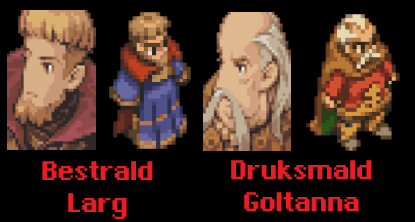
I would normally give characters like these profiles, but I feel they aren’t really that important to the story. They are just tools being used by other people. Goltanna’s big moment in the story, for instance, is being lied to about one of his loyal subjects betraying him and then immediately getting betrayed by someone else and killed. Larg is also betrayed and killed.
There’s also another war that I mentioned once above, but will also get a lot of play in character bios. The 50-year-war. This takes place before the start of tactics and has left a lot of the populace poor and desperate. These conditions give rise to a lot of the unrest you see in Ivalice.
Ramza Beoulve
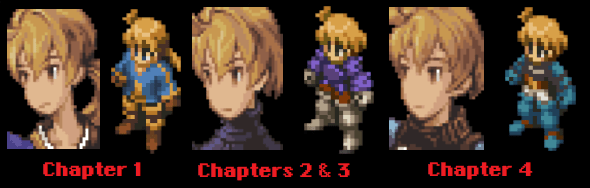
Ramza is a noble man from House Beoulve, one of the most important families in Ivalice. After the game’s prologue – an in media res affair that takes place after the events of the first chapter – our protagonist is depicted as a squire in the service of the Order of the Northern Sky. He starts the game by hounding a group of peasant revolutionaries known as the Corpse Brigade, a group who detests nobility and the order of the world.
The affair at the start of the game starts Ramza down an interesting path. He sees the inequalities of the world and starts to empathize with the peasant class. He and his friend Delita start to see the evils of society, which tears their friendship and the nation apart. This peaks when Ramza’s brothers kill Delita’s adopted sister, which causes Ramza to abandon the Order of the Northern Sky and take up life as a mercenary.
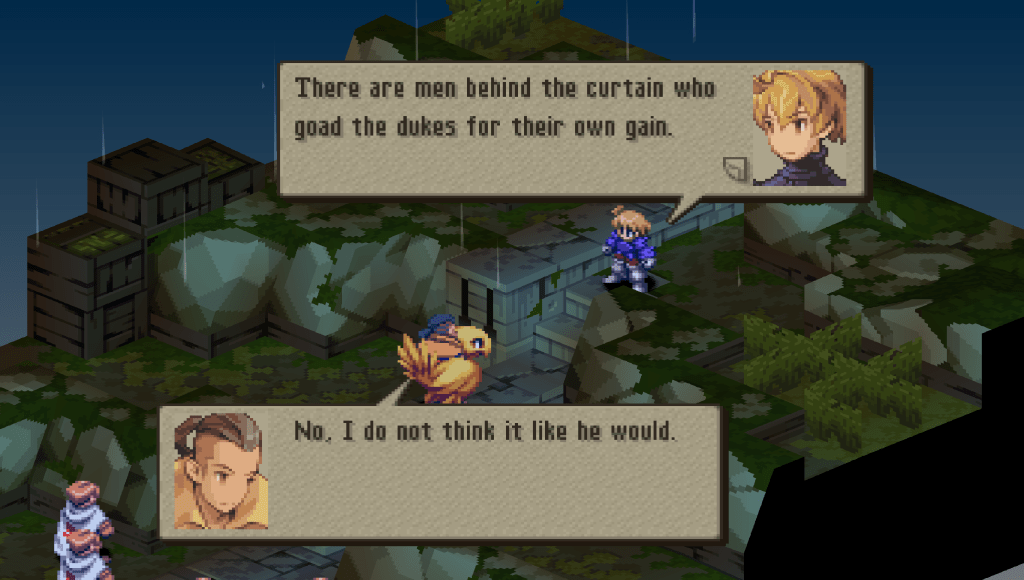
As a merc, Ramza discovers the truth about the ongoing conflict in Ivalice. The church is behind it all, they’re trying to work both sides against each other in order to become the true rulers of Ivalice. Inside the church is another faction known as the Knight Templars, who have been infested by demonic entities called Lucavi. The Lucavi want to resurrect the God Ultima. Some in the church are aware of this, some aren’t. Ramza discovers this when looking into the church and is branded a heretic.
Heretic Ramza has all of his deeds erased from the history of Ivalice. This game serves as a chronicle of his deeds as written by one of his companions. The hero history recognizes is Ramza’s friend Delita, so a lot of this game’s tale is a contrast between the heroic actions of Ramza and the background maneuvers of Delita.
Ramza as an actual character does not have a super interesting arc in my opinion. Even before he gets his eyes open to the inequalities of the world, he’s never portrayed as particularly bigoted or hateful. He treats humans with respect in general.
I think interesting things happen around him and he has some great dialogue, but compared to the main characters from VII onwards, except hilariously XII which also takes place in Ivalice, I find Ramza to be slightly shallow. It’s cool, sometimes characters are just there to have plot happen around them.

His end goal seems to be a quiet life away from everything. The end of the title sees him sort of leave everything behind with his sister Alma. It is ambiguous in the game, a supporting characters sees our protagonist and his sister on chocobos, but whether he actually literally saw them is up to viewer interpretation, but Matsuno has stated that Ramza and Alma live on and go on adventures in a different country.
I think it’s funny that both VII and Tactics end on ambiguous notes that get spelled out for the player after the fact. Can’t they just have an ending everyone understands completely like VIII!?
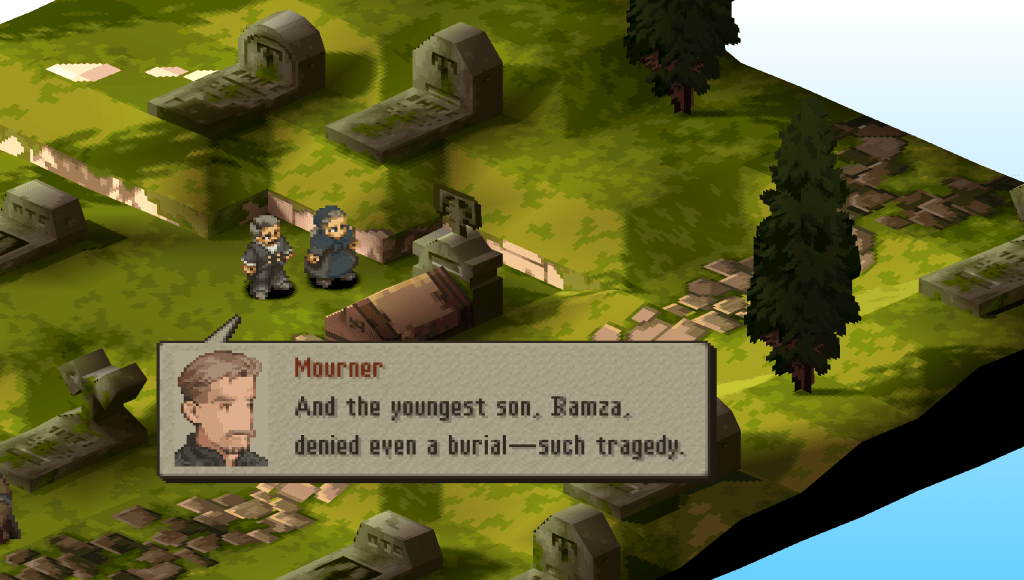
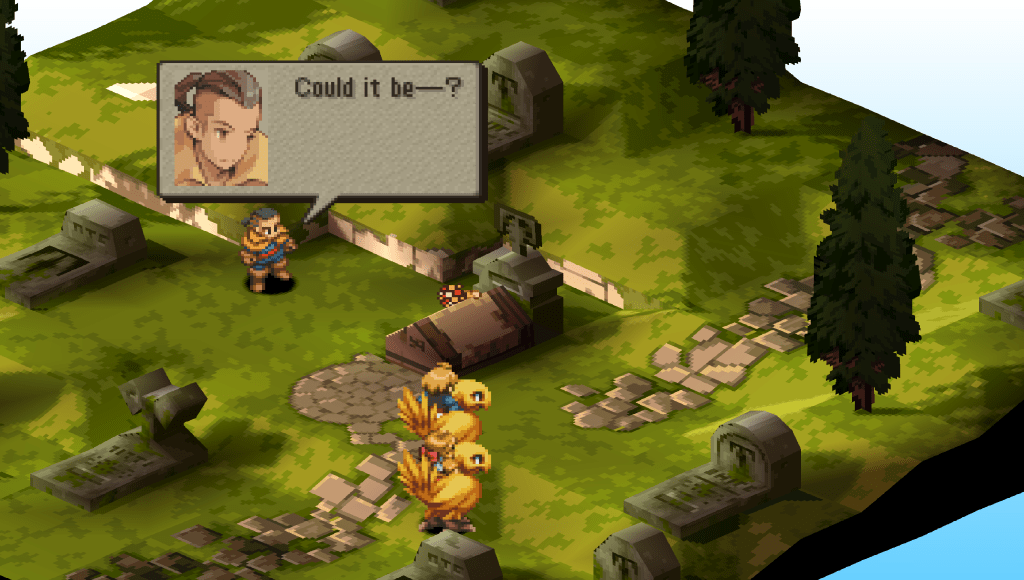
In this playthrough, Ramza was primarily a physical attacking unit. I generally go with physical builds with this fella, but thinking about it, maybe a magic build wouldn’t be such a bad call. Later in the game you get a lot of excellent physical units for free, while you don’t have as many options from a magic point of view. Ramza is good at everything, so he’d probably be good as a Black Mage Arithmetician slinging flare and holy everywhere.
Oh well. I’m boring. I beelined for the Ninja job and then when I got all the stuff I needed, I converted Ramza to a Samurai for funsies. He was always towards the top of my damage list and since he is required for most major story battles, it’s a damn good thing he was. The only times he wasn’t carrying his weight damage wise is when I stuck him as a Thief for leveling purposes. Hey, it’s not my fault daggers are less damaging than swords. I blame the shorter blades.
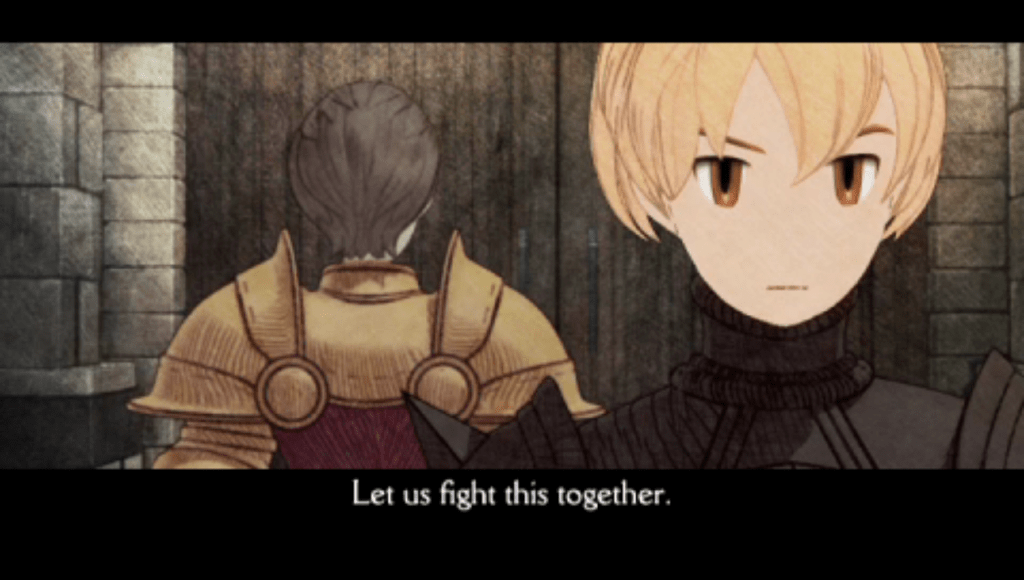
Delita Heiral
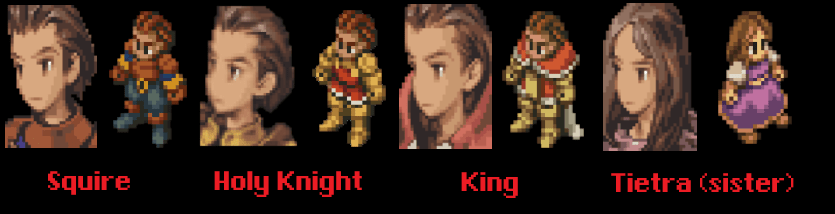
Delita and his sister Tietra were adopted by the Beoulves after their parents died of the black plague. Delita, Tietra, Alma and Ramza come across more as siblings than just friends thanks to this. They grew up with each other! But during the events of chapter 1, Tietra gets kidnapped by the Corpse Brigade. They think she is a Beoulve.
But the Order of the Northern Sky, under orders from Ramza’s brothers and led by a guy named Argath who we will talk about shortly, goes on a mission to eliminate the Corpse Brigade. The acting leader of the group uses Tietra as a human shield and Argath, without a moment of hesitation, kills both Tietra and the enemy unit. This enrages Delita and shows that, no matter what the nobility says, he will never be one of them. He departs from House Beoulve and Ramza entirely.
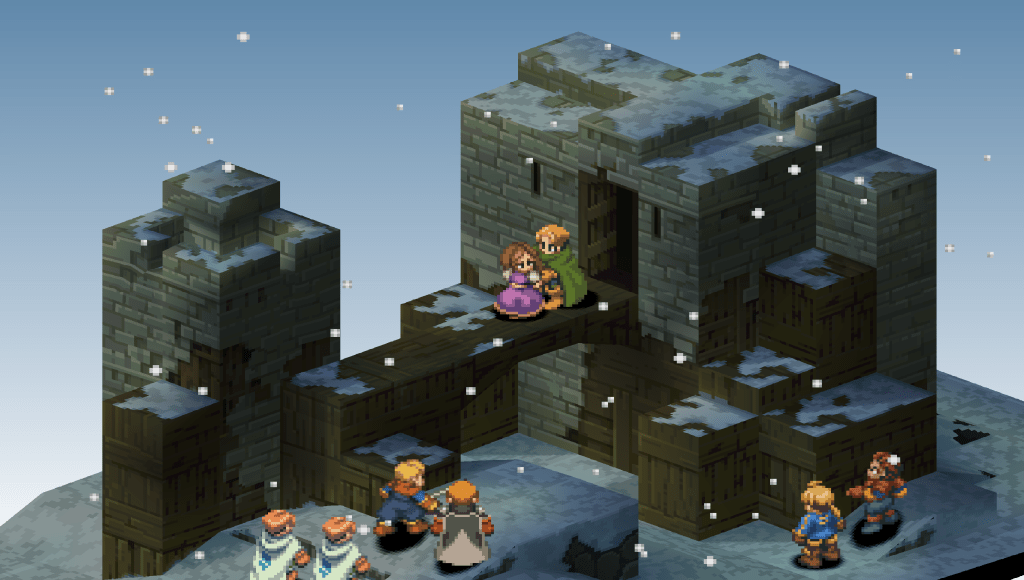

During the game’s prologue, Delita appears to be working for the Order of the Southern Sky. He’s actually acting as a double agent for the Order of the Northern Sky at this point. He also seems to be taking orders from the church. He has his hands in a lot of pies!
He intends to betray all of them and everyone involved to further his own goals. He forms a relationship with someone who has a claim to the throne, Princess Ovelia (more on her later) and ends the game by marrying her and becoming king. It’s a quite literal rags to riches story.
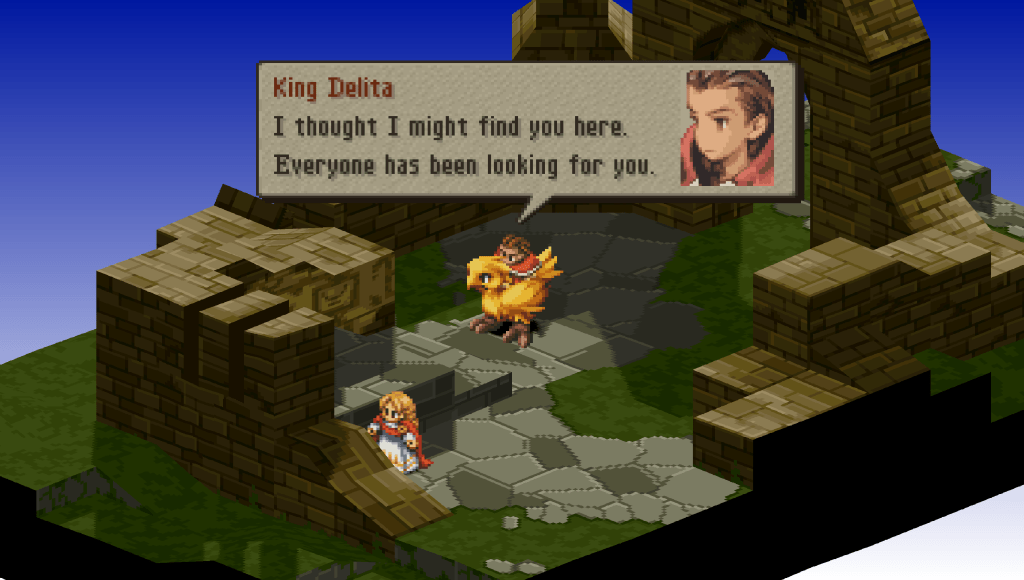
Delita has to betray and alienate basically everyone he encounters in order to be seated on the throne. In the after credits scene, his wife Queen Ovelia attempts to murder him. He is a ruler that has no trusted allies and his final lines of the game are him pondering whether he or Ramza made it out of things better.
It’s an interesting contrast. You have Ramza, a man who surrounds himself with countless allies but has been erased by the history books. And you have Delita, a man who is alone but heralded and celebrated.
The beginning of the game seems to suggest he survived his stabbing attempt and went on to become a successful king that oversaw a lengthy and peaceful reign, but one of the themes of Tactics is the unreliability of official narratives.
It’s revealed that the events of this title are being told to us by a man from the distant future. The official records state Delita was awesome, but he was clearly a little underhanded, so could the official records also be whitewashing his reign as king? I mean, what peasant wouldn’t love the idea of a king who came from such humble roots?
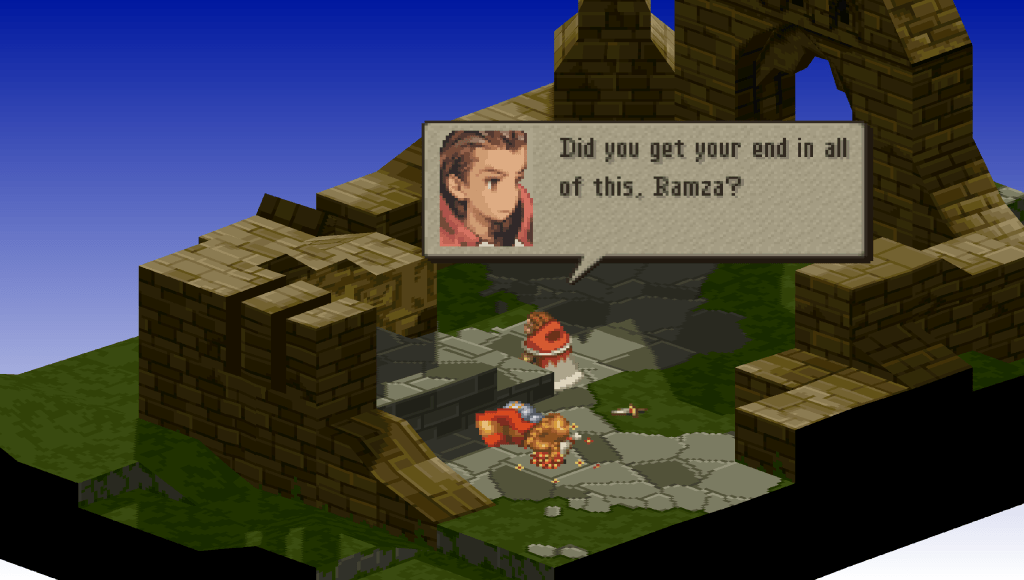
I’m probably thinking too much, but I very much enjoy that some of this game can indeed be left up to interpretation. As a character, I find Delita far more interesting than Ramza. As a lower class individual, his dealings with the power structure of Ivalice hit a little harder. It’s also fun to see all of his background maneuvering. You never really get a good grasp as to where his true allegiances lie – it leaves the player guessing.
He does claim that he truly wants Ovelia to take the throne, but once again, can you trust him? Delita betrays every notable ally in his rise to power. He says he doesn’t want to use her to further his goals, but is that true? It’s up to you to decide. Awesome. I love that I can have a different take on Delita’s motivations than another person who played the game. While Ramza is the ‘protagonist’ of the game, Delita feels like the true main character. FF XII would go through this too with Vaan and Basch. Ivalice games!
Ovelia Atkascha
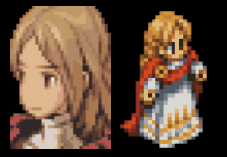
Ovelia is allegedly a princess with a claim to the throne of Ivalice. She is raised by Duke Goltanna and sent away to Orbonne Monastery at the start of the game and the Duke hopes to bring her back into the fold and put her on the throne. She is still too young to take proper command, so his aim is to become regent with her as his puppet queen.
Ovelia is told that she isn’t ACTUALLY the princess, but is instead a random child that they gave the princess’s identity to after the real Ovelia died at some point. Whether you believe this or not is up to you as it has no bearing on the overall plot and the people who tell her this are villains, but hey, there’s some backstory.
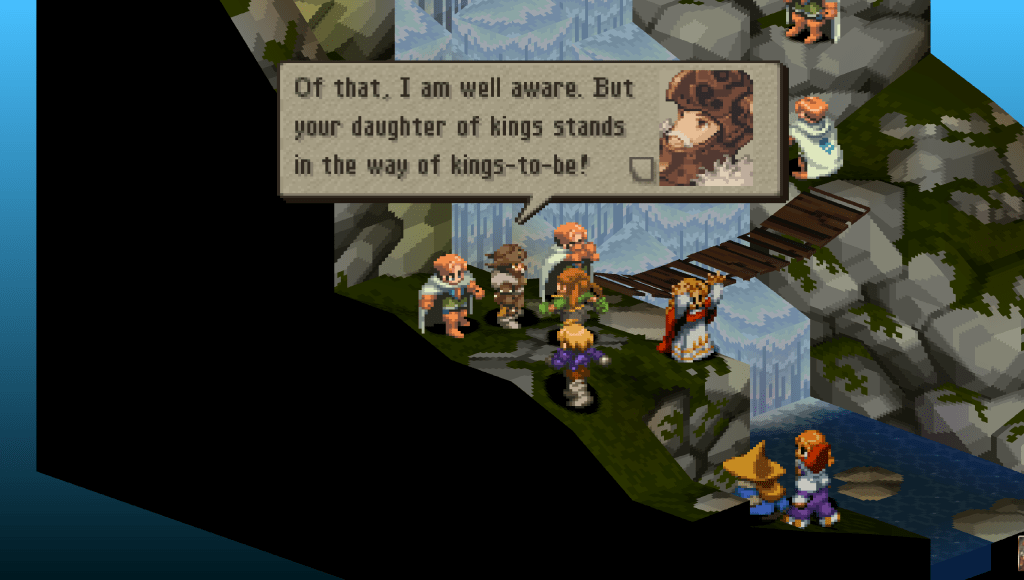
Ovelia spends the majority of the game being saved by Delita or just being around him. She has a great fear of being used and ultimately feels like Delita is using her, which is why she tries to kill him at the very end of the game.
You spend a lot of time feeling bad for the ‘princess.’ She is part of this giant conflict for the crown that she really wants no part of. She is given to the church for safe keeping at one point, and they only really want to use her for their goals. Goltanna wants to use her. Delita (depending on your perspective) wants to use her. She’s just a tool. She doesn’t get a whole lot of personality in my opinion, so unfortunately her role in the story fits the definition of ‘tool to move the plot forward.’ A device no matter how you look at it, sad.

In combat though, she’s pretty cool. She joins occasionally as a guest character and has an ability that casts all sorts of buffs on one party member at a time. One of these buffs is reraise, which brings you back to life after being killed. So even though a lot of her guest battles come with text that says “PROTECT OVELIA” or something like that, they aren’t so bad because she is really hard to put down permanently. Wish you could control her, she’d be the ultimate White Mage.
Argath Thadalfus
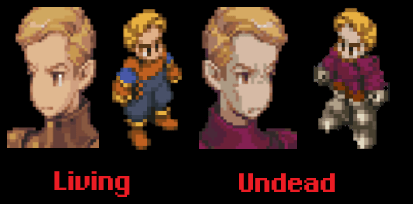
I would argue that this is one of the more despicable characters in the franchise’s history. They give him “FFVII Remake Shinra” style writing in a game that doesn’t have a lot of moustache twirling villains. This makes him stand out and even though there are characters that arguably do worse things, including an actual rapist, Argath is the one people remember and despise the most.
You meet him early on. He is being attacked by the Corpse Brigade and you have the option of prioritizing his rescue or destroying the enemy. While this is a true choice, the game isn’t fibbing, this is an incredibly difficult battle to win if you attempt to save Argath. I think in this playthrough I tried two or three times to save him and he died before even two of my own characters could act. The game sort of forces your hand into choosing the other option by making the ‘obvious choice’ option insanely hard.
As you learn more about Argath, you see he is a firm believer in the current hierarchy of society. He sees commoners as less than human, vermin beneath the nobility. He speaks about his fellow man in ways that would absolutely get you banned from any social media platform today. H
is difference in attitude compared to Delita and Ramza is extremely stark and comes to a head when he tells Delita that they should just leave his sister Tietra to rot. She is but common blood, so spilling even a drop of Beoulve blood to save her is a waste of time. This causes a split in your group.
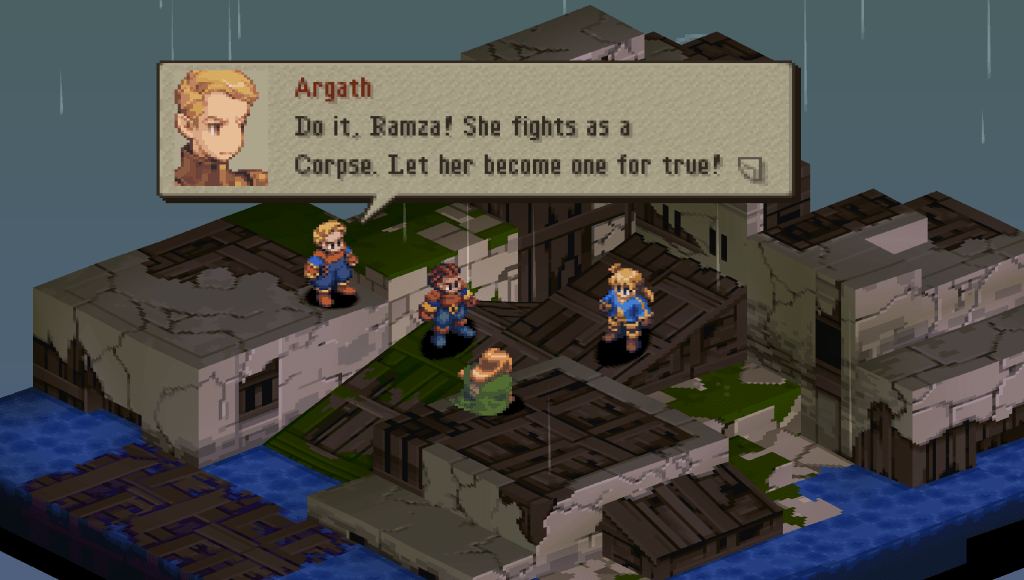

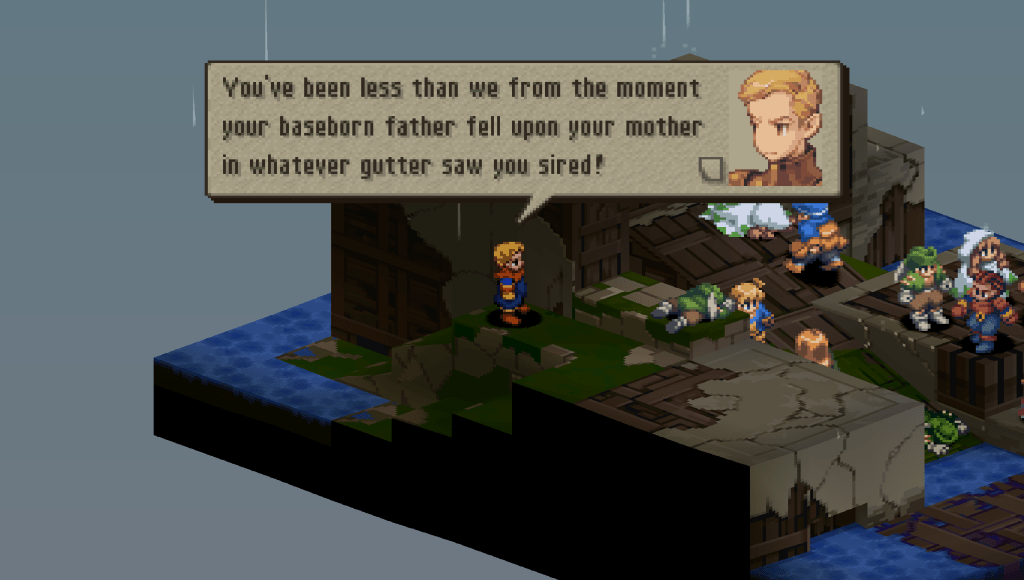
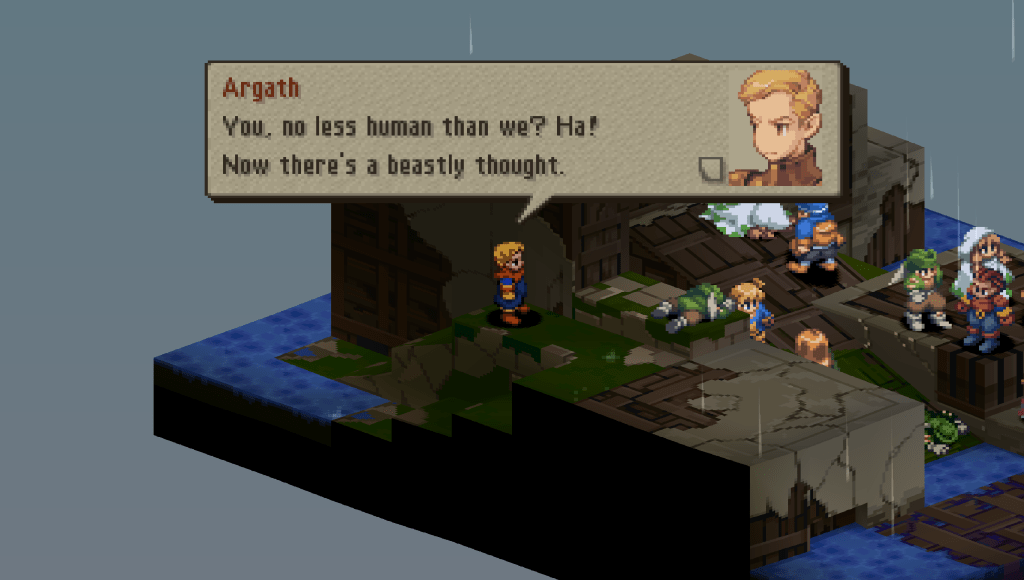
Argath then shows up with the Order of the Northern Sky to take down the Corpse Brigade and, with no hesitation, strikes down the acting leader of the group and Tietra, who he was using as a human shield.
You remember how I said the game sort of forces you to make a choice by making the other option insanely challenging? There’s a line of dialogue where Argath asks Ramza if he is any better and uses that very mission as his logical standpoint. “You didn’t want to save the random civilian either when you had a chance, so why do you expect me to act different?”
It’s an effective bit of storytelling because the player (likely) quite literally chose the easiest and simplest option to victory instead of trying over and over again to make Argath’s AI cooperate with you and not die. Argath’s solution he came up with was also the simplest and easiest one.
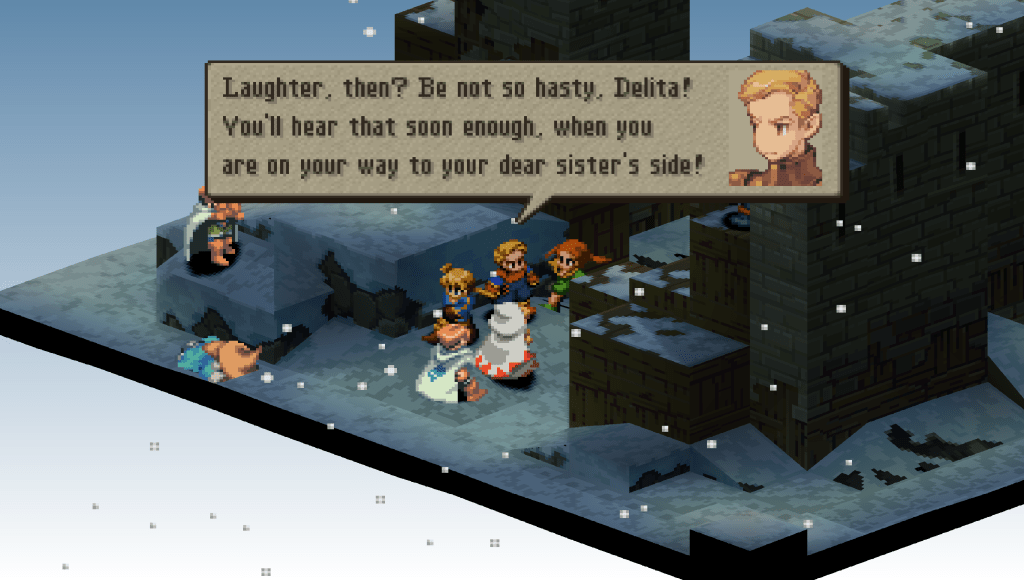
At this point in the game the Corpse Brigade is in tatters. The leader has fled and their influence is waning. Kill the acting leader, end the corpse brigade. Easy. It also makes Delita turning his back on Ramza after this moment make a little more sense because he personally saw Ramza act in a similar way.
It’s an extremely satisfying battle because it feels good killing this fuck. He’s one of the most detestable characters in Final Fantasy history. Everything about him makes you want to smack him in the face, so it’s very nice that you can do just that at the end of Chapter 1. The church later resurrects him for some reason at the very end of the game in order to slow your progress. I say some reason because I have legitimately no idea. It’s not like Argath is a mighty warrior, he’s just some asshole noble.

Still, I am grateful for the opportunity to kill this guy a second time.
Agrias Oaks
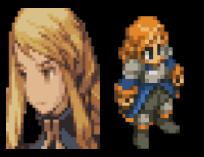
Agrias is a member of the Lionsguard, which is the force that guards the royal family. Her task at the prologue of the game is to protect Princess Ovelia and when Delita captures her, she immediately takes chase. She is portrayed as loyal to the crown and never deviates too far from that.
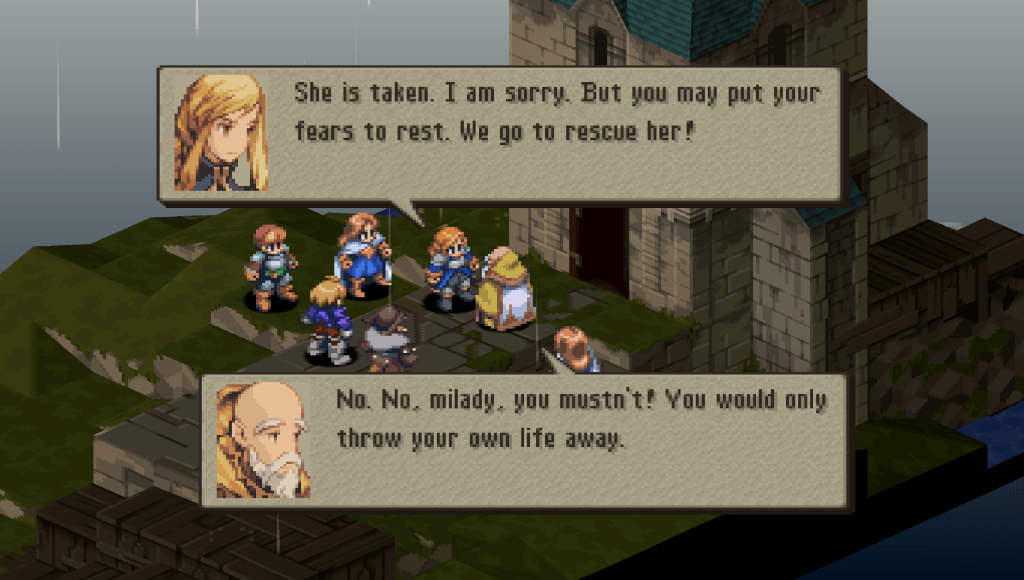
It was her bright idea to put Ovelia in the care of the church, which leads to Ramza learning of the Lucavi and being branded a heretic. So in a way, the reason Ramza is wiped from all history can be traced back to her. What a jerk! But this turn of events transforms her into a permanent ally, which gives you access to holy knight skills for the first time.
Characters that join your army that aren’t generic units typically have their own unique special abilities and a unique job. This job replaces the Squire job, so it retains all of the additional things the Squire can do (additional movement, increased JP) while having distinct combat skills. Until the end of Chapter 2, the player witnesses various holy knights using these overpowered combat skills and might feel envious. When Agrias joins you for real, you finally get access to them and it feels amazing.
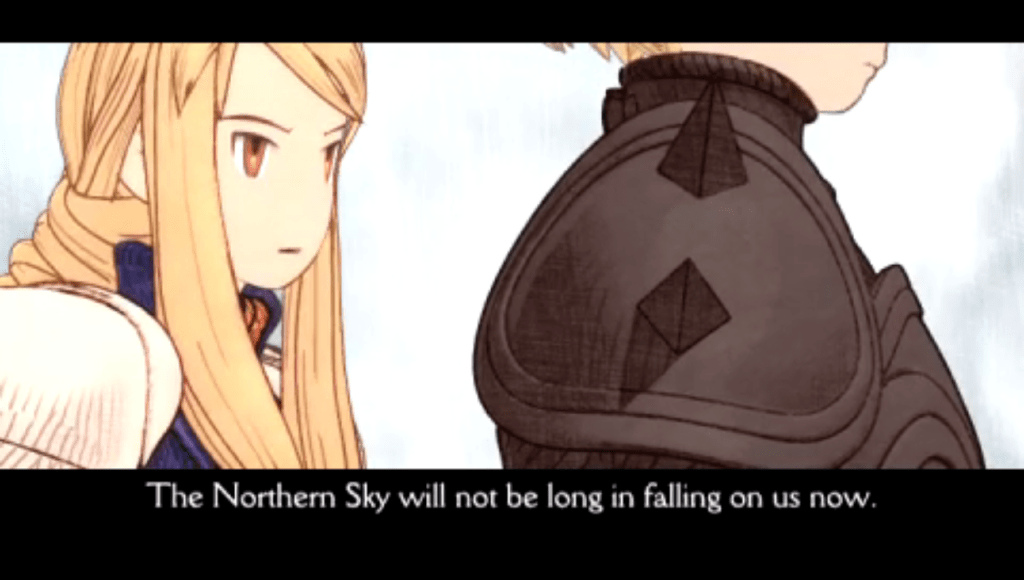
As a result, Agrias is always one of my favorite characters and is typically in the party for quite a long time. I had to watch my enemies use cool sword based attacks that can be utilized at a distance and now I finally can too? Hell yeah. Her attack power and usefulness wane significantly and she gets outclassed by several new party members in chapter 4, but she will likely be a life saver during some of the harder parts of chapter 3.
I’ve always loved that the webcomic whompcomic has a main character named Agrias who explicitly is named after the Final Fantasy Tactics heroine. Ronnie is a wise individual.

Mustadio Bunasa
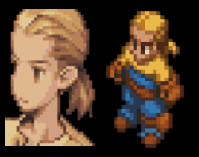
Mustadio is the first ‘guest’ character to truly join your party. His gimmick is that he’s a machinist, he would be the closest this game has to a traditional Cid. Oh don’t worry, this game has a Cid, but he ain’t traditional.
He is introduced into the story to help show you that the church are reaching for power behind the scenes. He and his dad have possession of something called an auracite stone. It turns out this stone is really called a Zodiac Stone, which according to Ivalician legend, was used by warriors called the Zodiac Braves to defeat a group of demons known as Lucavi. The stones are seen as important objects by the church because of this, and they wish to hold them in order to earn the faith of the people.
Well…some of the church is under that impression. Other parts of the church are aware that these stones are ACTUALLY tied to the Lucavi and can turn their users into literal demons. So yeah, Mustadio has one of these stones and the church wants it bad. This reveals to Ramza the true machinations of the men of cloth and has his crew running back to save Ovelia from their clutches.
After this, Mustadio goes into the background until chapter 4 when he becomes the key to unlocking several hidden characters. Using the zodiac stones in a variety of inventions, Mustadio is able to awaken ancient golems and bring spikey headed heroes across dimensions in order to join your team. He’s an invaluable member of your squad for this alone!
My first time playing this game, I was NOT aware of how important Mustadio was to acquiring extra characters. I was absolutely obsessed with recruiting Cloud Strife. I needed to have him in my party. Unfortunately, for some boneheaded reason, I REMOVED Mustadio from my team. My gut feeling is that my chocobo kept popping out eggs and filling all of my slots, so I probably purged a bunch of chocobos and a couple of ‘useless’ party members to go along with it. What a disaster!
Of course, this was in 2001. You were still allowed to cheat in video games back then. So I used my gameshark to put Mustadio back into my party so I could attain Cloud in the proper way. Why didn’t I just hack Cloud into my party then? …I dunno, it made sense to me at the time.
Anyway, he’s fine in combat. Mustadio introduces your party to guns, which can also be used by Chemists. The machinist abilities are useful in that they can hinder enemy moves and actions, but also kinda lame so he never sees a lot of usage from me.
For the majority of Chapter 3, I would use three generic units, Ramza and Agrias. I think I used Mustadio exactly once in this playthrough and it was because there was a map that had a lot of elevation and environmental hazards that hinder movement and Agrias has putrid movement stats. So his gun abilities were necessary.
Thanks for Cloud, bro!
Goffard Gaffgarion

In the prologue, Gaffgarion is shown as the leader of the group of mercenaries that Ramza is palling around with. He claims that he was hired to protect Princess Ovelia from outside interference and gets enraged when Delita and the Order of the Southern Sky show up to spirit her away.
In actuality, Gaffgarion was hired by Dycedarg Beoulve of the Order of the Northern Sky to kill Ovelia in order to help Duke Larg’s case for the regency remain strong. Ramza is unaware of this little wrinkle and becomes infuriated when Gaffgarion reveals it to him, which causes a split between the two. The older mercenary is quick to remind you that he’s a sell sword, so this isn’t a truly insidious bit of action on his part. It’s just part of the job.
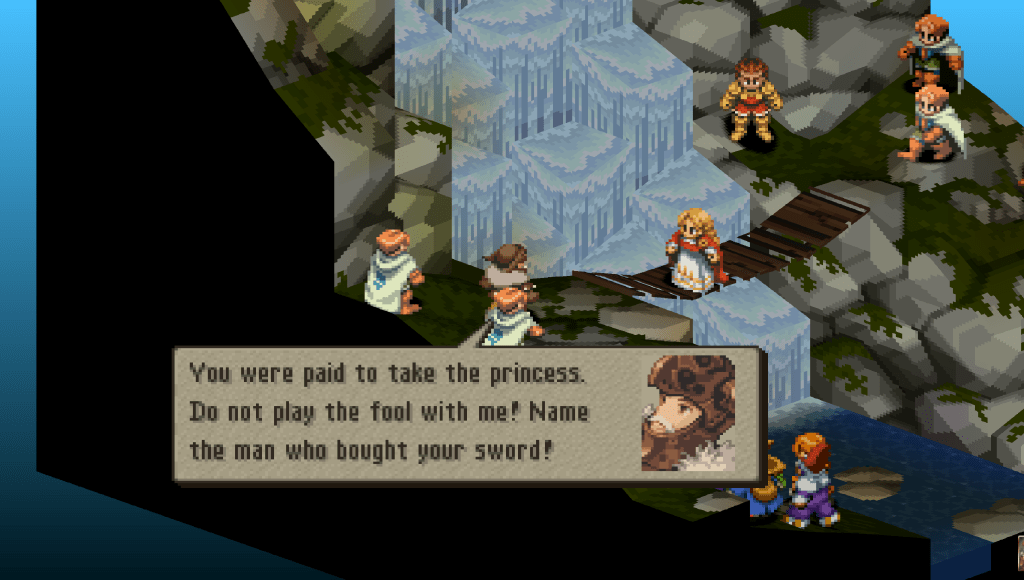
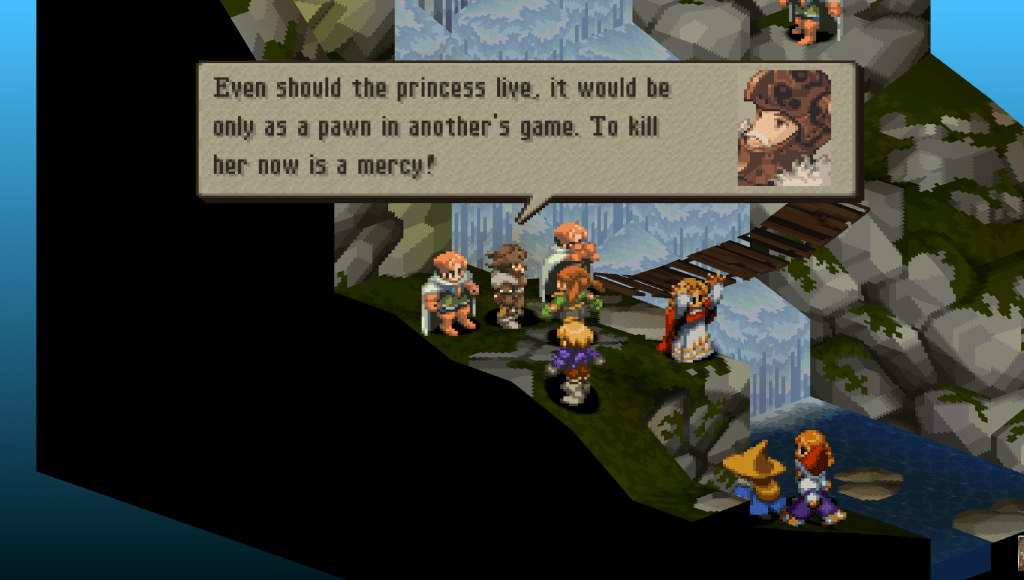
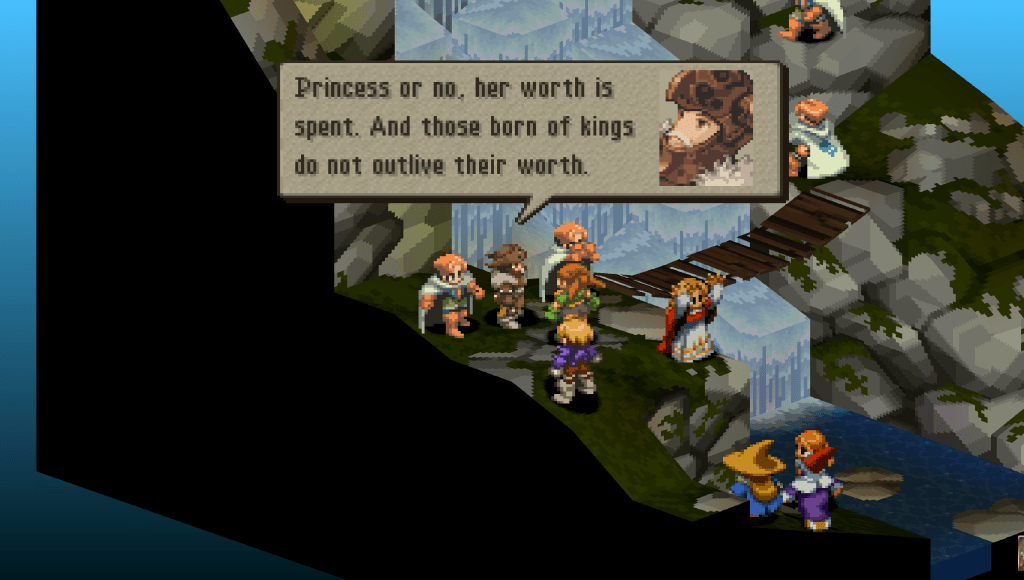
Gaffgarion becomes one of the main antagonists for chapter 2 of this journey, climaxing in a big battle that sees Ramza forced to take him on solo for a large majority of the battle. He doesn’t hit THAT hard, so it’s very easy to move around the map and stall until you can open things up for your other party members, but this is a bit of practice before your true 1v1 test later on in the game. You can sort of tinker around to find out what attributes are handy for solo fights.
But he does use sword magic like Agrias does, so it feels a bit intimidating to face down one of those users on your lonesome. Best get used to it though because you fight a lot of enemies with the ability to ruin your day with sword skills.


I think Gafgarrion is a really solid antagonistic force. He comes across as a true mercenary scumbag with no real allegiances, he’s truly living paycheck to paycheck. One of the underlining plots of the game is how a lot of knights need to turn to this kind of work since they have absolutely nothing following the conclusion of the 50-year-war. Such circumstances give rise to amoral sellswords like Gafgarrion.
It is very easy to picture mercenary Ramza ending up like this down the road if he stays in this line of work.
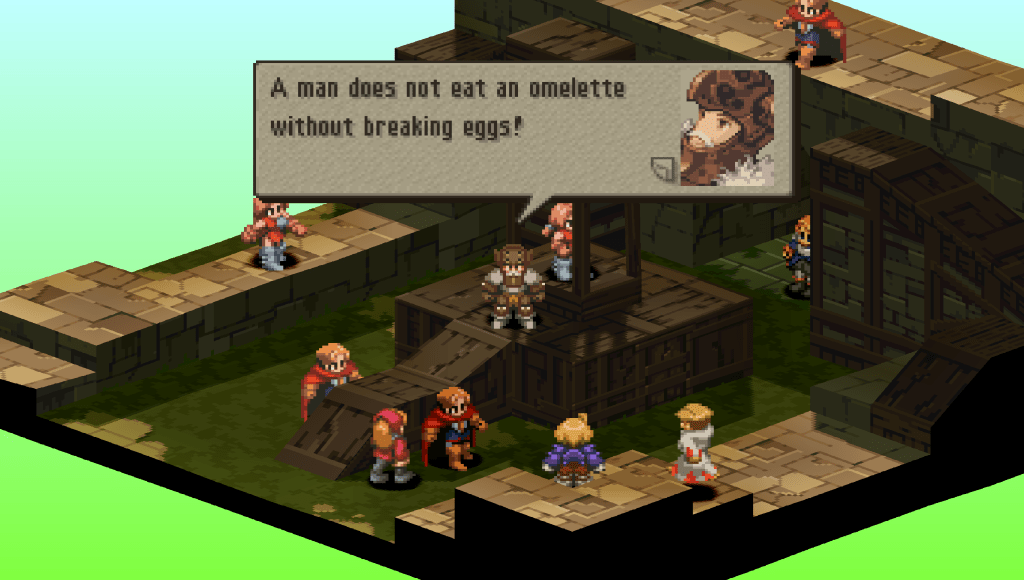
House Beoulve
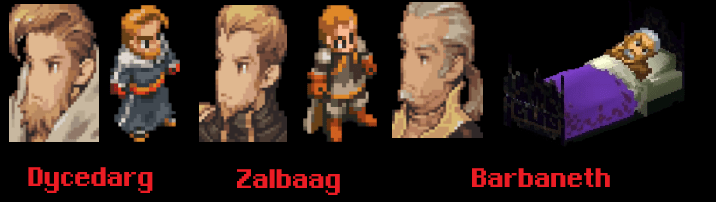
In the beginning of the game, you see Barbaneth, House Beoulve’s patriarch, on his death bed. His family is mourning around him as he bids them farewell. It is initially portrayed as something of a wholesome scene showing how tight the brothers of this family are. As the story progresses you learn that these details are false.
Dycedarg was originally pegged as the leader for the Order of the Northern Sky but abdicated that position to Zalbaag. He moved to be Duke Larg’s primary ally and adviser. On the surface, it seemed like Dycedarg wanted to be in this position to hoist Larg and the Northern Sky to the throne, but this isn’t quite true. Dycedarg wanted to be next to Larg so, when the opportunity arose, he could assassinate the duke and elevate his family to regency status.
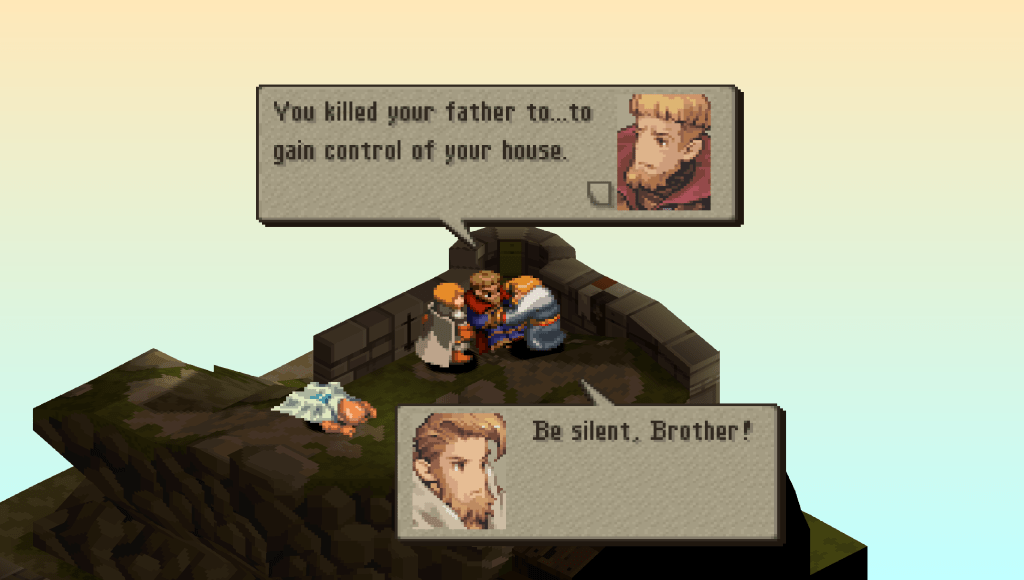
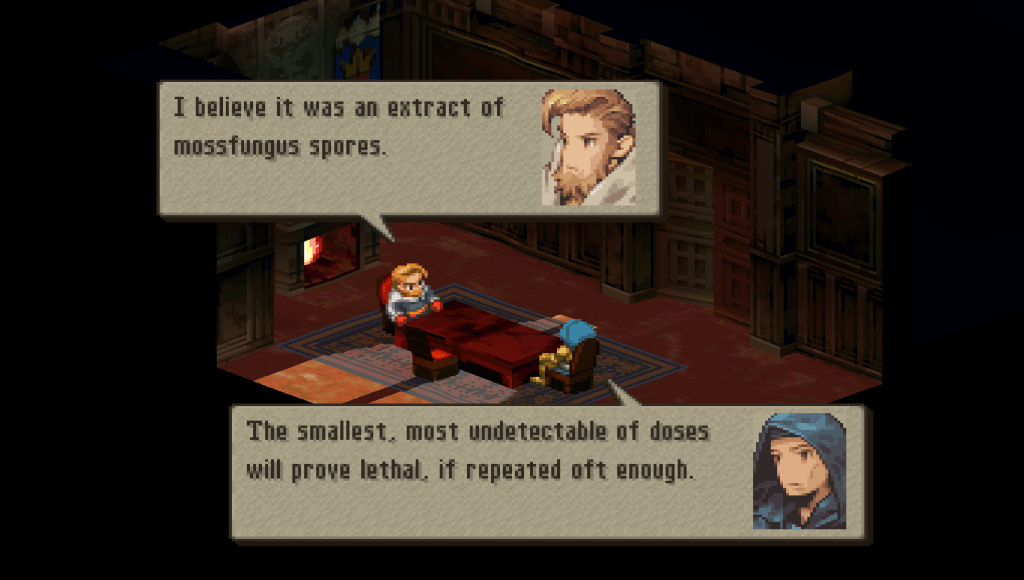
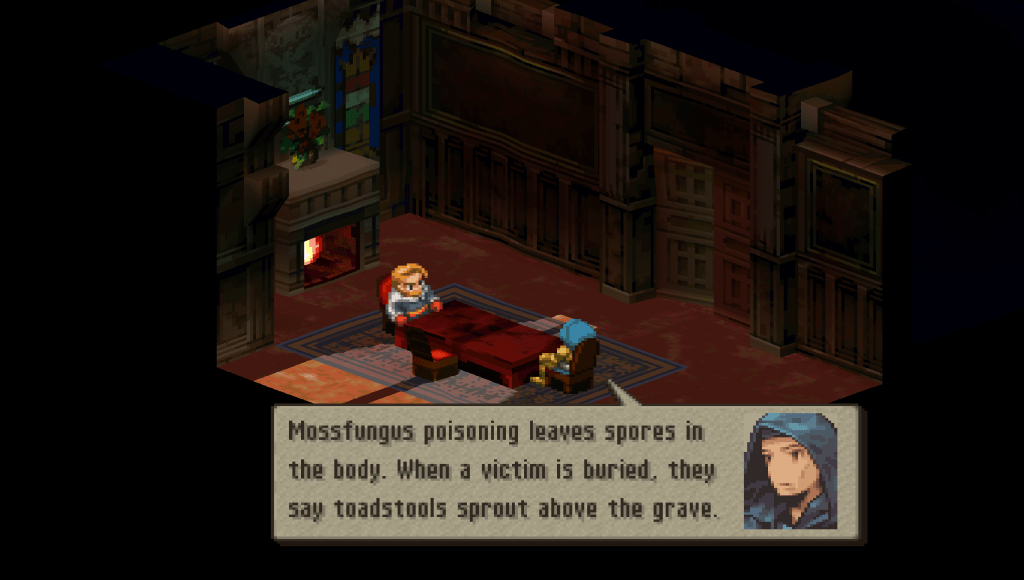
This wasn’t his first murder – Barbaneth did not die of natural causes it turns out. Dycedarg slowly poisoned him because he would have not been down with this plan. In ‘ol darg’s eyes, Barbaneth was holding the family back from its potential. When Zalbaag learns of this, via a tip he receives about the poison that killed his father, he turns against his brother and joins forces with the heretic Ramza in order to take out this big threat. But unfortunately for Zalbaag, Dycedarg had been given one of the Zodiac Stones by the church.
The stone transforms Dycedarg into a Lucavi and he slays his brother Zalbaag. After Ramza takes out the Lucavi, this spells the end for House Beoulve. Ramza is out of the history books and wants nothing to do with these guys and all the other family members are dead. Well, save for sister Alma, who we will talk about in a bit.
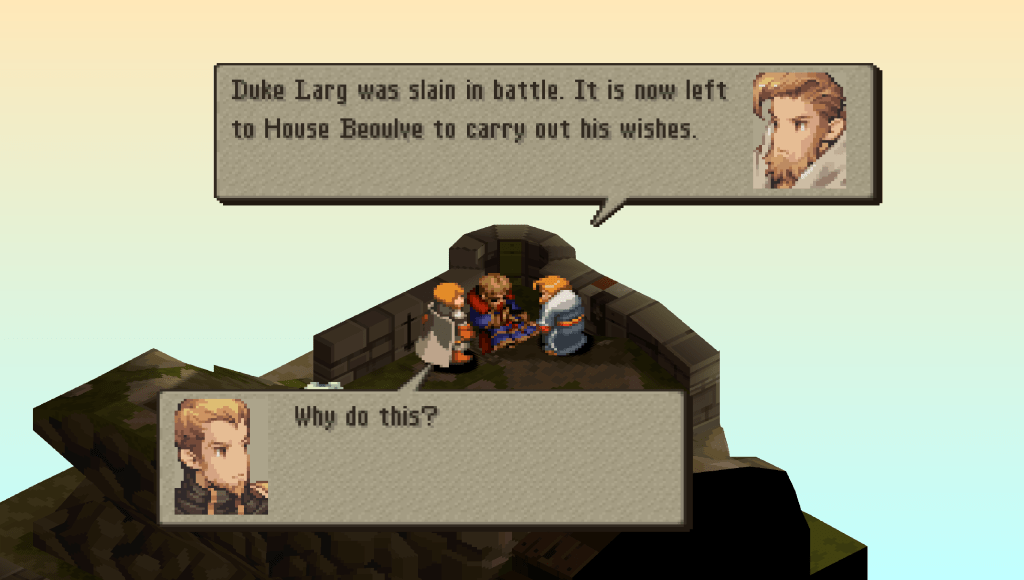
I think Dycedarg is one of the more compelling villains in the game. On the surface he seems very loyal but in the background he schemes and politics in order to move his own interests ahead. That’s sort of why I’m not as big on the super natural elements of tactics. I liked slowly learning about all the treachery and nefarious things Dycedarg was doing, I didn’t think we needed to kill him only for the zodiac stone to bring him back from the dead. I think it adds some unnecessary elements to an already fascinating story.
As far as boss battles go, Dycedarg and Lucavi Dycedarg come AFTER the hardest fight in the game. So while it may be tricky for some, the player overcomes far worse over the course of this journey, so Dycedarg sort of gets forgotten about in the ‘FF Tactics is kinda tricky sometimes’ conversation.
Zalbaag is seen for a lot of the game as the more sinister of the two brothers. He is the one who gives Argath the command to kill Tietra and the acting leader of the Corpse Brigade. And while his ideals are certainly not the most pure, he is not nearly as loathsome or as cunning as his brother. He’s more of a shades of gray character. When he realizes the truth of Dycedarg’s scheming, it seems like he would have gone on to join Ramza’s crew. If only he didn’t suffer the debilitating handicap of death.

And Barbaneth…well, I just like his sprite. Look at him in that bed there. He looks so grumpy.
Cidolfus Orlandeau
Here we go, the true Cid of Final Fantasy Tactics. Breaking from tradition, he knows basically nothing about technology or engineering. Instead he is a respected member of the Order of the Southern Sky and a veteran of the 50-year-war. He earned the nickname Thunder God Cid during his combat tenure. Unfortunately, Duke Goltanna gets it whispered in his ear that Cid is working to betray him and the proud warrior gets sent to prison.
When Delita betrays Goltanna, Cid joins up with Ramza’s crew. As an honorable man, he wants nothing to do with whatever the church has planned for Ivalice and offers his sword to the battlefield once more to maintain peace in the realm.

As mentioned a few times in this retrospective, T.G. Cid is hands down the best unit in the game. He gets access to sword magic but can hit far, far harder than Agrias can. He also has access to sword magic that can rend equipment, which is borrowing the main perk of the Knight class.
So you can have him march around the battlefield and one hit most basic enemies. Anything he can’t one-hit? You can probably break their armor (his success rate for breaking stuff is far better than a Knight’s) and make them feeble for your next character.
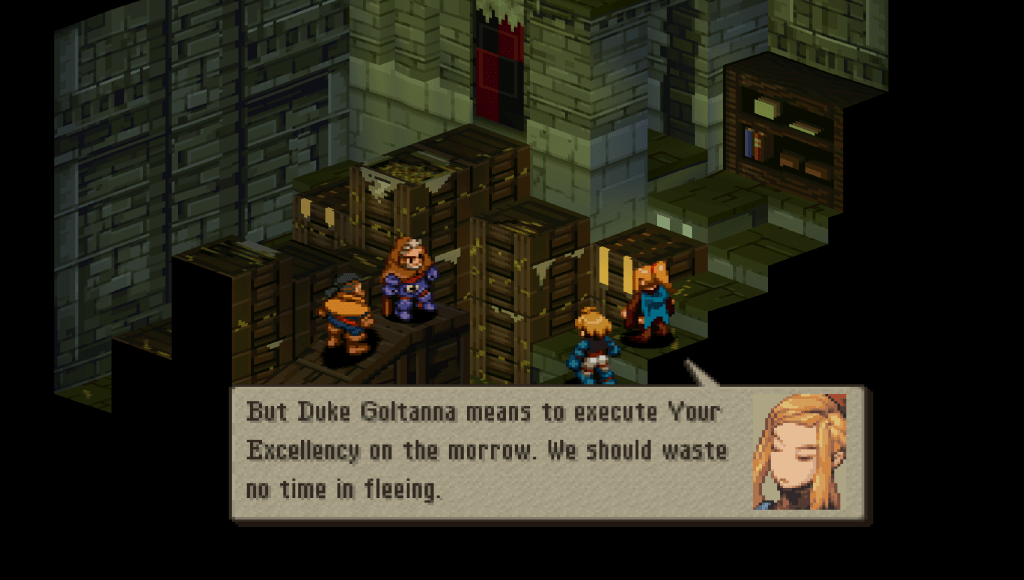
When he joins your game, the difficulty just vanishes. As long as you can keep Cid healed, you’re probably not going to have much trouble with the final encounters. He is so strong that it’s sort of amazing that he isn’t an optional character. I think most experienced players probably bench Cid because he renders all the tactics you employed up to this point null and void. But I didn’t. I haven’t played this game for a few years and I wanted to see if Cid is as good as I remembered.
He is. If you’ve heard rumors of his strength or you’ve read clickbait lists of the TOP 10 STRONGEST FINAL FANTASY CHARACTERS or something like that, just know they are 100% correct and do not over exaggerate things. Cid is a living cheat code. But given the struggle some players experience just to make it to the point in chapter 4 where he joins you, it’s a cheat code the player earns.
As a character, he’s pretty standard. He’s the old veteran knight that even his enemies respect. They still try to kill him, but they acknowledge his legacy and importance to Ivalice. Also if you squint, he kinda reminds ya of Jedi Knight in hiding Obi-Wan Kenobi from the obscure film “Star Wars Episode IV: A New Hope.”
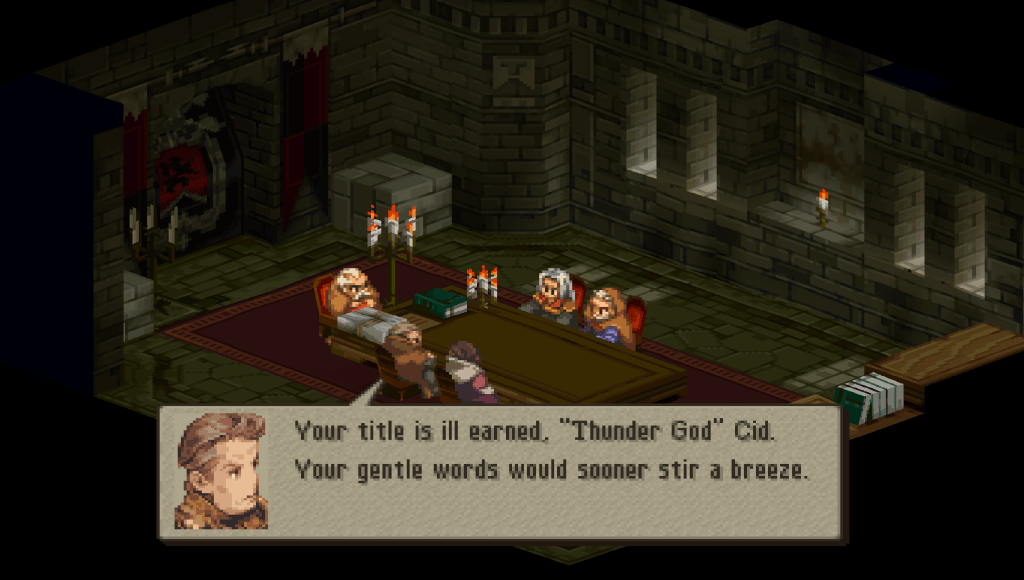
Wiegraf Folles
Wiegraf is introduced to the party as the leader of the Corpse Brigade. He is portrayed as an idealistic and honorable individual who wants to see society changed. Over the course of the story, the Corpse Brigade kidnaps two characters – Marquis Elmdore and Tietra. Wiegraf is not fond of either of these methods. His sister Milleuda is killed in combat with Ramza and co. so it causes his heart to harden a bit in regards to Tietra, but he still sees himself above all these tactics that the nobility utilize.
However, in combat with Ramza, he sees that things are not looking too hot and flees the scene. The Corpse Brigade withers without him. He re-emerged after a year or so to mourn at his sister’s grave. At this point, a member of the church comes up to him and brings him over to their side as a Knight Templar. They give him a little gift in doing this too, a Zodiac stone.
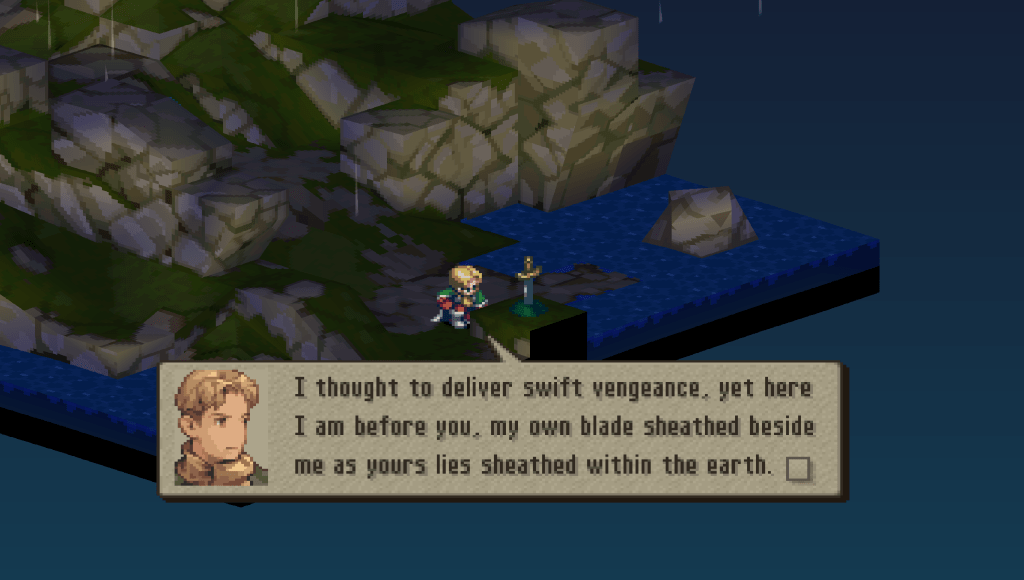
From here, Wiegraf becomes consumed by revenge. Ramza killed his sister so he wants nothing more than to rip that little rat tail off the back of his head. You can see his character sort of crumble from the idealistic noble-fighting man to a fellow consumed by blood lust.
This comes to a head when the once hesitant-to-take-hostages Wiegraf captures Ramza’s sister Alma in order to bring the brat to him. It’s like a miniature version of Breaking Bad, but instead of crystal meth, Wiegraf sells wanton misery.
I very much enjoy this guy. It’s interesting to see an enemy of the protagonist fall from grace. That’s the most interesting usage out of the shades of gray characterization of Tactics. You aren’t really made to hate Wiegraf during your initial encounters, you kind of understand where he’s coming from. But as the world continues to bully him, his beliefs are shaken. He’s a ‘villain’ you go from respecting to reviling. It’s some good stuff.
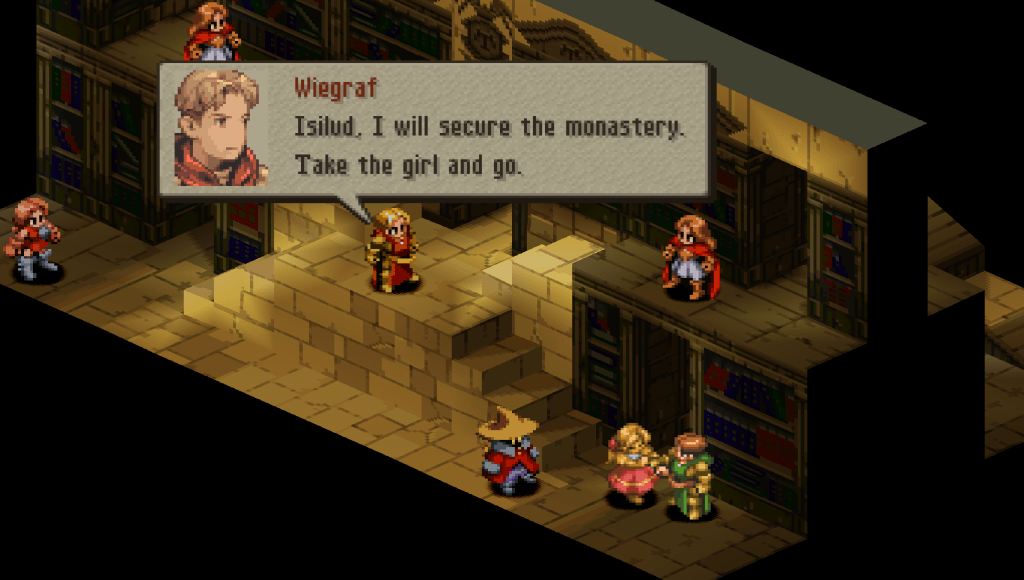
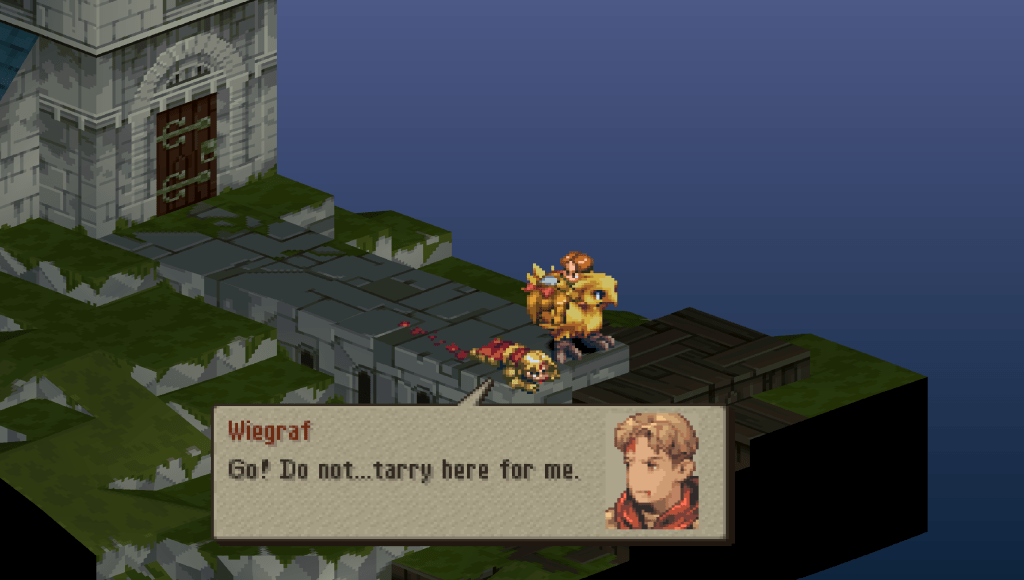
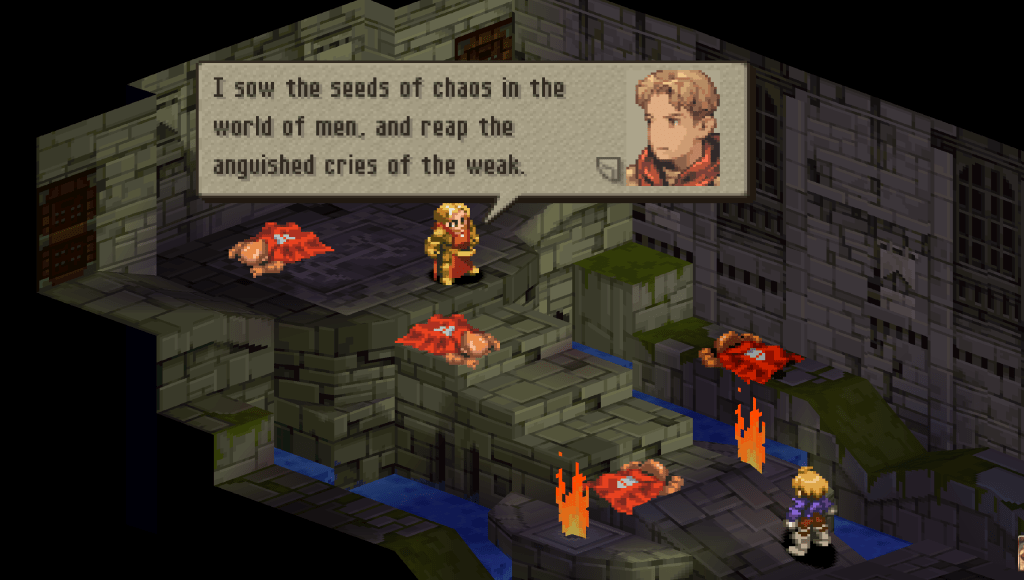
This leads to, hands down, the hardest fight in the game. It is a 1-v-1 solo fight between Ramza and Wiegraf. The former corpse brigade leader has access to holy knight skills, which as you might remember pack a considerable punch. Combine this with a really high attack power and insane movement range and a first-time player fighting Wiegraf is probably going to meet their end in two turns or less. I say two turns because in my first attempt on this playthrough, he killed my Ramza in two hits. Quite a humbling moment there.
This fight comes during a long series of encounters. You get the opportunity to save before each one. The game doesn’t explicitly warn the player to create a secondary save file, so there’s a good chance someone will just be constantly overwriting their save before they get to this point. So if your Ramza just has no good skills available to him for whatever reason and you can’t think of a good strategy, that’s it. Your game ends here. It’s wild, user-unfriendly and insanely old school. You want to see the end of this game? Earn it.
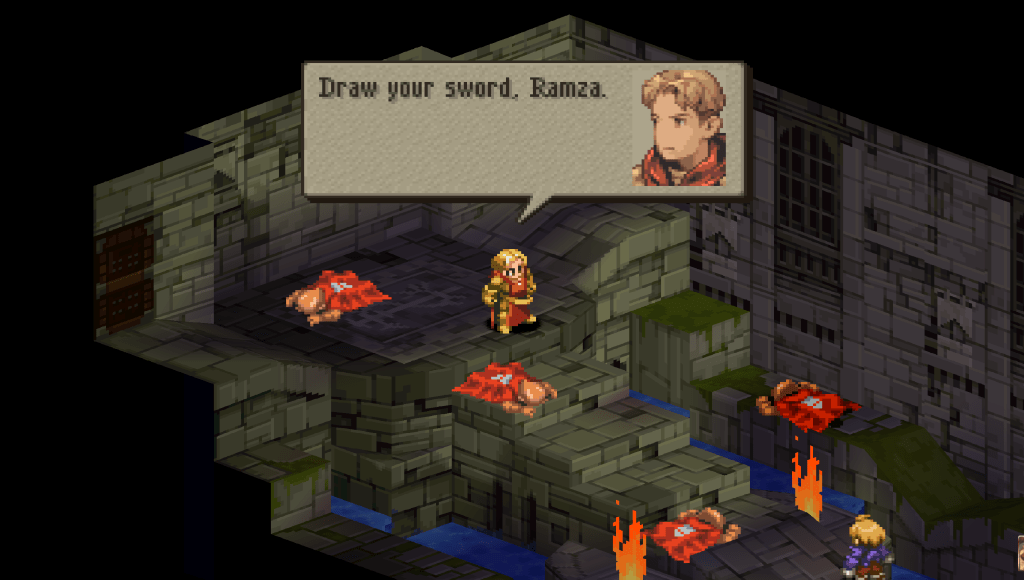
My strategy here is simple, it’s just buffing Ramza’s speed over and over again until he has several turns in a row. Then I buff his attack (brave) stat over and over again. I then go in and hit him. Wiegraf has a counter, so if I hit him, I need to make sure I have at least one extra turn in order to heal myself. Rinse and repeat until he dies. There are many other strategies out there depending on your Ramza build, but this is the one that works for me.
Your reward for beating this solo fight is ANOTHER extremely hard battle against a Lucavi. And you can’t save in between. And if you lose, you need to beat Wiegraf solo again. Good God!
The Church of Glabados
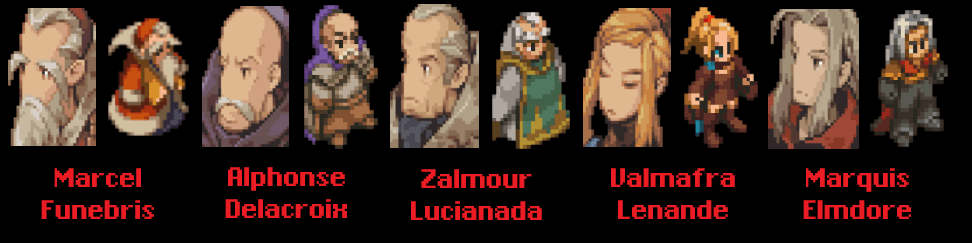
The church was founded after witnessing the miracle of a person known as Saint Ajora. In what seems like a pretty clear allusion to Jesus Christ, Ajora is executed by the ruling empire at the time for talking about the afterlife and things like that. His followers preached about how divine and holy this fella was and we roll from there.
The dark secret of the church is that Ajora wasn’t actually holy at all. He had been possessed by a Lucavi. Some of the church are aware of this and some are not. The game doesn’t make it explicitly clear why people are clued in on this. For instance, Marcel Funebris is the the leader of the church. His position is High Confessor. While he is working actively to undermine the factions of the war of the lions, he has no idea about the demonic parts of the church.
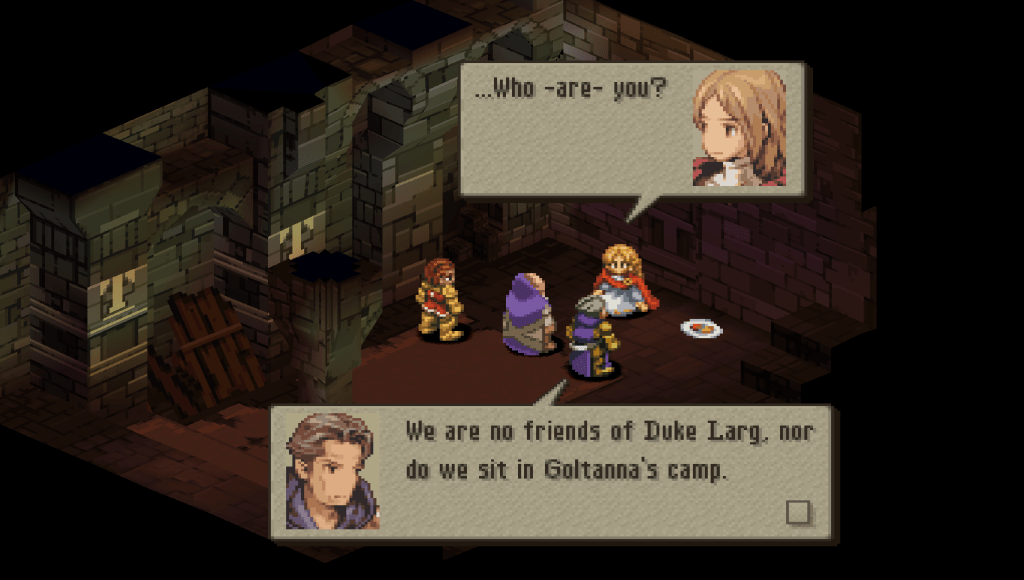
Alphonse Delacroix, his second-in-command, does though. He is the first person shown to take a zodiac/auracite stone and transform with it. He works closely with the Knight Templars, warriors in the employ of the church, in order to gather all the stones in the hopes of resurrecting Saint Ajora. Ajora was possessed by Ultima, who is the ultimate Lucavi, so if he comes back to power, it’s a big problem for Ivalice.
The next two characters are pretty short explanations. Zamour Lucianada witnesses Delita and Ramza conspiring and is murdered before he can report to his higher ups that Delita might not be as trust worthy as he seems. Valmafra Lenande is assigned to keep watch of Delita, she is to assassinate him at the first sign of his treachery. She witnesses it but doesn’t do anything. Delita contemplates killing her since she isn’t really his ally, but he spares her. Kinda not in character for Delita to be honest.
Finally, Marquis Messam Elmdore. He’s here as sort of a guilt-by-association thing. I just don’t think he has enough meat to be his own section. In Chapter 1 he gets kidnapped and your crew saves him. In Chapter 2, while in possession of an auracite/zodiac stone, he nearly dies. But while at death’s door, a Lucavi spirit invades his body and going forward he aligns himself with the members of the church who know about the demons and their desire to resurrect Ultima. The Elmdore we see for a majority of the game is actually the Lucavi Zalera.
Okay. So that’s a lot of moving parts for one organization. I’ve said this a couple of times throughout this writeup, but the demonic twist is not my favorite road that Tactics travels down. I find the motivations and alliances of the Lucavi and the church to be overly convoluted.
I’m not saying the church needs to be one unified faction or anything like that, but it’s slightly hard to follow everything when half of the church faction are evil assholes trying to dupe the people into a war for power and the other half of the church are evil demonic assholes trying to dupe the people into war for…also power. But with demons.
I got nothing. I like Valmafra’s design. She looks like Agrias with some sass.
Knight Templars
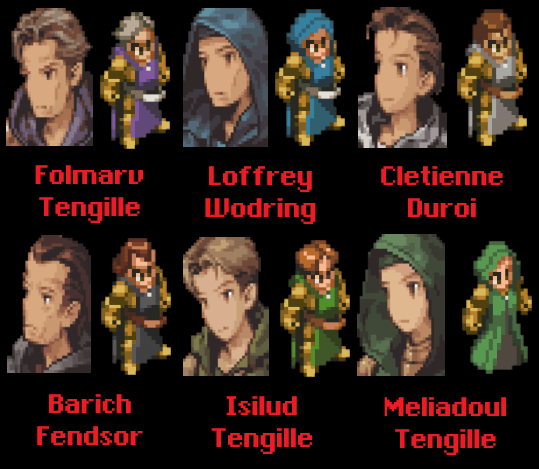
This is the order of knights that work for the church to help collect the zodiac/auracite stones. The leader of this group is Folmarv Tengille and he is fully aware of the Lucavi plot. He IS the demons! His children – Isilud and Meliadoul – are not but they are also really devoted to the cause until the truth is unveiled before them.
Isilud gets killed by his father and Meliadoul witnesses a lucavi massacre and decides to join up with Ramza because she sees that the church sucks.
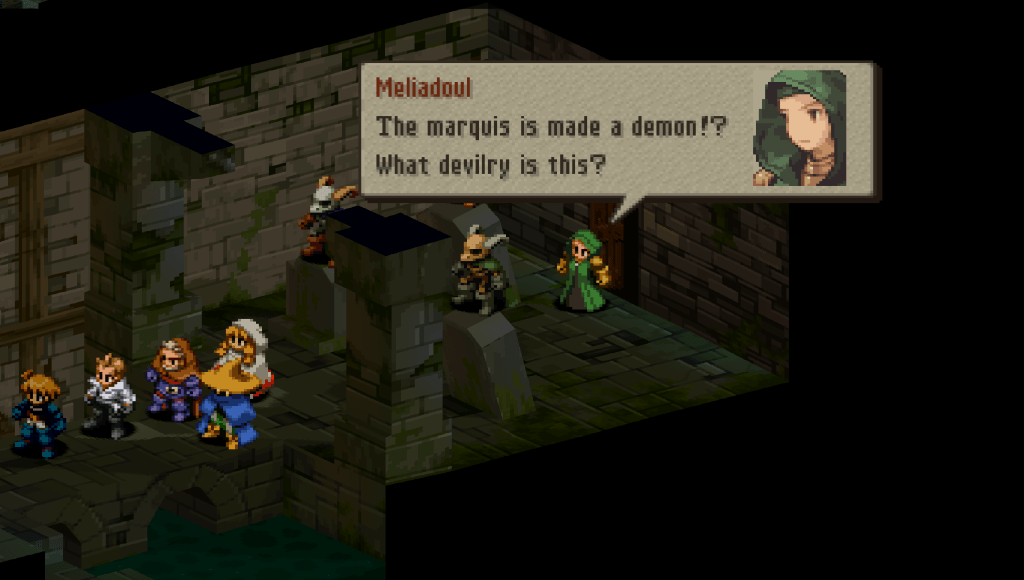
I’ve never used Meliadoul in any playthrough. She’s another holy knight. She joins up with your crew at the very end of the game and I’m sorry, I’m not trying to change my party dynamics right before going up against the Lucavi menace. I like her cloak though, it’s cool!
Loffrey Wodring’s main plot contribution is bringing Wiegraf over to the church’s side. He, uh, also traps you in the final dungeon area. And that’s it! He’s both a boss and an asshole that rains inconvenience on the party.
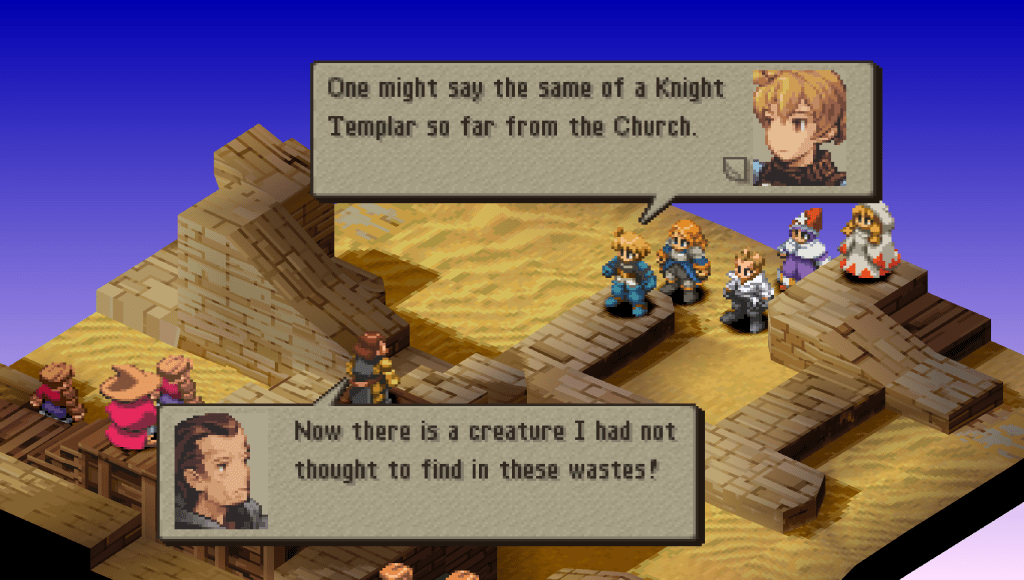
Barich Fendsor and Cletienne Duroi are relatively minor antagonists. You kill Barich at some point in chapter 3 but the stones revive him and he comes back and tries to stop you towards the end of the game. Cletienne Duroi has a surname way too close to Orran Durai, a little more on him soon, so I spent a lot of time thinking they were related. He’s just one of Folmarv’s goons and he dies once and that’s that. Dies and stays dead? In FF Tactics? Wow!
Just like with the church, I’m grouping them together because their scheming is sort of done in a group setting and they don’t have much of a personality as individuals. Normally a guy like Cletienne wouldn’t even get a spot in this writeup, but I felt it was important to stick any templar in this section. God forbid I hear from the Duroi family about the disrespect I gave Cletienne!

Orran Durai

He is the son of T.G. Cid. Orran just sort of exists to tell the player how they’re getting access to such secret and blasphemous information. Orran sees proof from Ramza that the church is behind all this war stuff and he also has a front seat to Delita’s rise to prominence. He chronicles all of this information in an article called the Durai papers. He does not want the heroism of Ramza Beoulve to be lost to history.
Unfortunately for Orran, the church discovered the papers before he could circulate them widely. In a bit of fun after you finish the game, you learn that the church burns Orran at the stake for his heresy and hides away his document for years and years. King Delita’s legacy persists and nobody has to know about this whole Lucavi thing.
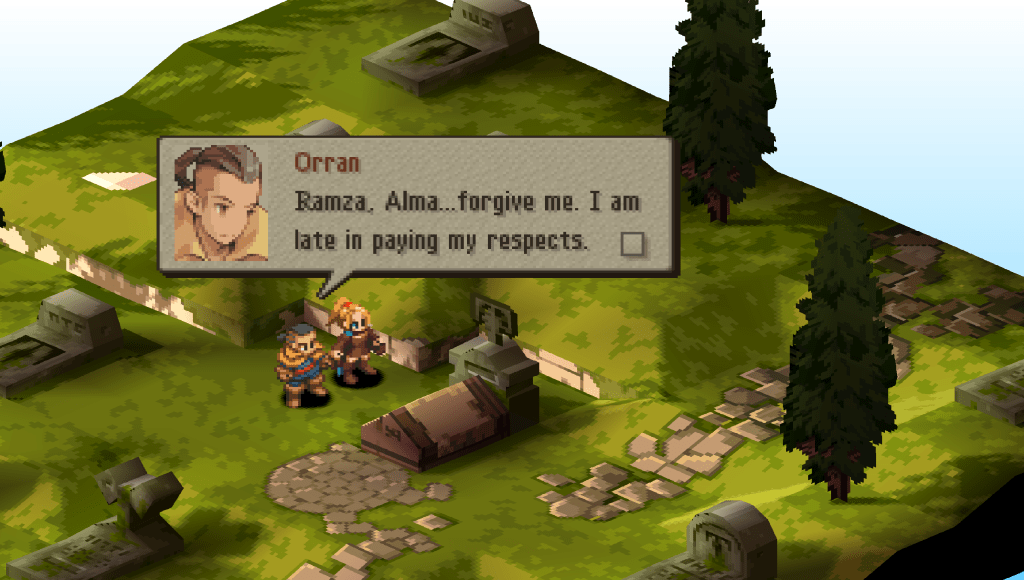
Orran’s ancestor, Arazlam, discovers the papers and decides to tell the truth himself. It’s not discussed in game how widespread he makes this or if anybody even learns of the truth outside of the player. We just know he is a distant, distant relative of Orran. Arazlam acts as the narrator for our adventure, so any time you see explanatory text…that’s ol Arazy spinning some lore for ya.
I’m sort of ambivalent of Orran. I think having this dead sea scrolls-esque document floating around is a really neat idea, but I also wish we had a more important character jot that stuff down. My personal pick would have been the Knight Templar who joins your party, Meliadoul. I think having someone who actually witnessed the conspiracy first hand write about it only to get buried by the organization she was once apart of is a little more interesting than what we got. Nitpicking, I know.
Orran is also a guest party member. He never fully joins your party and I also don’t really remember him contributing much to individual battles. So let’s just say he’s there.
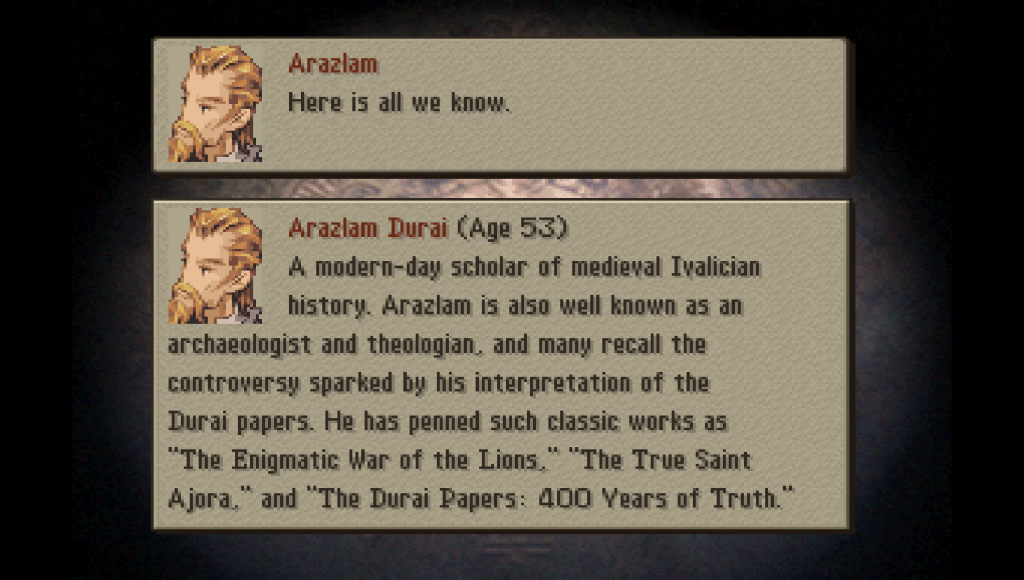
Alma Beoulve
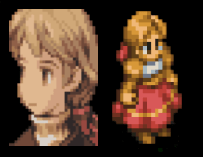
Ramza’s sister and the seemingly least important member of House Beoulve. The Corpse Brigade originally wanted to kidnap her instead of Tietra, but that didn’t work out. Her main contribution to this plot concerns a period of time when she is in church custody. A Knight Templar goes to assassinate her but while doing so, the zodiac/auracite stone he holds starts to react. This stone is tied to the Lucavi Ultima, so Alma is allowed to live because it turns out she is the key to bringing Ajora/Ultima back.
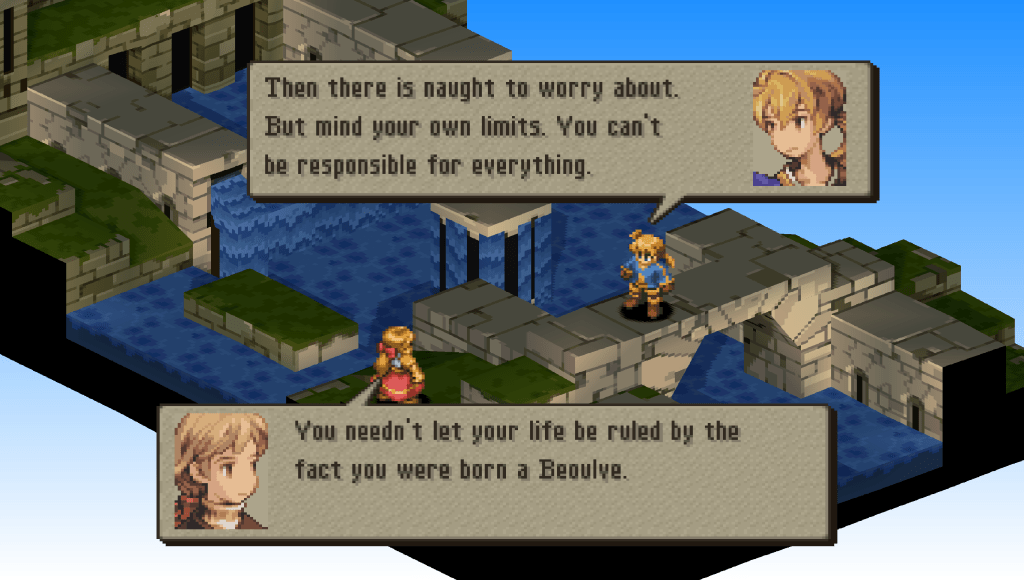
In the final area of the game, it is revealed that the church plot of plunging Ivalice into a war was good for many reasons. One, it puts the church in a position of power. But two, Ajora needs a copious amount of bloodshed before he can come back to life. Well, in the final battle, Ajora DOES come back but Alma is too headstrong for it and somehow separates herself from the Lucavi beast. I don’t quite understand why or how, but when this happens we are in full demon mode so I’ll just go along with it.
Ramza is portrayed as something of a doting brother towards Alma. He doesn’t really like to put her in harm’s way. That’s about all I can tell you about her. She doesn’t have much of a personality in my opinion. She’s there to be the centerpiece of the demonic side of the Tactics narrative. When the game ends, Ramza and Alma ride off into the sunset to live in some other country.
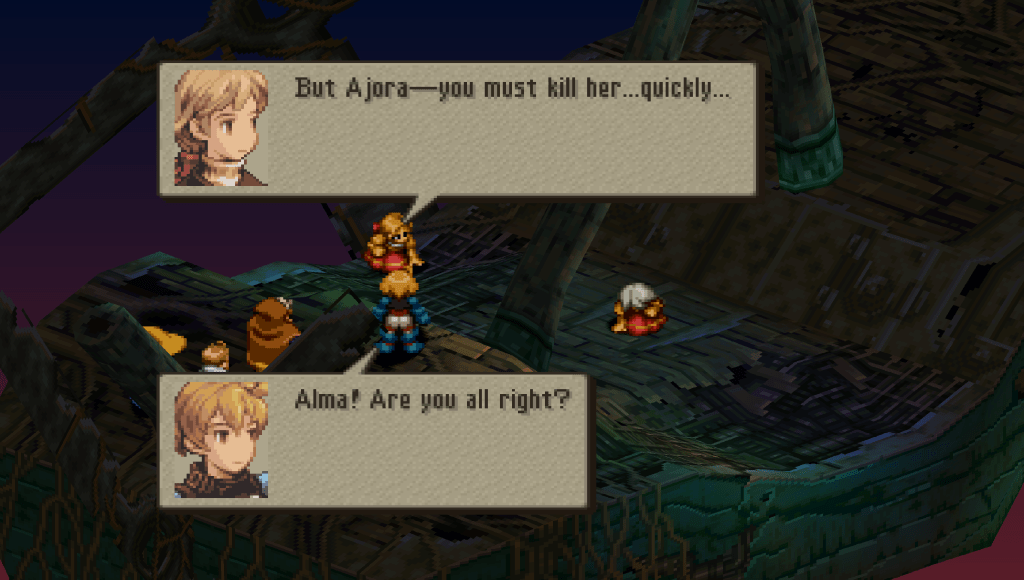
This is also where I am gonna make myself look like a moron. I find Alma and Ovelia to look too much alike. When I save my screenshots, I name them stuff to make it easier to find when I’m placing them in my articles. There are several screenshots where I mistakenly refer to Ovelia as Alma or Alma as Ovelia. I know who is who when I’m actually watching a scene, but when I look at my screenshots I captured hours later, I can get confused.
This is likely just a me problem. But it also makes me think that perhaps combining those two characters wouldn’t be the worst idea in the world. I don’t think Ovelia is brimming with personality either. At least this way, since the game ends with Ovelia on the throne, the Dycedarg master plan of getting a Beoulve in power would have kinda worked out?
I get it though. This is a complicated story with a lot of moving pieces. More stuff is happening here than has happened in any Final Fantasy to date. Some characters just aren’t gonna have much to do. I just wish Alma wasn’t one of those characters who sort of just blends into the background. She’s part of the final encounter, I should not be confusing her with an entirely different character.
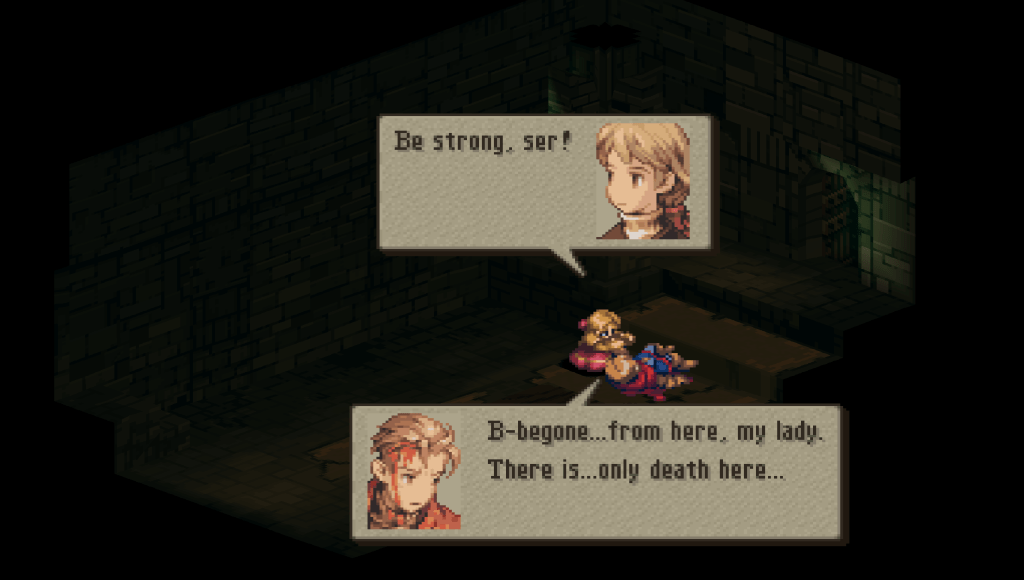
Feel free to call me a moron now.
The Lucavi

We’ve discussed these demons in detail, so here’s what they look like. There’s not much to say about them individually, but if you want to know who is attuned to what: Ultima is tied to Alma, Hashmal is tied to Folmarv Tengille, Cúchulainn is Alphonse Delacroix, Belias is Wiegraf Folles, Adrammelech is Dycedarg Beoulve and Zalera is Marquis Elmdore. Good lord, that felt like typing out one of those bible passages that goes ‘so and so beget so and so.’
The goal of the Lucavi is to bring Ultima back. Ultima is the true identity of Jesus equivalent St. Ajora. The zodiac/auracite stones are conduits for the Lucavi, which allow them to exist in this world. They infest a body through the stone, usually when someone is near death, but this isn’t consistent. There are 12 Zodiac Stones and these six up here are the ones you encounter over the main course of the game.
The extent of what the stones can do is not known. Let me briefly introduce you to the Galthena twins.
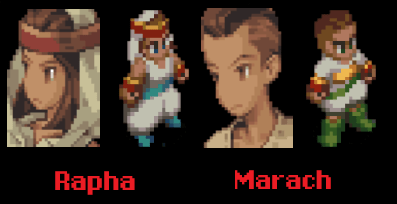
There is a moment where Marach appears to die while Rapha is holding a stone. Rapha calls out in agony and the stone appears to respond to her. Ramza yells at her to ignore the thing because he doesn’t want to deal with another Lucavi, but instead of an evil demon popping out…her twin Marach comes back to life! To me, this sort of infers the stone is attuned to the desires of those it connects to. It’s never outright stated in Tactics, so it’s up to the player to determine how they feel about the stones. Fine by me!
These are some of the hardest boss battles in the game. The first one you encounter is Cúchulainn and, to this point, demonic entities didn’t feel like something on the table. He lives up to his otherworldly nature by having an insanely high HP pool for the time. It’s marked as “???” but in reality it’s around 500-something, which even end-game humans don’t really reach. Really hacking away at this thing and not knowing when it’s going to die helps lend it this unstoppable and ominous feeling.
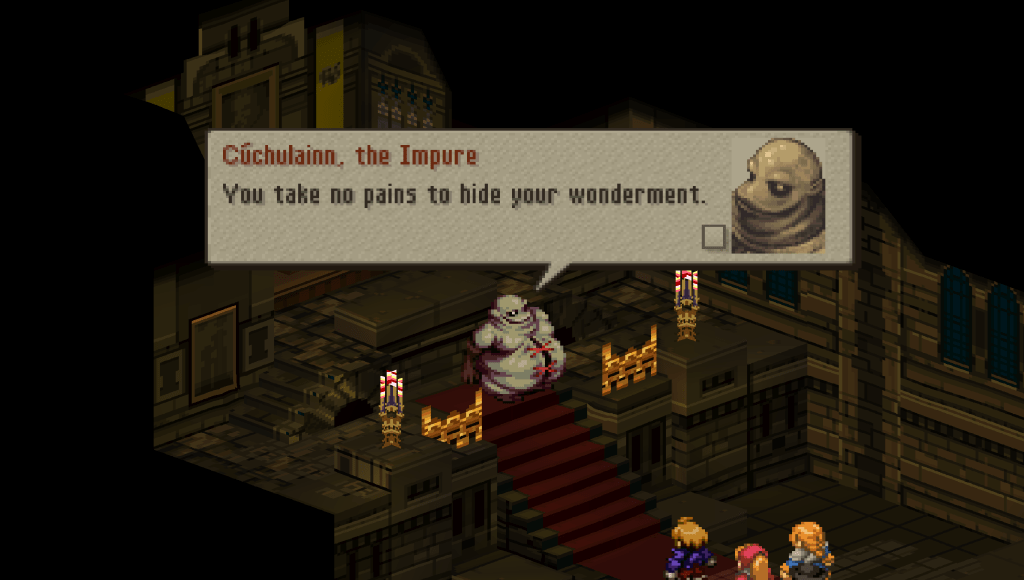
Against Lucavi you often find yourself thinking “I have thrown everything I have at this guy, how is he not dead yet?” I may have my qualms with the demonic elements of Tactics, but the handling of the actual Lucavi fights is excellent from a narrative standpoint. These things FEEL as threatening to the player as they do in the story. There’s no cutscene powers, these guys are just impossibly strong.
The hardest normal Lucavi battle is definitely Belias. You come off a really difficult 1-v-1 battle against Wiegraf and you don’t have an opportunity to save in between. Your party shows up to the fight and then Belias summons hard-hitting demons to the fray. So now the player is really sweating because it’s either beat this crazy hard demon now or fight Wiegraf again. And most players probably scraped by that battle by the skin of their teeth. It’s enthralling. A maddening battle that perfectly fits the tone of the story. It’s a battle that I respect and yet dread every time it comes up.
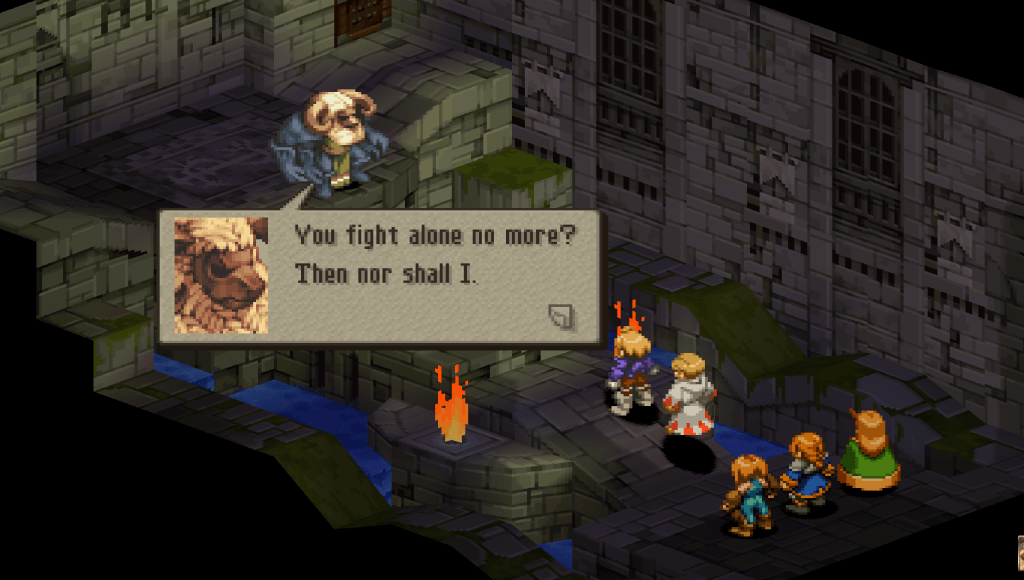
Hilariously, Belias is likely the first ‘summon’ a player will get in Final Fantasy XII. It feels like Square Enix is going “hah, you remember this fight don’t ya? Boy it sucked. Well anyway, here’s a Belias that you can use and also he’s the weakest summon in the game! Hope you’re excited for more!”
The only other main Lucavi fight I feel the need to mention is the final battle against Ultima. As a kid, I remember her giving me a lot of trouble. This might be more because I was really stubborn and hellbent on using specific jobs or party members, but hey, play how you want to. I haven’t struggled since though.
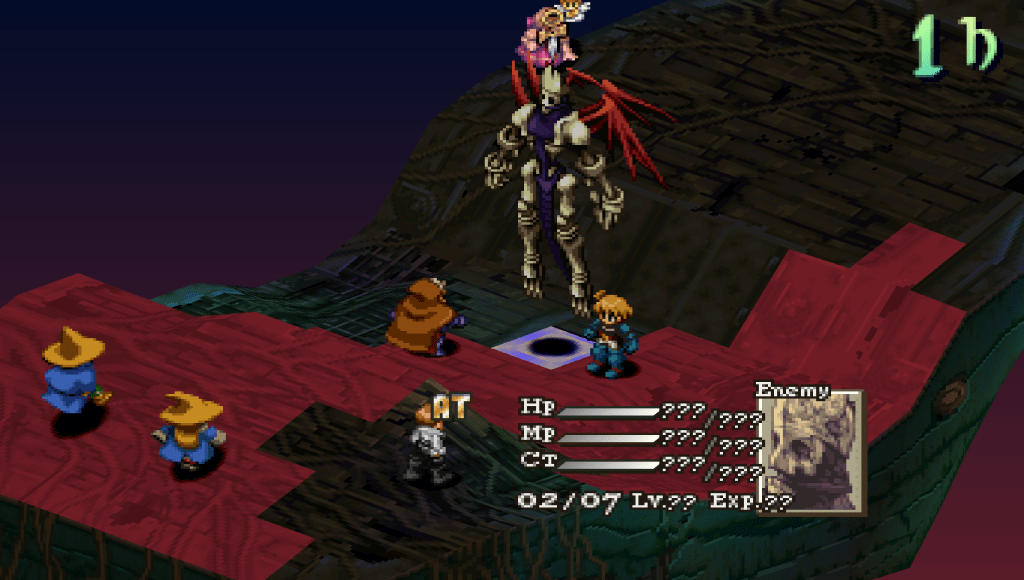
It’s sort of worrying when a second phase of the fight begins, a first in Tactics as killing other Lucavi just ends the battle, but even that isn’t too rough. She casts status effects, has a lot of HP and hits hard, but if you’ve made it this far, you can handle it. As far as final bosses go, she is probably the easiest one yet outside of FFII and Mystic Quest. Very bizarre for a game as challenging as Tactics can be.
Might have also been because I was using two Black Mage Arithmeticians and T.G. Cid, but eh, who can say. There is one more Lucavi fight in the game though.
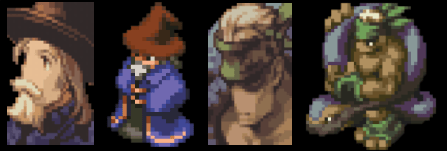
This is Elidibus. He is a legendary figure from the 50-year-war and is the only Lucavi that has the same name regardless of what form he takes. The main reason to go out of your way to fight him is to learn the ultimate summon skill, Zodiark. If he hits a Summoner with this spell, there is a 90% chance they learn the technique as long as they survive. It’s much like how Ramza can learn the Ultima spell.
The trek to GET to him is super obnoxious though. He’s at the very end of an optional dungeon the game tosses at you. It’s a place called Midlight Deep. The gimmick here is that everything is pitch black. You get better visibility when enemy units die and leave behind life crystals which brighten up the environment, but otherwise you can’t really see what’s going on. That wouldn’t be so bad on its own, but to progress through this dungeon you have to find unmarked exits. You need to move a unit to these exits in order to progress further.
Unfortunately the exit is random. The FF wiki claims there are up to five possible exit locations per floor, but which one it uses is random. And if you’re not using a guide, the tactic here is to slowly canvas the entire floor until you find your way out. And you need to keep at least one enemy on the map alive while doing this because if you kill everybody, the game will kick you back out to the world map and you’ll need to try again. So you get to move around this dark map randomly until you find a way out. There are 10 floors of this to reach Elidibus. Have fun! I hope you got flight or teleport movement skills!
The Extra Characters
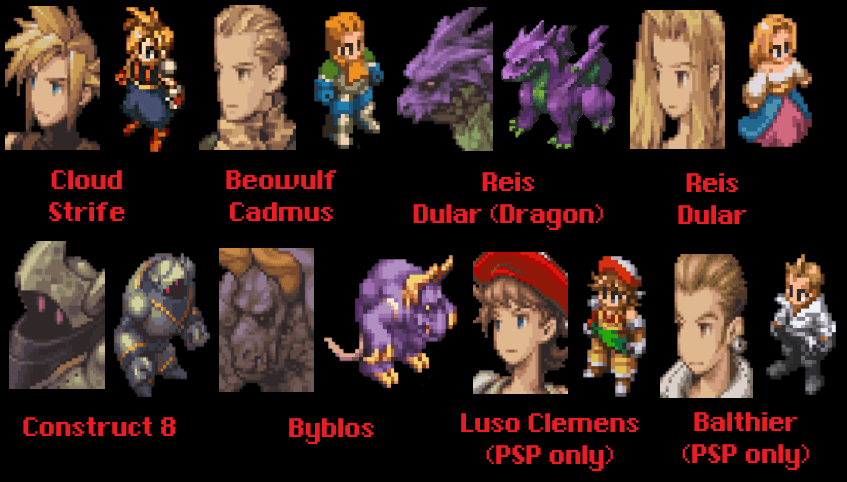
In Chapter 4, you have the option to recruit several optional party members. Technically, every single person that can join your party is not mandatory because you can just decline anybody, but you actually have to go out of your way for these guys. Tactics sort of beats into you that non-generic units are all excellent, so I think a typical player will want to go collect these guys just to have the strongest army possible.
Let’s start with Beowulf. You learn about his plight while you’re in a tavern reading rumors. He is hunting down a holy dragon. After several battles, you learn that the dragon is actually his love interest, Reis. You then go on a little quest to turn Reis back into a human. This is by far the most story content any of these optional characters receive. It’s a very sweet little story.
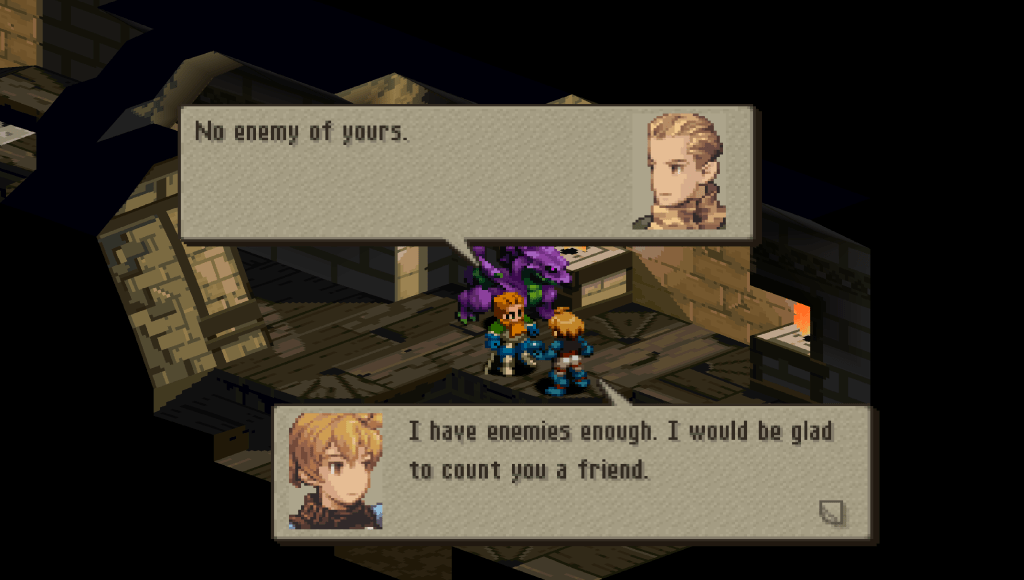

Beowulf’s special class is templar, which has some sword magic abilities. He carries the ultimate Knight skill ‘shock’ with him, so if you’re a big fan of Steiner from FF IX, well, Beowulf might scratch that itch for you.
Dragon Reis is just like any dragon you’d find in this game. HUMAN Reis though gets a job called Dragonkin, which gives you more offensive options as well as the ability to recruit dragons to your side. As a regular dragon she’s nothing special but as a Dragonkin, she is a welcome addition to the crew. Now whether you can find room for her in your five-man team is another story.
Moving on, Construct 8 is an autonomation that Mustadio brings to life with one of the Zodiac/Auracite stones. His sidequest is needed to complete the Beowulf and Reis story. Essentially, you need to go defeat another automaton and during this whole thing, you get another stone. This stone is used to recruit Cloud Strife, so naturally this is an objective most first-time players will go out of their way to achieve. In combat, Construct 8 is like a monster unit. Can’t learn abilities or equip stuff. AKA I’m not interested.
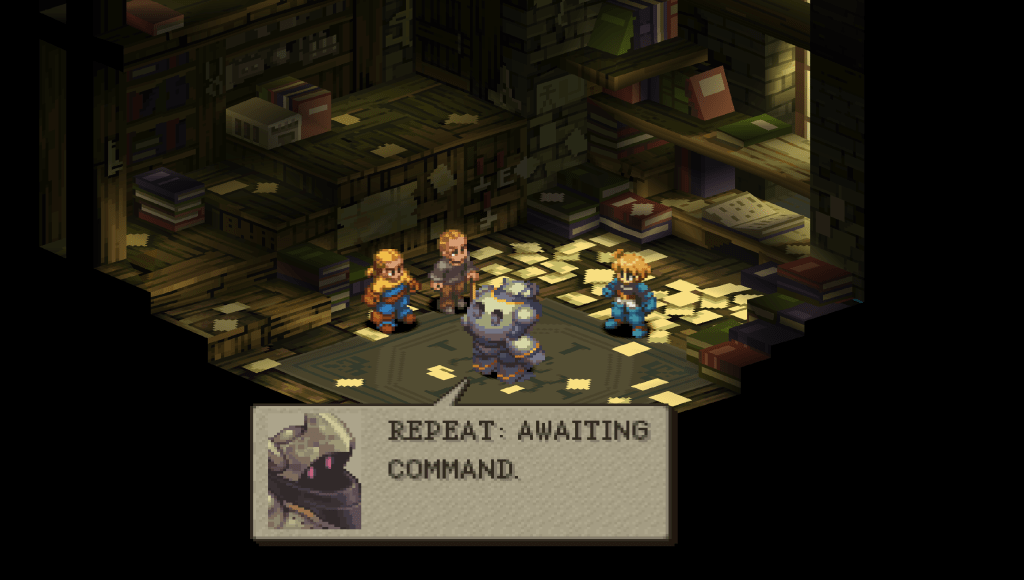
It functions a bit like a traditional Dark Knight in that it sacrifices HP to inflict damage. So if you want a semi-Dark Knight without putting in the 95,000 hours it takes to get one in this game…Construct 8 might be for you!
Next up is Cloud Strife. He gets summoned into this world via the zodiac stone you find from Construct 8’s quest. He comes into Ivalice as essentially the pre-mental breakdown version of his character from VII. He seems easily confused about his identity, he grasps at his head a lot and he is looking for someone named Sephiroth.
The stone did not bring Sephy over, though I’m sure people looked all over the place for him back in the day. He ends up joining the party because a flower girl who looks vaguely like Aerith is in trouble and Ramza shows up to save the day.
For whatever reason, Cloud is the worst extra character. It makes no sense, you’d figure they’d make the guest character people would absolutely go out of their way to acquire worth getting, but no. He comes in at level 1 and his unique class, SOLDIER, can only be used after you locate the materia blade, which is hidden on a map and can only be found with the move and find items ability. When you DO have it, all of Cloud’s SOLDIER attacks have a really long charge time and are pretty hard to pull off in battle.
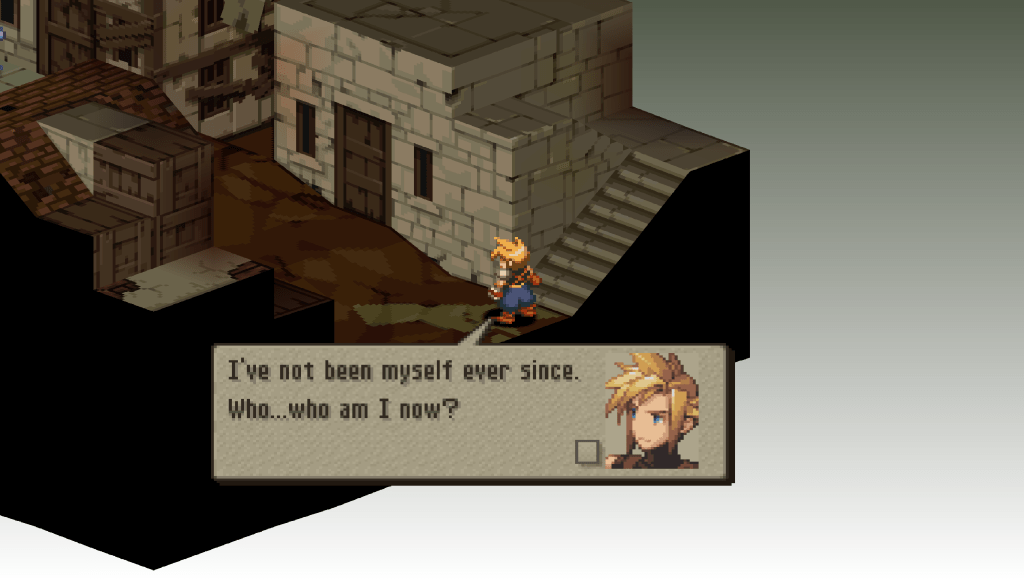
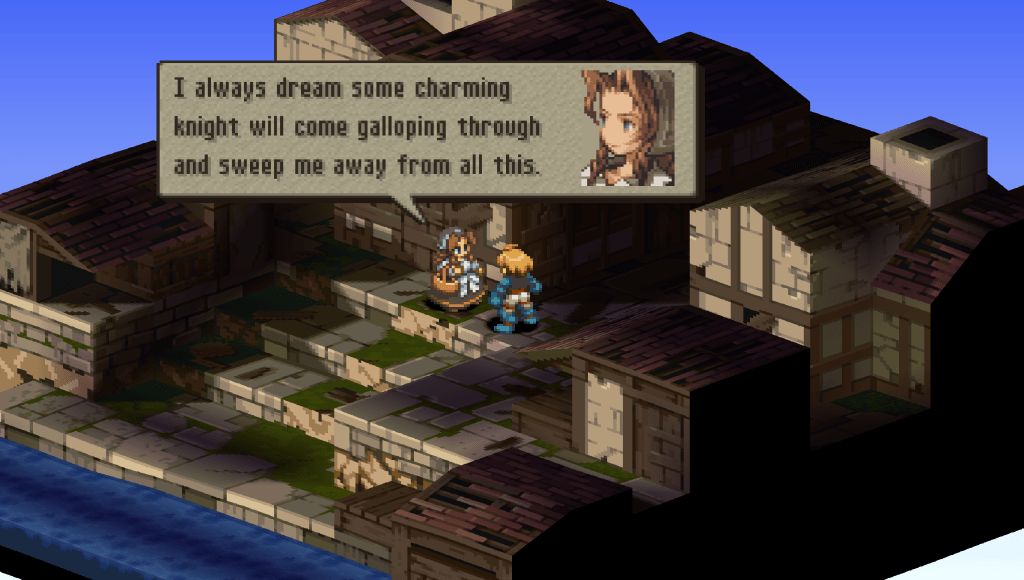
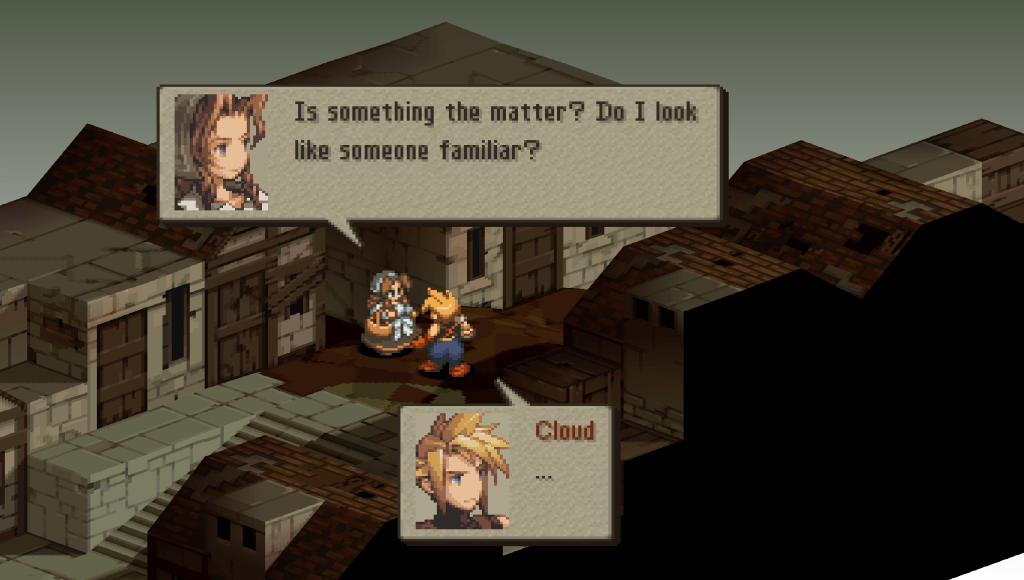
Also, despite seeming like a physical class, most of Cloud’s soldier abilities are linked to magic attack. So if you want to have those attacks hit hard, you need to boost your magic strength a little bit by getting the Black Mage’s support ability that boosts magical damage. And the materia blade has low physical attack stats so he just won’t hit bad guys as hard with it as he might with other blades. But if you use other blades, you can’t use those limit breaks. Harumph!
As a stubborn youth, you better believe that I went out of my way to build Cloud up from scratch and make him a permanent member of my team. I was so excited to learn all the SOLDIER skills too. He was on my initial Ultima beating team. As I’ve said elsewhere in this guide, one of the beautiful things about Tactics is that there are many ways to accomplish the same goals.
I’ve talked about my personal strategies a fair amount in this writeup, but what works for me isn’t the definitive way to approach things. How I play as an adult is far different than how I played as a teenager. Cloud didn’t touch my party this playthrough, but he was a vital member of my team back in the day. I didn’t care about his limitations, I wanted to win with him. So I found tactics that would work and won the day. Have I mentioned that I love how Tactics plays? Because I do.
Anyway, uh, Byblos is next. He joins the party during the super boss fight. If he lives, he joins you permanently. He’s a beast character, so I would never use him.
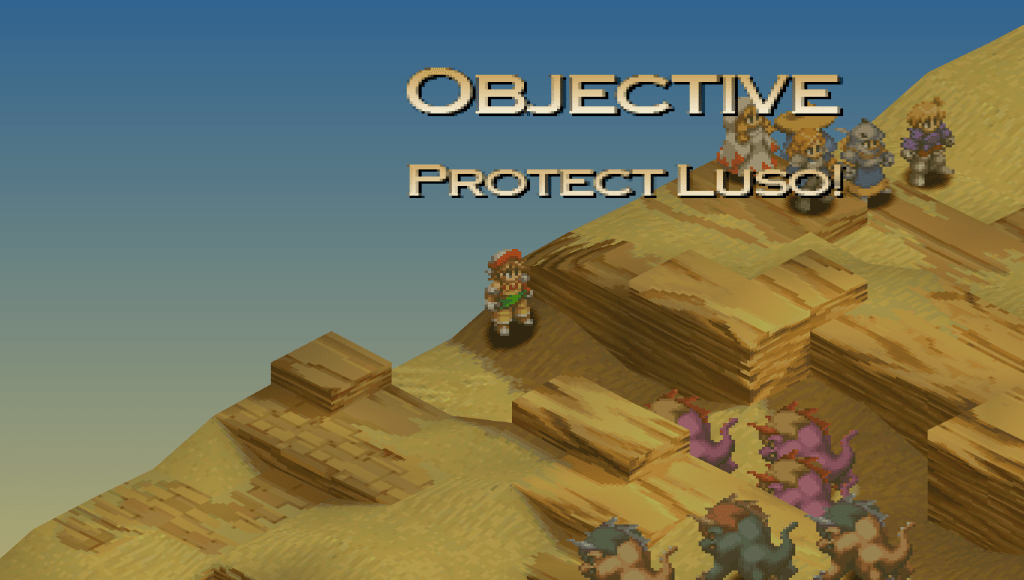
Okay, so onto the War of the Lions characters! Just like with the job system, we get a couple of extras here. The first character you encounter is Luso, who just shows up in a ‘random encounter’ in chapter 4. You can’t miss him, so he’s a little less ‘optional’ than how I defined the term above.
Luso is the protagonist of Final Fantasy Tactics A2. You see, the Tactics series lived on following the PS1 title. The GBA and Nintendo DS each saw Tactics games set in the world of Ivalice.
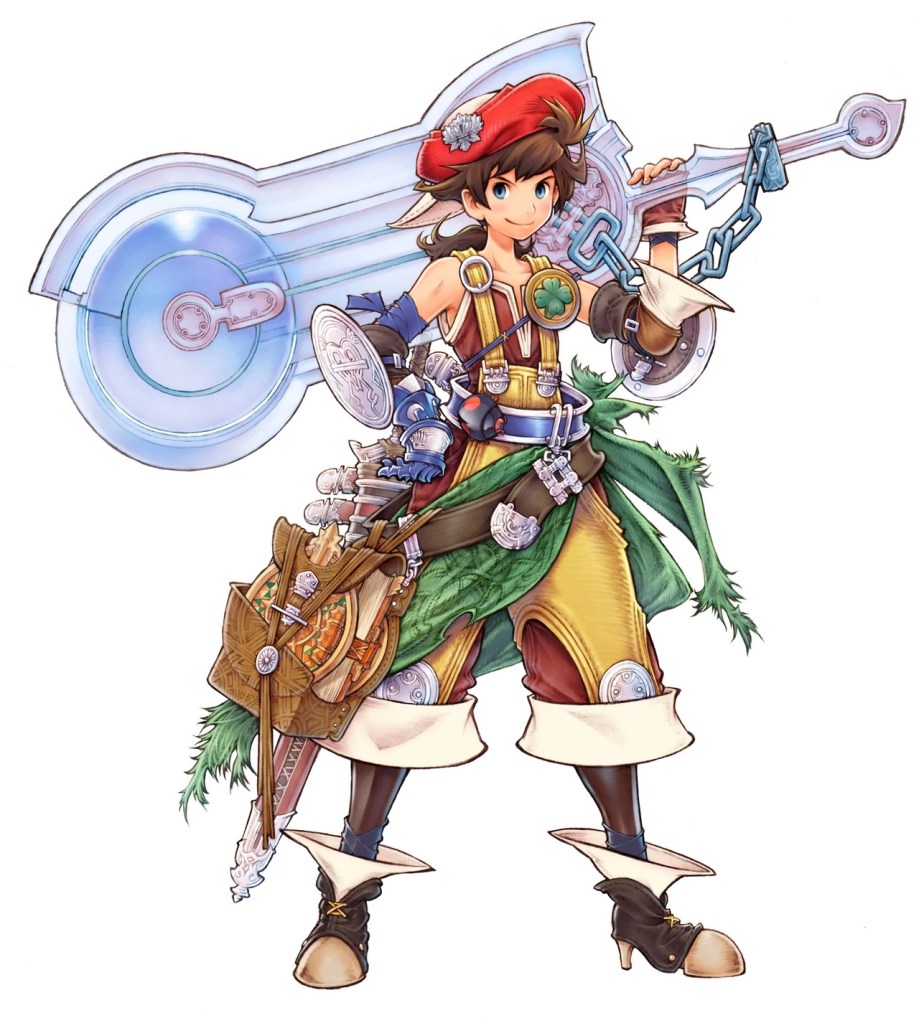
He has one of the stupidest designs for a lead character I have ever seen, highlighted by his gigantic pizza cutting sword. I would have much preferred the Tactics Advance protagonist, Marche, be playable instead. That way you could have a real villain in your party! Alas, ya gotta advertise the newest thing.
Luso’s special job is that he’s a game hunter. This just means he gets the ability to go to the poachers den, where he can trade animal hides for various items. Other than that, he’s basically a normal Squire. Except he can also learn Ultima like Ramza does. It feels like very little effort was put into this character. Which is fine, I don’t like him.
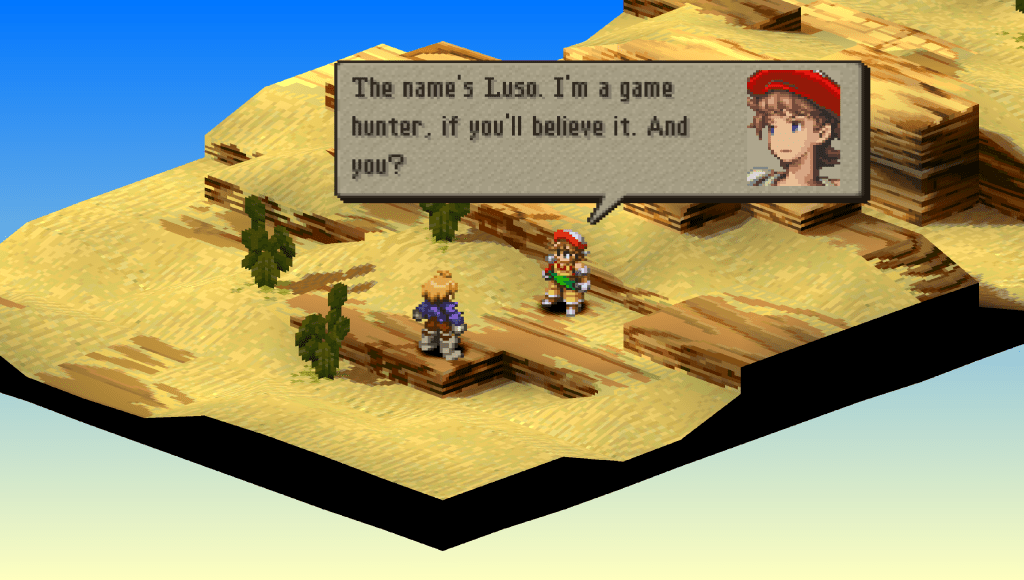
Balthier is the other additional character. He is one of the main party members of Final Fantasy XII and definitely one of the most popular characters from that game. I would say “THE” most popular but Fran has a lot of fans too because she sounds like Bjork and looks like a bunny lady in lingerie. He retains his FF XII personality by constantly joking and making quips about being the leading man.
You acquire him by reading rumors about a rash of thefts, which leads to an unmarked battle on the world map, so he’s a bit more hidden than Luso. His job is a combination of thievery skills as well as Mustadio’s machinist abilities. They are handy, but I didn’t use them too much this playthrough.

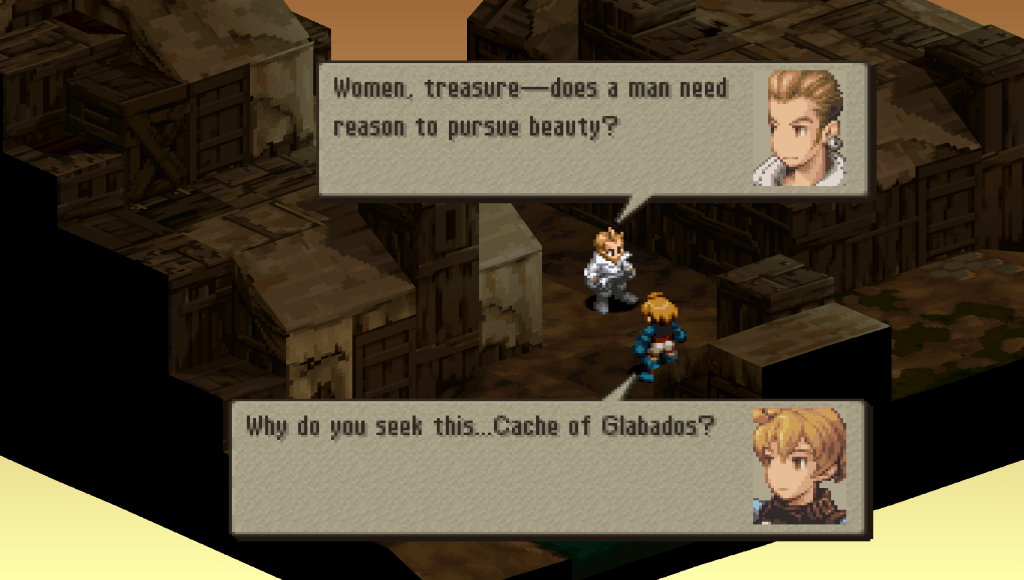
This is despite the fact that I put Balthier in my main party this go around because I had never done it before and I needed a replacement for Agrias, who was starting to noticeably lag behind my other party members as far as damage output in speed.
Luckily Balthier comes with a really strong gun, which means he has excellent attack range. He also has high speed and movement range. Basically addresses all of the things Agrias was slacking in.
Just level him up as a Chemist for a bit so he can use basic items and boom, you have a pretty self sufficient character. Felt kind of bad for benching Agrias since I used her for a vast majority of the game, but she just wasn’t making the five-man starting rotation I’m afraid.
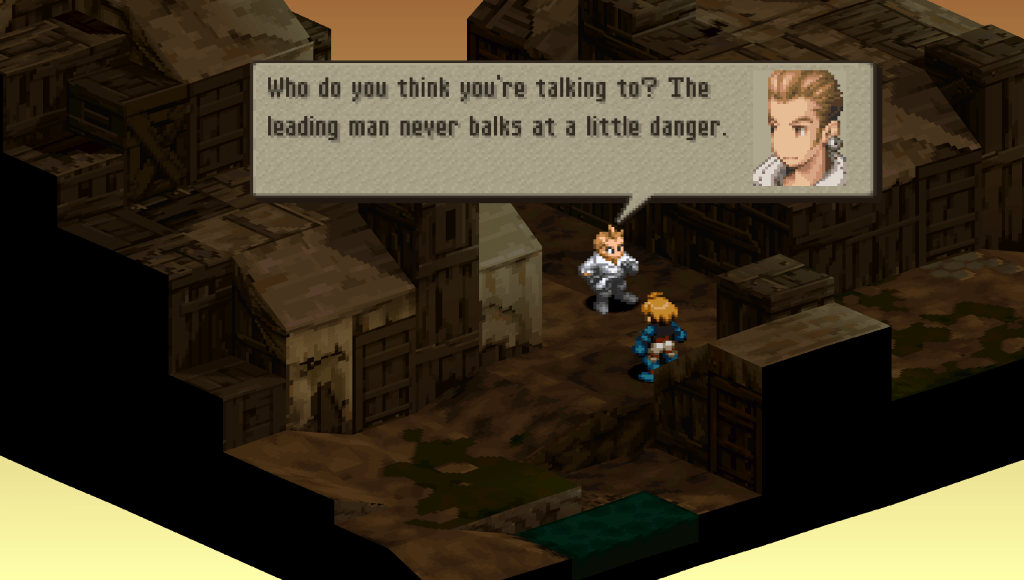
Balthier was the perfect character to bring over from XII. He’s very likable and has a distinct personality. XII is also set in Ivalice, so having a character come over from that game just makes a lot of sense. We were still a fair ways away from the release of Final Fantasy XIII, so XII was the most recent entry in the franchise at that point. Smart move.
It’s been speculated that FF Tactics is getting the HD remaster treatment, so I sincerely hope they add Jill Warrick from FFXVI into it. She fits the vibe and she is severely underutilized in her actual game. Why not give her a little cameo here?
In conclusion
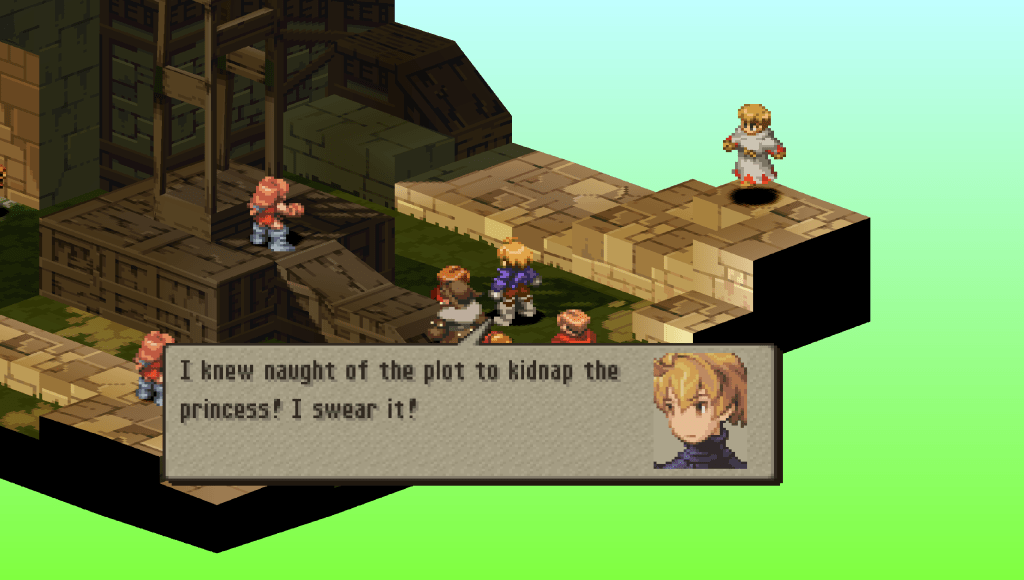
Final Fantasy Tactics has one of the most in depth and engaging combat systems in the franchise. If you like thinking and planning out each and every one of your moves, you are in for a good time. It’s not as fast paced as the mainline games, but the flow of this title pairs well with the larger scale narrative.
There are an insane number of ways for a player to customize their party and engage with each battle, so this game is very replayable. If an HD remaster was announced tomorrow, I would probably get in line to play on day one. And I am fresh off of a 2024 playthrough!
Storywise, lots of interesting stuff happens here and it’s definitely the most ambitious tale the franchise has tried to tell up to this point. However, I feel the introduction of the Lucavi really makes things a little too convoluted and messy. It’s the least interesting part of the story and I think a lesser focus on them would have made this tale hit a little harder.
This is a title that is worthy of its reputation. It is a must-play. There is little wonder that this spinoff gave birth to its own little side series – it is so good that it’s only natural that people would want more.
My score: 5/5
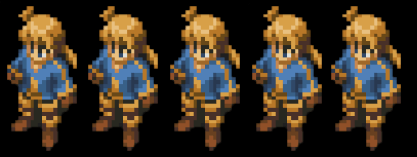
Game rankings to this point:
I decided to start ordering the games in this retrospective series based on my personal preference. I just think it’s fun to see where things end up after I recap them. Just like my scores, don’t take these too seriously.
1-) Tactics
2-) VII
3-) V
4-) VI
5-) IV
6-) III
7-) I
😎 II
9-) Mystic Quest
Up next
 Vidya Thoughts
Leave a comment